Hornets, substantial members of the wasp family, are fascinating insects with complex social structures and behaviors. Known for their distinctive, robust appearance and prowess in nest-building, hornets play crucial ecological roles. Their presence impacts both natural ecosystems and human environments, offering benefits such as pest control, but also challenges due to their defensive and aggressive nature.
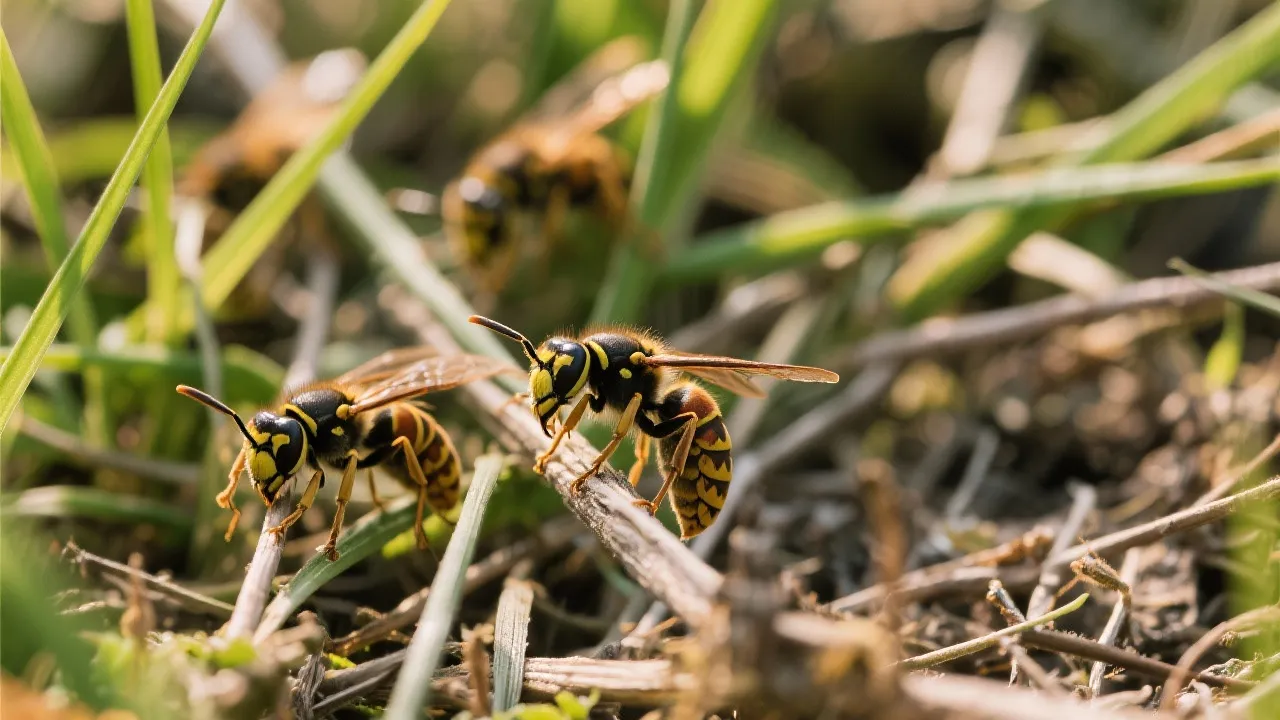
Hornets are formidable members of the wasp family, known for their large size, complex social behaviors, and significant ecological impact. They play a critical role in controlling pest populations and thus maintaining ecosystem balance, although their presence near human habitats can sometimes lead to conflict. Intriguingly, hornets exhibit various behaviors that elevate them beyond mere nuisances; these social insects have intricacies in their daily activities, nesting behavior, and even communication styles that are ripe for exploration.
Hornets exhibit intriguing biological characteristics and behaviors that distinguish them from other wasps. They are typically larger and have a more robust build, with varieties such as the Asian giant hornet becoming infamous for their size and potency. To better understand hornets, we need to delve into their innate characteristics such as lifecycle, communal living, and communication methods, which also sheds light on their adaptability and resilience.
The lifecycle of hornets can be observed in several stages: egg, larva, pupa, and adult. The queen hornet emerges in spring, seeking a suitable location to establish a new colony. After successfully choosing a location, she lays her eggs—often in a small, aerial or buried nest she crafts from chewed wood fibers mixed with her saliva. As these eggs hatch, the larval hornets are fed by the adult workers, who forage for food, such as insects and nectar, to sustain the growing colony. The colony gradually expands, and by late summer or early fall, it can house hundreds, if not thousands, of hornets. As autumn approaches, the life cycle shifts; soon after, the seasonal workers die off, and only the fertilized queens survive, hibernating until the following spring.
Social creatures, hornets function within colonies headed by a queen, who leads worker hornets in nesting, foraging, and defending the hive. The queen’s primary role is reproductive, but she also exerts control over the colony dynamics, influencing which workers can reproduce. Worker hornets, on the other hand, perform all non-reproductive roles in the colony, from gathering food to caring for the queen's offspring, maintaining the nest, and ensuring defense against threats. This complex structure not only highlights the intricacies of their social behavior but also reflects the efficiency of their cooperative systems, essential for their survival and success.
Hornets possess remarkable communication skills. They use various forms of chemical signals, known as pheromones, to convey messages regarding territory, food sources, and potential threats. When a hornet feels threatened, it releases alarm pheromones that can trigger an immediate defense response from nest mates. Additionally, they use tactile communication through body movements and postures to coordinate activities, particularly during foraging missions. This rich communication repertoire fosters a well-organized society within the colony, allowing for complex behaviors and rapid responses to environmental changes.
Despite their ecological benefits, hornets can pose a threat to human activities due to their defensive nature and painful sting. Understanding their behavior is crucial in managing these interactions safely and effectively. With increasing urban development, human-hornet encounters are on the rise, making it essential to educate the public on how to coexist peacefully with these insects.
One of the common misconceptions is conflating hornets with other stinging insects like bees and common wasps, leading to an exaggerated fear toward hornets. Stings from hornets are indeed painful, and they can provoke allergic reactions in some individuals, but hornets typically don't seek out confrontation. In actuality, they prefer to avoid humans and will only become aggressive if they feel threatened or perceive a danger to their nests. Educational initiatives that focus on the importance of not disturbing hornet nests can help reduce unnecessary encounters and promote a safer environment for both hornets and humans. Increasing awareness of their ecological roles can also shift perceptions, recognizing hornets as valuable participants in our ecosystem.
Discovering a hornet nest near your property can be a cause for concern. It is vital to approach this situation with care, as hornets are protective of their nests. If you encounter a hornet nest, it is essential to remain calm and avoid provoking the hornets. Simple actions like remaining silent and moving away from the area can often reduce the likelihood of attracting hornet aggression. Employing professional pest control services is often recommended, as they have the expertise to remove nests safely and effectively. Professionals will typically utilize protective gear and specialized equipment to treat hornet nests, minimizing the risk of stings and ensuring the safe removal of the colony.
To prevent hornets from nesting near your home, several proactive measures can be taken. Regular inspections of your property for early signs of hornet activity, like nest building or aggressive foraging, can help address potential infestations before they escalate. Moreover, sealing entry points into attics, eaves, and similar areas can deter queens from laying eggs in sheltered spots. Moreover, maintaining clean outdoor spaces free from food debris, trash, and spilled drinks can significantly decrease the chances of attracting hornets, as these factors typically lure them in search of sustenance.
| Feature | Hornets | Common Wasps |
|---|---|---|
| Size | Larger | Smaller |
| Colony Structure | Complex social structure with a queen | Similar structure but can vary in complexity |
| Nesting Habits | Builds nests in sheltered locations, often higher off the ground | Often found in more open areas and may use a variety of locations to nest |
| Ecological Role | Pest control, some pollination | Pest control, limited pollination |
| Sting Severity | Typically more painful and potent | Less severe but can still cause discomfort |
There's a lot of misinformation surrounding hornets. Contrary to popular belief, hornets usually avoid humans unless threatened. Their aggression is often exaggerated, with encounters leading to stings only when nests are disturbed. This misunderstanding can also lead to needless extermination efforts; therefore, it is crucial to educate oneself and conduct thorough research about hornet behavior, their ecological significance, and how to peacefully coexist with them while respecting their role within the ecosystem.
Beyond their ecological contributions, hornets also play a vital role in agriculture. Their predation on various crop pests, including caterpillars and aphids, aids in reducing the need for chemical pesticides. Organic farmers particularly value hornets for their natural pest control abilities. By fostering a healthy environment that attracts these beneficial predators, farmers can promote the conservation of local biodiversity while protecting their crops.
Encouraging a presence of hornets involves creating an inviting habitat that nurtures their lifecycle. This can be achieved by allowing areas of your garden to become slightly wild and untamed, which creates perfect nesting locations. Planting a variety of flowering plants can also provide hornets with a reliable nectar source while supporting overall pollinator health. Gardeners can further create spaces that cater not just to hornets but to all pollinators, promoting a thriving ecosystem that goes beyond mere crop health.
As we continue to appreciate the intricate roles that hornets play within our ecosystems, it is essential to foster a balanced understanding of their significance. While they can present challenges when they interact with human habitats, their ecological benefits are invaluable. By promoting coexistence strategies, we can ensure that hornets thrive in their natural environments while minimizing negative encounters with humans. Ultimately, the fascinating world of hornets unveils a complex tapestry of life that ensures our ecosystems flourish with diversity.
Striking the Perfect Balance: Navigating Premiums and Out-of-Pocket Expenses in Senior Insurance Plans

Explore the Tranquil Bliss of Idyllic Rural Retreats

How to Make Lasting Memories at Disneyland Attractions

Affordable Phones and Plans for Seniors

Affordable Full Mouth Dental Implants Near You

Unlock the Top Kept Secrets to Finding Your Ideal Dentist for Flawless Dental Implant Results!

Discovering Springdale Estates

The Guide to Car Trading

Affordable Cell Phones Without Plans


Discovering Splendys Fashion Brand
This article delves into the dynamic world of Splendys, a fashion brand renowned for its innovative designs and commitment to quality. Splendys offers an extensive range of clothing that effortlessly combines style with comfort, appealing to fashion enthusiasts worldwide. This exploration will provide insights into the brand’s philosophy, offerings, and industry standing.

Discovering Byava: A Hidden Gem
Byava emerges as an intriguing locale offering a unique blend of cultural richness and scenic beauty. Known for its vibrant markets, historical significance, and hospitable community, Byava stands as an unexplored marvel. This article delves into the cultural nuances, economic potential, and lifestyle that make Byava a noteworthy destination for travelers and researchers alike.
Discovering Splendys Fashion Brand
This article delves into the dynamic world of Splendys, a fashion brand renowned for its innovative designs and commitment to quality. Splendys offers an extensive range of clothing that effortlessly combines style with comfort, appealing to fashion enthusiasts worldwide. This exploration will provide insights into the brand’s philosophy, offerings, and industry standing.
Understanding Hornet Behavior and Ecology
Hornets, substantial members of the wasp family, are fascinating insects with complex social structures and behaviors. Known for their distinctive, robust appearance and prowess in nest-building, hornets play crucial ecological roles. Their presence impacts both natural ecosystems and human environments, offering benefits such as pest control, but also challenges due to their defensive and aggressive nature.