Layaway helps shoppers secure items while paying over time, often using deposits and scheduled installments. This guide explains the concept objectively, including how layaway works, typical eligibility and timing, and the common conditions retailers apply. It also offers a practical comparison of key requirements and an expert-style checklist for responsible use.
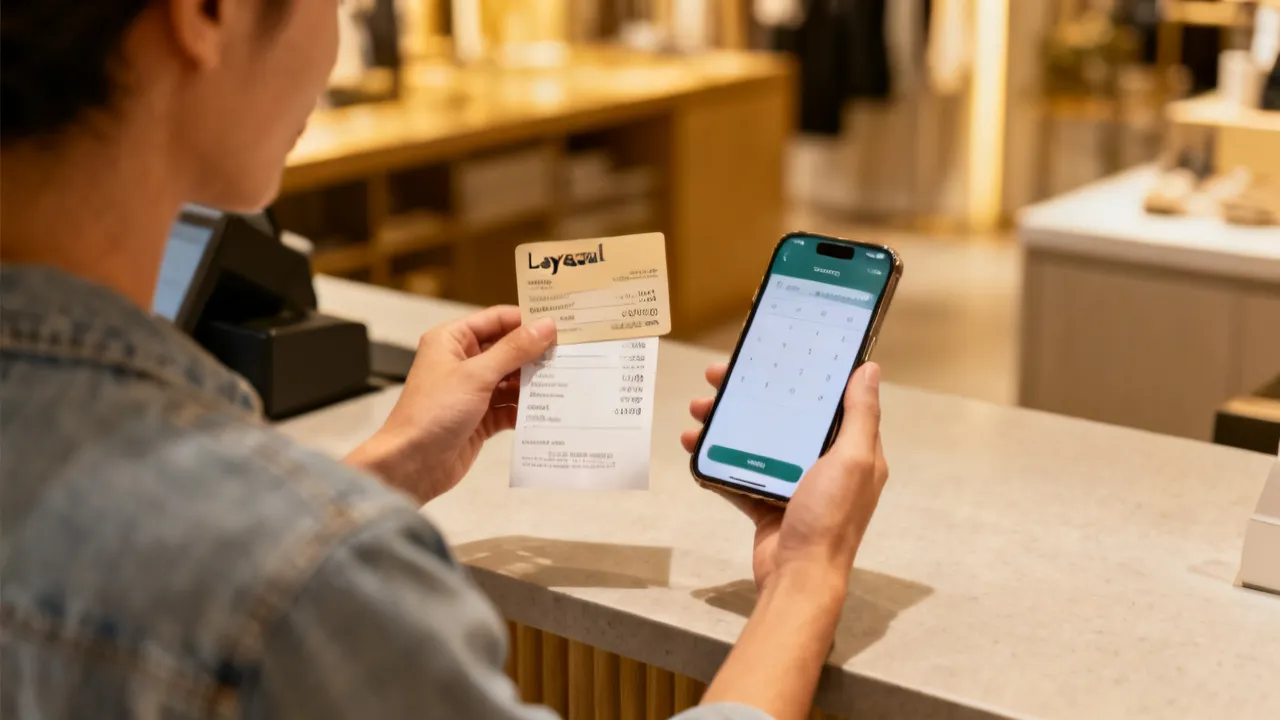
Layaway is a retail arrangement where a shopper secures an item by making an initial payment (often called a deposit) and then completing additional payments on a schedule. Once the payments meet the retailer’s requirements, the item is released for pickup or delivery. From an industry perspective, the core value of layaway is not “convenience alone,” but the structured commitment it creates—along with the retailer’s need to manage inventory risk and payment compliance.
Because layaway policies vary by retailer, the very important variables are usually: payment schedule, refund or cancellation terms, inventory handling, and late-payment consequences. Below, you’ll find a professional analysis of how layaway generally operates, what conditions are commonly used, and which questions you should ask before enrolling.
It also helps to think about layaway as a negotiation between two priorities. The shopper’s priority is predictability and pacing—spreading a purchase over time without relying on credit. The retailer’s priority is protecting itself from the possibility that a shopper won’t complete the plan. That’s why the “timeline” and the “rules” are tightly linked: the retailer uses time-based milestones to determine whether it’s holding inventory responsibly and whether it can legally and operationally complete the transaction.
In operational terms, layaway is a contract-like purchasing pathway. Instead of completing the full price at checkout, the shopper commits to paying the purchase price (or remaining balance) in installments. The retailer typically reserves the item and tracks payments through a customer account or transaction record.
Although layaway is often discussed as a budget-friendly option, an objective framing is more precise: it is a payment method plus an inventory reservation policy. That distinction matters because retailers may impose restrictions to protect against order cancellations, fraud, or prolonged holding of inventory.
A helpful way to visualize layaway is as a timeline with checkpoints. Early on, the retailer confirms the item is eligible and reserves it. As payments occur, the shopper stays “in good standing.” If the shopper maintains the schedule through the end date, the retailer transitions the reserved item into a “ready for pickup” state. If the shopper falls behind, the timeline can trigger administrative steps—warnings, fees, suspensions, or cancellation—depending on the specific terms.
Retailers handle layaway with a different risk profile than standard immediate-payment sales. When a shopper places an item on layaway, the store assumes responsibilities that can include:
For shoppers, these factors translate into policy details you should read carefully—especially the “what happens if…” provisions.
From the retailer’s viewpoint, the risk is not only about the money—it’s also about space, forecasting, and loss prevention. Reserved items occupy shelf space and require personnel time to manage. When a plan becomes delinquent, the retailer may have to reverse the reservation, which can create operational disruption and lead to lost sales if the item is no longer available at the same demand level.
In some stores, layaway is structured in ways designed to minimize that risk. For example, the retailer may require a minimum deposit to activate the plan, may limit layaway duration, may set a minimum installment amount, or may enforce cancellation after a certain number of missed payments. These are not merely administrative preferences; they are practical mechanisms that allow the retailer to maintain consistent inventory control.
Layaway arrangements can involve a deposit plus installment payments. Some retailers apply a deposit percentage, while others request a flat amount. In many setups, the total amount paid equals the item price plus any applicable fees explicitly stated in the terms.
From an industry lens, the safest way to think about layaway price structure is: the advertised item price (the base cost) plus any stated layaway handling charges, service fees, or cancellation-related deductions defined in the agreement.
Important: If you’re comparing options at the “offer level,” ask whether fees are fixed, time-based, or contingent on cancellations or missed payments. Without reading the written conditions, “cheapness” claims can mislead.
Cost clarity usually depends on how the store handles the following categories:
To avoid surprises, shoppers should request a written breakdown of “total due,” showing how the deposit relates to the remaining balance and identifying whether fees are included or added later.
Layaway is also shaped by supplier timelines and store fulfillment capacity. If an item is scarce, the retailer’s ability to reserve it may depend on warehouse allocation, replenishment schedules, and the store’s internal processes. In some cases, retailers may limit layaway to in-stock items at the time of reservation, while others may allow it for items that can be sourced through central distribution.
For shoppers, this translates into practical questions:
These questions matter because layaway can involve both inventory and availability risk. Inventory risk is about whether the store can physically set aside the item. Availability risk is about whether the item will remain available through the end of the plan. A retailer may reserve something that later becomes backordered or discontinued; in that scenario, the retailer must follow its terms on how it handles substitutions, refunds, or plan termination.
From a contract operations perspective, policies often specify one of these outcomes when an item can’t be fulfilled:
The shopper’s best defense is to ask which outcome applies to that store and to that category of item.
When shoppers shop in their local environment—“nearby” stores rather than a distant online marketplace—the experience often reflects local retail norms. In many areas, shoppers value face-to-face clarity: seeing the item, receiving printed policy summaries, and confirming pickup dates. Retail staff in local stores may also communicate informal expectations—yet policy documents remain the authoritative source.
If you plan to use layaway at a nearby retailer, consider visiting during less busy hours to ask detailed questions, and request written confirmation of the schedule and conditions. This reduces misunderstanding when multiple installment dates are involved.
Local shopping can also change how payments occur. Many nearby retailers accept cash payments in person at specific times, while others may accept card payments online or through phone. Your ability to follow a schedule can depend on store hours, payment processing cutoff times, and whether the retailer requires you to make payments in a particular way (for instance, in-store only, or only at designated registers).
Another practical factor is “human continuity.” In a local shop, the same employees may help manage layaway, and the store may have a more immediate ability to coordinate an adjustment if something changes. However, continuity does not override policy. A best practice is to rely on written terms and to verify each payment is properly applied to your account.
The table below summarizes typical operational conditions you may encounter. Policies differ across retailers and product categories, but these categories are commonly used to allocate responsibilities between shopper and store.
| Condition/Requirement | What it usually means | What to verify before enrolling |
|---|---|---|
| Deposit amount | A portion of the price paid to initiate the plan. | Exact deposit value or percentage; due date; whether it’s refundable. |
| Payment frequency | How often installments must be made (weekly, biweekly, monthly, or per agreed schedule). | All installment dates in writing; grace periods for late payments. |
| Minimum payment per installment | A floor for how much must be paid each cycle. | If partial payments are accepted; whether smaller payments extend the timeline. |
| Late payment handling | Consequences for missed or overdue payments. | Fees; reclassification to delinquent status; suspension or cancellation triggers. |
| Cancellation and refund terms | Policy for what happens when a shopper stops participating. | Whether deposits are kept; any deductions; timeline for refund processing. |
| Item availability and reservation period | How long the store holds inventory under the plan. | End date for completing payments; whether extensions are allowed. |
| Pickup or fulfillment conditions | How and when you receive the item after the plan is completed. | Pickup window; whether delivery is available; proof of payment requirements. |
| Substitution or discontinuation rules | Rules if the exact item can’t be reserved or is discontinued. | Whether substitutions are permitted; how price differences are handled. |
| Return policy alignment | Whether returns are treated as standard returns after pickup. | Return window; return eligibility for layaway purchases; receipt or account requirements. |
To make layaway actionable, treat it like a structured agreement rather than a vague promise. A step-by-step approach helps you reduce misunderstandings and avoid avoidable fees.
To make the process even more robust, you can also build “operational habits” around layaway:
When experts discuss layaway, they typically focus on the categories where misunderstandings very often occur. While each retailer’s documents differ, the pattern is consistent: conditions that control cancellation outcomes, late-payment penalties, and reservation expiration are the very consequential.
Additionally, watch for these operational requirements:
There are also “process fine points” that can matter more than the headline policy. For example, stores may specify:
If these details are unclear, ask. A good retailer will provide the written portion, or at minimum clarify how they interpret it.
Layaway is an arrangement where a shopper pays toward an item over time, typically starting with a deposit and then completing scheduled installments. After meeting the plan’s requirements, the retailer releases the item for pickup or delivery according to the store’s terms.
In practical terms, layaway usually involves a reservation plus an account ledger that tracks payments. The reservation is what protects the shopper’s chance to obtain the item; the ledger is what protects the retailer’s ability to enforce completion rules.
No. Layaway is generally structured as an installment reservation plan with retailer-controlled inventory holding. Financing products (such as installment loans or credit plans) can involve credit checks, interest, and regulated lender obligations. Layaway terms focus on reservation and payment completion rules.
Sometimes retailers use layaway-like marketing for subscription programs or “pay over time” models that behave differently. If you’re evaluating a plan, look for whether there are interest charges, credit reporting, APR disclosures, or whether the arrangement is strictly a retailer reservation agreement with set payments.
Confirm the deposit amount, full payment schedule, total cost including any fees, the late-payment consequences, the cancellation/refund terms, and the reservation end date. Also confirm pickup requirements and any return rules after pickup.
A strong approach is to request a document or receipt that lists: (1) total cost, (2) deposit and remaining balance, (3) each payment date, (4) any fees, (5) cancellation policy, and (6) pickup window. If the store can’t provide this in writing, ask for it or ask whether there is a brochure or policy sheet.
Often, deposits may be partially refundable or non-refundable depending on the retailer’s policy. The only reliable answer is the written terms provided at enrollment. Verify whether any deductions apply and the expected timeline for refunds (if any).
Refund timelines can vary widely. Some retailers process refunds quickly after cancellation; others may require time for accounting reconciliation or may refund only to the original payment method. If you cancel, ask: “How long will it take, and where will the money return?”
Retailers typically specify whether there is a grace period, a late fee, a suspension of reservation, or a cancellation trigger after a certain delinquency window. Ask for the exact consequence and the steps required to bring the plan current.
Because misses happen for different reasons, stores sometimes treat scenarios differently. For example, a payment that is one or two days late might be handled with a warning, while a payment that is significantly overdue might trigger cancellation. Some stores may require you to pay a catch-up amount to reinstate the plan, while others may require you to start a new layaway with a new deposit.
Many retailers allow early payoff. However, the policy may still require you to settle any remaining scheduled amounts and might specify when the item can be released for pickup. Always confirm early payoff procedures in writing.
Early payoff can also interact with taxes and fees. If the store calculates taxes at completion, you might still have a small amount due at the end even after you pay the remaining installments. The best practice is to request a “payoff amount” rather than assuming you’ve already reached it.
Taxes may be applied at the time of purchase, at payment time, or at completion depending on retailer rules. Handling fees may also be assessed. Ask how the store calculates total cost so your budget reflects the final amount.
Also consider whether the retailer’s fee is fixed or variable. A fixed fee may be straightforward; a variable fee may depend on how long the plan runs or on whether you cancel. If you expect potential changes, ask whether early completion reduces fees or whether fees are non-refundable once charged.
Some retailers allow substitution under certain conditions, such as if the original item becomes unavailable. Exchange rules are typically limited by inventory and policy. If substitution is permitted, confirm price difference handling and any administrative fees.
Exchanges after layaway is placed can sometimes create complicated bookkeeping. For that reason, many stores only allow substitutions early in the plan or only when the item is discontinued or cannot be reserved. If an exchange is important, ask about the exact stage when changes are permitted.
Layaway commonly has a completion deadline tied to the agreed installment schedule. If you cannot complete payments by the deadline, the reservation may expire or convert to a cancellation outcome. Confirm the date and extension possibilities, if any.
Extension rules often vary. Some stores may extend once if you contact them before the expiration date; others might allow extensions only with an additional fee or after you bring the plan current. The most important thing is to ask what happens if you need extra time before you are already delinquent.
Retailers may restrict layaway to selected items, brands, or price tiers. Some categories may involve manufacturer lead times or higher risk, affecting eligibility. Check whether your specific item qualifies.
Additionally, stores may treat “big ticket” items differently than smaller goods. For example, furniture or appliances might require different reservation procedures, delivery coordination, or return policy rules. The layaway schedule may also change if the item requires scheduling delivery that depends on the completion date.
Layaway conversations sometimes become emotionally persuasive rather than fact-based. For responsible planning, it helps to separate myth from operational reality:
Another frequent misunderstanding is thinking that layaway automatically guarantees the item will be available in the same condition when the plan ends. Policies may allow the retailer to change inventory handling, replace items in limited circumstances, or refuse delivery if the item was damaged or recalled. While many stores are careful, shoppers should ask what protections exist if there’s damage or if the item is subject to recall or manufacturer cancellation.
It’s also easy to assume that a verbal explanation from a clerk is sufficient. Even if staff members mean well, they may not have access to the full policy. The written agreement is the authoritative reference point. If there’s a conflict between verbal statements and written terms, the written terms are usually what governs.
If you’re choosing layaway at a nearby shop, these questions help you get clarity quickly—without relying on memory or assumptions:
You can also ask a “process question” that often reveals a lot: “How will I know my plan is still active?” Some stores provide reminders; others rely on the receipt record. Ask how delinquencies appear in the system and how you will be notified, if at all.
From an industry-expert viewpoint, layaway works top when the shopper’s payment plan aligns with steady budgeting habits. In practice, the arrangement is more reliable when:
Conversely, layaway can become costly or stressful when customers underestimate payment complexity or rely on assumptions not documented in the agreement.
To use layaway responsibly, consider “behavioral fit.” If you’re the kind of person who regularly forgets bills, layaway may require extra structure (reminders, automatic scheduling if possible, or choosing a payment frequency that better matches your income cycle). If you’re under pressure from irregular expenses—medical bills, unpredictable travel, seasonal work—choose a plan length that you can reliably sustain, or avoid layaway entirely until income stabilizes.
Also consider whether layaway could be used in combination with other tools. For example, a shopper may reserve a single essential purchase through layaway while managing other discretionary expenses with a separate budget. The risk is “overlapping obligations”: if you place multiple items on layaway at once, missed payment consequences can stack.
Because timeline details are often easiest to understand through examples, here’s a generalized walkthrough of how layaway typically progresses. Retailers vary, but these patterns are common.
Scenario A: On-time completion
A shopper places an item on layaway with a deposit. The store sets aside the item and prints an installment schedule. The shopper makes weekly payments on the exact dates listed. After the final installment, the account is marked as paid. The store then provides a pickup date range—often beginning immediately after confirmation of payment posting. The shopper shows ID and pickup documentation, and the store releases the item. If the item is eligible for standard returns, the store provides information on the return window after purchase completion.
This is the best-case timeline because it aligns with the retailer’s risk model. The store retains inventory reservation throughout the plan and converts the plan into a standard retail transaction at completion.
Scenario B: One late payment but within grace
In another case, the shopper misses an installment by a few days. The store’s policy may allow a grace period. If within grace, the shopper pays the overdue amount plus any late fee (if applicable) and the plan continues. The store keeps the reservation active through the end date.
Key takeaway: the difference between “slightly late” and “too late” depends on how the policy defines delinquency and what thresholds trigger cancellation.
Scenario C: Delinquency beyond the allowed window
Here, the shopper misses installments repeatedly. The retailer might issue warning notifications, then suspend the reservation, then cancel the plan after a specified delinquency window. Once canceled, the retailer typically re-shelves the inventory. The shopper may receive a refund subject to cancellation terms—often excluding the deposit and/or subtracting fees.
This scenario demonstrates why the timeline is not merely about completing payments. It is also about the store’s operational ability to hold and maintain the inventory reservation long enough for completion.
Scenario D: Item becomes unavailable
Another common timeline disruption is availability. The shopper is paying on schedule, but the item is delayed by the supplier or becomes discontinued. Some retailers may extend the completion date or allow substitution. Others may cancel the reservation and refund the shopper according to policy. The store may communicate options, but the written terms typically govern the final outcome.
This scenario highlights that layaway timelines depend on both payment milestones and supply milestones.
When a retailer provides a schedule, it typically includes more than just “you pay on these dates.” Schedules often specify whether payments apply to:
From a shopper’s perspective, you want to clarify which of these applies. Two shoppers can both pay the “same total amount,” yet experience different outcomes because one paid in the required increments while the other paid irregularly or below the minimum installment requirement.
In a well-designed layaway program, the schedule is transparent and consistent. In practice, some stores may adjust the schedule after a late payment is cured, or they may reissue the schedule. If the store adjusts anything, ask for an updated document.
Late-payment handling is where policy nuance matters most. Stores often use an escalation ladder rather than a single consequence:
The “escalation ladder” is crucial because it affects your strategy if you anticipate missing a payment. If you can contact the store before you cross a threshold, you might be able to negotiate a temporary adjustment, pay a catch-up amount, or request an extension. If you wait until after cancellation, negotiation becomes less likely because the retailer’s inventory already returns to the active selling pool.
Therefore, a practical question to ask is: “If I think I will be late, what should I do first—call the store, pay something partial, or request an extension?” This turns late-payment policy from a worst-case scenario into a plan you can actively manage.
Cancellation is the retailer’s risk management tool. But from the shopper’s perspective, cancellation outcomes determine whether layaway is financially “safe” to try. Refund terms might include:
To understand cancellation risk, shoppers should look for two questions: (1) “How much money do I get back?” and (2) “When do I get it back?” Both are essential. Some policies might offer a partial refund but only process it slowly, which can create cash-flow problems even if the refund is technically available.
In addition, cancellation terms sometimes interact with store promotions. If the layaway item was placed during a sale, cancellation policy might specify whether the retailer keeps any discounts or applies recalculations. It’s worth asking if you anticipate changing your plan.
When a store reserves inventory, it might reserve it in multiple ways:
The reservation period is therefore only as strong as the store’s ability to enforce it. Shoppers should confirm whether the reservation applies to the exact item selected (the “same unit” concept) or whether it’s a reservation by model or SKU that can be swapped within a tolerance.
This distinction matters most for:
When you confirm reservation rules, ask a concrete question: “If the model is no longer available by the end date, what happens to my plan?” The answer should align with substitution and cancellation rules.
Many shoppers treat the end of layaway payments as the moment the transaction “completes.” In reality, fulfillment often has its own rules. Pickup might require:
If you miss the pickup window, some retailers may treat it similarly to a cancellation—releasing the item back to inventory and adjusting refunds based on policy. That makes pickup deadlines part of the timeline risk model.
Therefore, a best practice is to ask: “What date range do I have to pick it up, and what happens if I can’t pick it up right away?”
Returns after pickup usually follow the store’s standard returns policy, but layaway can create special conditions. For example:
If the item is for a gift or event, this matters. You may need to plan around the return window. If you have doubts about fit or quality, check whether an exchange is possible and whether exchange requires being fully paid and picked up.
Exchanges can also be complicated if the store sold out the desired replacement. Layaway’s protective reservation doesn’t necessarily extend into post-pickup exchange availability. If exchanges are important to you, ask about exchange policy at enrollment.
Substitution rules are a common area of confusion because shoppers expect the reserved item to remain identical. In reality, discontinuation and supplier delays can force choices. Policies may offer:
To protect yourself, ask for how substitutions are handled for that category of item. For example, electronics may be substituted by model; appliances might require a broader exchange due to availability; and fashion items might have color or size limitations.
If the store doesn’t offer substitution, it should clearly state what the cancellation outcome is (refund policy and whether cancellation triggers deposit forfeiture).
Some shoppers attempt to solve multiple needs by placing several items on layaway simultaneously. This can work, but it increases the probability of missing one payment. If one plan becomes delinquent, your entire budget and your cash-flow strategy may be disrupted.
Compound risk can occur in several ways:
If you plan to use layaway for more than one item, consider consolidating into one plan when possible or choosing plans with different payment rhythms to reduce overlap. If you need multiple items, ask the retailer if there are ways to coordinate schedules or if there are special offers.
Because layaway is time-based, “payment reliability” is central to success. Here are practical strategies that match the reality of consumer budgets:
These strategies may feel like “extra work,” but they directly reduce the chance that a policy-based consequence becomes unavoidable.
Many shoppers only contact the retailer after a problem occurs. With layaway, proactive communication can make a difference. If you anticipate a missed installment, you may be able to:
The key is to communicate before you exceed policy thresholds. Once cancellation triggers, the retailer may no longer have flexibility to restore the original reservation.
Communication also reduces administrative mistakes. For example, sometimes payments are applied to the wrong ledger entry or to the wrong plan holder if names are similar. Clarifying early prevents the stressful scenario where you later discover you paid but it wasn’t posted properly.
Layaway disputes are often about documentation and ledger accuracy. If you can prove you paid on schedule, you usually have more leverage to resolve errors. That’s why receipts, confirmation numbers, and account statements are crucial.
Consider keeping:
If there is a disagreement, these records help clarify what happened. Without records, even a store mistake can become harder to correct because it becomes “he said, she said” rather than “here’s what the ledger shows.”
For general context on consumer financial protections, dispute handling, and payment-related rights, refer to official consumer protection resources. For example, the U.S. Federal Trade Commission (FTC) provides guidance on consumer issues involving payment and business practices, which can help shoppers understand how to approach disputes and documentation.
Note: layaway policies themselves are retailer-specific and may be governed by local consumer laws and regulations. Always rely on the retailer’s written layaway agreement for definitive terms. Also recognize that while general consumer guidance can help with dispute strategy, the actual “rules of the game” for layaway are usually those printed in the agreement you sign at enrollment.
Layaway is top understood as a structured reservation-and-payment arrangement with clearly defined conditions. When used thoughtfully, it can help align purchasing with installment budgeting while clarifying responsibilities between shopper and retailer. The key to success is not the concept alone, but the execution: read the terms, confirm total cost components, understand cancellation and late-payment rules, and track payments until pickup or delivery.
If you’re considering layaway, treat it like a plan you manage—not a promise you assume. That mindset turns layaway from a “maybe” option into a controlled, predictable purchasing pathway.
In the end, layaway succeeds when timeline and rules are treated as a single system. The payment schedule is not separate from cancellation rules; reservation periods are not separate from item availability rules; and pickup windows are not separate from proof-of-payment requirements. When you integrate all of these pieces, layaway becomes a transparent tool that matches both consumer pacing needs and retailer operational realities.
Striking the Perfect Balance: Navigating Premiums and Out-of-Pocket Expenses in Senior Insurance Plans

Explore the Tranquil Bliss of Idyllic Rural Retreats

How to Make Lasting Memories at Disneyland Attractions

4rkojvsx Technology: Industry Insights and Buying Guide

Affordable Phones and Plans for Seniors

Affordable Full Mouth Dental Implants Near You

Unlock the Top Kept Secrets to Finding Your Ideal Dentist for Flawless Dental Implant Results!

Discovering Springdale Estates

Unveiling RS Sul Telecom Services


Exploring Wbuy's Online Marketplace
Wbuy is an emerging online marketplace that aims to connect consumers with a wide array of products offered by diverse suppliers. This article dissects Wbuy's role as a marketplace platform, outlining its unique features, supplier partnerships, and potential benefits for consumers in terms of product variety and competitive pricing.
A Scholarly Guide to Layaway Plans and Rules
Layaway helps shoppers secure items while paying over time, often using deposits and scheduled installments. This guide explains the concept objectively, including how layaway works, typical eligibility and timing, and the common conditions retailers apply. It also offers a practical comparison of key requirements and an expert-style checklist for responsible use.

Understanding Layaway Plans for Safer Budgeting
Layaway helps shoppers secure items by paying in installments before full ownership transfers. This guide explains how layaway works, what to check before committing, and how retailers typically structure terms. It also reviews practical decision criteria such as fees, timelines, refund rules, and eligibility—grounded in objective consumer-finance principles.
