This comprehensive guide delves into the fascinating world of hornets, exploring their biology, behavior, and ecological role. Hornets, often misconceived as aggressive, are vital components of many ecosystems, providing pest control and pollination services. This article provides insights from industry experts on hornet identification, safety precautions, and their importance to biodiversity.
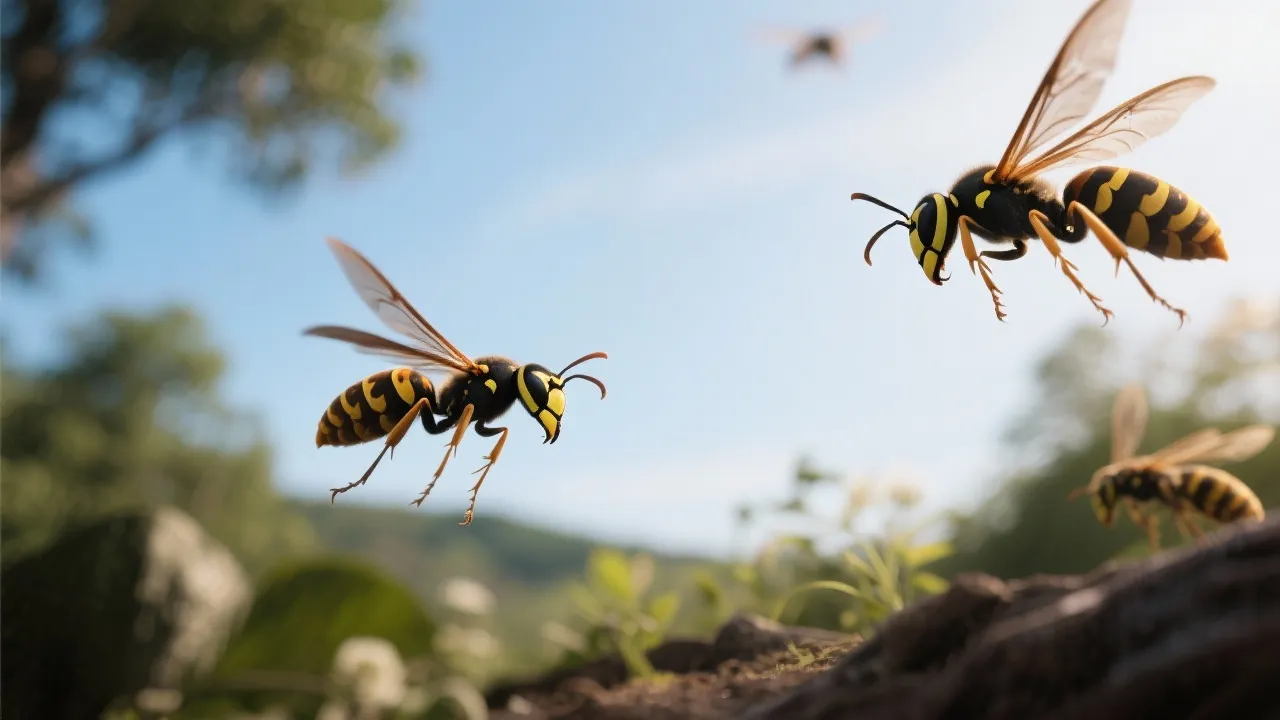
Hornets, often misunderstood and feared, are intriguing creatures belonging to the wasp family. Known for their larger size and more aggressive reputation compared to typical wasps, hornets play an essential role in maintaining ecological balance. By preying on pest insects, they help control populations naturally, making them beneficial despite their intimidating presence. Understanding hornets requires delving deeper into their biology, behavior, and the vital functions they perform within ecosystems.
Hornets are social insects that thrive in colonies, usually consisting of a queen, workers, and drones. Each member of the colony has a specific role that contributes to the survival and efficiency of the group. A queen starts a nest in the spring after hibernation, establishing a colony that can grow to several hundred individuals by late summer. Workers are responsible for foraging, building, and expanding the nest, while the queen focuses primarily on egg-laying. Hornets display exceptional teamwork, a feature that ensures the survival and growth of the colony. Their communication methods, predominantly through pheromones and specific movements, illustrate their complex social structure.
The life cycle of hornets can be quite fascinating. After a queen emerges from hibernation, she searches for a suitable location to start her nest, often selecting sites that are sheltered and somewhat elevated. The queen lays her first batch of eggs, which hatch into larvae. These larvae are fed by the queen until they mature into worker hornets. As the population grows, workers take over foraging and nest maintenance, allowing the queen to focus solely on reproduction. These phases illustrate an organized colony structure that highlights their cooperative behavior.
Beyond their feared stings, hornets contribute immensely to the ecosystem. They serve as natural pest controllers, feeding on a variety of insects that can otherwise damage crops and plants. This predatory behavior helps maintain a balance in the insect population, as hornets target pests like caterpillars, flies, and other soft-bodied insects that may pose a threat to agricultural crops. Additionally, they play a role in pollination, inadvertently transferring pollen as they forage for nectar. This dual role underscores their significance in promoting biodiversity and aiding agriculture, making them essential allies for farmers and gardeners alike.
Researchers have discovered that hornets’ foraging patterns are influenced by the availability of prey, and they exhibit adaptability in their hunting techniques. This adaptability not only sustains their colonies but also supports the wider ecological framework. Moreover, hornets can be seen as indicators of ecosystem health; their presence often suggests a balanced environment with a healthy population of prey species.
Identifying hornets involves recognizing their size, color, and distinctive nests. Typically larger than common wasps, hornets have robust bodies with less defined waistlines. Their nests are often paper-like structures, crafted from chewed wood fibers mixed with saliva, creating a unique material that sets them apart. These nests are usually found hanging from trees, shrubs, or even buildings, indicating a nearby colony. Recognizing a hornet's nest can be crucial for homeowners and gardeners trying to protect their living spaces.
It's essential for individuals near hornet habitats to be educated on distinguishing hornets from other similar insects. For instance, yellowjackets can be confused with hornets; however, yellowjackets are typically smaller, and their nests often resemble underground structures rather than the hanging nests characteristic of hornets. Taking the time to learn these distinctions can help mitigate unnecessary fears and recognize the ecological value these insects contribute.
While hornets are beneficial, their aggressive defense of nests can pose risks. It's vital to maintain a safe distance from known hornet nests and avoid sudden movements when near them to prevent provoking an aggressive response. Hornet stings can be painful and, for some individuals, potentially dangerous due to allergic reactions. Precautionary measures should include wearing protective clothing when working in garden areas known to harbor hornets and educating family members, especially children, about the importance of observing these insects from a safe distance.
In case of a nearby infestation, professional pest control services can safely relocate hornets, minimizing harm to both humans and hornets alike. Understanding their behavior can further aid in the safe navigation around their habitats. For example, hornets tend to be less aggressive later in the season when the colonies begin to diminish, offering safer windows for making observations or potential removals.
Consistently undervalued, hornets’ role in biodiversity includes regulating insect populations and aiding plant pollination, which supports diverse plant and animal life. They act as biological control agents, keeping populations of harmful pests in check, thus reducing the reliance on chemical pesticides. Researchers emphasize conserving hornet populations as part of broader efforts to sustain ecological health and agricultural productivity. Their predation ensures the survival of various species and helps maintain an equilibrium in natural habitats.
Moreover, the decline of hornet populations could have serious implications for the ecosystems they inhabit. Without their natural pest control, certain insect populations could thrive uncontrollably, leading to disastrous consequences for agriculture and the environment. Thus, protecting hornets is not just about preserving a species; it also involves safeguarding the intricate webs of life that connect all organisms within an ecosystem.
What is the difference between a hornet and a wasp? Hornets are a type of wasp, but they are generally larger and have a rounder body shape compared to common wasps. They also exhibit differences in behavior, with hornets often being more social and aggressive when defending their nests.
Are hornet stings dangerous? While usually painful, hornet stings can be severe for individuals allergic to their venom. Immediate medical attention is advised for symptoms of an allergic reaction, such as difficulty breathing or swelling beyond the sting area. Hornets can sting multiple times, unlike bees, which can only sting once before dying.
How can we safely remove a hornet’s nest? It is recommended to contact professional pest control services to safely deal with hornet nests. Attempting to remove a nest without appropriate safety measures can result in multiple stings and severe allergic reactions.
What should you do if you are stung by a hornet? If stung, it’s crucial to clean the area with soap and water to prevent infection. Applying ice can reduce swelling, and over-the-counter pain relievers may alleviate discomfort. For severe reactions, seek medical assistance immediately.
What attracts hornets to human homes? Hornets are often attracted to sweet foods, garbage, and protein sources, especially during late summer. Keeping food covered and managing waste can help reduce hornet attraction to homes.
This overview highlights the complexity and necessity of hornets, encouraging a balanced perspective that respects their ecological contributions while managing potential human interactions carefully. As society continues to navigate the relationship with this often-misunderstood insect, fostering an appreciation for their role in maintaining ecological balance becomes essential. By understanding and valuing hornets, we can contribute to the preservation of biodiversity and recognize the interconnectedness of all life forms.
There are several species of hornets found across the globe, each with unique characteristics and behaviors. The most well-known among them is the European Hornet (Vespa crabro), native to Europe but now established in parts of North America. European hornets are larger than most native wasps, easily distinguished by their robust size and banded yellow and brown coloration. Another notable species is the Asian Giant Hornet (Vespa mandarinia), infamous for its size and painful sting. In 2020, it gained significant public attention during the 'murder hornet' scare in the United States, highlighting the ecological concerns surrounding their potential establishment in new environments.
Hornets not only vary in size and color but also in their nesting habits and social structures. Some species are more aggressive than others, often based on their environment and prey availability. Understanding the differences between species can further increase appreciation and knowledge about their ecological roles and behaviors.
Human interaction with hornets has been historically fraught with misunderstanding. Many people instinctively associate hornets with danger and aggression, often leading to unnecessary extermination of nests. Education plays a crucial role in changing perceptions and fostering coexistence. Programs aimed at teaching the importance of hornets as beneficial insects can help individuals appreciate the balance they maintain within ecosystems.
Additionally, hornet observation in nature can serve as a gateway for enthusiasts and researchers to study social behaviors, hunting techniques, and ecological interactions. Hornets exhibit intriguing natural behaviors that can only be appreciated through careful observation, emphasizing the importance of preserving their habitats and populations.
Engaging with naturalists, ecologists, and conservationists can enhance understanding and promote harmony between humans and hornets. Building awareness of how hornets contribute to pest control and biodiversity can lead to more informed decisions regarding their management and conservation.
For those who encounter hornets during outdoor activities, staying calm is vital. Sudden movements may provoke aggressive behavior. It’s advisable to move slowly away from the vicinity and avoid swatting at them, as this can aggravate them further. Educating communities about the best practices to follow when encountering hornets can lead to safer outdoor experiences. Moreover, creating hornet-friendly environments, such as designated wildflower gardens, can encourage their presence in ways that support ecological balance without threatening human comfort.
Creating habitats that cater to hornets can also be beneficial. Planting native flowering plants that attract hornets as pollinators encourages them to thrive without introducing nests near human dwellings. These strategies can cultivate an environment where hornets contribute positively without causing disruption.
As we deepen our understanding of hornets, it becomes clear that they are far more than mere pests; they are crucial players in maintaining healthy ecosystems. By recognizing their ecological roles, we can learn to coexist with them effectively. The complexity of their social structures, their predation behaviors, and their contributions to biodiversity represent a fascinating intersection of nature that deserves respect and protection.
Going forward, conservation initiatives aiming at educating the public about the benefits of hornets can cultivate a greater appreciation, helping to shift perspectives from fear to understanding. Promoting the coexistence of humans and hornets can lead to healthier ecosystems, safer agricultural practices, and a more profound respect for the natural world around us. Therefore, appreciating the role of hornets within our environment is essential, encouraging a balanced perspective that recognizes their ecological contributions without overlooking the importance of human safety. Through education and understanding, we can all become stewards of nature, fostering a harmonious relationship with these complex and vital predators.
Striking the Perfect Balance: Navigating Premiums and Out-of-Pocket Expenses in Senior Insurance Plans

Explore the Tranquil Bliss of Idyllic Rural Retreats

How to Make Lasting Memories at Disneyland Attractions

Affordable Phones and Plans for Seniors

Affordable Full Mouth Dental Implants Near You

Unlock the Top Kept Secrets to Finding Your Ideal Dentist for Flawless Dental Implant Results!

Discovering Springdale Estates

The Guide to Car Trading

Affordable Cell Phones Without Plans


Smart Strategies to Slash Costs on Your Roof Replacement Endeavor
Opening Remarks: Smart budgeting doesn't mean cutting corners on quality. This guide will delve into cost-effective approaches for roof replacement that maintain high standards.

Unlocking the Secrets of Preschool: Your Ultimate Guide to Early Childhood Education Programs
The significance of early childhood education programs is paramount in shaping the foundational stages of a young child's life. These educational experiences aim to furnish children with a diverse skill set before they face the structured environment of elementary education. Such programs offer a dynamic and engaging atmosphere where children's natural curiosity leads to the broadening of their thought processes. Moreover, they focus on rectifying behavioral patterns and fostering positive principles and routines.

Enhance Your Smile: Essential Gum Care Tips After Teeth Replacement
After getting new dental implants, it's crucial to look after your gums to aid recovery, shield against infection, and enhance the durability and function of the implants. This discussion delves into the key methods and top tips for gum care that are vital to keep your gums robust and healthy after your procedure.

Unlock the Secrets to Championing Fair Pay: A Guide to Fighting for Competitive Nurse Salaries at Your Hospital
To effectively navigate the intricacies of nurse compensation in healthcare institutions, a thorough understanding goes beyond the basics. Strategic advocacy is essential, honoring nursing as a critical profession while also deeply comprehending the economic aspects of healthcare. This article lays out systematic methods to advocate for fair remuneration for nurses, aimed at closing the divide between managerial policies and the realities nurses face daily.

Protect Your Golden Nest Egg: Smart Strategies and Essential Precautions for Securing Your Gold Investments
Investing in gold requires more than just purchase; diligent protection and a strategic mindset are crucial. A secure gold investment is built on thoughtful planning, alert risk management, and the capacity to adapt to changes. We'll explore various ways to protect these investments from the diverse challenges they face.

Unlock Higher Earnings: Master the Art of Leveraging Your Nursing Expertise for a Hefty Pay Raise!
Unraveling the complexity of the payment landscape in nursing isn't for the faint-hearted, yet it's a manageable task with a strategy in place, enhancing one’s prospects for improved salary through skill and knowledge. This delicate dance of upholding patient care while seeking just rewards is a path all nurses must walk. Grasping the elaborate character of the nursing role and what propels one's income forward is crucial. Within this paper, we dissect insightful methods to maximize the impact of your nursing qualifications.
