Cohousing represents a unique approach to community living, emphasizing shared spaces and collective decision-making. Derived from Scandinavian designs in the 1960s, this living arrangement balances privacy with communal living, enhancing social interaction while reducing individual expenses. This article delves into the concept of cohousing, discussing its history, benefits, and various elements that make it a sustainable lifestyle choice.
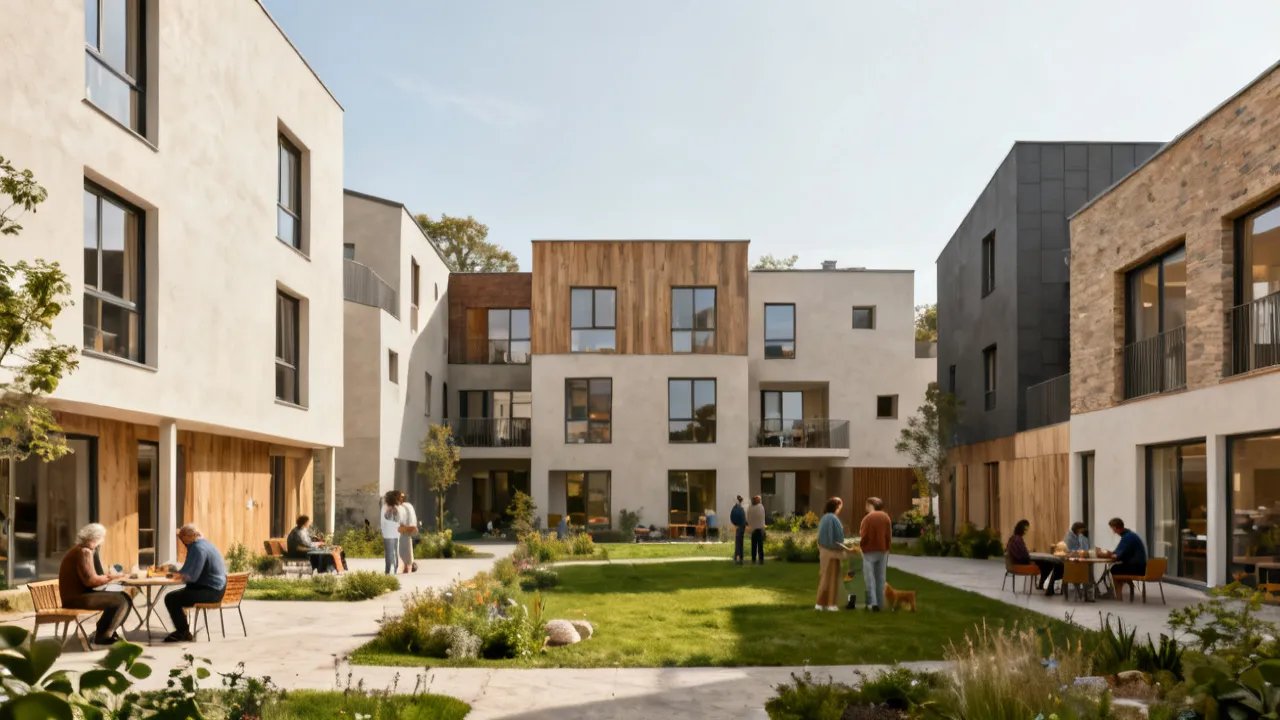
Cohousing is a distinctive living model that harmonizes private living spaces with communal areas to foster intentional communities. Emerging from the cultural ideas of Scandinavia in the 1960s, it emphasizes a collaborative lifestyle where residents actively participate in the design and management of their living environment. The concept has gained traction worldwide, providing an alternative to traditional real estate models by offering a socially-rich communal experience while maintaining personal living quarters.
As urbanization accelerates, the cohousing model presents a meaningful remedy to the isolation often felt in densely populated cities. Not only does it promote community and connection among residents, but it also addresses some broader issues faced by modern society, including rising housing costs, sustainability, and the need for social support networks. As such, cohousing has gained interest from various demographics, from young families seeking a nurturing environment for their children to seniors looking for engaging, supportive living arrangements.
Cohousing offers several advantages that attract people looking for a sustainable lifestyle. These benefits include reduced living expenses through shared resources, enhanced social connections, and a supportive environment that encourages neighborly cooperation. Cohousing communities often share gardens, kitchens, and recreational facilities, which not only cut costs but also minimize ecological footprints. This shared responsibility instills a strong sense of belonging and mutual respect among residents.
Financial benefits extend beyond shared amenities; many cohousing communities employ sustainable practices like community-wide bulk purchasing for energy or food, resulting in significant savings for individual households. Furthermore, reduced living expenses can lead to a decreased financial burden, allowing individuals to allocate their resources toward personal development, fulfilling creative pursuits, or even savings and investment opportunities.
Another advantage of living in a cohousing community is the rich tapestry of social interactions it facilitates. Residents often form deeper relationships than those typically found in conventional neighborhoods. Regular community gatherings, whether they are potluck dinners or organized activities for children, help build trust and support among residents. This social fabric is especially beneficial for single-parent households or individuals who might otherwise feel isolated, as neighbors often band together to offer help and mentorship to one another.
Successful cohousing communities are typically characterized by several core elements:
The significance of these core elements cannot be overstated; they not only define the aesthetic of a cohousing community but also play a crucial role in facilitating strong relationships among residents, building a culture of engagement, and creating a sense of shared responsibility for the collective well-being of all members.
While cohousing shares some similarities with other communal living arrangements, such as communes and cooperatives, it is distinct in its balance of private autonomy and communal participation. Unlike communes, where shared ownership and income pooling are common, cohousing residents maintain autonomy over their financial resources and homes. The cooperative management in cohousing is centered on consensus decision-making and equitable resource distribution, rather than mandatory collective ownership.
In many traditional communes, economic participation is often tied to shared income or communal property management, which could lead to complex interpersonal dynamics regarding monetary contributions and roles. Cohousing seeks to foster a culture of mutual support while respecting individual ownership and autonomy, allowing residents to engage with the community on their own terms.
Cohousing also contrasts with traditional apartment or condominium living, where community interaction can be minimal. In traditional developments, personal interactions may often rely on chance encounters in hallways or elevators. In cohousing, intentional design fosters voluntary social engagement, with scheduled communal meals and group activities designed to bring residents together organically. These aspects contribute to forming lasting bonds, a strong sense of community, and a network of social support that can prove invaluable in times of need.
Another key difference lies in the diversity typically found in cohousing communities. While some communal living arrangements may attract specific demographics, such as certain age groups or lifestyle choices, cohousing often includes a range of residents from various backgrounds, ages, and life stages. This diversity enriches the community experience, as residents can learn from each other’s experiences, perspectives, and skills, leading to a vibrant tapestry of knowledge and shared experiences.
Despite its benefits, cohousing faces certain challenges. The initial cost of establishing such communities can be high, requiring upfront investments in land and infrastructure. Financing cohousing projects often necessitates creativity, as traditional mortgage pathways may not readily apply. Potential residents might need to leverage community land trusts, non-profit financing, or private investors to cover initial building expenses.
Additionally, reaching a consensus in community decisions can be time-consuming and requires a commitment to negotiation and compromise. Cohousing encourages open communication and collaborative decision-making; however, ensuring that all voices are respected and considered can lead to lengthy discussions. Some residents may express frustration with decision-making processes, which can challenge community cohesion if not managed with clear guidelines and good communication practices.
Regulatory challenges and zoning laws in some regions may also pose obstacles to developing cohousing projects. Certain areas may have restrictive zoning regulations that inhibit the establishment of shared common spaces or nontraditional housing models. Advocacy and engagement with local government can help overcome these barriers, allowing cohousing to flourish as a viable housing model.
Another pertinent challenge often encountered is the need for ongoing engagement and commitment from residents. Cohousing communities often begin with a strong enthusiasm, but maintaining that momentum can be difficult over time. Routine and complacency can set in, leading to decreased participation in communal activities. Regular community check-ins, fun events that refresh excitement, and periodic reviews of community goals can help maintain resident enthusiasm and involvement.
Cohousing represents a compelling alternative to conventional housing models, promoting sustainability, social interaction, and cost savings. As urban areas continue to grow, and environmental concerns heighten, this modular approach to living offers a promising avenue for community-focused, ecological housing solutions. By fostering environments where resources are shared efficiently and social bonds are strengthened, cohousing might indeed be a powerful force in the evolution of future living spaces.
In evaluating the future trajectory of cohousing, it's essential to consider not just its design and social benefits, but its adaptable nature to various contexts and demographics. As housing crises persist in many metropolitan regions, cohousing may bridge the gap between individual needs and community support systems, fostering a renewed sense of trust and collaboration among residents.
Moreover, cohousing emphasizes the importance of a sustainable lifestyle, aligning with goals of environmental preservation and social equity. As awareness of climate change and sustainable living grows, more individuals and families are searching for housing that aligns with those values. Cohousing's inherent design fosters eco-friendly practices, furthering this appeal. As communities evolve to become more interconnected and supportive, the principles of cohousing resonate as a viable alternative to the isolation prevalent in modern lifestyles.
Ultimately, the continued growth of cohousing requires advocacy and education on behalf of interested individuals and organizations. By sharing successful case studies, practical resources, and ongoing discussions, the feasibility and attractiveness of cohousing can spread. Encouraging local government support for zoning reform and financial incentives can also bolster community development efforts. In this context, cohousing may become more than just a lifestyle choice; it could signify a broader cultural shift towards a more sustainable and interconnected future.
Striking the Perfect Balance: Navigating Premiums and Out-of-Pocket Expenses in Senior Insurance Plans

Explore the Tranquil Bliss of Idyllic Rural Retreats

How to Make Lasting Memories at Disneyland Attractions

Affordable Phones and Plans for Seniors

Affordable Full Mouth Dental Implants Near You

Unlock the Top Kept Secrets to Finding Your Ideal Dentist for Flawless Dental Implant Results!

Discovering Springdale Estates

The Guide to Car Trading

Affordable Cell Phones Without Plans


Creating Your Perfect Space: Comfort, Style, and Furnishings
Designing a home that encompasses comfort, style, and well-chosen furnishings enhances your living experience. Follow these expert tips to create your ideal sanctuary.

Affordable Recliner Chairs for Seniors: A Comprehensive Buying Guide
As we age, comfort and ergonomics become increasingly important. Here’s a guide to help seniors find the perfect, affordable recliner chair to meet their needs.

Discovering Terrace Apartments in Seattle
Terrace Apartments Seattle offers a unique living experience blending urban vitality with scenic views. Nestled amidst the vibrant cityscape of Seattle, these apartments reflect modernity and comfort tailored for diverse lifestyles. The article delves into the appeal of these apartments, their amenities, and the surrounding neighborhood, providing an insightful guide for potential residents and real estate enthusiasts.

Choosing the Right Refrigerator: Size and Energy Efficiency Tips
Finding the perfect refrigerator involves considering both size and energy efficiency to meet your needs and save on utility bills. Here’s a comprehensive guide:

Maximizing Your Home Value Through an Effective Appraisal
An accurate home value appraisal can substantially increase your property's marketability and selling price.

Maximizing Space and Style: A Guide to Folding Chairs, Design, and Functionality
When it comes to seating solutions, folding chairs are a versatile option that seamlessly blend design and functionality. Here's everything you need to know about making the very of these dynamic furniture pieces.
