This comprehensive guide delves into therapeutic strategies against HIV, exploring evolving treatments and their impact on virus suppression. HIV, or Human Immunodeficiency Virus, targets the immune system, weakening defenses against infections. Ongoing research focuses on innovative methods and technologies, striving for more effective and sustainable treatment options to improve patient outcomes.
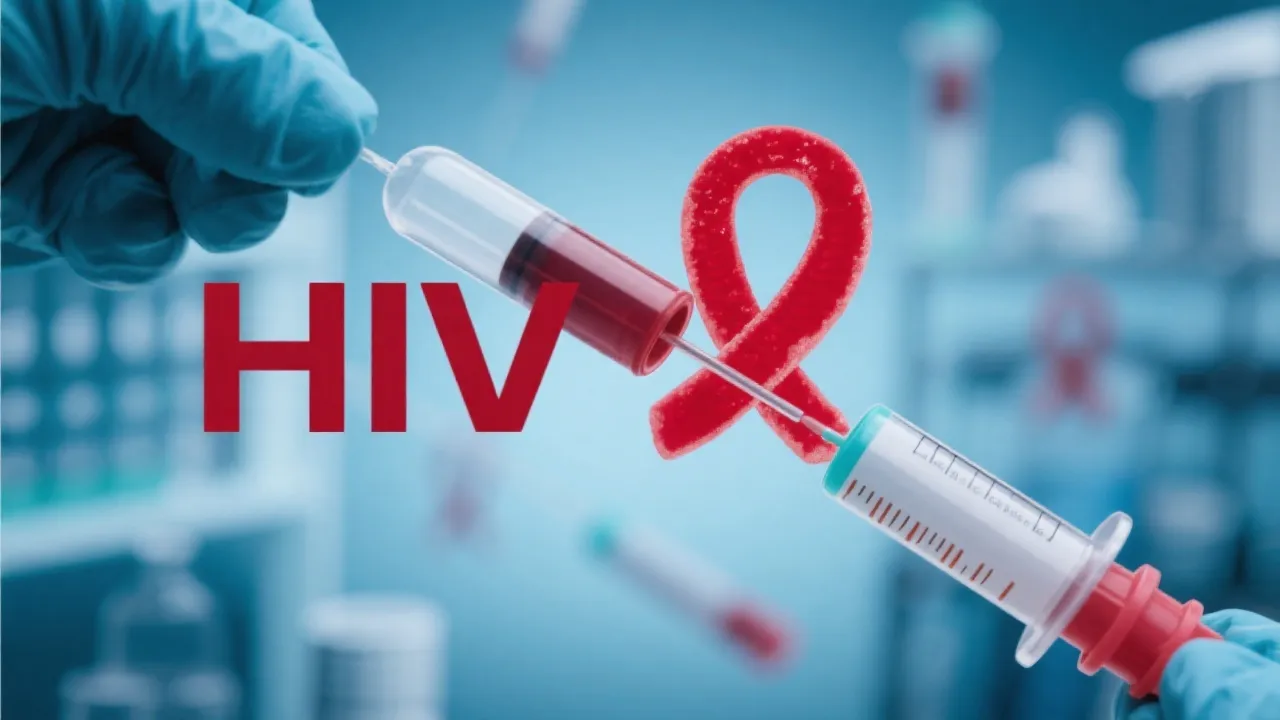
Human Immunodeficiency Virus (HIV) remains a global health challenge, affecting millions of individuals worldwide. It primarily attacks the immune system's CD4 cells, crucial players in fighting off infections, thereby compromising the body’s ability to defend itself against a spectrum of diseases. To understand HIV treatment advancements, it's essential first to explore the virus’s nature and its implications on human health. HIV is transmitted primarily through unprotected sexual intercourse, sharing contaminated needles, and from mother to child during pregnancy, childbirth, or breastfeeding. Understanding these routes of transmission is important in developing effective prevention strategies.
Globally, approximately 38 million people are living with HIV, with nearly 1.7 million new infections reported each year according to the latest figures from UNAIDS. Sub-Saharan Africa faces the heaviest burden, accounting for about two-thirds of all global HIV cases. Factors contributing to the spread of HIV include socio-economic conditions, stigma associated with the disease, and access to essential healthcare services. In regions where healthcare infrastructure is limited, the progression from HIV to AIDS remains a major public health crisis, emphasizing the need for concerted global health efforts.
Since its identification in the early 1980s, HIV has been a subject of extensive medical research. Initially, the prognosis for individuals diagnosed with HIV was grim, with limited treatment options available. Early therapeutic attempts focused on addressing the symptoms rather than the virus directly, leading to temporary results. However, the introduction of Antiretroviral Therapy (ART) revolutionized HIV treatment in the mid-1990s. This emerging therapy quickly changed the landscape for managing HIV and transformed the disease from a fatal diagnosis into a manageable chronic illness for many.
Public health initiatives that began in the early 2000s, including widespread testing and education campaigns, contributed to decreasing HIV transmission rates. The stigma associated with the virus, largely stemming from initial misconceptions, has also been diligently worked on through advocacy and community support programs, helping to improve testing and treatment uptake in various populations.
ART has become the cornerstone in managing HIV. It involves a combination of drugs that work together to suppress the virus, preventing it from replicating and leading to the progression of Acquired Immunodeficiency Syndrome (AIDS). The primary goal of ART is to achieve viral suppression, maintaining it at undetectable levels in the blood, thereby reducing transmission risks and improving the quality of life for those living with HIV. The advent of ART, particularly Highly Active Antiretroviral Therapy (HAART), has significantly increased life expectancy for individuals living with HIV.
Moreover, understanding the importance of adherence to ART is crucial, as missed doses can lead to drug resistance, rendering treatments ineffective. With the development of various regimens, healthcare providers can tailor ART to fit individual lifestyles and side effect profiles, enhancing patient adherence to treatment.
Despite the success of ART, the medical community continues to seek more effective and sustainable solutions. Recent advancements include:
The development of new therapeutic strategies comes with challenges. These include ensuring affordability, accessibility, and patient adherence, especially in resource-limited settings. Additionally, the complexity of HIV’s genetic variability remains a significant hurdle, necessitating continuous research and adaptation of treatment protocols. A crucial aspect of overcoming these challenges is the establishment of global partnerships that facilitate resource sharing and the implementation of best practices in HIV treatment.
Moreover, healthcare systems must address social determinants of health that contribute to HIV vulnerability. This includes combating stigma, increasing awareness, and improving access to healthcare services for at-risk populations. Tailored education campaigns can inspire behavioral changes and promote safer practices.
| Therapy Type | Description | Benefits |
|---|---|---|
| Long-Acting Injectable ART | Extended-release formulations administered monthly or bi-monthly. | Improves adherence and reduces stigma associated with daily pills. |
| Gene Editing | Technologies like CRISPR targeted at eradicating HIV from host genomes. | Potential for a functional cure by removing viral reservoirs. |
| Broadly Neutralizing Antibodies | Antibodies that neutralize diverse strains of HIV. | Offers protection against multiple HIV variants, extending treatment reach. |
Addressing HIV requires global cooperation and resource sharing. Organizations such as the World Health Organization (WHO) and UNAIDS continue to play critical roles in guiding international efforts to enhance access to treatment and preventive measures. Collaborative research initiatives and clinical trials are crucial in accelerating the development of innovative therapies.
Civil society organizations and advocacy groups are extolling the importance of including the voices of those living with HIV in policy discussions, recognizing their experiences and insights as crucial in shaping effective strategies. Grassroots movements have mobilized communities to advocate for their rights and demand equitable healthcare access. These collective efforts bolster not only awareness but also accountability among governments and healthcare providers.
Another significant concern in managing HIV is the prevalence of co-infections and comorbid conditions such as tuberculosis (TB), hepatitis C virus (HCV), and various opportunistic infections. HIV weakens the immune system, which can exacerbate the severity of these conditions and complicate treatment. According to WHO estimates, about one-third of HIV-positive individuals are co-infected with TB, making it one of the leading causes of death among people living with HIV.
Integrating the treatment of HIV with other health issues presents both challenges and opportunities. Enhanced collaboration between healthcare sectors can lead to more comprehensive care approaches, minimizing treatment interruptions and improving patient outcomes. For example, co-located services that allow for the simultaneous treatment of HIV and TB, along with general healthcare, can reduce barriers to accessing care.
Moreover, education is paramount to help patients understand their health status better. Healthcare providers must be trained to offer holistic care that includes psychosocial support, mental health screening, and management of chronic conditions associated with HIV, thereby improving health-related quality of life for these individuals.
The primary goal of ART is to suppress HIV to undetectable levels, thereby preventing disease progression and reducing transmission risk. Achieving an undetectable viral load is not only a crucial aspect of individual health but also a public health imperative.
Like all medications, new HIV therapies can have side effects, but they vary depending on the treatment type and individual response. It's crucial for healthcare providers to monitor and manage these effects to ensure patient well-being. Ongoing research is also focused on minimizing side effects and improving the tolerability of newer medications.
Accessibility varies across regions, with higher availability in resource-rich settings. Efforts are ongoing to improve access in lower-income areas through international partnerships and funding. The emergence of generic formulations and strategic pricing can help bridge the gap in accessibility.
The future aims to establish a functional cure, with research focusing on strategies like gene therapy and immune modulation to achieve good viral remission. Research also emphasizes the importance of preventative measures, such as vaccine development and PrEP (pre-exposure prophylaxis) to reduce transmission risks among high-risk populations.
Individuals can protect themselves from HIV infection by practicing safer sex, including the use of condoms, staying in monogamous relationships with tested partners, and using PrEP if they are at high risk of HIV exposure. Regular testing and communication with partners about HIV status are also important components of HIV prevention.
Mental health is a significant aspect of HIV management, as individuals living with HIV may face increased mental health challenges due to stigma, discrimination, and the chronic nature of the illness. Addressing mental health through counseling and support can improve adherence to treatment and overall quality of life.
The landscape of HIV treatment is evolving, driven by scientific innovation and collaborative efforts. While current therapies have significantly improved patient outcomes and brought new hope to individuals diagnosed with HIV, researchers continue to explore novel strategies that promise better efficacy, convenience, and accessibility. The journey to end the HIV epidemic is ongoing, demanding sustained commitment from both the global scientific community and healthcare policymakers. The convergence of personalized medicine, community engagement, and integrated healthcare approaches heralds a future where living with HIV is a manageable condition rather than a life-threatening disease.
As we move forward, continued advocacy for policy reforms, funding for research, and addressing health disparities are essential. It is vital to enhance education on prevention and treatment options, especially in areas disproportionately affected by HIV. Strengthening healthcare systems, from local to global levels, ensuring equitable access to care, and fostering a society that embraces individuals living with HIV can propel us toward the goal of ultimately eradicating new infections and ensuring a healthy future for all.
Striking the Perfect Balance: Navigating Premiums and Out-of-Pocket Expenses in Senior Insurance Plans

Explore the Tranquil Bliss of Idyllic Rural Retreats

How to Make Lasting Memories at Disneyland Attractions

Affordable Phones and Plans for Seniors

Affordable Full Mouth Dental Implants Near You

Unlock the Top Kept Secrets to Finding Your Ideal Dentist for Flawless Dental Implant Results!

Discovering Springdale Estates

The Guide to Car Trading

Affordable Cell Phones Without Plans

Striking the Perfect Balance: Navigating Premiums and Out-of-Pocket Expenses in Senior Insurance Plans
Finding an optimal mix of insurance premiums and direct medical costs is crucial for effective healthcare budgeting. This discussion will delve into tactics to achieve a balance that aligns with your finances.
Unlock the Top Kept Secrets to Finding Your Ideal Dentist for Flawless Dental Implant Results!
Selecting an adept dentist is critical for ensuring the efficacy and your satisfaction during a dental implant procedure. This in-depth guide is designed to assist you in finding a dental expert who meets your personal requirements, guaranteeing that your path to dental implant success is seamless and fruitful.

Protect Your Perfect Smile: Master the Art of Defending Your Teeth Against Acid Attacks
Though they may tantalize the palate and invigorate the senses, foods and drinks with high acid content are a double-edged sword with regard to oral wellness. Continual exposure to these substances progressively strips away the protective enamel from our teeth, which can lead to increased sensitivity, changes in coloration, and a variety of other dental complications. This composition offers insight into relishing these zesty favorites while safeguarding your teeth from damage.

Discovering Heartis Eagle Mountain
Heartis Eagle Mountain is a prominent senior living community that offers a range of services and amenities aimed at enhancing the quality of life for its residents. Situated in a peaceful setting, it combines exceptional care with engaging activities, providing a holistic environment that caters to seniors' physical, emotional, and social needs.

Unveiling the Top Dental Implant Options for Seniors: Transform Your Smile with the Ultimate Guide to Restored Radiance
The significance of oral health cannot be understated for the elderly population as they are commonly afflicted with tooth loss due to a multitude of factors, including decay and gum disease. Dental implants have risen to prominence as a prime method of teeth replacement, acclaimed for their long-lasting nature, functional prowess, and striking similarity to our own teeth. This discussion delves deeply into the realm of dental implants to demonstrate why they are considered the optimal choice for aged individuals aiming to enhance their smiles and overall life quality.

Boost Your Defenses: 20 Proven Strategies for a Stronger Immune System
Having a robust immune system is essential to protect our bodies from harmful microorganisms and preserve our general health. Although some elements that affect our immunity are out of our hands, many lifestyle decisions can help us enhance our immune defenses naturally. This piece delves into 20 practical methods to empower your immune system, increasing your capacity to ward off diseases and sicknesses.
