The Arthritis Rehabilitation and Education Program offers invaluable resources for managing arthritis, a condition affecting millions globally. Arthritis encompasses various disorders characterized by joint inflammation, leading to pain and stiffness. Effective rehabilitation programs deliver tools for symptom management and improve quality of life, emphasizing education, exercise, and lifestyle changes tailored to individual needs.

Arthritis, a leading cause of disability worldwide, affects individuals across different age groups, predominantly impacting joints, causing pain and limiting mobility. The Arthritis Rehabilitation and Education Program is specifically designed to equip patients with the knowledge and tools necessary to manage their condition effectively. This comprehensive approach integrates exercise, dietary advice, psychological support, and patient education. It addresses the complex nature of arthritis and aims to empower patients to live fulfilling lives despite the limitations their condition may impose.
Arthritis is not a single disease but a collective term used to describe over 100 different types of joint conditions. Each type of arthritis has unique causes, symptoms, and treatment variations. The most common forms include osteoarthritis, which results from wear and tear on the joints due to aging, obesity, or joint injuries, and rheumatoid arthritis, an autoimmune disease where the body’s immune system attacks the joints, leading to inflammation and damage. Other types of arthritis include psoriatic arthritis, gout, and juvenile idiopathic arthritis, which predominantly affects children.
Effective management of arthritis often requires a multifaceted approach. Medications such as nonsteroidal anti-inflammatory drugs (NSAIDs) and corticosteroids may help alleviate pain and inflammation, while disease-modifying antirheumatic drugs (DMARDs) are crucial in managing autoimmune forms of arthritis like rheumatoid arthritis. However, relying solely on medication can lead to unsatisfactory outcomes for many patients due to side effects and individual variations in response. Thus, rehabilitation strategies are vital in addressing all facets of the condition, from physical to emotional well-being.
The Arthritis Rehabilitation and Education Program typically consists of several critical components aimed at promoting overall health and facilitating optimal functioning:
Participation in an Arthritis Rehabilitation and Education Program offers numerous advantages, including but not limited to:
The success of an arthritis rehabilitation program is contingent upon several conditions that facilitate optimum patient outcomes:
| Condition | Implementation Strategy |
|---|---|
| Customized Treatment Plans | Programs should be tailored to each individual's specific needs and arthritis type. What works for one type of arthritis may not be effective for another, implying the need for personalized regimens. |
| Ongoing Monitoring | Regular assessments by healthcare professionals ensure progress and adjustments to the program as necessary. Keeping tabs on a patient’s response to rehabilitation helps identify effective strategies and eliminate those that are not beneficial. |
| Patient Engagement | Active participation by the patient is crucial for optimizing outcomes. Utilizing teach-back methods, where providers confirm that patients understand the information shared, fosters effective engagement. |
| Comprehensive Education | Continuous learning through workshops and informational resources keeps patients informed on the latest advancements in arthritis treatment and management. |
A critical aspect of the Arthritis Rehabilitation and Education Program is the recognition of the importance of building a supportive network. Patients are encouraged to involve family members and friends in the rehabilitation process. Having a support system can significantly impact the patient's motivation and compliance with rehabilitation protocols. Family members can assist with transport to therapy sessions, help in preparing healthy meals, and provide emotional support to cope with the challenges of living with arthritis.
Health professionals also play a pivotal role in forming a patient’s support network. Rheumatologists, physiotherapists, occupational therapists, and dieticians should collaborate to ensure a holistic approach to treatment. When healthcare providers work in harmony, patients receive comprehensive advice that addresses their physical and emotional needs in tandem.
Programs are typically designed for a broad spectrum of arthritis types, including osteoarthritis, rheumatoid arthritis, and juvenile arthritis. Tailoring the program to individual needs enhances effectiveness, addressing symptoms specific to each type.
While the duration can vary, many programs span several weeks to months, depending on severity and patient progress. Follow-up sessions may also be advisable to monitor long-term outcomes and reinforce learning.
Coverage varies widely across insurance providers. It's advisable to check with the insurance company beforehand to determine which services are covered, ensuring that financial constraints will not prevent participation.
A referral from a healthcare provider may be necessary depending on the specific facility and insurance requirements. Establishing an initial consultation with a rheumatologist can facilitate entry into structured programs.
Implementing an effective Arthritis Rehabilitation and Education Program is not without its challenges. One common barrier is the variability in disease experience among patients. For instance, some patients may have mild symptoms while others endure severe limitations, which can complicate the development of a one-size-fits-all rehabilitation plan. Patient motivation is another hurdle; not every diagnosed individual may be proactive in seeking out rehabilitation options, particularly if their symptoms are relatively mild or intermittent.
Additionally, geographical differences impact access to these programs. In rural or underserved areas, resources may be limited, making it challenging for patients to receive appropriate rehabilitation support. Online therapy sessions and virtual education workshops have emerged as alternatives, but they may not be accessible or preferred by all patients.
To address these challenges, practitioners must remain flexible and creative in their approach, adapting strategies to meet the unique needs of each individual while encouraging persistent engagement.
The Arthritis Rehabilitation and Education Program plays a vital role in offering structured support for individuals experiencing the debilitating effects of arthritis. Through education and tailored rehabilitation plans, patients not only manage symptoms more effectively but also embrace a proactive approach to their health, leading to a more enriched and active life. It is essential to recognize the individual journey of each patient and build programs that are adaptable, responsive, and holistic, ultimately enhancing the quality of care and improving long-term outcomes for those living with arthritis.
In addition to the components of the Arthritis Rehabilitation and Education Program, there are various strategies individuals can incorporate into their daily lives to further manage their arthritis symptoms:
Overall, combining different strategies in conjunction with a structured rehabilitation program will give patients the best chance of managing their condition effectively, leading them toward a healthier and more active lifestyle.
Striking the Perfect Balance: Navigating Premiums and Out-of-Pocket Expenses in Senior Insurance Plans

Explore the Tranquil Bliss of Idyllic Rural Retreats

How to Make Lasting Memories at Disneyland Attractions

Affordable Phones and Plans for Seniors

Affordable Full Mouth Dental Implants Near You
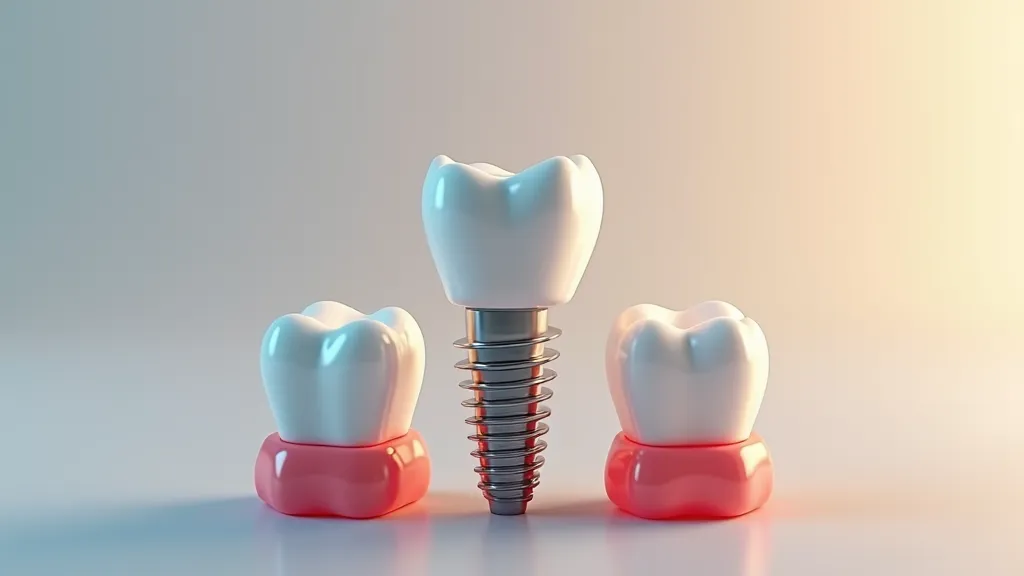
Unlock the Top Kept Secrets to Finding Your Ideal Dentist for Flawless Dental Implant Results!

Discovering Springdale Estates

The Guide to Car Trading

Affordable Cell Phones Without Plans

Striking the Perfect Balance: Navigating Premiums and Out-of-Pocket Expenses in Senior Insurance Plans
Finding an optimal mix of insurance premiums and direct medical costs is crucial for effective healthcare budgeting. This discussion will delve into tactics to achieve a balance that aligns with your finances.
Unlock the Top Kept Secrets to Finding Your Ideal Dentist for Flawless Dental Implant Results!
Selecting an adept dentist is critical for ensuring the efficacy and your satisfaction during a dental implant procedure. This in-depth guide is designed to assist you in finding a dental expert who meets your personal requirements, guaranteeing that your path to dental implant success is seamless and fruitful.

Protect Your Perfect Smile: Master the Art of Defending Your Teeth Against Acid Attacks
Though they may tantalize the palate and invigorate the senses, foods and drinks with high acid content are a double-edged sword with regard to oral wellness. Continual exposure to these substances progressively strips away the protective enamel from our teeth, which can lead to increased sensitivity, changes in coloration, and a variety of other dental complications. This composition offers insight into relishing these zesty favorites while safeguarding your teeth from damage.

Discovering Heartis Eagle Mountain
Heartis Eagle Mountain is a prominent senior living community that offers a range of services and amenities aimed at enhancing the quality of life for its residents. Situated in a peaceful setting, it combines exceptional care with engaging activities, providing a holistic environment that caters to seniors' physical, emotional, and social needs.

Unveiling the Top Dental Implant Options for Seniors: Transform Your Smile with the Ultimate Guide to Restored Radiance
The significance of oral health cannot be understated for the elderly population as they are commonly afflicted with tooth loss due to a multitude of factors, including decay and gum disease. Dental implants have risen to prominence as a prime method of teeth replacement, acclaimed for their long-lasting nature, functional prowess, and striking similarity to our own teeth. This discussion delves deeply into the realm of dental implants to demonstrate why they are considered the optimal choice for aged individuals aiming to enhance their smiles and overall life quality.

Boost Your Defenses: 20 Proven Strategies for a Stronger Immune System
Having a robust immune system is essential to protect our bodies from harmful microorganisms and preserve our general health. Although some elements that affect our immunity are out of our hands, many lifestyle decisions can help us enhance our immune defenses naturally. This piece delves into 20 practical methods to empower your immune system, increasing your capacity to ward off diseases and sicknesses.