This guide delves into Money Market Deposit Accounts (MMDAs), a financial product that combines aspects of checking and savings accounts, providing holder liquidity and interest earnings. The discussion highlights how MMDAs work, their benefits, potential drawbacks, and contrasts them with other banking products. Additionally, we present a comparison of major banks' offerings and their account bonuses, including step-by-step guidance to obtain these incentives.

Money Market Deposit Accounts (MMDAs) are unique financial instruments that sit between checking and savings accounts in terms of functionality. They offer consumers the dual advantage of earning interest on their deposits while maintaining the flexibility of accessing funds relatively easily. Interest rates on MMDAs are typically higher than those on standard savings accounts, making them an attractive option for those with significant liquid assets who are looking for a blend of growth and accessibility. MMDAs are often seen as a safe harbor for funds that need to remain liquid while still earning a competitive return, thus appealing to various demographics, from individuals saving for retirement to families looking to establish a financial safety net.
MMDAs are essentially high-yield savings accounts, often requiring higher minimum balances compared to traditional accounts. The functionality of these accounts typically allows users to write a limited number of checks each month, often around six, and may include ATM access and debit card functionality. This versatility makes MMDAs exceptional tools for managing personal finances, particularly for those who want the ability to withdraw funds without the more stringent limitations of a regular savings account. The interest rates on these accounts can be variable, influenced by prevailing economic conditions, monetary policy changes, and the competition among banks for depositors.
Interest compounding can occur monthly or quarterly depending on the bank’s policies, providing additional opportunities to grow savings. MMDAs may also include tiered interest rates, which means account holders can earn a higher interest rate as their balance grows. This feature is especially beneficial for individuals who can maintain higher account balances since the rewards for doing so include greater earnings potential. However, it is equally important to stay informed about any fees associated with maintaining an MMDA, as these can eat into the interest earned if account balances fall below stipulated minimums.
The primary advantage of an MMDA is the significantly higher interest rate compared to traditional savings accounts. Customers can accumulate interest while retaining easy access to their cash. This feature makes MMDAs lucrative for those looking to earn more from their savings while still preserving liquidity. Another benefit is the relative security provided by the Federal Deposit Insurance Corporation (FDIC), which insures deposits in MMDAs up to statutory limits, typically $250,000 per depositor, per insured bank, for each account ownership category. This insurance gives savers peace of mind, particularly in uncertain economic climates.
However, the structure of MMDAs comes with some drawbacks. For instance, they may require a higher minimum deposit amount than traditional savings accounts, and if the balance drops below a certain threshold, account holders might incur monthly maintenance fees. The limited number of transactions per month, usually around six, can also restrict financial planning for those who need immediate access to funds without incurring penalties. Therefore, it's essential to evaluate one’s financial habits and needs critically when considering an MMDA.
Several banks offer competitive bonuses and rates for opening new accounts, including checking options that may complement MMDAs. Below is a detailed table comparing various banks, their account types, bonus conditions, and potential bonus amounts:
| Bank | Account Type | Bonus Condition & Amount |
|---|---|---|
| Bank of America | Personal Checking Account | Deposit at least $2,000 in direct deposits within 90 days for a $200 bonus |
| Chase Bank | Total Checking Account | At least one direct deposit of any amount within 90 days for a $300 bonus |
| Citibank | Regular Checking Account | Complete two direct deposits totaling $6,000 or more within 90 days for a $450 bonus |
| Wells Fargo | Everyday Checking Account | Deposit a total of $1,000 in direct deposits within 90 days for a $300 bonus |
| SoFi Bank | Checking and Savings Account | Deposit $1,000 for a $50 bonus or $5,000 for a $300 bonus in direct deposits |
| Capital One Bank | 360 Checking Account | Use promo code REWARD250; make two $500+ direct deposits within 75 days for a $250 bonus |
These banks constantly compete to offer the best rates and promotions, making it essential for consumers to shop around. Remember that these offers may change over time, so it's wise to check the bank's current offerings directly on their websites or inquire with customer service to ensure you receive the latest information.
To maximize the benefits of opening a Money Market Deposit Account or any hybrid checking account that the banks offer, follow these essential steps:
1. Visit the official websites of the respective banks and look for the enrollment options for the desired checking accounts and their corresponding money market accounts.
2. Carefully read through the bonus requirements and ensure you have all necessary documentation, such as identification, social security number, and bank statements, as well as the adequate funds for initial deposits to meet the minimum balance requirement.
3. Follow the application process, providing accurate personal information and meeting deposit conditions as outlined by the bank. Some applications may allow for online submissions, while others may require you to visit a branch in person.
4. Maintain the account balance and comply with transaction limitations to qualify for the bonus within the specified timeframe, ensuring that you track your deposits to avoid missing out on earning your bonus rewards.
No, while they share a name, MMDAs are bank products insured by the FDIC, unlike money market mutual funds, which are investment products that involve a higher risk and are not insured by the FDIC. Money market mutual funds typically invest in short-term, high-quality investments issued by government and corporate entities, while MMDAs focus on safety and liquidity with a fixed interest component.
Yes, many banks offer ATM access or debit cards linked to MMDAs. However, it's important to check with the specific bank about their terms, as there could be differences in the number of checks or transactions allowed monthly. Many MMDAs allow for limited debit card transactions, meaning customers should understand the withdrawal limitations placed on their accounts.
The interest rate on MMDAs can be variable and may change based on market conditions, the central bank's interest rate decisions, and the bank's operational policies. Consumers should regularly monitor the rates offered by their bank and consider switching to another financial institution if significantly higher rates become available elsewhere.
Yes, MMDAs may come with various fees, such as maintenance fees if the account balance falls below the minimum required amount, transaction fees if the number of permitted withdrawals is exceeded, and other potential costs that could arise from inactivity. It is crucial for account holders to read the fine print and ensure they remain informed about their account to avoid unnecessary deductions from their earned interest.
For further details, consider accessing the official web pages of the banks listed:
To ensure you receive the most out of your Money Market Deposit Account, consider applying some strategic approaches:
Before opening an MMDA, create a comprehensive financial plan that includes your savings goals, expected expenses, and projected cash flow. Understanding your financial landscape will help you decide how much liquidity you need and how best to utilize an MMDA as part of a broader savings strategy.
Interest rates on MMDAs can fluctuate based on various economic conditions. It is wise to regularly check your bank's rates and compare them with competitors to determine if higher yields can be obtained elsewhere. Switching banks could provide opportunities for higher earnings if interest rates elsewhere become more favorable.
Awareness of your bank's minimum balance requirements is crucial. Try to keep your balance above the minimum threshold to avoid incurring monthly fees. Additionally, maintaining a higher balance can increase your interest rate tier, contributing to better earnings. Creating an auto-transfer to your MMDA from your checking account can help achieve this.
Set up automatic transfers to your MMDA to help enhance your savings without having to remember to make manual deposits. This consistency can accumulate wealth over time while providing interest income that can assist in reaching other financial goals.
Given that MMDAs often limit the number of withdrawals or transactions per month, diligently tracking your withdrawals is fundamental. Establish a log or use your bank’s app to monitor your transactions ensuring that you do not exceed the allowed limit. Exceeding these limits can lead to penalties or fees that might offset any interest earned.
While MMDAs are low-risk options for saving and earning interest, it’s essential to consider how these fit within a larger investment strategy. If an individual is preparing for retirement or other long-term financial goals, relying solely on MMDAs could be insufficient. It's crucial to evaluate other asset classes such as stocks, bonds, and mutual funds to create a diversified portfolio that can better weather economic changes.
The current economic climate should influence how much capital you decide to allocate toward your MMDA versus more aggressive investments. For instance, in a rising interest rate environment, holding cash in an MMDA might yield better returns than locking into long-term products such as CDs (Certificates of Deposit). Conversely, if the economic outlook is uncertain, keeping larger sums in MMDAs may provide the safety and liquidity needed to navigate potential financial challenges.
Understanding your financial timeline for different goals—such as buying a home, funding a college education, or retirement—can help shape how you utilize MMDAs. For short-term goals (within three to five years), keeping funds in a Money Market Deposit Account is typically advisable due to its liquidity and safety. For goals that pursue a longer horizon, considering equities, real estate, or other growth-oriented investments may be more beneficial, allowing your portfolio to take advantage of compound growth and mitigate inflation risks.
In the quest to achieve long-term financial health, incorporating MMDAs strategically can complement extensive savings and investment strategies. Regularly revisiting your financial goals and assessing whether your current financial instruments continue to meet those needs will support sustained financial wellness. Start by aligning your MMDAs within a comprehensive financial plan that also accounts for insurance, retirement savings, and emergency funds—all elements that contribute to robust financial well-being.
Just as markets and interest rates change, so too can your personal financial goals. Therefore, setting a schedule to review and reassess these goals—perhaps every six months or annually—ensures you’re on track to meeting your objectives. This routine will help highlight areas where adjustments may be necessary, including possibly reallocating funds between high-yield accounts and riskier investments—essential to fostering financial growth.
Money Market Deposit Accounts serve as versatile and practical solutions for individuals seeking to balance liquidity with higher interest earnings. Their unique attributes provide account holders with a range of benefits while promoting financial stability and growth. Understanding how to manage an MMDA effectively, considering your personal and financial preferences, can significantly enhance savings and ultimately contribute to achieving long-term financial aspirations. As you navigate the world of banking and savings, stay informed about your options, monitor your bank's policies, and continue your financial education to make intelligent choices for your economic future.
The above information is sourced from online resources as of October 2023 and is subject to change over time and by region. We advise readers to verify details on official bank websites or through customer service before proceeding with account openings. Some rewards may have regional restrictions or additional terms. Always conduct thorough research before making personal financial decisions to ensure suitability based on individual circumstances.
Striking the Perfect Balance: Navigating Premiums and Out-of-Pocket Expenses in Senior Insurance Plans

Explore the Tranquil Bliss of Idyllic Rural Retreats

How to Make Lasting Memories at Disneyland Attractions

Affordable Phones and Plans for Seniors

Affordable Full Mouth Dental Implants Near You

Unlock the Top Kept Secrets to Finding Your Ideal Dentist for Flawless Dental Implant Results!

Discovering Springdale Estates

The Guide to Car Trading

Affordable Cell Phones Without Plans


Leveraging High-Interest CDs for Optimized Investment Returns
Certificates of Deposit (CDs) are commonly viewed as conservative investment vehicles, offering fixed interest over a specified term with principal protection. Although they may not provide the most eye-catching returns compared to stocks or other volatile assets, CDs can indeed play a crucial role in a diversified portfolio aimed at achieving enhanced returns. Here are ways to utilize CD investment strategies to maximize your financial outcomes.

How to Take Advantage of Debt Consolidation Loans: Key Strategies
Taking advantage of debt consolidation loans requires careful planning and disciplined execution. Below are key strategies to ensure that a debt consolidation loan works effectively for you and helps you move towards a stronger financial position:
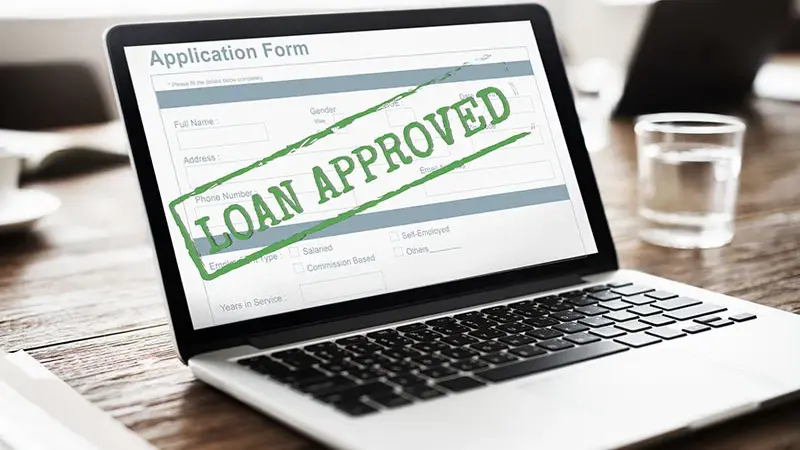
Maximizing Your Online Home Equity Loan Experience
Homeownership comes with a myriad of financial possibilities, one of which is the ability to tap into your property’s equity. A home equity loan can be a beneficial financial tool, allowing you to leverage the value of your home for various needs such as home improvements, debt consolidation, educational expenses, or other significant purchases. In recent years, securing a home equity loan online has become increasingly popular due to its convenience, speed, and potential cost savings. Here’s how you can maximize your online home equity loan experience:
Understanding Debt Consolidation Loans: Weighing Advantages and Disadvantages
In an economy that often relies on credit, many individuals find themselves managing multiple debts. From credit card balances and car loans to student debt and personal loans, keeping track of various obligations can become overwhelming. Debt consolidation loans emerge as a solution for some, simplifying their financial landscape by combining multiple liabilities into a single loan. This consolidation extends beyond mere convenience; it can wield substantial impacts on one’s financial health. Here, we embark on an exploration of the pros and cons associated with debt consolidation loans, enabling individuals to make informed decisions based on their unique circumstances.
Maximize Property Value: Online Home Equity Loan Tips
Unlocking the financial potential of your home is a savvy move. A home equity loan could fund those enhancements to make your property shine.

Smart Credit Card Application Tips for Financial Success
Applying for a credit card can be a pivotal decision in one’s financial journey. A credit card can be a powerful tool that provides convenience, rewards, and opportunities for building a good credit score. However, without careful consideration, it can also lead to debt accumulation and financial strain. This article offers practical tips for navigating the credit card application process successfully.
