This article delves into the complexities of electronic payment processing, a critical component in modern finance that facilitates quick and secure transactions. Electronic payment processing involves using digital networks to conduct financial transactions, ensuring efficiency and security. These systems support various payment methods, enhancing the convenience of bank accounts online.
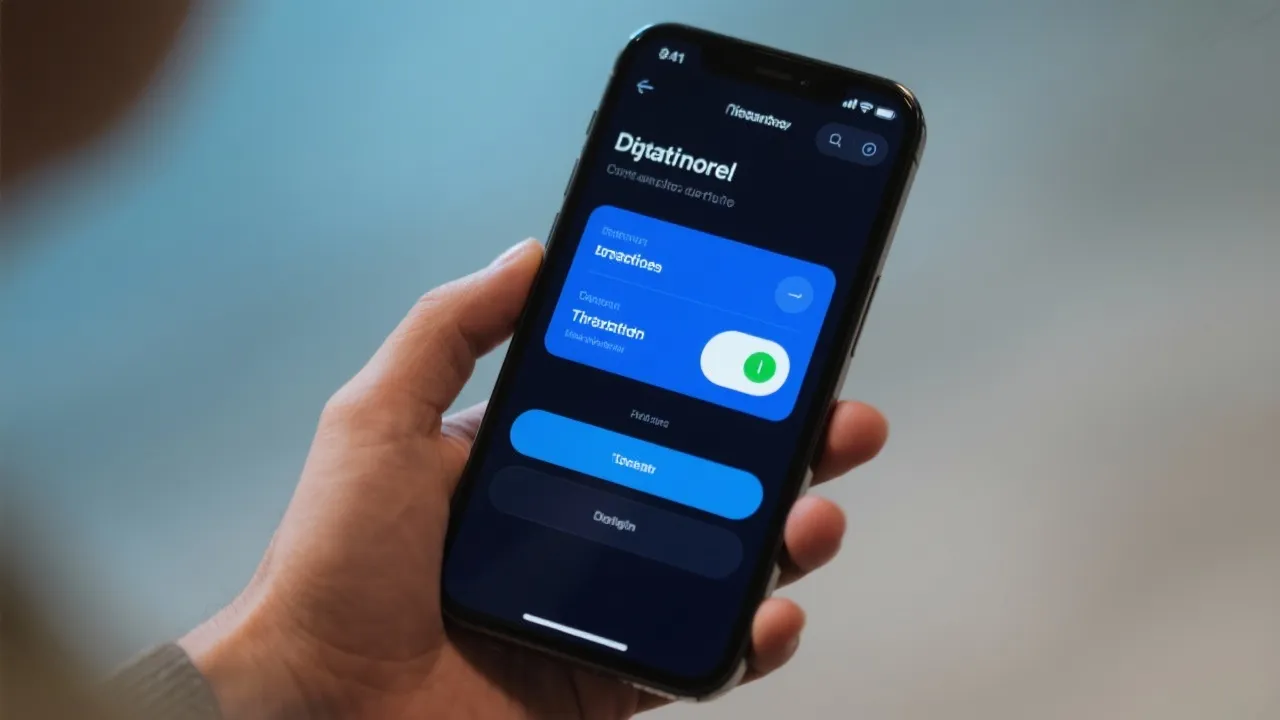
Electronic payment processing plays a pivotal role in today's financial ecosystem, enabling individuals and businesses to perform transactions swiftly and securely. This system allows for the seamless transfer of funds between buyers and sellers using digital means. In an era where time is money, today's consumers demand fast, convenient payment methods, making electronic processing indispensable for businesses. The evolution of technology has been a transformative force in this sector, leading to innovations that not only streamline processes but also enhance user experiences. The advent of smartphones and widespread internet access has further laid the groundwork for an explosion in electronic payment utilization.
At its core, electronic payment processing facilitates the transfer of funds from a customer's bank account to a merchant's account. The process begins with the customer's payment details being securely transmitted to the payment processor, which authenticates the transaction through various means such as encryption and fraud detection algorithms. This critical step ensures that sensitive information is protected, creating a barrier against potential threats. Subsequently, the processor requests fund transfer approval from the customer's bank. This interaction is typically handled through a secure Automated Clearing House (ACH) or a payment network such as Visa or MasterCard, ensuring that the method is both reliable and swift. Upon authorization, the transaction is completed, and funds are moved accordingly, often within seconds, which is a stark contrast to traditional methods that could take several days.
There are numerous advantages to adopting electronic payment systems, including enhanced transaction speeds, improved security measures, and increased convenience for both merchants and consumers. Advanced encryption protocols ensure secure data handling, minimizing fraud risk significantly. Furthermore, electronic processing supports a variety of payment methods, accommodating broader consumer preferences. This flexibility is particularly important in today’s global marketplace, where customers may wish to use credit cards, mobile wallets, or even cryptocurrencies. Merely having an online payment option can decrease cart abandonment rates significantly, as consumers are more likely to complete their purchase when they find a payment method they trust and prefer. Additionally, businesses can benefit from improved cash flow management since digital transactions typically clear faster than traditional checks.
While electronic payment processing offers myriad benefits, it also presents several challenges. One of the key challenges businesses face is ensuring they utilize up-to-date security technologies to protect against cyber threats such as data breaches and identity theft. The stakes are particularly high for industries that handle sensitive financial information, where a single vulnerability could lead to catastrophic financial losses. Furthermore, transaction fees associated with processing can impact profit margins, especially for small businesses. These fees can vary based on the payment processor and type of transaction, compelling merchants to weigh their options carefully. As such, selecting a cost-effective payment processing solution becomes crucial for financial sustainability. Additionally, businesses need to consider the regulatory and compliance landscape that governs electronic transactions, ensuring that they adhere to standards like the Payment Card Industry Data Security Standard (PCI DSS).
The evolution of electronic payment processing is closely aligned with the growth of online banking. Consumers now have the flexibility to manage their finances online, from checking account balances to executing electronic transfers, thanks to the accessibility of electronic payment systems. This shift has not only empowered consumers but also forced banks to innovate continually. The table below highlights important bank account options that align with electronic payment integration, each offering specific benefits and conditions for opening an account:
| Bank | Account Type | Bonus Requirements | Bonus Amount |
|---|---|---|---|
| Bank of America | Personal Checking | Deposit $2,000 in direct deposits within 90 days | $200 |
| Chase Bank | Total Checking | Perform at least one direct deposit within 90 days | $300 |
| Citibank | Regular Checking | Make two direct deposits totaling $6,000 within 90 days | $450 |
| Wells Fargo | Everyday Checking | Deposit $1,000 in direct deposits within 90 days | $300 |
| SoFi Bank | Checking & Savings | Deposit $1,000 for a $50 bonus or $5,000 for a $300 bonus in direct deposits | $50-$300 |
| Capital One Bank | 360 Checking | Use promo code REWARD250; make two $500+ direct deposits within 75 days | $250 |
source: Bank of America, Chase Bank, Citibank, Wells Fargo, SoFi Bank, Capital One Bank
To maximize rewards from bank accounts online, customers should carefully follow each bank's bonus requirements. Typically, these involve making qualifying direct deposits within designated periods. By aligning their financial activities with these criteria, consumers can take advantage of incentives offered by financial institutions. It is also beneficial for customers to frequently review their account benefits as banks often update their promotional offerings to attract new customers or retain existing ones. For someone looking to open a bank account, understanding the fine print of bonus requirements is crucial, as failure to meet these criteria can lead to unutilized rewards, leaving money on the table.
As technological advancements continue to reshape the financial landscape, electronic payment processing will undoubtedly evolve. Innovations such as blockchain technology and mobile payment solutions are expected to enhance efficiency, security, and speed even further. Cryptocurrencies, for instance, offer the potential for instantaneous transactions without the need for traditional banking intermediaries, although they present their own set of regulatory challenges. Businesses must stay abreast of these changes to remain competitive. Additionally, the rise of artificial intelligence and machine learning in fraud detection promises to bolster security, adapting in real time to emerging threats. As consumer preferences shift, driven by tradition-breaking technological advancements, industries will need to pivot quickly and efficiently to stay relevant in the electronic payment landscape.
What is electronic payment processing? Electronic payment processing is the method by which financial transactions are conducted electronically, allowing for safe and quick fund transfers. It encompasses a range of technologies and mechanisms that facilitate payments between consumers and businesses through various electronic platforms.
What are the main benefits? Key benefits include increased transaction speed, heightened convenience for both merchants and consumers, and robust security measures to protect personal and financial information during transactions. Additionally, businesses often experience improved cash flow and reduced administrative tasks associated with manual payment processing.
Are there any risks? While electronic transactions are generally secure, they cannot be completely devoid of risks, particularly cybersecurity threats such as identity theft and data breaches. These threats necessitate the implementation of comprehensive security measures, regular software updates, and investment in cyber insurance for further protection.
How does electronic payment processing affect small businesses? For small businesses, electronic payment processing can significantly lower barriers to entry for customer transactions. With lower costs associated with cash handling and more efficient transaction processing, small businesses can compete effectively with larger enterprises. However, it's crucial that these businesses choose the right payment processor to ensure favorable fees and continued access to customer data for marketing purposes.
What is the impact of mobile payments on electronic processing? Mobile payments have revolutionized the electronic payment landscape by allowing consumers to make transactions directly from their smartphones. This shift enhances convenience and fosters greater consumer engagement, as mobile payment platforms often integrate loyalty programs and personalized offers, creating a more dynamic shopping experience.
The information presented above originates from online sources, with data current as of October 2023. It may change over time and by region. Readers are encouraged to visit official bank websites or contact customer support for the latest details prior to opening any accounts. Furthermore, specific rewards might only be available in certain areas or could have additional restrictions. Always read the terms and conditions carefully before applying for new financial products, ensuring that you fully understand the service offerings.
For detailed criteria on account bonuses, please visit the respective banks' websites: Bank of America, Chase Bank, Citibank, Wells Fargo, SoFi Bank, Capital One Bank. Additionally, investing time in financial literacy can provide consumers with the knowledge they need to navigate the complexities of banking and electronic payments effectively.
In recent years, technological advances have transformed the landscape of electronic payment processing. The introduction of Near Field Communication (NFC) technology, for example, has allowed consumers to make contactless payments simply by tapping their smartphones against a point-of-sale terminal. This method has gained popularity due to its convenience and speed, particularly in environments like retail or dining where efficiency is crucial. As consumers have begun to adopt NFC-enabled devices, merchants too have started investing in compatible equipment, further solidifying the trend toward contactless payments.
E-wallets have emerged as a significant component in the electronic payment ecosystem, offering users the convenience of storing their payment information securely in one place. Platforms such as PayPal, Venmo, and Apple Pay have not only simplified the transaction process but have also enhanced security, reducing the risk of unauthorized use of card information. With e-wallets, consumers can link multiple payment methods, allowing flexibility depending on their preferences at any given time. Moreover, loyalty programs and promotional discounts integrated within e-wallet applications further encourage consumers to adopt these payment methods. This integration allows businesses to collect valuable customer data, enabling them to tailor their marketing strategies effectively.
As electronic payments continue to grow, customer education becomes increasingly vital. Understanding the risks associated with electronic transactions, such as phishing scams and data breaches, is essential in safeguarding personal information. Financial institutions and platforms must invest in customer awareness campaigns that provide users with the knowledge they need to navigate their online payment options safely. Education can also cover how to recognize secure websites, set strong passwords, and utilize two-factor authentication for enhanced security. By empowering consumers with information, banks can foster trust in electronic payment systems and encourage wider adoption.
In a proactive approach to combat fraud, many payment processors are leveraging artificial intelligence (AI) to improve fraud detection and prevention strategies. Machine learning algorithms have the ability to analyze vast amounts of transaction data in real-time to identify anomalous patterns that might indicate fraudulent activities. This capability allows for swift action when suspicious transactions are detected, minimizing potential losses. Additionally, AI can continuously learn from new transaction data, improving its detection accuracy over time, making it an invaluable tool for businesses seeking to protect their assets and maintain customer trust.
The landscape of electronic payment processing is also shaped significantly by regulations aimed at protecting consumers. Legislation such as the Electronic Funds Transfer Act (EFTA) in the United States requires that electronic payment systems offer a certain level of consumer protection, ensuring that users are informed of their rights regarding unauthorized transactions. Compliance with these regulations not only helps protect consumers but is also essential for payment processors to operate legally and maintain credibility in the marketplace. As technology evolves, regulators are continuously adapting existing laws and creating new ones to address emerging challenges posed by digital transactions, such as cryptocurrencies and international payment solutions.
As electronic payment processing continues to grow and evolve, businesses must also consider long-term sustainability and ethical practices. This includes not only the environmental impact of maintaining digital infrastructures but also the social implications of financial technologies. For instance, ensuring that electronic payment solutions are accessible to underserved populations is imperative in fostering inclusive financial ecosystems. Businesses should consider aligning their operations with sustainable practices, including reducing electronic waste and supporting initiatives aimed at increasing access to digital financial services for marginalized communities.
Electronic payment processing has fundamentally transformed the way individuals and businesses engage in financial transactions. As technology continues to advance, the infrastructure supporting these payments will also evolve, offering improved security, convenience, and efficiency. Despite the inherent risks, the benefits of electronic payment systems have made them an indispensable feature of modern commerce. By understanding the dynamics of electronic payments, their challenges, and the regulatory landscape, consumers and businesses alike can prepare for a future where digital transactions are central to everyday life. As we move forward, a focus on ethical practices and customer education will help ensure that electronic payment processing serves as a tool for financial empowerment and growth.
Striking the Perfect Balance: Navigating Premiums and Out-of-Pocket Expenses in Senior Insurance Plans

Explore the Tranquil Bliss of Idyllic Rural Retreats

How to Make Lasting Memories at Disneyland Attractions

Affordable Phones and Plans for Seniors

Affordable Full Mouth Dental Implants Near You

Unlock the Top Kept Secrets to Finding Your Ideal Dentist for Flawless Dental Implant Results!

Discovering Springdale Estates

The Guide to Car Trading

Affordable Cell Phones Without Plans


Leveraging High-Interest CDs for Optimized Investment Returns
Certificates of Deposit (CDs) are commonly viewed as conservative investment vehicles, offering fixed interest over a specified term with principal protection. Although they may not provide the most eye-catching returns compared to stocks or other volatile assets, CDs can indeed play a crucial role in a diversified portfolio aimed at achieving enhanced returns. Here are ways to utilize CD investment strategies to maximize your financial outcomes.
How to Take Advantage of Debt Consolidation Loans: Key Strategies
Taking advantage of debt consolidation loans requires careful planning and disciplined execution. Below are key strategies to ensure that a debt consolidation loan works effectively for you and helps you move towards a stronger financial position:
Maximizing Your Online Home Equity Loan Experience
Homeownership comes with a myriad of financial possibilities, one of which is the ability to tap into your property’s equity. A home equity loan can be a beneficial financial tool, allowing you to leverage the value of your home for various needs such as home improvements, debt consolidation, educational expenses, or other significant purchases. In recent years, securing a home equity loan online has become increasingly popular due to its convenience, speed, and potential cost savings. Here’s how you can maximize your online home equity loan experience:
Understanding Debt Consolidation Loans: Weighing Advantages and Disadvantages
In an economy that often relies on credit, many individuals find themselves managing multiple debts. From credit card balances and car loans to student debt and personal loans, keeping track of various obligations can become overwhelming. Debt consolidation loans emerge as a solution for some, simplifying their financial landscape by combining multiple liabilities into a single loan. This consolidation extends beyond mere convenience; it can wield substantial impacts on one’s financial health. Here, we embark on an exploration of the pros and cons associated with debt consolidation loans, enabling individuals to make informed decisions based on their unique circumstances.
Maximize Property Value: Online Home Equity Loan Tips
Unlocking the financial potential of your home is a savvy move. A home equity loan could fund those enhancements to make your property shine.
Smart Credit Card Application Tips for Financial Success
Applying for a credit card can be a pivotal decision in one’s financial journey. A credit card can be a powerful tool that provides convenience, rewards, and opportunities for building a good credit score. However, without careful consideration, it can also lead to debt accumulation and financial strain. This article offers practical tips for navigating the credit card application process successfully.
