This guide examines how individuals can open a bank account online with no money. Today's digital era allows easy access to online banking services with various options provided by major banks in the United States. Whether you're looking to start with little or no initial deposit, understanding the process and eligibility criteria is key to successful account creation and maintenance.
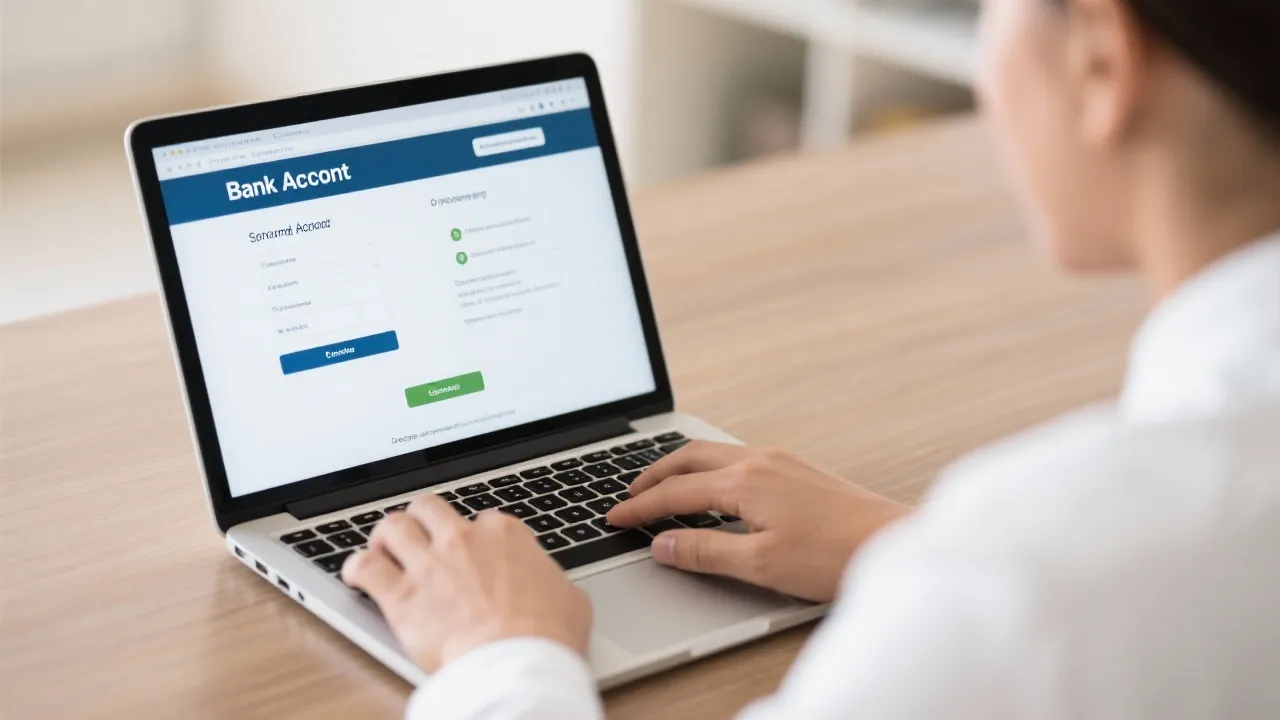
As the digitization of financial services continues to accelerate, opening a bank account online has become an increasingly attractive option for many. With convenience and accessibility at the forefront, individuals can now bypass traditional bank branches entirely, opting to initiate their financial journey with major institutions directly over the internet. The landscape of banking has undergone a transformative shift, allowing individuals to manage their finances seamlessly from the comfort of their homes. This article will provide a detailed look into how to open a bank account online with no money, through comprehensive insight into your options and the key considerations involved.
Several leading banks in the United States offer the ability to open an online bank account without requiring an upfront deposit. This is particularly advantageous for those who may not have immediate funds available but wish to establish their financial presence. These accounts come with varied benefits and requirements such as opportunities to earn bonuses by meeting specific direct deposit criteria. Below, we explore these options, offering a comparative look at eligible accounts from notable banks.
| Bank | Account Type | Bonus Condition | Bonus Amount |
|---|---|---|---|
| Bank of America | Personal Checking | Deposit at least $2,000 in direct deposits within 90 days | $200 |
| Chase Bank | Total Checking | Make at least one direct deposit of any amount within 90 days | $300 |
| Citibank | Regular Checking | Complete two direct deposits totaling $6,000 or more within 90 days | $450 |
| Wells Fargo | Everyday Checking | Deposit a total of $1,000 in direct deposits within 90 days | $300 |
| SoFi Bank | Checking and Savings | Deposit $1,000 for $50 bonus or $5,000 for $300 bonus in direct deposits | $50-$300 |
| Capital One Bank | 360 Checking | Use promo code REWARD250; make two $500+ direct deposits within 75 days | $250 |
Source: This information is compiled from the official websites of each mentioned bank, where full details and terms of participation are available.
For individuals aiming to utilize the bonus offers available when opening an online bank account, it’s crucial to understand the application process and associated requirements:
Before diving into the specifics of securing a bank account online, it's important to understand the various types of accounts available. Here’s a closer look at the primary types of online accounts you can consider:
Checking accounts are designed for everyday transactions, such as depositing your paycheck, paying bills, and making purchases. They generally come with a debit card and check-writing capabilities. Many checking accounts today also offer mobile banking features, allowing users to manage their accounts through apps, which enhances convenience.
Savings accounts are intended for holding money that you do not need immediate access to, while also earning interest. They typically offer higher interest rates compared to checking accounts, though they may have restrictions on the number of withdrawals per month. Online savings accounts are usually more geared towards helping individuals save for long-term goals such as vacations or emergency funds.
Money market accounts combine features of checking and savings accounts. They typically require a higher minimum balance but offer higher interest rates and limited checking capabilities. These accounts allow for check writing and debit card use, making them flexible for customers who want to maintain liquidity while earning interest.
CDs are time-based deposit accounts where you commit to leaving your money untouched for a specified term, ranging from a few months to several years. In return, you receive a higher interest rate than you would with a traditional savings account. However, withdrawing funds before the maturity date typically incurs a penalty, making CDs suitable for individuals who can afford to set aside their funds for a fixed period.
When exploring online banking options, you will come across online-only banks as well as traditional banks with online offerings. Online-only banks typically do not have physical branches, which means they can offer lower fees and higher interest rates due to the reduced overhead costs. In contrast, traditional banks may provide a wider range of services, including personal interaction with bank staff, but they may charge higher fees as a result.
Choosing the right online bank account involves considering several important factors. Here are some aspects to keep in mind:
Many accounts come with monthly maintenance fees or transaction fees that can eat into your savings or reduce your balance. Look for accounts that offer fee waivers if certain conditions are met, such as maintaining a minimum balance or setting up direct deposits. Understanding the fee structure will help you make an informed decision and select the most cost-effective option for your needs.
Interest rates can vary significantly from one institution to another. If you're looking for a savings account, aim to choose one that offers a competitive interest rate to maximize your earnings. For checking accounts, focus less on interest rates, as they tend to be low, and instead evaluate other benefits like rewards programs or cashback offers.
As you navigate your options, consider the ease of access to your funds and account management. Look for banks that offer user-friendly mobile banking platforms, online bill payment features, ATM access, and real-time transaction notifications. A robust mobile app can make managing your finances on the go much simpler.
The quality of customer service can significantly affect your banking experience. Research customer support options like chat, email, or phone service availability and operating hours. Read reviews to gauge how effectively a bank handles customer inquiries and complaints. Excellent customer service can make a difference if you face any issues with your account.
With cyber threats increasing, it's essential to prioritize security when selecting a bank account. Look for banks that utilize encryption technology, two-factor authentication, and other security measures to protect your information. Familiarize yourself with the bank's policies regarding fraud protection and identity theft to ensure you’ll be adequately supported if an issue arises.
Now that you've considered the types of accounts and what to look for, it's time to dive into the detailed steps for opening an online bank account:
Take the time to evaluate different banks and their offerings. You can start by researching online to compare various banks' features, fees, and bonuses. Consult customer reviews and financial comparison websites to gather information about user experiences. Identifying which bank aligns best with your financial objectives is crucial for a successful banking relationship.
Head over to the selected bank’s website and navigate to the section for opening an account. Fill out the online application form with the required personal information, which often includes details like your full name, Social Security Number, date of birth, mailing address, and identification. Be prepared to provide supporting documents if necessary, such as a government-issued ID, proof of address, or tax identification information.
While the focus is on accounts that do not require an initial deposit, it's important to follow the bank's instructions. Transfers from an existing account, utilizing a debit card, or using other methods such as wire transfer are common options. Ensure that you fulfill any criteria necessary for maintaining below the default balances to avoid future fees.
After your account is set up, you will typically have the option to customize features such as electronic statements, notifications, and budgeting tools. Take advantage of these options to optimize your account management. Setting up online banking services will streamline your ability to monitor your transactions and track your finances effectively.
Once your account is live, you will want to activate any associated cards and check writing abilities, if applicable. Familiarize yourself with your account features and functionality. Regularly monitor your account through online banking to keep track of deposits, expenses, and interest accrual. Setting up alerts for transactions can help enhance your security and keep you informed.
Having secured an online bank account, the journey doesn't end at opening the account and collecting the bonus. Instead, consider these strategies to maximize benefits:
Many banks offer budgeting tools that can help you track your spending, make sure you're on target with your financial goals, and identify areas where you can save. Leverage these resources for better money management, and if your bank doesn’t offer these tools, consider using third-party budgeting applications that can integrate with your account.
Consider setting up automatic transfers to your savings account or investment accounts to ensure you're consistently saving money. This practice promotes disciplined saving habits and helps you build financial security over time. Establishing an emergency fund through these automatic transfers can contribute to reducing financial stress in case of unexpected costs.
Account features may change, and banks occasionally introduce new offerings or incentives. It’s beneficial to stay updated on your bank's services, as you may find new tools that can enhance your banking experience or offer additional ways to earn interest or cashback on purchases.
Many banks offer ongoing promotions or loyalty programs for account holders. Engage with the bank’s promotional offerings to maximize bonuses or benefits associated with your accounts. This can include offers for referrals, cash back on transactions, and so forth. Taking advantage of such offers can significantly enhance the value of your banking experience.
While the process of opening an online bank account can be straightforward, it’s important to sidestep several potential pitfalls:
Carefully review the fee structure of your new account before proceeding. Failing to understand the implications of monthly account maintenance fees or charges for certain transactions can lead to unexpected financial burdens. As your account evolves, reevaluating your financial habits can uncover opportunities to minimize or eliminate fees altogether.
Ensure that you understand and meet the bonus conditions laid out by the bank. It’s all too easy to overlook critical details that could prevent you from receiving the bonuses, negating the benefits of opening an account in the first place. Keep accurate records and monitor progress toward meeting these conditions, especially around critical dates.
As with all online transactions, prioritize your cybersecurity practices. Using strong passwords, changing them regularly, and avoiding public Wi-Fi for significant transactions can reduce your risk of falling victim to fraud. Familiarize yourself with your bank’s fraud detection policies and ensure you utilize their security features.
In conclusion, opening a bank account online with no initial deposit is a feasible option, particularly when one considers the wealth of opportunities offered by leading financial institutions. By understanding and leveraging bonus conditions, consumers can not only secure an account but also gain valuable financial rewards. Choosing the right account involves researching available options, ensuring an understanding of fees and benefits, and taking proactive steps to secure and maximize account features. However, it is imperative to remain informed and vigilant in managing your new bank account.
Disclaimer: The information provided is based on online resources as of October 2023. Details might vary by time and region, so it is recommended to verify the current offers on the banks’ official websites or through customer service. Some offers might be region-specific or include restrictions not covered here.
For further details, visit:
Striking the Perfect Balance: Navigating Premiums and Out-of-Pocket Expenses in Senior Insurance Plans

Explore the Tranquil Bliss of Idyllic Rural Retreats

How to Make Lasting Memories at Disneyland Attractions

Affordable Phones and Plans for Seniors

Affordable Full Mouth Dental Implants Near You

Unlock the Top Kept Secrets to Finding Your Ideal Dentist for Flawless Dental Implant Results!

Discovering Springdale Estates

The Guide to Car Trading

Affordable Cell Phones Without Plans


Leveraging High-Interest CDs for Optimized Investment Returns
Certificates of Deposit (CDs) are commonly viewed as conservative investment vehicles, offering fixed interest over a specified term with principal protection. Although they may not provide the most eye-catching returns compared to stocks or other volatile assets, CDs can indeed play a crucial role in a diversified portfolio aimed at achieving enhanced returns. Here are ways to utilize CD investment strategies to maximize your financial outcomes.

How to Take Advantage of Debt Consolidation Loans: Key Strategies
Taking advantage of debt consolidation loans requires careful planning and disciplined execution. Below are key strategies to ensure that a debt consolidation loan works effectively for you and helps you move towards a stronger financial position:
Maximizing Your Online Home Equity Loan Experience
Homeownership comes with a myriad of financial possibilities, one of which is the ability to tap into your property’s equity. A home equity loan can be a beneficial financial tool, allowing you to leverage the value of your home for various needs such as home improvements, debt consolidation, educational expenses, or other significant purchases. In recent years, securing a home equity loan online has become increasingly popular due to its convenience, speed, and potential cost savings. Here’s how you can maximize your online home equity loan experience:
Understanding Debt Consolidation Loans: Weighing Advantages and Disadvantages
In an economy that often relies on credit, many individuals find themselves managing multiple debts. From credit card balances and car loans to student debt and personal loans, keeping track of various obligations can become overwhelming. Debt consolidation loans emerge as a solution for some, simplifying their financial landscape by combining multiple liabilities into a single loan. This consolidation extends beyond mere convenience; it can wield substantial impacts on one’s financial health. Here, we embark on an exploration of the pros and cons associated with debt consolidation loans, enabling individuals to make informed decisions based on their unique circumstances.
Maximize Property Value: Online Home Equity Loan Tips
Unlocking the financial potential of your home is a savvy move. A home equity loan could fund those enhancements to make your property shine.
Smart Credit Card Application Tips for Financial Success
Applying for a credit card can be a pivotal decision in one’s financial journey. A credit card can be a powerful tool that provides convenience, rewards, and opportunities for building a good credit score. However, without careful consideration, it can also lead to debt accumulation and financial strain. This article offers practical tips for navigating the credit card application process successfully.