This guide focuses on plain trolleys, an essential transportation tool within various industries. Known for their simplicity and efficiency, plain trolleys contribute significantly to operational productivity. These devices, varying in size and design, are favored for their cost-effectiveness and easy maneuverability. This analysis delves into their functions, types, and the benefits they offer to ensure efficient workflows.
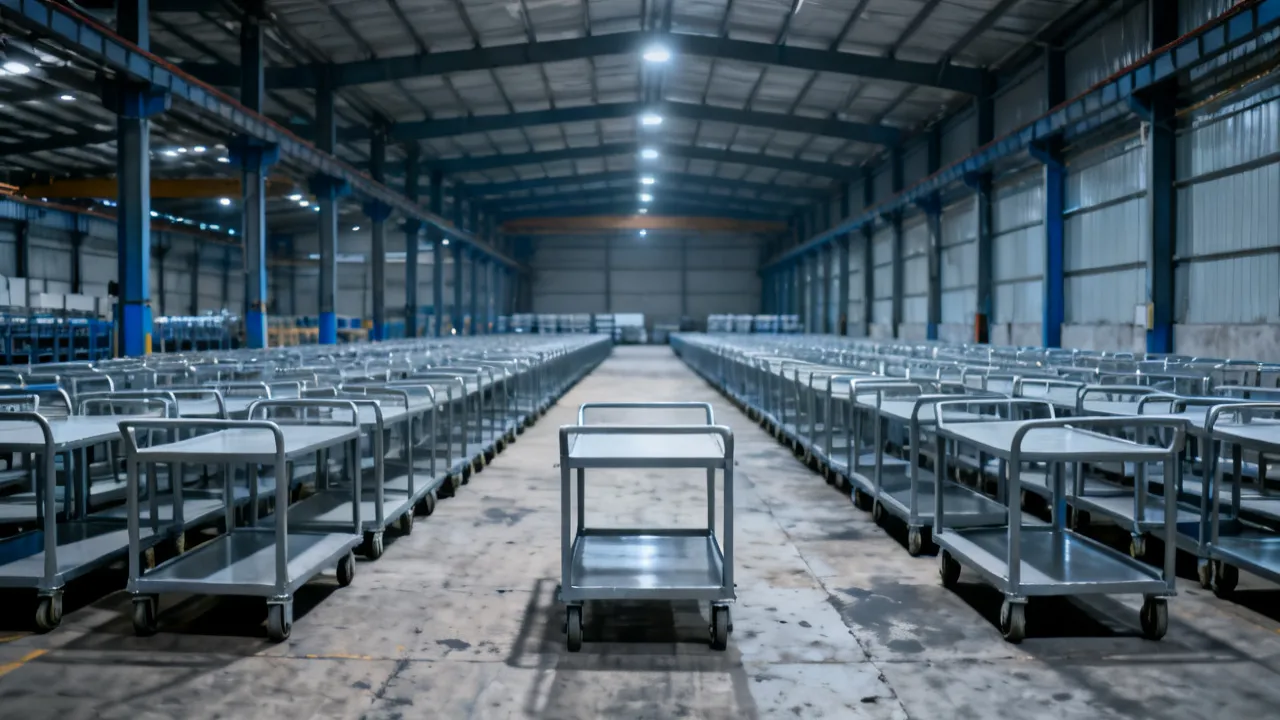
In the realm of industrial logistics, plain trolleys stand out as indispensable tools that enhance productivity and streamline the movement of goods. Known for their simplistic design, these trolleys are crafted to facilitate easy handling of materials within warehouses, factories, and other commercial settings. Their utility transcends industries, making them a favorite for efficient load management. While they appear simple at first glance, the engineering behind plain trolleys is a testament to efficient design and ergonomic principles, ensuring that they meet the rigorous demands of modern logistics.
At the heart of any well-organized logistical operation is the plain trolley. These versatile devices are designed to transport goods over short distances, leveraging sturdy construction to withstand substantial weights. Their design ensures ease of operation, allowing loaded trolleys to be maneuvered with minimal effort, thereby saving time and reducing physical strain on workers. Trolleys can be found in an array of settings, from bustling factory floors to quiet stockrooms, demonstrating their flexibility and essential nature. The concept of the plain trolley isn't merely about moving objects; it's about creating a seamless flow of goods that is critical for maintaining operational efficiency.
The design and utility of plain trolleys are diverse, with several variations available to meet specific needs. Each type of trolley has its unique characteristics that cater to different industrial requirements. Understanding these differences is essential for optimizing operations:
| Type | Application |
|---|---|
| Platform Trolley | Used for transporting bulky and stacked items easily across warehouse floors. These trolleys typically feature a flat surface that accommodates various shapes and sizes, making them ideal for moving stacks of boxes, heavy materials, or equipment. |
| Hand Truck | Ideal for moving small stacks of boxes or crates in narrow aisles. With a vertical design and a two-wheeled base, hand trucks are excellent for tight spaces and allow for maneuverability that is essential in environments like retail or storage areas. |
| Shelf Trolley | Equipped with shelves to carry items requiring organized transport in retail settings. These trolleys are highly effective for transporting smaller items or frequently accessed goods, allowing for an organized approach to stock management. |
| Multi-level Trolley | Features several shelves for carrying multiple items at once. This design is beneficial in environments where bulk transportation of smaller items is required, such as in assembling areas or kitchens. |
| Heavy-Duty Trolley | Designed to carry exceptionally heavy loads, often used in manufacturing or construction sites. With reinforced structures, these trolleys ensure that even the heaviest items can be transported safely. |
| Cage Trolley | Enclosed design provides security for smaller items during transport. Ideal for retail environments where items need to be kept secure, cage trolleys allow for safe transportation without the risk of items falling off the trolley. |
Incorporating plain trolleys into warehouse operations can streamline processes remarkably. By evaluating the specific load handling requirements and selecting the appropriate type of trolley, companies can maximize efficiency. Adaptability is key; having different types of trolleys ready for various tasks can enhance productivity and reduce downtime due to loading and unloading delays. For instance, using platform trolleys for bulk movements, while reserving hand trucks for smaller, more nimble tasks, can greatly improve workflow efficiency.
Moreover, effective layout and workflow design are necessary to fully realize the benefits of these trolleys. Optimal placement of storage racks, workstations, and loading bays in conjunction with the use of plain trolleys can facilitate more straightforward and efficient operations. Establishing defined pathways for trolley movement can prevent congestion and ensure that employees can navigate the warehouse smoothly, further enhancing productivity. Regular training sessions on proper trolley handling techniques can also contribute to safety and efficacy, ensuring that all staff members understand how to utilize this equipment effectively.
While plain trolleys offer numerous benefits, safety should remain a top priority in their usage. Improper handling can lead to accidents, including injuries to operators or damages to goods. Here are some essential safety tips that should be adhered to when using plain trolleys:
Plain trolleys are primarily used for the transport of goods over short distances within industrial settings. They simplify logistics management and reduce manual labor, making them essential in various operations.
Yes, their versatility makes them suitable across multiple industries, including retail, warehousing, manufacturing, and even hospitality. Their adaptable design meets a range of logistical challenges.
They are generally constructed from sturdy materials such as steel or aluminum for durability and strength, capable of bearing significant loads safely. The choice of material can affect both weight capacity and maneuverability.
Consider the specific items you will be transporting, including their size and weight. Evaluate the space where the trolley will be used, including aisle widths and floor surface. Matching the trolley type to these factors will ensure optimal performance.
Absolutely. By streamlining the movement of goods and reducing manual handling, plain trolleys minimize labor costs and improve operational efficiency, leading to significant savings over time.
Plain trolleys are a quintessential component of industrial operations, offering both practicality and efficiency. Their simple yet effective design lends itself to myriad applications, fostering an environment of productivity and safety. Understanding their benefits and selecting the right type for specific needs allows businesses to leverage their full potential as a strategic resource for material handling. The proper integration of plain trolleys into logistics and operational strategies not only aids in optimizing processes but also helps in creating a safe and efficient workspace that contributes to organizational success.
As technology progresses, the design and functionality of plain trolleys are likely to evolve to meet the changing demands of industries. Innovations in materials, ergonomic design, and additional features are expected to enhance the performance and user experience of these essential tools. For instance, the implementation of lightweight materials such as high-strength polymers may lead to trolleys that are easier to maneuver without sacrificing strength. Furthermore, smart technologies may allow for the integration of tracking systems, enabling real-time monitoring of inventory and improved resource management.
Moreover, advancements in sustainability trends are prompting manufacturers to seek eco-friendly materials and production methods. This shift not only aims to reduce the carbon footprint but also responds to the growing consumer demand for eco-conscious products. Trolleys designed with recycled or responsibly sourced materials will cater to businesses keen on promoting corporate social responsibility.
As automation continues to influence industries, we may also see hybrid models emerge. These trolleys could integrate automated features to assist with heavier loads or cluttered environments while still maintaining the simplicity that makes plain trolleys so effective. The interplay between automation and manual operations could provide a flexible solution, ensuring that businesses can adapt to various logistical challenges while optimizing both human and technological resources.
Beyond the operational efficiency that plain trolleys bring, they also play a significant role in enhancing employee satisfaction. In environments where manual handling of goods can lead to fatigue and physical strain, the use of trolleys can reduce the physical burden on employees. By minimizing the amount of lifting and carrying required, plain trolleys contribute to a healthier work environment, reducing the risk of workplace injuries and related absences.
Employers who prioritize ergonomic tools, such as plain trolleys, often notice a boost in employee morale and productivity. Employees who feel that their comfort and safety are prioritized tend to have higher job satisfaction levels, leading to lower turnover rates and increased loyalty to the company. Furthermore, a positive workplace culture founded on safety and efficiency can enhance overall organizational performance, making the investment in proper material handling equipment not just a logistical decision, but a strategic one.
With the rise of e-commerce, the role of plain trolleys has become even more essential in retail and warehouse environments. As businesses strive to meet increased consumer demands for speedy order fulfillment, trolleys play a pivotal role in efficiently managing stock and expediting the picking and packing processes. For example, shelf trolleys are increasingly popular in retail setups, where quick restocking of display areas is crucial to maintaining product availability and customer satisfaction.
Additionally, the role of plain trolleys extends to last-mile delivery processes, where they can be employed to transport items from distribution centers to delivery vehicles. The ability to quickly load and unload goods enhances the overall efficiency of the supply chain, directly impacting customer satisfaction through timely deliveries. E-commerce businesses leveraging trolleys for fast-paced operations can significantly enhance their competitiveness in a crowded marketplace.
As brick-and-mortar stores and warehouses adapt to the demands of e-commerce, investing in a variety of plain trolleys can help businesses respond more effectively to fluctuating inventory needs and consumer behaviors. The thoughtful integration of these tools not only supports operational agility but also backs the broader strategies of modern retail and distribution logistics.
To illustrate the impact of plain trolleys, we can examine several case studies showcasing how different organizations have successfully implemented these tools into their operations. In one notable instance, a large retail chain experienced a significant decrease in staff injuries following the introduction of hand trucks, which allowed employees to transport heavy stock without straining themselves. Within a year, the company reported a reduction in workplace injuries by over 30%, leading to lower insurance costs and improved employee retention rates.
Another case study in a manufacturing setting highlighted the successful adoption of platform trolleys. This facility had been struggling with productivity due to time lost in moving bulky components from one assembly line to another. After incorporating platform trolleys into their operations, the time taken for these transfers was cut in half, allowing for smoother workflow and ultimately doubling production output. The trolleys facilitated a seamless transfer of goods between stages, contributing to an overall increase in operational efficiency.
These success stories not only highlight the functional advantages of plain trolleys but also serve as inspiration for other businesses considering their implementation. The positive outcomes in safety, production, and worker satisfaction showcase the potential of these simple yet effective tools as integral components of modern logistics.
Plain trolleys are a quintessential component of industrial operations, offering both practicality and efficiency. Their simple yet effective design lends itself to myriad applications, fostering an environment of productivity and safety. Understanding their benefits and selecting the right type for specific needs allows businesses to leverage their full potential as a strategic resource for material handling. The proper integration of plain trolleys into logistics and operational strategies not only aids in optimizing processes but also helps in creating a safe and efficient workspace that contributes to organizational success.
Striking the Perfect Balance: Navigating Premiums and Out-of-Pocket Expenses in Senior Insurance Plans

Explore the Tranquil Bliss of Idyllic Rural Retreats

How to Make Lasting Memories at Disneyland Attractions

Affordable Phones and Plans for Seniors

Affordable Full Mouth Dental Implants Near You

Unlock the Top Kept Secrets to Finding Your Ideal Dentist for Flawless Dental Implant Results!

Discovering Springdale Estates

The Guide to Car Trading

Affordable Cell Phones Without Plans

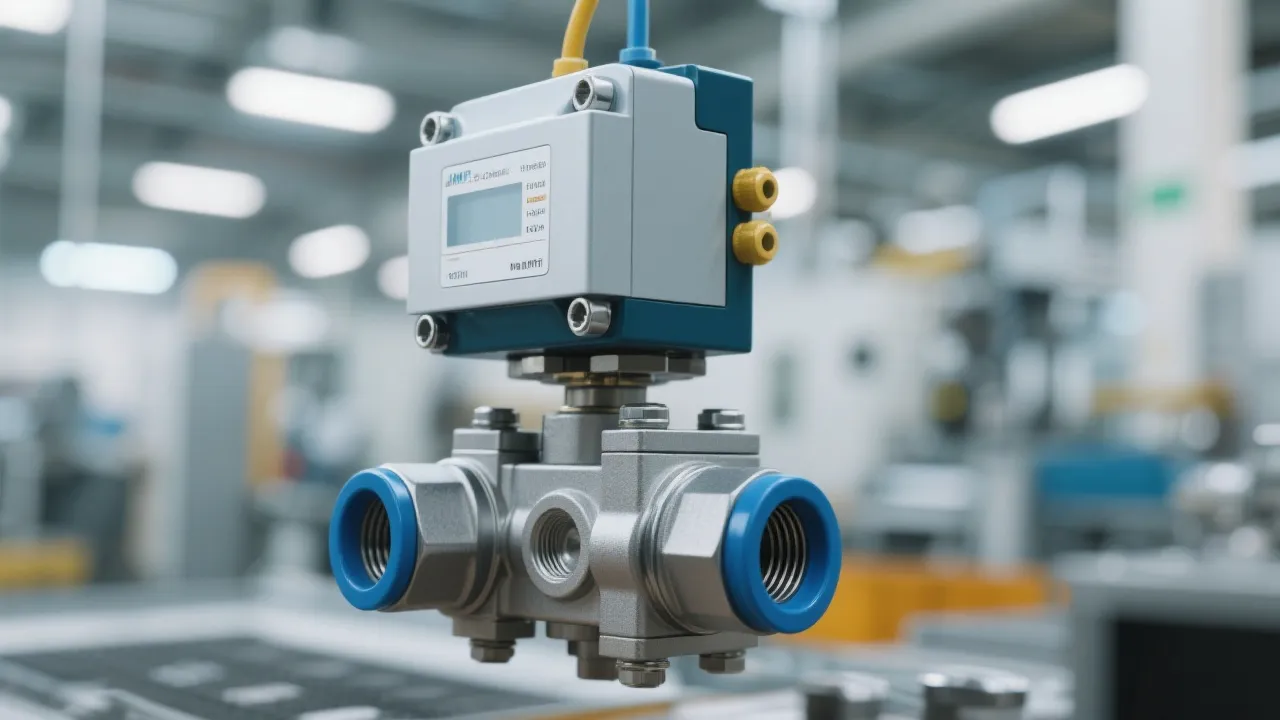
Understanding Proportional Valves
Proportional valves are hydraulic components vital for controlling fluid flow and pressure with high precision in various industrial applications. Their importance in automation and manufacturing settings stems from their ability to offer variable output in response to input signals, greatly enhancing system efficiency and performance.
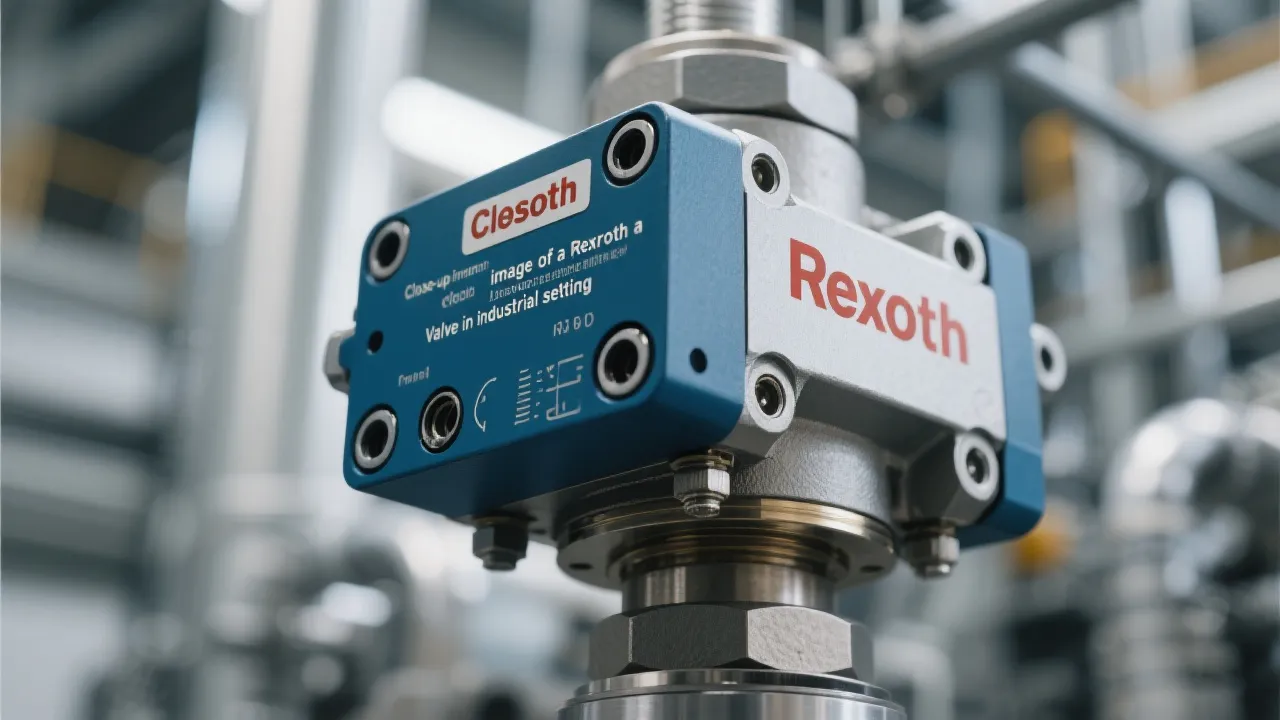
Understanding Rexroth Valve Systems
Rexroth Valves are quintessential components in various industrial applications, known for their precision and reliability. These hydraulic, pneumatic, and electrohydraulic valves regulate fluid flow in machinery, ensuring optimal performance and safety. Understanding their functionality and benefits is crucial for industries seeking efficiency and sustainability in their operations.

Unveiling Thermo Fisher Chromatography
This article explores the pivotal role of Thermo Fisher Chromatography in modern analytical science. Chromatography is crucial for separating compounds within mixtures, making it indispensable in industries such as pharmaceuticals and environmental testing. Thermo Fisher Scientific stands out in this field for its innovative solutions, leading to improved accuracy and efficiency in research and development.

Understanding Corrosion Inhibitor Manufacturers
In today's industrial landscape, corrosion inhibitor manufacturers play a crucial role in safeguarding equipment and infrastructure against corrosive damage. These manufacturers provide specialized chemicals that prevent corrosion in various environments, including industries such as oil and gas, marine, and construction. Understanding their operations and offerings is essential for selecting the right supplier and maintaining asset longevity.

Analyzing Lm66100 Digikey Components
This article offers an in-depth analysis of the Lm66100 component available through Digikey, a renowned distributor of electronic components. The Lm66100, a load switch, is integral in industry applications, providing efficient power management. This piece explores its features, applications, and availability through Digikey, while offering a comprehensive guide for industry professionals seeking to optimize their electronic designs.

Leading Corrosion Inhibitor Suppliers
Corrosion inhibitor manufacturers play a crucial role in protecting materials from degradation. These companies specialize in creating chemical compounds that slow down or prevent the corrosive effects on various surfaces, especially metals. Understanding their production processes and solutions offered is vital for industries reliant on metal infrastructure.
