Corrosion inhibitive sealants play a crucial role in maintaining the integrity of metal structures by preventing rust and decay. These advanced sealants form a protective barrier that resists environmental factors like moisture and chemicals, preserving the lifespan of various materials. This article delves into the mechanisms, applications, and selection criteria for corrosion inhibitive sealants.

The durability of structural and mechanical systems is paramount in industries such as aerospace, automotive, and construction. Among various methods to extend the life of these structures, corrosion inhibitive sealants stand out for their effectiveness in providing protection against corrosive elements. These sealants are engineered to coat surfaces, creating a barrier that wards off moisture, oxygen, and other corrosive agents. The increasing global emphasis on sustainability and the growing inclination towards infrastructure development further highlight the importance of such technologies in today’s world. By mitigating the factors that contribute to corrosion, businesses not only save on maintenance costs but also enhance safety and efficiency.
Corrosion inhibitive sealants work through a chemical mechanism that disrupts the electrochemical processes leading to corrosion. They form a protective barrier on the surface of metal substrates by using various compounds that have inhibition properties. These inhibitors can either be anodic or cathodic, meaning they can either slow down the oxidation of metal or reduce the cathodic reaction involved in corrosion.
Typically, these sealants are formulated with corrosion inhibitors, which are compounds that actively interfere with the chemical reactions between the metal surface and corrosive elements such as water or salt. Some of the common inhibitors include zinc phosphates, chromates, and various organic compounds that can displace moisture and thus reduce the likelihood of corrosion initiation.
When applied to a substrate, the sealant forms a uniform layer that mitigates the exposure of the base material to the environment. This protective film not only minimizes the contact with corrosive agents but also provides secondary benefits such as enhancing the mechanical properties of the surface and reducing the impact of wear and tear. This dual-action capability increases the overall lifespan of the components, thus lowering long-term costs associated with repair and replacement.
Additionally, the adhesion properties of these sealants are engineered to improve bonding with various substrates, thereby enhancing the system's integrity and performance even in challenging environments. The continual innovation in sealant technology also reflects ongoing research into new formulations that can further enhance the effectiveness and compatibility of these materials under varying conditions.
The applications for corrosion inhibitive sealants span numerous industries due to their versatility and effectiveness. Below are some prominent sectors where these sealants play a critical role:
1. Aerospace Industry: The demanding conditions faced by aircraft require materials that can withstand extreme environments. By utilizing corrosion inhibitive sealants, aerospace manufacturers enhance the longevity and safety of aircraft components. For instance, components exposed to high altitudes and fluctuations in temperature and moisture levels can benefit significantly from these sealants, preventing corrosion-induced failures and maintaining structural integrity over time.
2. Automotive Sector: Vehicles encounter diverse environmental conditions, from saline roads to humid climates. These sealants provide a robust solution to resist rust and prolong vehicle lifespan. In particular, under-body treatments with corrosion inhibitive sealants can protect critical structural components from road salt and other corrosive substances, effectively reducing the occurrence of rust and deterioration that leads to costly repairs and safety issues.
3. Construction: Protective sealants are essential for building infrastructures susceptible to moisture and pollution. Their application ensures the structural integrity of buildings and bridges. Sealants used in construction can be found in various forms, including joint sealants that bridge the gaps between different materials and help manage movement, expansion, and contraction, while also serving as a barrier against moisture infiltration.
4. Marine Applications: The harsh conditions of marine environments make it crucial to protect vessels and structures from seawater corrosion. Sealants formulated specifically for marine use can withstand prolonged exposure to saltwater, thus preserving the integrity of boats, ships, and dock infrastructures.
5. Industrial Equipment: In industrial settings, machinery is often exposed to corrosive substances, abrasives, and extreme operating conditions. Utilizing corrosion inhibitive sealants on equipment can prevent premature wear and ensure longer operational life, yielding better returns on investment.
Choosing the appropriate corrosion inhibitive sealant is crucial depending on the application environment and substrate material. A well-considered selection process will enhance performance and ensure long-term durability. Important considerations include:
| Sealant Type | Application Environment | Temperature Range | Advantages |
|---|---|---|---|
| Epoxy-Based | Harsh chemical environments | -40°C to 140°C | Excellent adhesion and high resistance to solvents |
| Polyurethane | Flexible and dynamic surfaces | -30°C to 120°C | Durable and weather-resistant, accommodates movement |
| Acrylic | General use; less harsh conditions | -20°C to 90°C | Fast drying time and easy to apply |
| Silicone | Variable conditions with moisture exposure | -50°C to 200°C | Ideal for waterproofing and flexible bonding |
The global market for corrosion inhibitive sealants is growing, driven by increased demand in emerging economies and advancements in material science. Innovations in green chemistry are leading to environmentally friendlier formulations with reduced volatile organic compounds (VOCs), which align with stricter regulatory standards and sustainability goals. This trend is also driven by consumer preferences shifting towards products that are safer for human health and the environment.
One noteworthy innovation is the development of bio-based sealants derived from renewable resources. These formulations not only reduce the dependencies on fossil fuels but also promise lower emissions during production and application. Additionally, advancements in nanotechnology have led to sealants that incorporate nano-coatings, enhancing properties such as adhesion, flexibility, and resistance to extreme environmental factors.
Moreover, the emergence of 3D printing technology in creating customized sealants tailored to specific applications and environments is reshaping how manufacturers approach corrosion prevention. Coupling traditional sealants with advanced materials allows for the creation of hybrid solutions that maximally extend service life while maintaining performance integrity.
Construction and automotive industries are also witnessing a trend towards prefabrication, where structures are built in controlled environments before being transported for assembly on-site. This method not only optimizes the use of sealants but also enhances overall efficiency while minimizing potential environmental impacts related to on-site sealing applications.
To maximize the effectiveness of corrosion inhibitive sealants, regular maintenance and inspections are necessary. Over time, environmental conditions may cause a sealant's performance to degrade, which is why proactive measures can help ensure ongoing protection. Best practices include:
Q1: Can corrosion inhibitive sealants be used in conjunction with other protective coatings?
A1: Yes, these sealants can complement other coatings, such as paint systems, to enhance surface protection and achieve multi-layer corrosion defenses. Compatibility is crucial in such applications, as each layer can provide distinct protective advantages.
Q2: How long do these sealants typically last?
A2: The lifespan depends on the environment and application method but can range from 5 to 20 years with proper maintenance. Regular inspections and timely touch-ups can further extend the effective life of the sealant.
Q3: Are there environmental considerations for disposal?
A3: Always consult the manufacturer’s guidelines and local environmental regulations regarding disposal, especially for solvent-based sealants. Use of proper disposal techniques can mitigate the environmental impact.
Q4: Can I apply corrosion inhibitive sealants myself, or should I hire a professional?
A4: While some sealants are user-friendly and suitable for DIY application, it is advisable to hire professionals for large-scale or critical applications, especially in industrial settings, to ensure proper application and safety measures are followed.
Q5: What should I consider when reapplying sealants?
A5: Before reapplication, ensure any old sealant is adequately removed, inspect the surface for underlying damage, and ensure the surface is clean, dry, and suitably prepared to guarantee optimal adhesion of the new layer.
Corrosion inhibitive sealants are an essential tool in the maintenance toolkit of industries exposed to harsh environments. By understanding their applications, properties, and innovations, professionals can make informed decisions to extend the lifespan of critical assets and infrastructures. Furthermore, continuous advancements in technology and materials science will contribute to the ongoing evolution of these vital protective products, reinforcing the need for industries to remain proactive in their approaches to corrosion management.
Striking the Perfect Balance: Navigating Premiums and Out-of-Pocket Expenses in Senior Insurance Plans

Explore the Tranquil Bliss of Idyllic Rural Retreats

How to Make Lasting Memories at Disneyland Attractions

Affordable Phones and Plans for Seniors

Affordable Full Mouth Dental Implants Near You

Unlock the Top Kept Secrets to Finding Your Ideal Dentist for Flawless Dental Implant Results!

Discovering Springdale Estates

The Guide to Car Trading

Affordable Cell Phones Without Plans

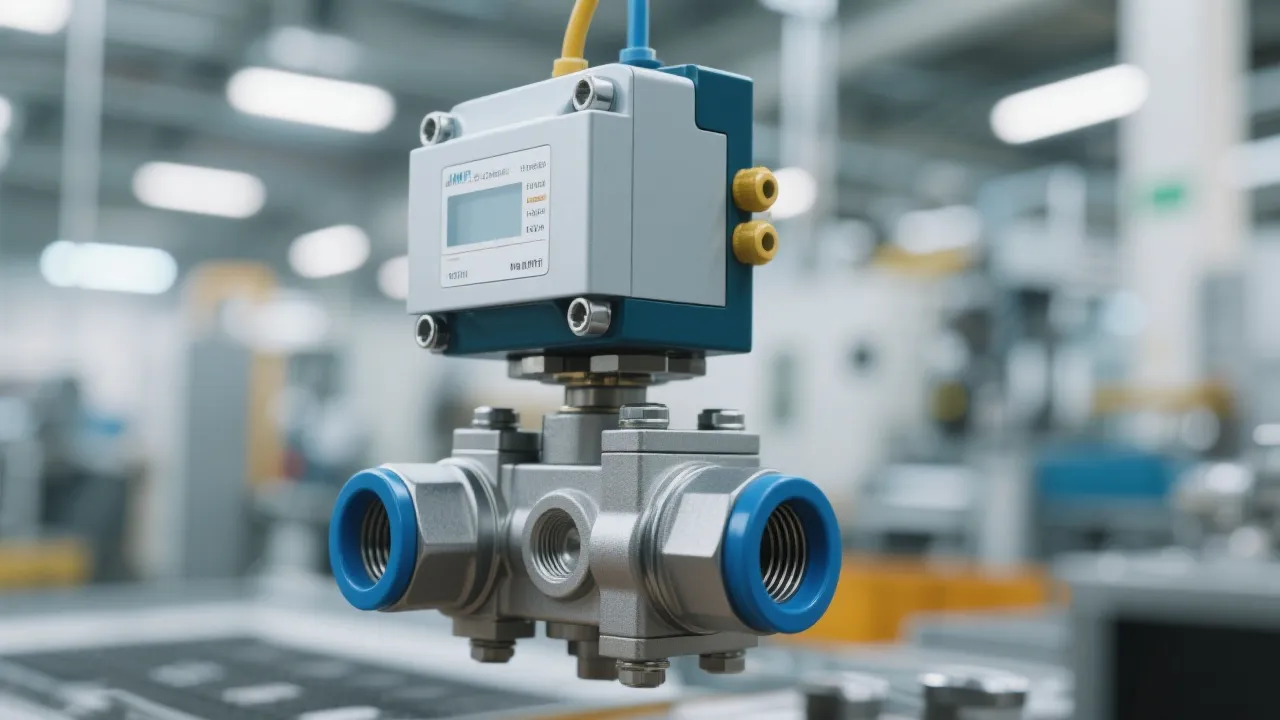
Understanding Proportional Valves
Proportional valves are hydraulic components vital for controlling fluid flow and pressure with high precision in various industrial applications. Their importance in automation and manufacturing settings stems from their ability to offer variable output in response to input signals, greatly enhancing system efficiency and performance.
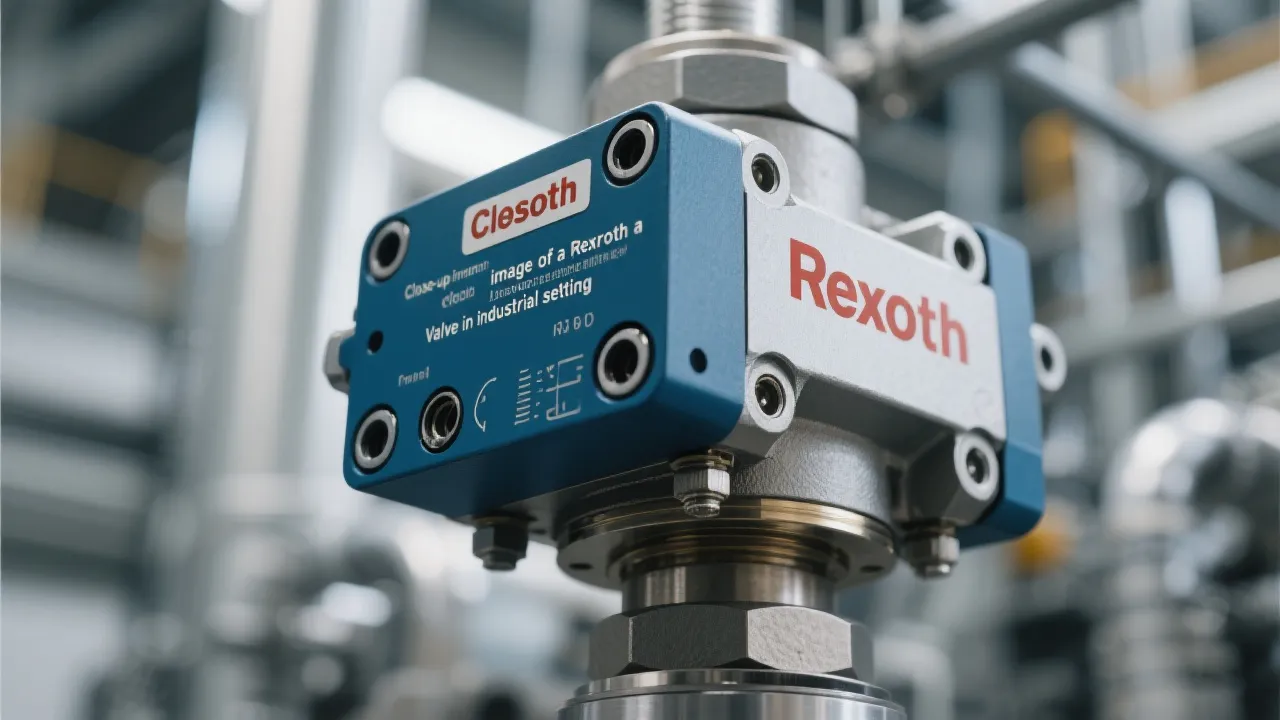
Understanding Rexroth Valve Systems
Rexroth Valves are quintessential components in various industrial applications, known for their precision and reliability. These hydraulic, pneumatic, and electrohydraulic valves regulate fluid flow in machinery, ensuring optimal performance and safety. Understanding their functionality and benefits is crucial for industries seeking efficiency and sustainability in their operations.

Unveiling Thermo Fisher Chromatography
This article explores the pivotal role of Thermo Fisher Chromatography in modern analytical science. Chromatography is crucial for separating compounds within mixtures, making it indispensable in industries such as pharmaceuticals and environmental testing. Thermo Fisher Scientific stands out in this field for its innovative solutions, leading to improved accuracy and efficiency in research and development.

Understanding Corrosion Inhibitor Manufacturers
In today's industrial landscape, corrosion inhibitor manufacturers play a crucial role in safeguarding equipment and infrastructure against corrosive damage. These manufacturers provide specialized chemicals that prevent corrosion in various environments, including industries such as oil and gas, marine, and construction. Understanding their operations and offerings is essential for selecting the right supplier and maintaining asset longevity.

Analyzing Lm66100 Digikey Components
This article offers an in-depth analysis of the Lm66100 component available through Digikey, a renowned distributor of electronic components. The Lm66100, a load switch, is integral in industry applications, providing efficient power management. This piece explores its features, applications, and availability through Digikey, while offering a comprehensive guide for industry professionals seeking to optimize their electronic designs.

Leading Corrosion Inhibitor Suppliers
Corrosion inhibitor manufacturers play a crucial role in protecting materials from degradation. These companies specialize in creating chemical compounds that slow down or prevent the corrosive effects on various surfaces, especially metals. Understanding their production processes and solutions offered is vital for industries reliant on metal infrastructure.