This article delves into the critical role of corrosion inhibitive sealants in safeguarding materials and structures from corrosion. Corrosion is a natural but damaging process affecting metals, leading to deterioration. Through effective application, these sealants extend the life of assets, providing essential protection against environmental factors that accelerate metal decay.
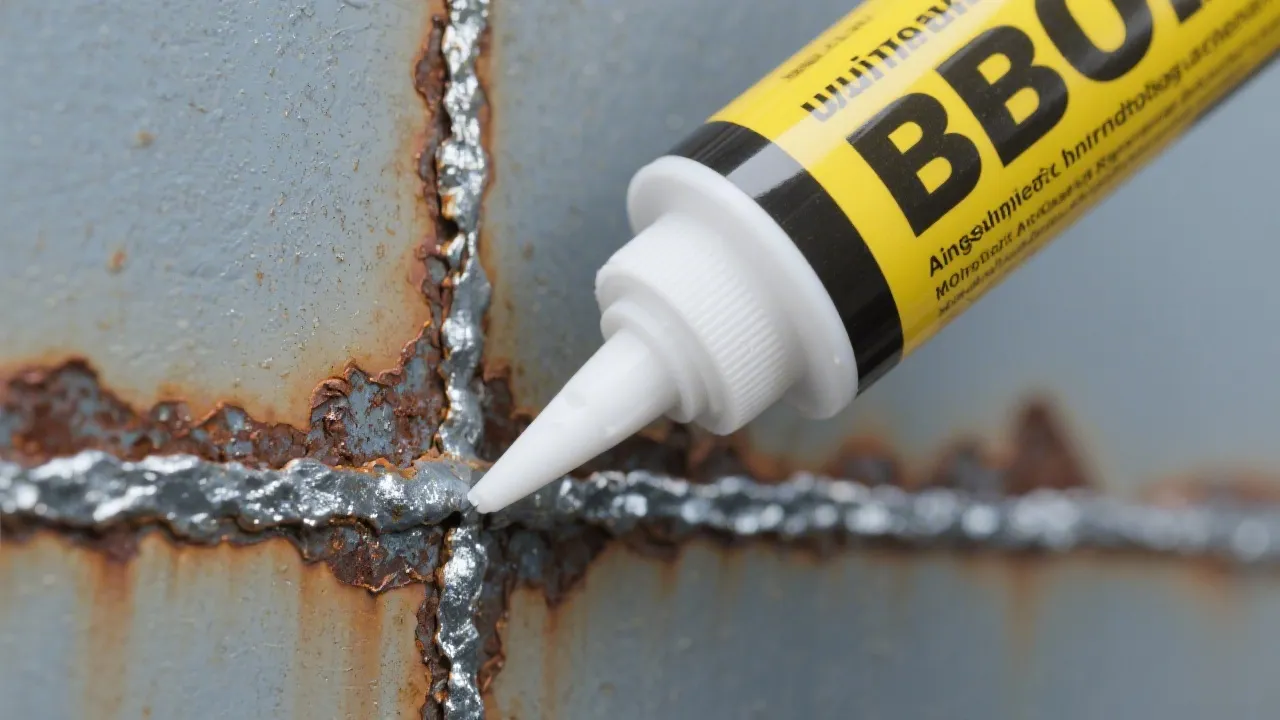
As industrial applications advance, the relevance of maintaining and protecting metallic structures grows exponentially. Corrosion inhibitive sealants play a critical role in this maintenance by offering potent resistance against corrosion, which can compromise structural integrity and lead to costly repairs. These sealants act as a physical and chemical barrier, preventing corrosive elements from interacting with the underlying metal surfaces. The formulation of these sealants typically includes a combination of additives that enhance their performance and effectiveness. In this comprehensive guide, we will explore various aspects of corrosion inhibitive sealants, providing insights into their types, mechanisms, advantages, and applications, to equip you with essential knowledge for informed decision-making.
Corrosion is a natural electrochemical process resulting from the reaction between metal surfaces and environmental constituents like oxygen, water, and salts. It manifests as rust on steel or tarnish on copper, leading to the degradation of mechanical properties such as tensile strength and elasticity. Corrosion inhibitive sealants intervene in this process by providing a protective layer that resists these chemical reactions. Understanding the fundamental mechanisms of corrosion can help in developing more effective sealants and applying them in the right context.
The process of corrosion begins when metal is exposed to moisture, oxygen, and electrolyte agents present in various environmental settings. When these elements make contact, electrochemical reactions occur, causing the metal atoms to lose electrons. This results in the formation of corrosion products, which may degrade the surface and lead to weaknesses in the structure. In essence, the corrosion process can be depicted through several stages: initiation, propagation, and eventual breakdown. Over time, untreated corrosion can not only threaten the safety of structures but also lead to significant economic losses.
The intervention of sealants comes primarily through two mechanisms: barrier protection and corrosion inhibition. Barrier protection relies on creating a physical barrier that prevents corrosive agents from accessing the substrate. Various types of sealants utilize different materials to achieve this, such as high-performance polymers that can be applied as thick films or thin coatings. On the other hand, corrosion inhibitors work by actively participating in the electrochemical reactions at the metal surface, either by forming complex molecules that slow down those reactions or by passivating the metal surface.
Incorporating corrosion inhibitive sealants into maintenance practices offers a plethora of benefits:
Corrosion inhibitive sealants find widespread usage across numerous industries due to their efficacy and versatility:
When selecting corrosion inhibitive sealants, various features should be considered to ensure a good match between the sealant's properties and application requirements:
| Property | Importance | Consideration |
|---|---|---|
| Chemical Resistance | High | Evaluating how well the sealant withstands exposure to acids, bases, and other chemicals is critical for industrial applications. |
| Elasticity | Medium | Helps in accommodating structural expansions and contractions, which is vital for materials that undergo thermal cycling or movement. |
| UV Stability | Medium | Important for outdoor applications where sealants are exposed to sunlight; UV stability affects long-term performance and durability. |
| Adhesion Strength | High | Strong adhesion to both metal and non-metal substrates ensures that the sealant remains effective over time, preventing delamination. |
| Temperature Range | High | Understanding the operating temperature range is essential for selecting appropriate sealants, especially for applications subject to extreme conditions. |
| Moisture Resistance | High | Sealants designed to provide moisture resistance help prevent corrosion in areas prone to high humidity or water exposure. |
Implementing effective application techniques enhances sealant efficacy. Surface preparation, including cleaning and drying, is paramount to ensure sealant adhesion. Removing contaminants such as dust, grease, and rust creates a suitable surface for bonding. Applying a uniform coat using brushes, rollers, or spray equipment guarantees thorough coverage, with careful attention paid to edges and corners often prone to corrosion. Manufacturers often provide specific application guidelines, ensuring optimal performance of the sealant across various environmental conditions.
Using the right tools can facilitate better application; for instance, a spray gun may deliver a more uniform finish in hard-to-reach areas compared to traditional brushes. Additionally, understanding the temperature and humidity of the application environment is vital. Sealants may behave differently based on environmental conditions; for example, some may cure quickly in warm, dry conditions while requiring more time in cooler environments or high humidity.
It is also beneficial to plan applications around weather forecasts; applications should ideally be performed during conditions that would allow for the fastest curing time without interference from rain or other moisture. Furthermore, multiple thin layers often provide better coverage and protection than a single thick layer as it allows better control over curing and adhesion.
Corrosion inhibitive sealants present an invaluable solution for protecting metal structures across various industries. With the right selection and proper application, these sealants significantly elongate the lifespan and preserve the functional integrity of assets. By understanding the characteristics and appropriate uses of the different types of sealants, stakeholders can ensure long-lasting protection against the relentless forces of corrosion. The implications of utilizing these sealants reach beyond cost-saving and efficiency; they hold the potential to enhance safety and durability across infrastructures integral to modern civilization. As industry standards evolve, embracing advanced sealant technologies and staying updated with the latest best practices will fortify your defenses against corrosion, ultimately leading to safer and more reliable structures.
Striking the Perfect Balance: Navigating Premiums and Out-of-Pocket Expenses in Senior Insurance Plans

Explore the Tranquil Bliss of Idyllic Rural Retreats

How to Make Lasting Memories at Disneyland Attractions

Affordable Phones and Plans for Seniors

Affordable Full Mouth Dental Implants Near You

Unlock the Top Kept Secrets to Finding Your Ideal Dentist for Flawless Dental Implant Results!

Discovering Springdale Estates

The Guide to Car Trading

Affordable Cell Phones Without Plans

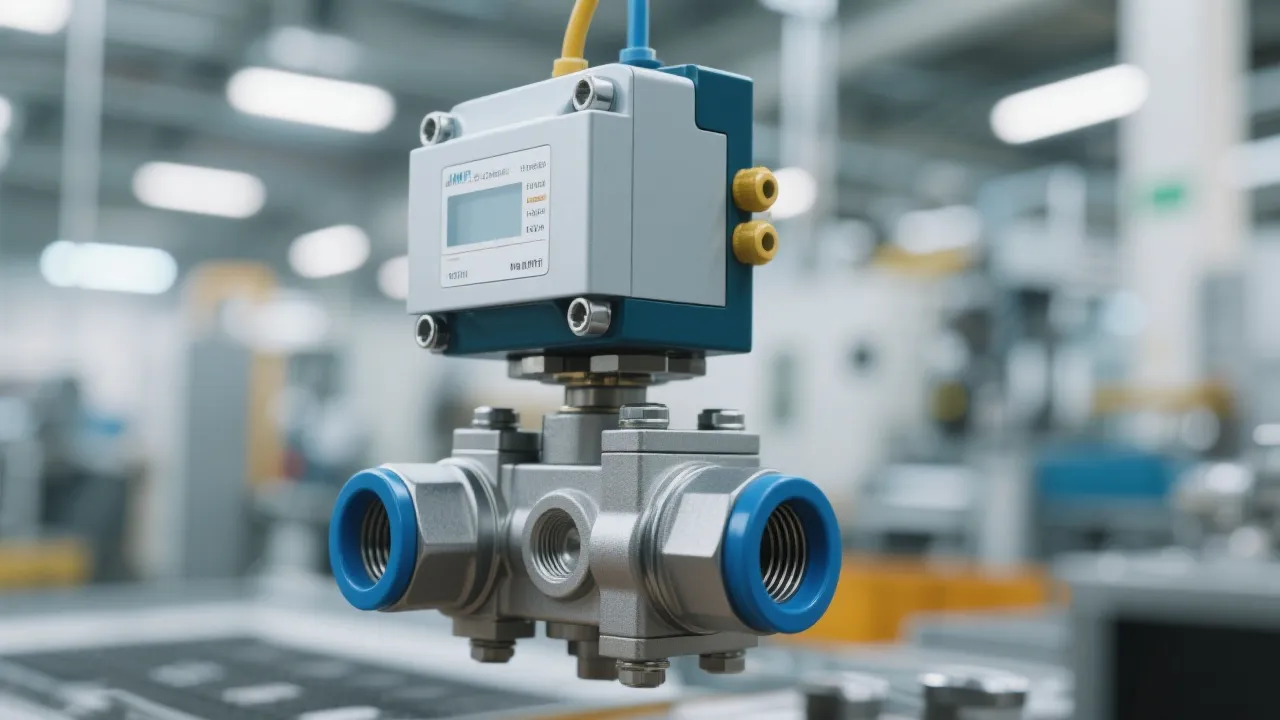
Understanding Proportional Valves
Proportional valves are hydraulic components vital for controlling fluid flow and pressure with high precision in various industrial applications. Their importance in automation and manufacturing settings stems from their ability to offer variable output in response to input signals, greatly enhancing system efficiency and performance.
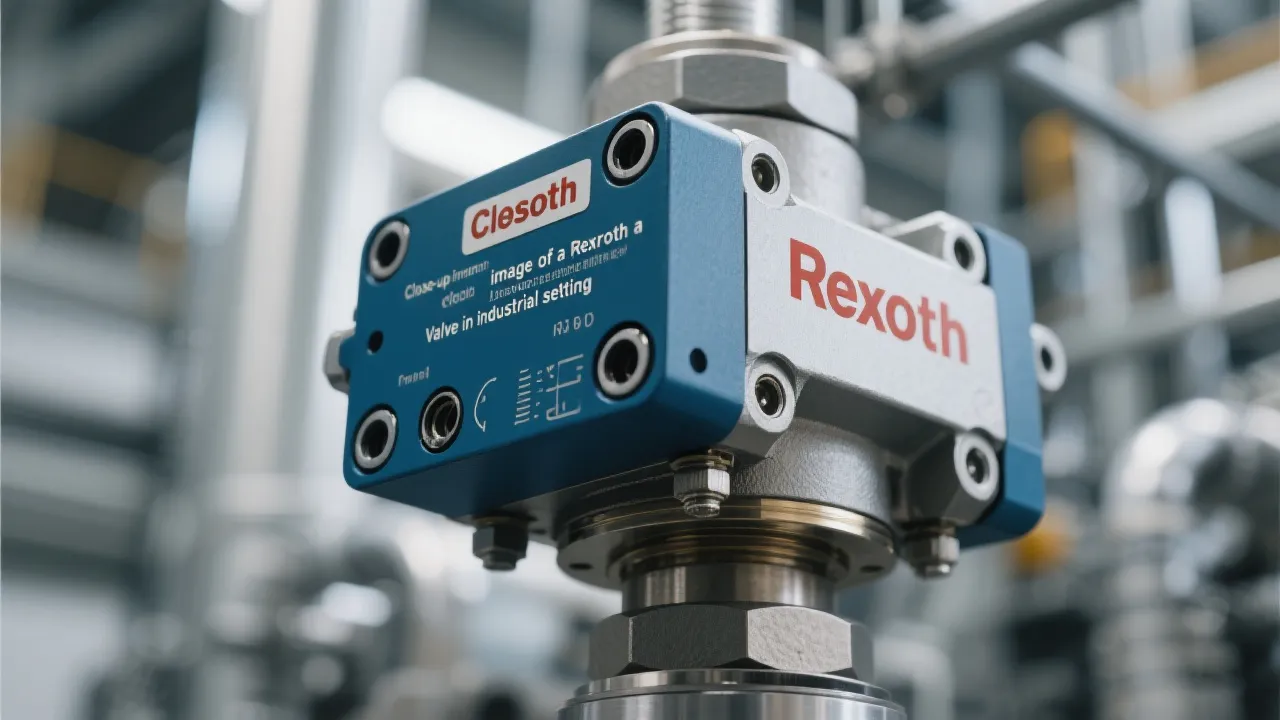
Understanding Rexroth Valve Systems
Rexroth Valves are quintessential components in various industrial applications, known for their precision and reliability. These hydraulic, pneumatic, and electrohydraulic valves regulate fluid flow in machinery, ensuring optimal performance and safety. Understanding their functionality and benefits is crucial for industries seeking efficiency and sustainability in their operations.

Unveiling Thermo Fisher Chromatography
This article explores the pivotal role of Thermo Fisher Chromatography in modern analytical science. Chromatography is crucial for separating compounds within mixtures, making it indispensable in industries such as pharmaceuticals and environmental testing. Thermo Fisher Scientific stands out in this field for its innovative solutions, leading to improved accuracy and efficiency in research and development.

Understanding Corrosion Inhibitor Manufacturers
In today's industrial landscape, corrosion inhibitor manufacturers play a crucial role in safeguarding equipment and infrastructure against corrosive damage. These manufacturers provide specialized chemicals that prevent corrosion in various environments, including industries such as oil and gas, marine, and construction. Understanding their operations and offerings is essential for selecting the right supplier and maintaining asset longevity.

Analyzing Lm66100 Digikey Components
This article offers an in-depth analysis of the Lm66100 component available through Digikey, a renowned distributor of electronic components. The Lm66100, a load switch, is integral in industry applications, providing efficient power management. This piece explores its features, applications, and availability through Digikey, while offering a comprehensive guide for industry professionals seeking to optimize their electronic designs.

Leading Corrosion Inhibitor Suppliers
Corrosion inhibitor manufacturers play a crucial role in protecting materials from degradation. These companies specialize in creating chemical compounds that slow down or prevent the corrosive effects on various surfaces, especially metals. Understanding their production processes and solutions offered is vital for industries reliant on metal infrastructure.
