Corrosion inhibitive sealants are vital in protecting metal surfaces from oxidative damage, prolonging the lifespan of materials used across various industries. These sealants play a crucial role in safeguarding infrastructure, transportation, and manufacturing components from environmental factors that lead to corrosion, ensuring durability and reliability in multiple applications.
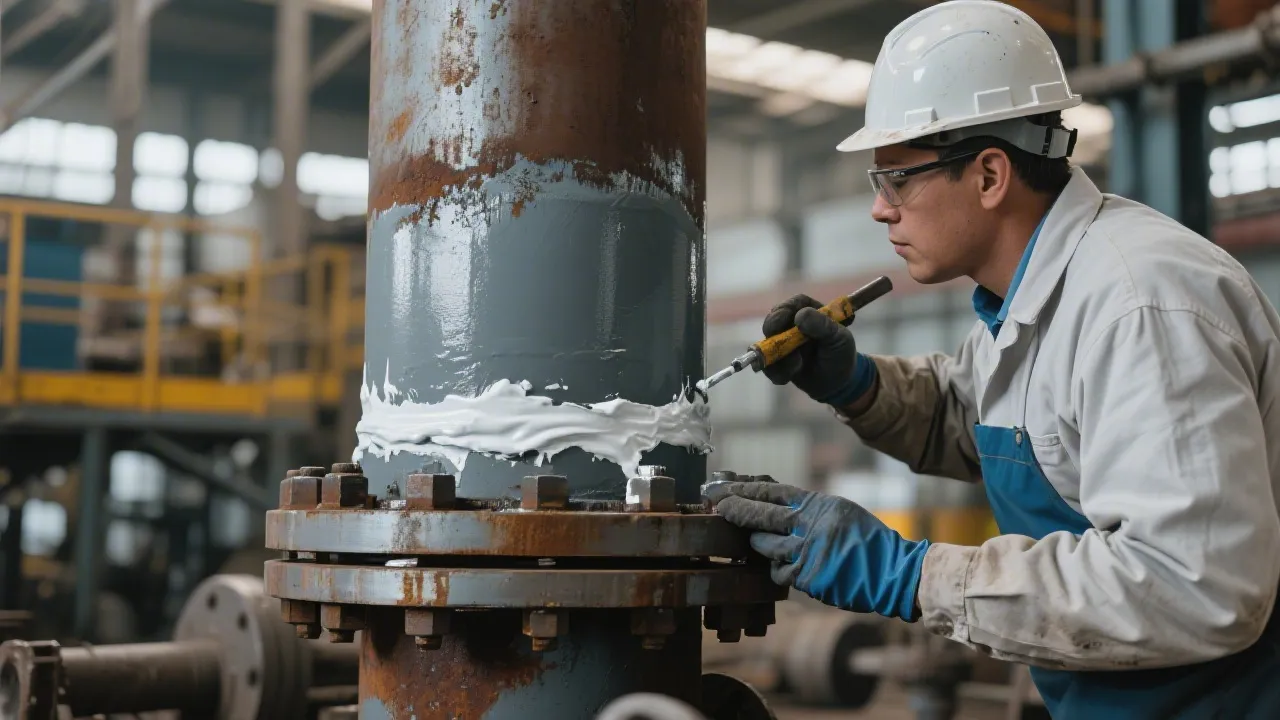
Corrosion is a significant issue across various industries, affecting the durability and longevity of metal components. Corrosion inhibitive sealants offer a solution by forming a protective barrier that prevents moisture and corrosive elements from reaching the surface of materials. Known for their effectiveness in enhancing the lifespan of assets, these sealants are essential in sectors ranging from aerospace to marine and automotive industries.
Corrosion can result in substantial financial losses and safety hazards, making the need for effective protective solutions paramount. Industries increasingly rely on advanced methods and materials to counteract corrosion, and corrosion inhibitive sealants are at the forefront of these advancements. As global industries expand into more challenging environments, the demand for reliable sealants has prompted ongoing research and development, pushing the boundaries of what these products can achieve.
Corrosion inhibitive sealants operate by creating a thin, but robust, protective layer over metal surfaces. This layer acts as a shield, preventing oxygen and moisture from interacting with the surface, thus reducing the risk of oxidative reactions. The application process typically involves cleaning the surface, applying the sealant, and allowing it to cure, forming a durable coating that can withstand harsh environmental conditions.
The technology behind these sealants involves sophisticated formulations that vary in composition, thickness, flexibility, and adhesive properties. Some sealants have active ingredients that actively inhibit corrosion by chemically reacting with the metal surface to form a barrier that protects against corrosion. Others might release inhibitors that neutralize aggressive ions that contribute to rust and decay. This dual approach of passive and active protection significantly enhances the effectiveness of sealants against corrosion.
There are several types of corrosion inhibitive sealants, each formulated to cater to different industrial needs:
Corrosion inhibitive sealants are employed across a variety of sectors:
Choosing the appropriate corrosion inhibitive sealant requires considering several factors:
| Criteria | Description |
|---|---|
| Environmental Exposure | Consideration of climate and environmental conditions to choose a sealant that matches the specific stress factors. For example, coastal areas may require stronger saltwater resistance, while industrial settings might focus on chemical resistance. |
| Material Compatibility | Ensuring that the sealant is compatible with the material to which it will be applied to avoid adverse reactions. Utilizing a sealant that can bond well with metals, plastics, or composites is essential for effective protection. |
| Application Method | Ease and convenience of application depending on the project scope and requirements. Assessing whether spraying, brushing, or rolling is suitable for the job can save significant time and resources. |
| Durability Requirements | Expected lifespan and performance standards over the duration of exposure to corrosive elements. Selecting a sealant based on its anticipated wear under specific conditions ensures long-term protection, reducing the need for frequent maintenance. |
| Cure Time | Different sealants have varying cure times, which can affect project timelines. It is vital to choose a product that meets project demands without compromising the protective quality. |
| Aesthetic Considerations | For applications where visual appearance is essential, selecting sealants that do not discolor or degrade aesthetically over time is necessary, especially in consumer-facing sectors. |
1. What are corrosion inhibitive sealants made of?
These sealants are typically composed of polymers, resins, and various additives that enhance their protective qualities. Specific formulations may include corrosion inhibitors, surfactants, curing agents, and fillers tailored for specific industrial applications.
2. How long does the protection from a corrosion inhibitive sealant last?
The longevity depends on the environmental conditions and the sealant type, ranging from several months to several years. For instance, marine applications may require more frequent reapplication due to harsh saltwater exposure compared to industrial indoor settings.
3. Can corrosion inhibitive sealants be used on all metals?
While they can be used on many metals, it is crucial to select a sealant compatible with the specific metal type and application requirements. Some sealants may be more effective on ferrous metals compared to non-ferrous metals, and vice versa, due to the unique corrosion mechanisms at play.
4. Are corrosion inhibitive sealants resistant to UV light?
Some sealants are specifically formulated to resist UV degradation, making them suitable for outdoor applications where prolonged sunlight exposure occurs. Selecting a UV-stable sealant is essential to ensure long-lasting protection in such environments.
5. Can corrosion inhibitive sealants be painted over?
Many sealants allow for painting once fully cured; however, it is important to check compatibility with the paint type to avoid adhesion issues. Using quality primers and paints can also enhance the overall protective system.
6. How should corrosion inhibitive sealants be stored?
Sealants should be stored in a cool, dry place, away from direct sunlight and extreme temperatures. Proper storage conditions will help maintain the integrity and usability of the product until it is required for use.
The world of corrosion inhibitive sealants is evolving, driven by technological advancements and stringent environmental regulations. Here are some key trends that are shaping the future of this industry:
Corrosion inhibitive sealants play a critical role in safeguarding various industrial sectors from the detrimental effects of corrosion. Their ability to provide a strong protective barrier ensures that metal components and structures maintain their integrity over time, ultimately saving industries from costly repairs and replacements. As technology and formulation techniques continue to evolve, we can expect these sealants to become even more effective, environmentally friendly, and adaptable to the ever-changing needs of industries worldwide. Investing in high-quality corrosion inhibitive sealants not only helps in extending the life of assets but also contributes to improved safety and sustainability within various operational environments.
Striking the Perfect Balance: Navigating Premiums and Out-of-Pocket Expenses in Senior Insurance Plans

Explore the Tranquil Bliss of Idyllic Rural Retreats

How to Make Lasting Memories at Disneyland Attractions

Affordable Phones and Plans for Seniors

Affordable Full Mouth Dental Implants Near You

Unlock the Top Kept Secrets to Finding Your Ideal Dentist for Flawless Dental Implant Results!

Discovering Springdale Estates

The Guide to Car Trading

Affordable Cell Phones Without Plans

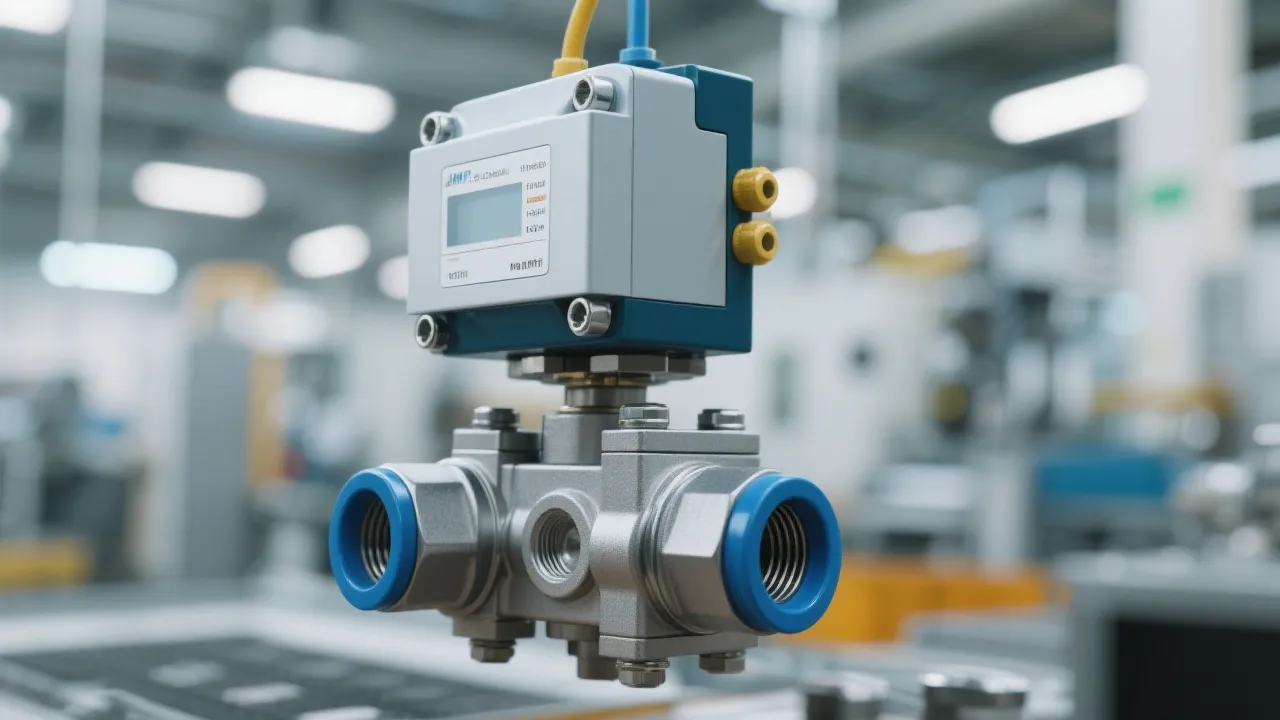
Understanding Proportional Valves
Proportional valves are hydraulic components vital for controlling fluid flow and pressure with high precision in various industrial applications. Their importance in automation and manufacturing settings stems from their ability to offer variable output in response to input signals, greatly enhancing system efficiency and performance.
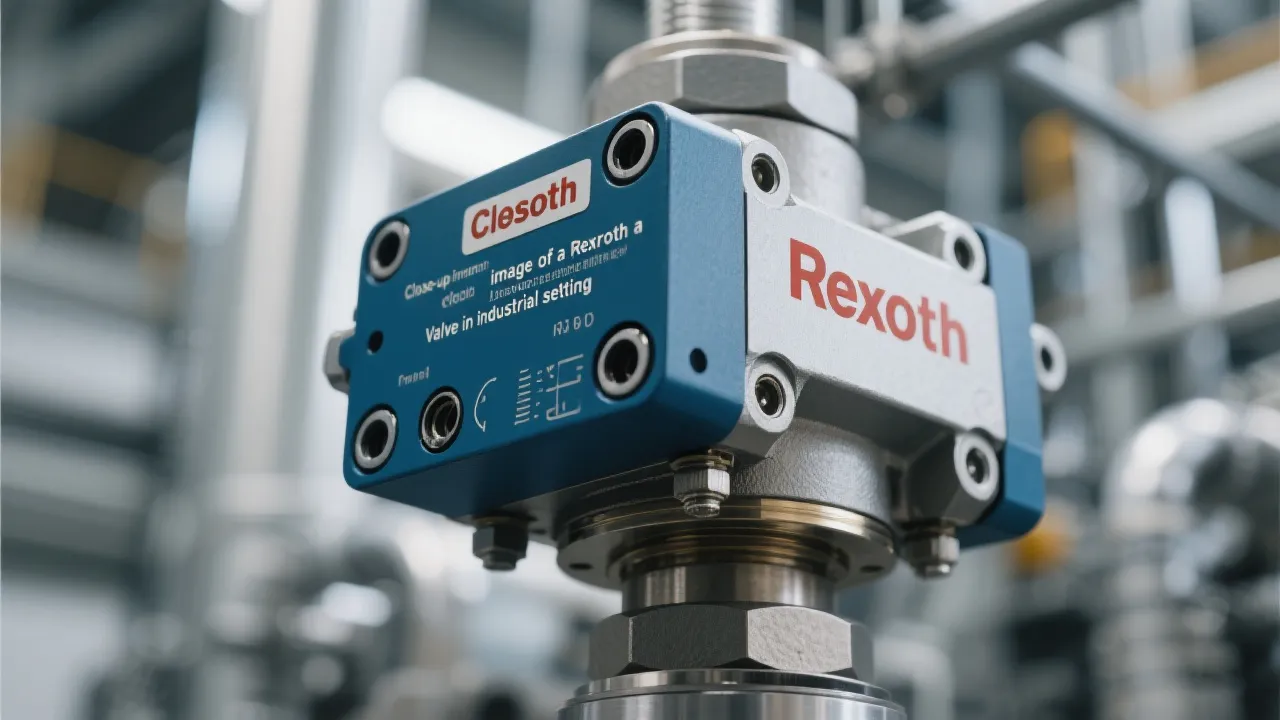
Understanding Rexroth Valve Systems
Rexroth Valves are quintessential components in various industrial applications, known for their precision and reliability. These hydraulic, pneumatic, and electrohydraulic valves regulate fluid flow in machinery, ensuring optimal performance and safety. Understanding their functionality and benefits is crucial for industries seeking efficiency and sustainability in their operations.

Unveiling Thermo Fisher Chromatography
This article explores the pivotal role of Thermo Fisher Chromatography in modern analytical science. Chromatography is crucial for separating compounds within mixtures, making it indispensable in industries such as pharmaceuticals and environmental testing. Thermo Fisher Scientific stands out in this field for its innovative solutions, leading to improved accuracy and efficiency in research and development.

Understanding Corrosion Inhibitor Manufacturers
In today's industrial landscape, corrosion inhibitor manufacturers play a crucial role in safeguarding equipment and infrastructure against corrosive damage. These manufacturers provide specialized chemicals that prevent corrosion in various environments, including industries such as oil and gas, marine, and construction. Understanding their operations and offerings is essential for selecting the right supplier and maintaining asset longevity.

Analyzing Lm66100 Digikey Components
This article offers an in-depth analysis of the Lm66100 component available through Digikey, a renowned distributor of electronic components. The Lm66100, a load switch, is integral in industry applications, providing efficient power management. This piece explores its features, applications, and availability through Digikey, while offering a comprehensive guide for industry professionals seeking to optimize their electronic designs.

Leading Corrosion Inhibitor Suppliers
Corrosion inhibitor manufacturers play a crucial role in protecting materials from degradation. These companies specialize in creating chemical compounds that slow down or prevent the corrosive effects on various surfaces, especially metals. Understanding their production processes and solutions offered is vital for industries reliant on metal infrastructure.