Corrosion inhibitive sealants play a crucial role in protecting metal surfaces from degradation caused by environmental factors. These sealants create a protective barrier that helps extend the life of metal components in various industrial and commercial applications. Understanding their composition, application, and benefits is vital for industries aiming to maintain structural integrity and operational efficiency.
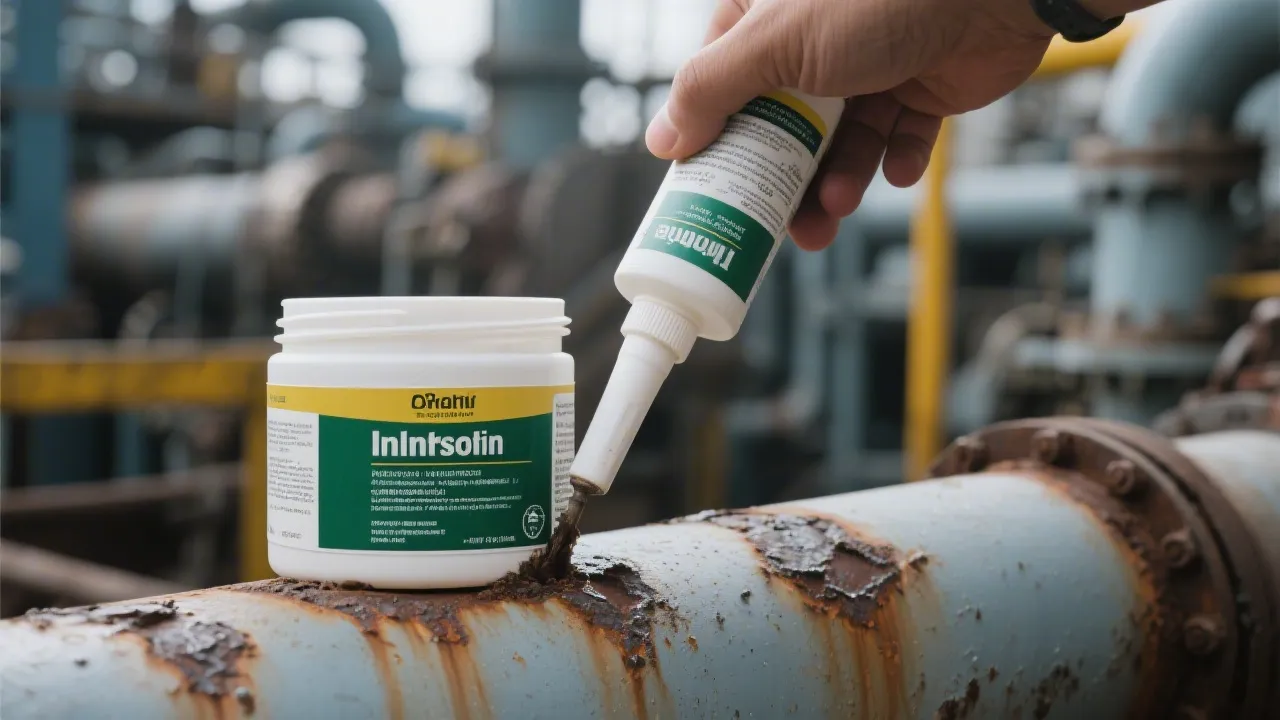
Metal surfaces across industries are constantly under threat from environmental factors like moisture, oxygen, and pollutants, leading to corrosion. Corrosion inhibitive sealants are designed to prevent this degradation by forming a protective barrier that halts or slows down the oxidation process. They are vital in industries such as aerospace, automotive, and construction, where metal integrity is crucial for safety and performance. The ongoing battle against corrosion not only affects the lifespan of metallic components but also poses significant safety and financial risks. Therefore, understanding the function and benefits of corrosion inhibitive sealants is essential for anyone involved in industries reliant on metallic structures.
Corrosion Inhibitive Sealants are specialized compounds applied to metal surfaces to prevent or reduce the corrosion rate. They work by blocking the access of corrosive elements, such as water and oxygen, to the metal surface. This is achieved through a combination of chemical inhibitors that react with corrosive substances and physically block them. These sealants are available in various forms; liquids, pastes, and aerosols cater to different application needs and environments. The versatility of sealants allows them to be specially formulated for various substrates, ensuring optimal performance and protection in different settings.
The effectiveness of corrosion inhibitive sealants lies in their chemical composition. Many of these sealants contain inhibitors that can either be anodic, cathodic, or mixed. Anodic inhibitors work by creating a protective oxide film on the metal surface, while cathodic inhibitors reduce the amount of dissolved oxygen in the environment. Mixed inhibitors combine the benefits of both to provide comprehensive protection. Selecting the right inhibitors is crucial; for instance, in environments where moisture levels are high, a sealant with strong cathodic inhibitors may be preferred to prevent electrochemical corrosion.
Furthermore, compatibility with various metal types is a critical factor in choosing a sealant, as different metals may react differently with certain inhibitors. Moreover, understanding the pH levels and the environmental conditions where the sealants will be applied is equally important. Advances in sealant technology incorporate nanotechnology where nanoparticles are used to enhance barrier properties, allowing for thinner coatings that do not sacrifice durability.
Corrosion inhibitive sealants are pivotal in numerous industries:
Investing in corrosion inhibitive sealants offers numerous benefits:
Choosing the appropriate corrosion inhibitive sealant involves evaluating several factors:
| Criteria | Considerations |
|---|---|
| Material Compatibility | Ensure the sealant is chemically compatible with the metal surface, preventing unwanted reactions that could lead to failure. |
| Environmental Conditions | Consider factors like humidity, temperature, and exposure to chemicals; certain sealants may be ideal in cold climates while others may excel in hotter, drier conditions. |
| Application Method | Select a sealant that suits your application method, whether it’s brushed, sprayed, or applied via another method. Some sealants are designed specifically for easy application in challenging conditions. |
| Performance Requirements | Determine the performance requirements necessary for the application, such as resistance to mechanical abrasion, detergents, or high temperatures. This can significantly influence the type of sealant chosen. |
| Regulatory Standards | Be aware of any industry-specific regulations and standards that may govern the selection of sealants, as non-compliance could lead to fines or project delays. |
The realm of corrosion inhibitive sealants is ever-evolving, driven by advancements in material science and increasing awareness of environmental issues. Notably, several trends are shaping the future of these products:
Despite their considerable advantages, the use of corrosion inhibitive sealants is not without challenges:
Ensuring the integrity of metal structures and components in industrial settings is paramount. Corrosion inhibitive sealants offer a robust solution, combining chemical and physical protection mechanisms to mitigate corrosion effectively. By selecting the appropriate sealant tailored to specific needs, industries can significantly enhance the lifespan and performance of their metal assets. With the evolution of technology and increasing emphasis on environmental sustainability, the future of corrosion inhibitive sealants appears promising, offering even more effective solutions to combat one of the oldest challenges faced by mankind: corrosion.
Striking the Perfect Balance: Navigating Premiums and Out-of-Pocket Expenses in Senior Insurance Plans

Explore the Tranquil Bliss of Idyllic Rural Retreats

How to Make Lasting Memories at Disneyland Attractions

Affordable Phones and Plans for Seniors

Affordable Full Mouth Dental Implants Near You

Unlock the Top Kept Secrets to Finding Your Ideal Dentist for Flawless Dental Implant Results!

Discovering Springdale Estates

The Guide to Car Trading

Affordable Cell Phones Without Plans

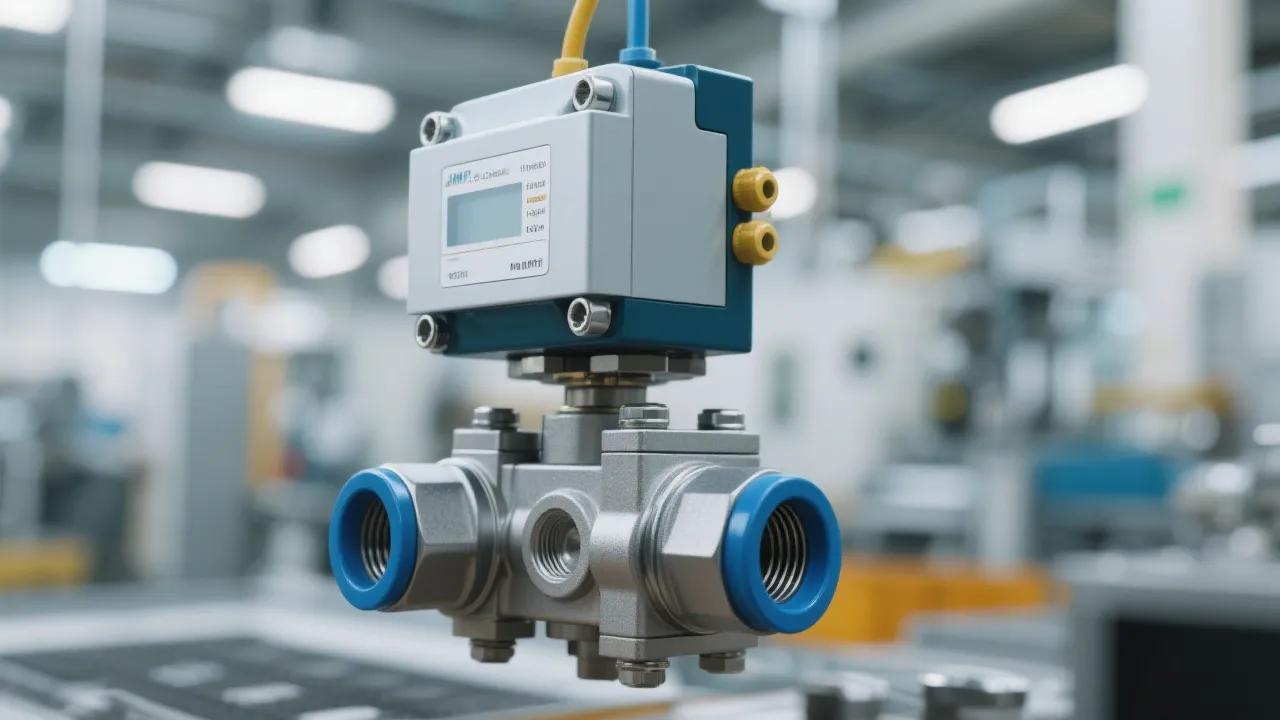
Understanding Proportional Valves
Proportional valves are hydraulic components vital for controlling fluid flow and pressure with high precision in various industrial applications. Their importance in automation and manufacturing settings stems from their ability to offer variable output in response to input signals, greatly enhancing system efficiency and performance.
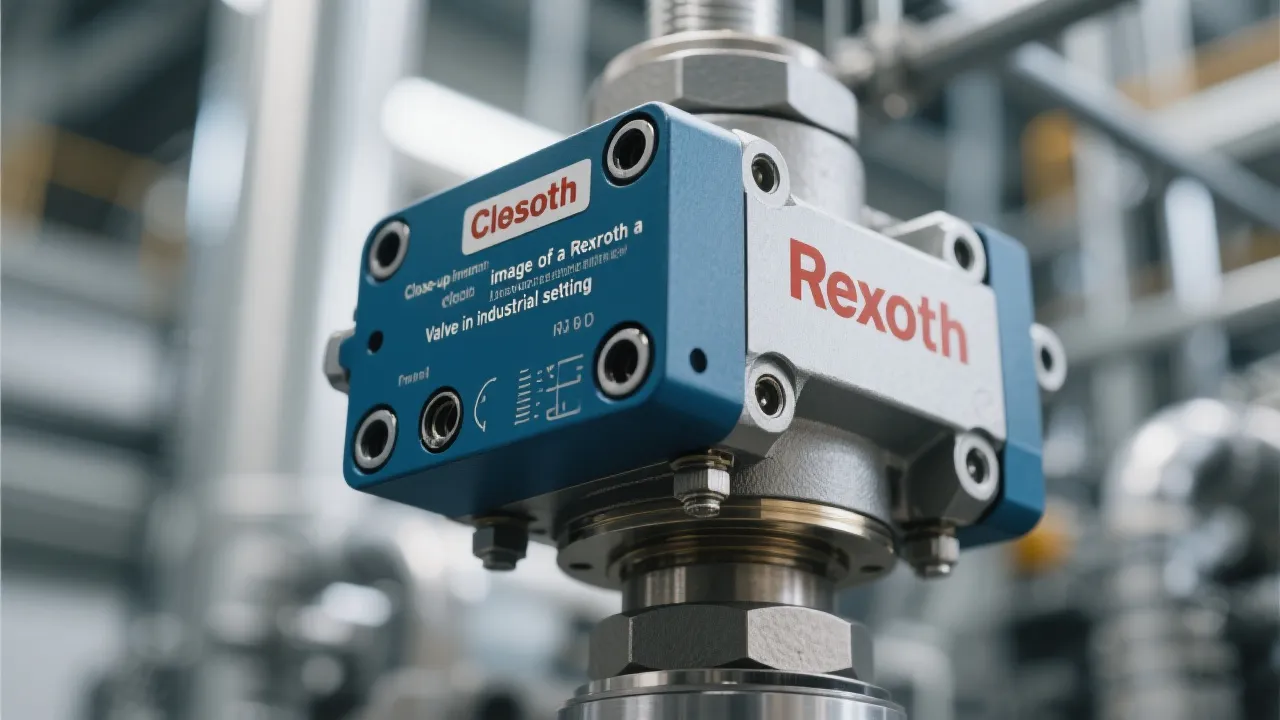
Understanding Rexroth Valve Systems
Rexroth Valves are quintessential components in various industrial applications, known for their precision and reliability. These hydraulic, pneumatic, and electrohydraulic valves regulate fluid flow in machinery, ensuring optimal performance and safety. Understanding their functionality and benefits is crucial for industries seeking efficiency and sustainability in their operations.

Unveiling Thermo Fisher Chromatography
This article explores the pivotal role of Thermo Fisher Chromatography in modern analytical science. Chromatography is crucial for separating compounds within mixtures, making it indispensable in industries such as pharmaceuticals and environmental testing. Thermo Fisher Scientific stands out in this field for its innovative solutions, leading to improved accuracy and efficiency in research and development.

Understanding Corrosion Inhibitor Manufacturers
In today's industrial landscape, corrosion inhibitor manufacturers play a crucial role in safeguarding equipment and infrastructure against corrosive damage. These manufacturers provide specialized chemicals that prevent corrosion in various environments, including industries such as oil and gas, marine, and construction. Understanding their operations and offerings is essential for selecting the right supplier and maintaining asset longevity.

Analyzing Lm66100 Digikey Components
This article offers an in-depth analysis of the Lm66100 component available through Digikey, a renowned distributor of electronic components. The Lm66100, a load switch, is integral in industry applications, providing efficient power management. This piece explores its features, applications, and availability through Digikey, while offering a comprehensive guide for industry professionals seeking to optimize their electronic designs.

Leading Corrosion Inhibitor Suppliers
Corrosion inhibitor manufacturers play a crucial role in protecting materials from degradation. These companies specialize in creating chemical compounds that slow down or prevent the corrosive effects on various surfaces, especially metals. Understanding their production processes and solutions offered is vital for industries reliant on metal infrastructure.