This guide delves into the intricacies of corrosion inhibitive sealants, crucial for extending the life and performance of metal components in various industries. These sealants form a protective barrier against corrosive elements, often used in automotive, aerospace, and maritime applications to prevent material degradation and maintain structural integrity.
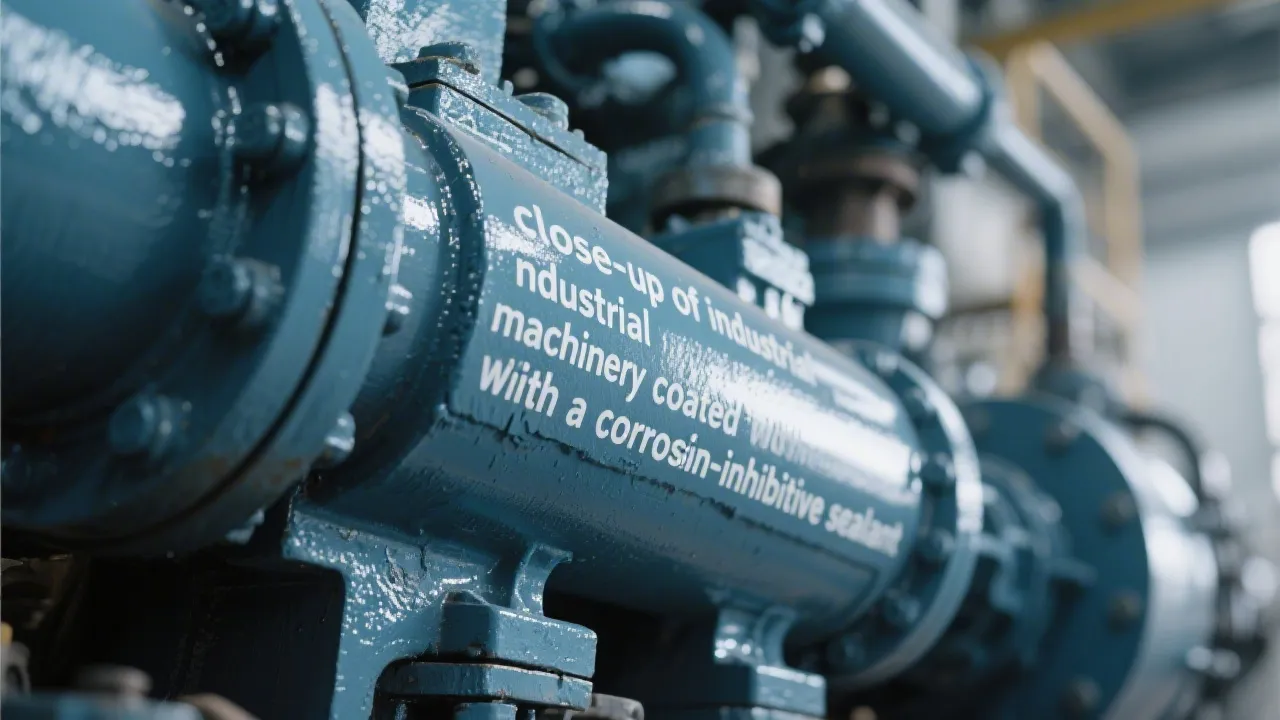
Corrosion inhibitive sealants play a vital role in preserving the integrity of metal structures and components. By forming a protective barrier, these sealants prevent corrosive elements such as moisture, salt, and chemical agents from interacting with the metal surface. The necessity for corrosion prevention is paramount across numerous industries, including automotive, aerospace, and maritime sectors, where material failure can lead to significant safety and financial repercussions. In an era where sustainability and durability are essential, these sealants are increasingly becoming the go-to solutions for extending the lifespan and performance of metallic assemblies.
Corrosion inhibitive sealants are typically composed of a combination of polymers and inhibitors that synergize to offer robust protection. Polymers provide the adhesive and cohesive characteristics necessary for forming a durable film, while inhibitors are tailored to interact chemically with potential corrosive agents. Such precise formulation ensures that the metal surface remains untouched by external damaging factors. Common polymer types found in these sealants include polyurethanes, silicones, and epoxies, each selected based on the specific requirements of the application at hand.
The functionality of these sealants relies heavily on their ability to create a physical barrier, as well as their chemical composition that neutralizes or retards corrosive species. For example, aminic or azole-based inhibitors work by forming protective films on the metal surface, actively preventing ions from penetrating into the underlying material. This unique blend of properties makes corrosion inhibitive sealants one of the most effective tools in battle against metal deterioration.
By employing corrosion inhibitive sealants, industries enhance the longevity of their equipment and structures, reduce maintenance costs, and improve safety outcomes. These sealants not only provide a protective layer but also improve the aesthetic appeal of the surfaces they cover, leading to better end-user satisfaction. Additionally, extending the life of metal components contributes positively to environmental sustainability by reducing waste and the need for raw material extraction, thus supporting the circular economy. The benefits of using corrosion inhibitive sealants extend beyond mere protection; they influence factors such as operational efficiency and safety, making them indispensable in modern manufacturing and maintenance protocols.
Choosing the right corrosion inhibitive sealant involves considering several factors, including environmental exposure, temperature fluctuations, and the specific type of metal being treated. Manufacturers often provide detailed datasheets that guide users toward products suited to their unique operational conditions. Key aspects to evaluate during the selection process include:
Awareness of these factors ensures that the selected corrosion inhibitive sealant provides maximum protection and efficiency for its intended use.
| Sealant Type | Optimal Use Case | Key Features |
|---|---|---|
| Polyurethane-Based | Automotive parts exposed to road salts | High flexibility and strong bonding, excellent for dynamic applications. |
| Silicone-Based | Aerospace and high-altitude aircraft parts | Temperature resistance and durability, ideal for extreme conditions. |
| Epoxy-Based | Marine environments with constant saltwater exposure | Excellent water and chemical resistance; known for its rigidity and strength. |
| Oil-Based | General industrial applications | Good adhesion and weather resistance, suitable for various metals. |
| Water-Based | Indoor applications where low VOC (volatile organic compound) is critical | Low odor and easy clean-up, making it user-friendly. |
| Thermoplastic Sealants | High movement applications | Flexibility and resistance to UV degradation. |
These sealants extend the life of metal components, reduce maintenance needs, provide safety improvements, and promote environmental sustainability by lowering waste production. Additionally, they help maintain the aesthetic appearance of the metals, leading to enhanced customer satisfaction and market value of products.
Key considerations include the specific operating environment, temperature range, the type of metal, and detailed product datasheets provided by the manufacturer. The selection process should also take into account the intended application method and curing requirements of the sealant to ensure compatibility and performance.
While highly effective, no sealant offers complete immunity to corrosion. Regular inspections and maintenance are still required to ensure ongoing protection. Environmental factors such as continuous exposure to harsh chemicals or extreme temperatures can also affect the longevity and effectiveness of corrosion inhibitive sealants, underlining the need for appropriate selection and forecasting maintenance schedules.
The frequency of inspections largely depends on the operational conditions and the performance demands placed on the metal components. Generally, semi-annual inspections are advisable for critical applications, while less critical installations may only need annual checks. Observing any signs of corrosion or deterioration at earlier intervals can facilitate timely repairs and save costs in the long run.
Yes, most corrosion inhibitive sealants can be reapplied; however, the timing for reapplication depends on environmental exposure and the sealant used. Manufacturers usually provide guidance on when to reapply after the initial application. Regular inspections can inform decisions to reapply, especially if the sealant shows signs of wear or degradation over time.
The development of corrosion inhibitive sealants is continuously evolving with advancements in material science and technology. Some trends expected to dominate the future of sealants include:
Corrosion inhibitive sealants represent a critical component in the protection of metal structures across various industries. Their diverse applications, combined with the benefits they provide in material longevity and operational safety, underscore their importance in modern engineering practices. As technology evolves and sustainability becomes a focal point in manufacturing, the future of corrosion inhibitive sealants is poised for significant advancements. Through informed selection and proper application of these sealants, businesses can enhance their operational efficiency while contributing positively to environmental sustainability.
Striking the Perfect Balance: Navigating Premiums and Out-of-Pocket Expenses in Senior Insurance Plans

Explore the Tranquil Bliss of Idyllic Rural Retreats

How to Make Lasting Memories at Disneyland Attractions

Affordable Phones and Plans for Seniors

Affordable Full Mouth Dental Implants Near You

Unlock the Top Kept Secrets to Finding Your Ideal Dentist for Flawless Dental Implant Results!

Discovering Springdale Estates

The Guide to Car Trading

Affordable Cell Phones Without Plans

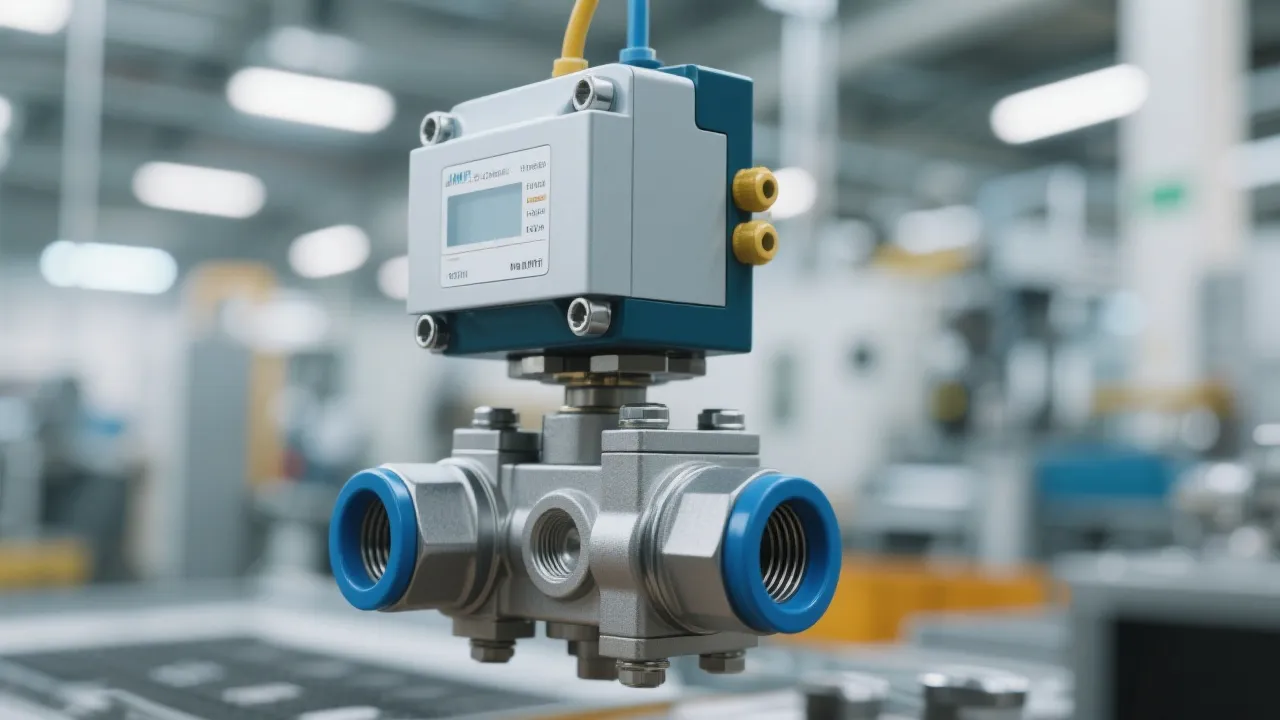
Understanding Proportional Valves
Proportional valves are hydraulic components vital for controlling fluid flow and pressure with high precision in various industrial applications. Their importance in automation and manufacturing settings stems from their ability to offer variable output in response to input signals, greatly enhancing system efficiency and performance.
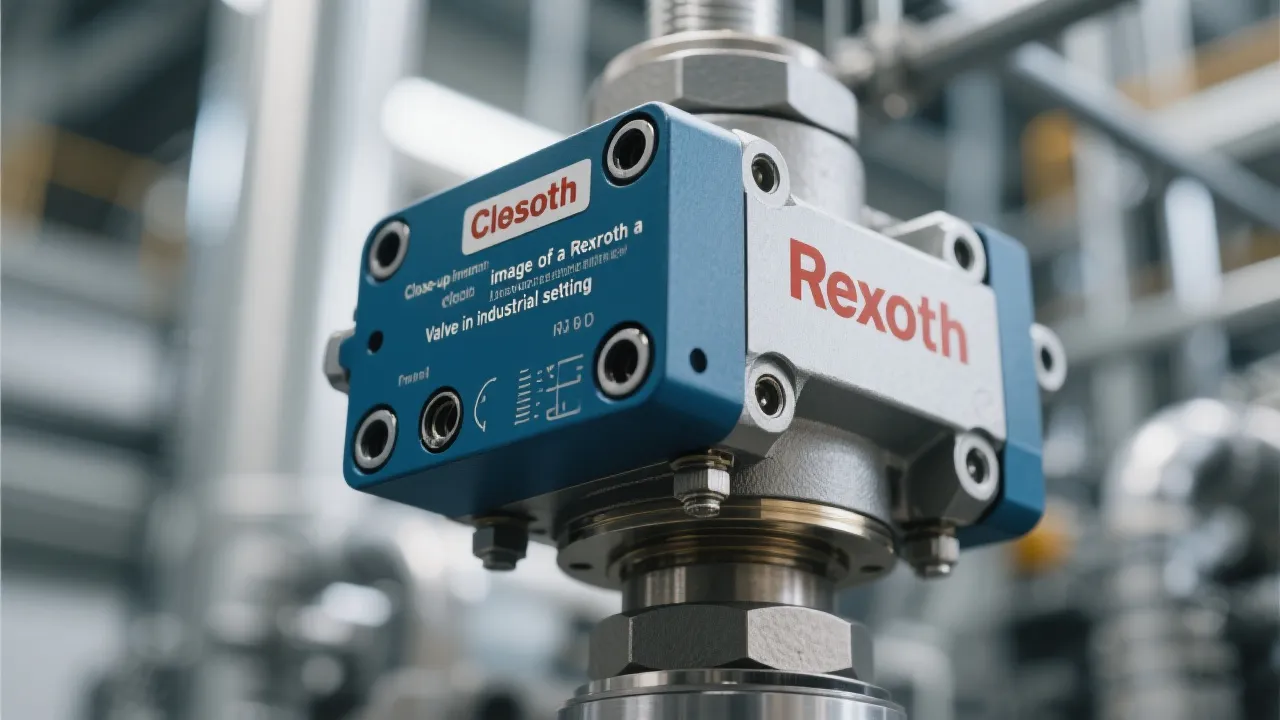
Understanding Rexroth Valve Systems
Rexroth Valves are quintessential components in various industrial applications, known for their precision and reliability. These hydraulic, pneumatic, and electrohydraulic valves regulate fluid flow in machinery, ensuring optimal performance and safety. Understanding their functionality and benefits is crucial for industries seeking efficiency and sustainability in their operations.

Unveiling Thermo Fisher Chromatography
This article explores the pivotal role of Thermo Fisher Chromatography in modern analytical science. Chromatography is crucial for separating compounds within mixtures, making it indispensable in industries such as pharmaceuticals and environmental testing. Thermo Fisher Scientific stands out in this field for its innovative solutions, leading to improved accuracy and efficiency in research and development.

Understanding Corrosion Inhibitor Manufacturers
In today's industrial landscape, corrosion inhibitor manufacturers play a crucial role in safeguarding equipment and infrastructure against corrosive damage. These manufacturers provide specialized chemicals that prevent corrosion in various environments, including industries such as oil and gas, marine, and construction. Understanding their operations and offerings is essential for selecting the right supplier and maintaining asset longevity.

Analyzing Lm66100 Digikey Components
This article offers an in-depth analysis of the Lm66100 component available through Digikey, a renowned distributor of electronic components. The Lm66100, a load switch, is integral in industry applications, providing efficient power management. This piece explores its features, applications, and availability through Digikey, while offering a comprehensive guide for industry professionals seeking to optimize their electronic designs.

Leading Corrosion Inhibitor Suppliers
Corrosion inhibitor manufacturers play a crucial role in protecting materials from degradation. These companies specialize in creating chemical compounds that slow down or prevent the corrosive effects on various surfaces, especially metals. Understanding their production processes and solutions offered is vital for industries reliant on metal infrastructure.
