This guide delves into the characteristics of the strongest bolts available today. Bolts are crucial components in construction and manufacturing, ensuring stability and strength. With the advent of advanced materials and engineering techniques, the industry has seen a substantial evolution in bolt performance, making them indispensable in high-stress applications. This article provides expert insights into the mechanics, materials, and applications of these powerful fasteners.
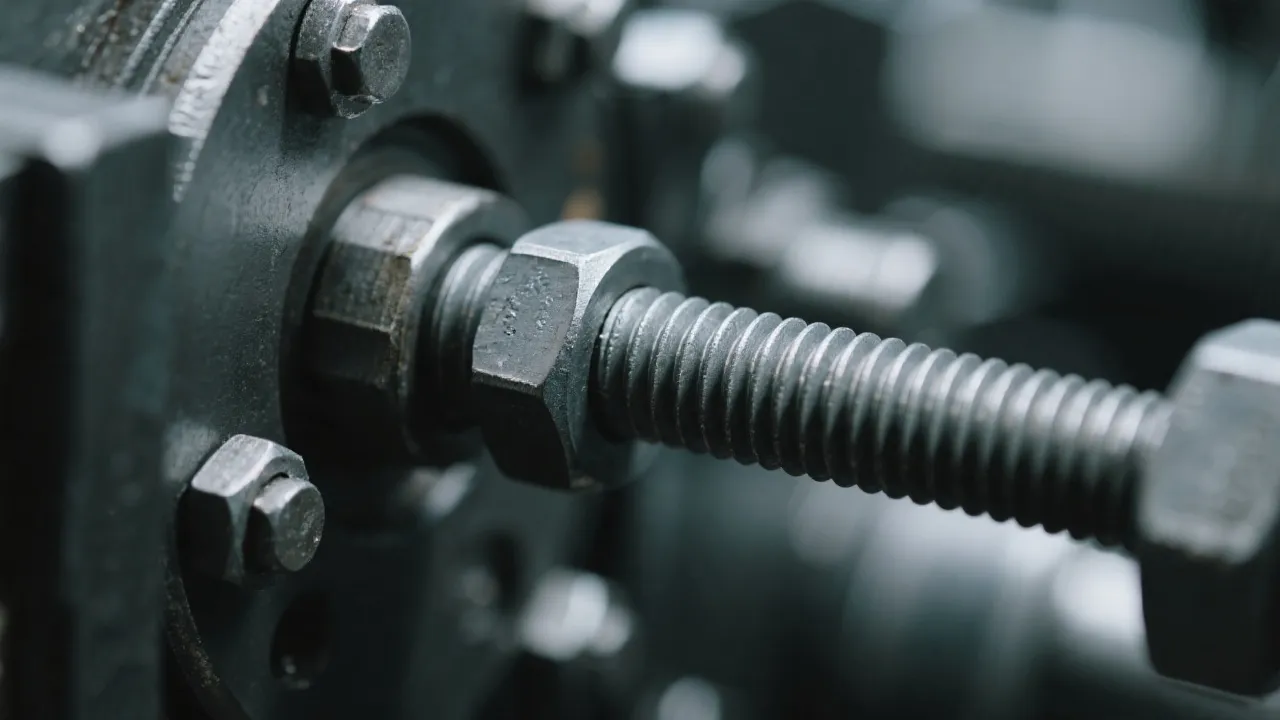
Bolts are fundamental elements in engineering and construction, responsible for holding together various components under a range of stress conditions. The right bolts ensure the structural integrity of buildings, machinery, and vehicles. Over the years, the demand for tougher, more reliable fasteners has led to advances in bolt design and materials, culminating in what many regard as the strongest bolts available today. This evolution in bolt technology reflects not only the increasing complexity of engineering designs but also the advancing understanding of material sciences and the requirements of modern applications.
As various sectors continue to push the limits of engineering capabilities, understanding the role of bolts and their characteristics becomes essential. From the foundations of towering skyscrapers to the intricate assemblies within aircraft, bolts form the backbone of functionality, safety, and efficiency. This exploration into the aspects of bolts is crucial for both current professionals in the field and the next generation of engineers who will rely on these fasteners in their work.
The strongest bolts are typically characterized by their ability to withstand extreme forces without deforming or breaking. Key attributes include tensile strength, shear strength, durability, and corrosion resistance. Tensile strength refers to the maximum amount of tensile (pulling) stress that a bolt can withstand before it fails or breaks. Shear strength, on the other hand, measures how much force a bolt can endure parallel to its axis before being cut or failing. Together, these strengths dictate the performance and usability of bolts in demanding applications.
Durability is another critical factor, as the lifespan of bolts can directly affect maintenance costs and safety. A durable bolt maintains its integrity over time, even when exposed to factors such as fatigue, thermal cycling, and environmental degradation. Corrosion resistance is crucial in applications exposed to moisture, chemicals, or other corrosive environments, preventing weakening and failure over time. When creating strong bolts, manufacturers often utilize advanced materials such as high-grade stainless steel, titanium, or specially alloyed metals designed to meet the rigorous demands of modern engineering projects.
Strong bolts are essential in various industries, from construction to automotive and beyond. Their application leaves an indelible mark on the functionality and safety of structures and machines. In construction, strong bolts are vital in constructing skyscrapers, bridges, and sports arenas; they hold together steel frames and provide stability against dynamic forces such as wind and earthquakes.
In the automotive industry, bolts secure critical components, including engines and chassis. High-strength bolts are integral to maintaining structural integrity during harsh operations. Performance vehicles often employ titanium bolts that offer a balance of weight savings and extreme performance, enhancing speed and handling without compromising safety. Similarly, in railways and transportation systems, strong bolts are used to secure tracks, ensuring trains travel safely at high speeds without risk of derailment.
Moreover, industries such as manufacturing and assembly lines depend heavily on strong bolts. Whether securing machinery parts or holding together structures during assembly, strong bolts are crucial for the efficiency and reliability of production processes. In aerospace, every bolt is subjected to rigorous tests and is designed to withstand significant forces, making the selection of the appropriate bolt critical to flight safety.
| Material | Applications | Benefits |
|---|---|---|
| High-Grade Stainless Steel | Outdoors, Marine Environments | Corrosion Resistance, Strength |
| Titanium Alloys | Aerospace, Military | Lightweight, High Strength, Corrosion Resistance |
| Specialty Alloys | High Stress Environments | Enhanced Strength, Customized for Specific Conditions |
Each of these compositions offers distinct advantages based on the application. For instance, while high-grade stainless steel is exceptional for resistance to rust, titanium's ultra-lightweight and high strength make it invaluable in aerospace applications. Specialty alloys can be tailored for specific challenges, providing both customization and performance enhancements typically not found in standard materials.
When selecting bolts for engineering applications, several design considerations should come into play. Understanding load conditions is the first step in determining the appropriate bolt type. Load conditions incorporate how much weight the bolt will need to support, the nature of the forces – whether static (steady) or dynamic (changing loads) – and any environmental factors that could affect performance.
Environmental exposure must be carefully evaluated as well. For instance, a bolt subjected to saline water near the coast requires materials with superior corrosion resistance compared to one used indoors in a climate-controlled environment. Factors such as temperature ranges, humidity, and chemical exposure all play crucial roles in material selection and ultimately the longevity of the fastener in its application.
Material compatibility is equally important in ensuring that bolts function correctly and do not react adversely with other materials in the assembly. Some metals can undergo galvanic corrosion when in contact with dissimilar metals, which can degrade the performance of bolts over time. Engineers must ensure that selected bolts can withstand and operate within the conditions of their environment without compromising integrity or performance.
When selecting bolts for a project, it is crucial to match the bolt's characteristics with the specific needs of the application. Consulting with suppliers and engineers can offer insights into the very suitable options, ensuring that the chosen bolts deliver the required performance. Experienced engineers often recommend thorough testing and validation before finalizing a bolt selection, particularly for high-stakes projects where safety and reliability are non-negotiable.
Utilizing development standards set by organizations such as ASTM (American Society for Testing and Materials) and SAE (Society of Automotive Engineers) can also guide the selection process. These organizations provide classifications for bolt grades based on their material properties and recommend best practices for installation and maintenance. Following such guidelines can enhance the performance and reliability of bolt applications across industries.
Even the strongest bolts require routine maintenance and inspection to ensure that they continue to perform effectively over time. Inspections should focus on the condition of the bolts, checking for signs of fatigue, corrosion, or other forms of wear that can compromise their integrity. Regular monitoring schedules, especially in critical applications such as bridges or high-traffic areas, can prevent catastrophic failures.
Techniques such as torque testing, visual inspections, and non-destructive testing methods are employed, depending on the application. Torque testing ensures that bolts are tightened to the correct specifications, while visual inspections can identify surface deterioration or corrosion. Non-destructive testing methodologies, like ultrasound or magnetic particle inspection, offer deeper insights into a bolt's internal integrity, providing peace of mind for safety-critical applications.
In high-performance environments, engineers may employ advanced monitoring systems that provide real-time data on bolt tension and environmental conditions. Such technologies can enhance predictive maintenance efforts, allowing organizations to address issues before they escalate into serious problems. This proactive approach to maintenance not only ensures safety and reliability but often contributes to cost savings by avoiding costly repairs and downtime.
The future of bolt technology continues to evolve with innovations in materials and design, promising even stronger fasteners for tomorrow's engineering challenges. The potential for new alloys and coatings to enhance performance and expand application possibilities is immense. Furthermore, advancements in manufacturing processes like additive manufacturing (3D printing) open new avenues for producing customized bolts that meet specific engineering challenges with precision.
As industries push toward sustainable practices, there is also an increasing demand for recyclable materials and environmentally friendly manufacturing methods in bolt production. Engineers and manufacturers aiming to optimize their projects' reliability and durability must stay abreast of these advancements and be poised to adapt their practices accordingly.
In summary, the importance of selecting the right bolts cannot be overstated in engineering applications. Their strength and reliability significantly impact the safety and integrity of structures and machinery. A keen understanding of the various materials, their characteristics, and the specific requirements of each application ensures that engineers can make informed decisions that enhance project success. By incorporating advanced technologies and adhering to the best practices, the engineering community can continue to innovate and push the boundaries of what is possible with fasteners.
Striking the Perfect Balance: Navigating Premiums and Out-of-Pocket Expenses in Senior Insurance Plans

Explore the Tranquil Bliss of Idyllic Rural Retreats

How to Make Lasting Memories at Disneyland Attractions

Affordable Phones and Plans for Seniors

Affordable Full Mouth Dental Implants Near You

Unlock the Top Kept Secrets to Finding Your Ideal Dentist for Flawless Dental Implant Results!

Discovering Springdale Estates

The Guide to Car Trading

Affordable Cell Phones Without Plans

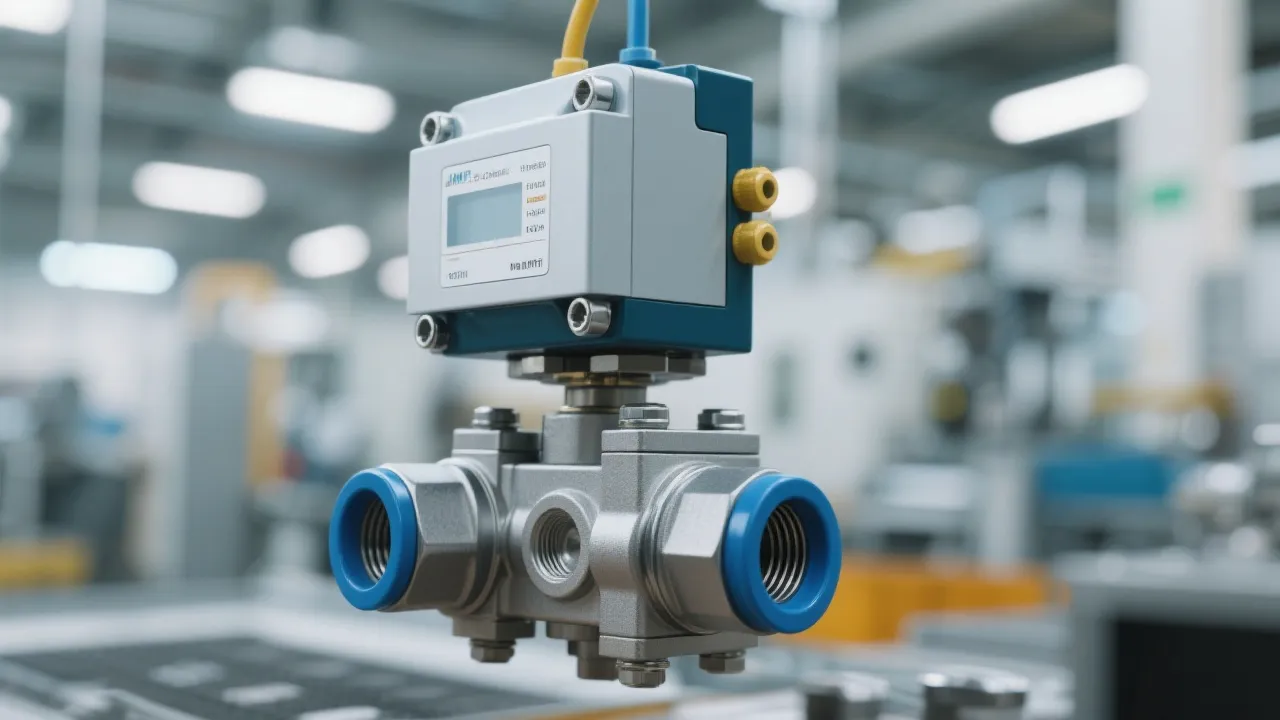
Understanding Proportional Valves
Proportional valves are hydraulic components vital for controlling fluid flow and pressure with high precision in various industrial applications. Their importance in automation and manufacturing settings stems from their ability to offer variable output in response to input signals, greatly enhancing system efficiency and performance.
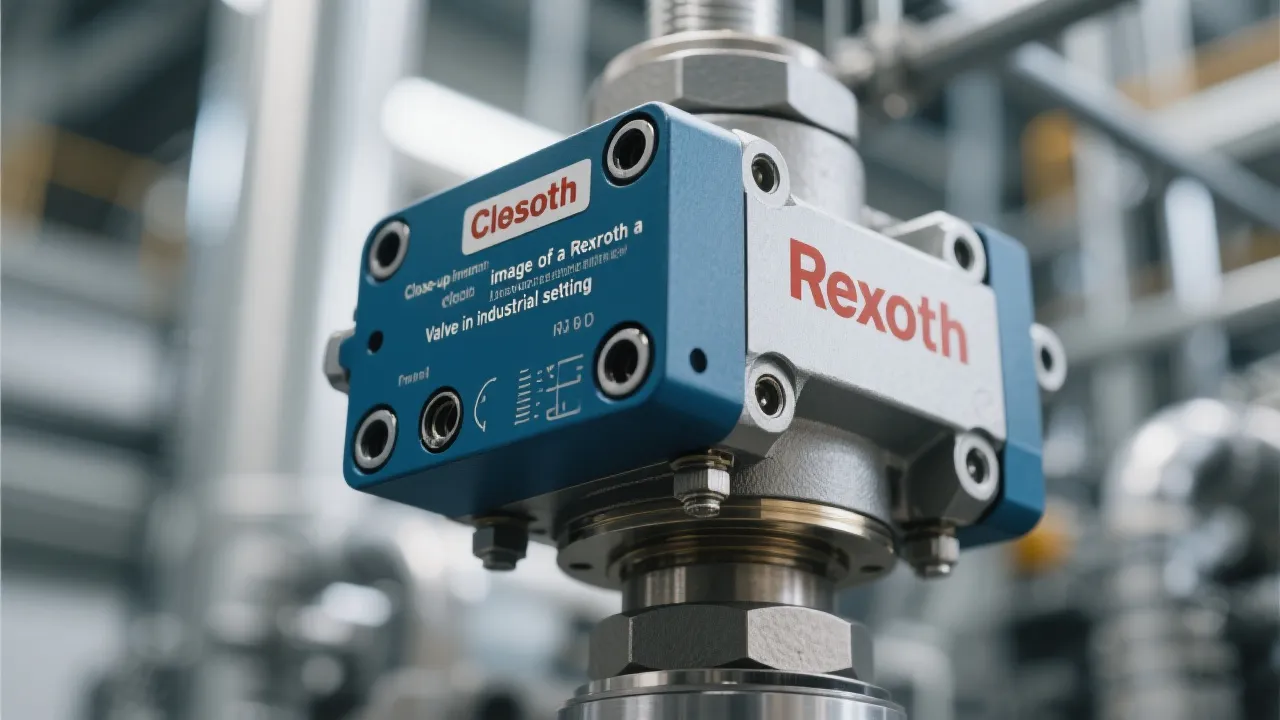
Understanding Rexroth Valve Systems
Rexroth Valves are quintessential components in various industrial applications, known for their precision and reliability. These hydraulic, pneumatic, and electrohydraulic valves regulate fluid flow in machinery, ensuring optimal performance and safety. Understanding their functionality and benefits is crucial for industries seeking efficiency and sustainability in their operations.

Unveiling Thermo Fisher Chromatography
This article explores the pivotal role of Thermo Fisher Chromatography in modern analytical science. Chromatography is crucial for separating compounds within mixtures, making it indispensable in industries such as pharmaceuticals and environmental testing. Thermo Fisher Scientific stands out in this field for its innovative solutions, leading to improved accuracy and efficiency in research and development.

Understanding Corrosion Inhibitor Manufacturers
In today's industrial landscape, corrosion inhibitor manufacturers play a crucial role in safeguarding equipment and infrastructure against corrosive damage. These manufacturers provide specialized chemicals that prevent corrosion in various environments, including industries such as oil and gas, marine, and construction. Understanding their operations and offerings is essential for selecting the right supplier and maintaining asset longevity.

Analyzing Lm66100 Digikey Components
This article offers an in-depth analysis of the Lm66100 component available through Digikey, a renowned distributor of electronic components. The Lm66100, a load switch, is integral in industry applications, providing efficient power management. This piece explores its features, applications, and availability through Digikey, while offering a comprehensive guide for industry professionals seeking to optimize their electronic designs.

Leading Corrosion Inhibitor Suppliers
Corrosion inhibitor manufacturers play a crucial role in protecting materials from degradation. These companies specialize in creating chemical compounds that slow down or prevent the corrosive effects on various surfaces, especially metals. Understanding their production processes and solutions offered is vital for industries reliant on metal infrastructure.
