This exploration provides an in-depth understanding of the strongest bolts utilized in various industries. Bolts are integral components in construction and manufacturing, ensuring the stability and durability of structures and machinery. By examining the characteristics, types, and applications of the strongest bolts, this guide offers valuable insights for professionals looking to make informed decisions about hardware selection.
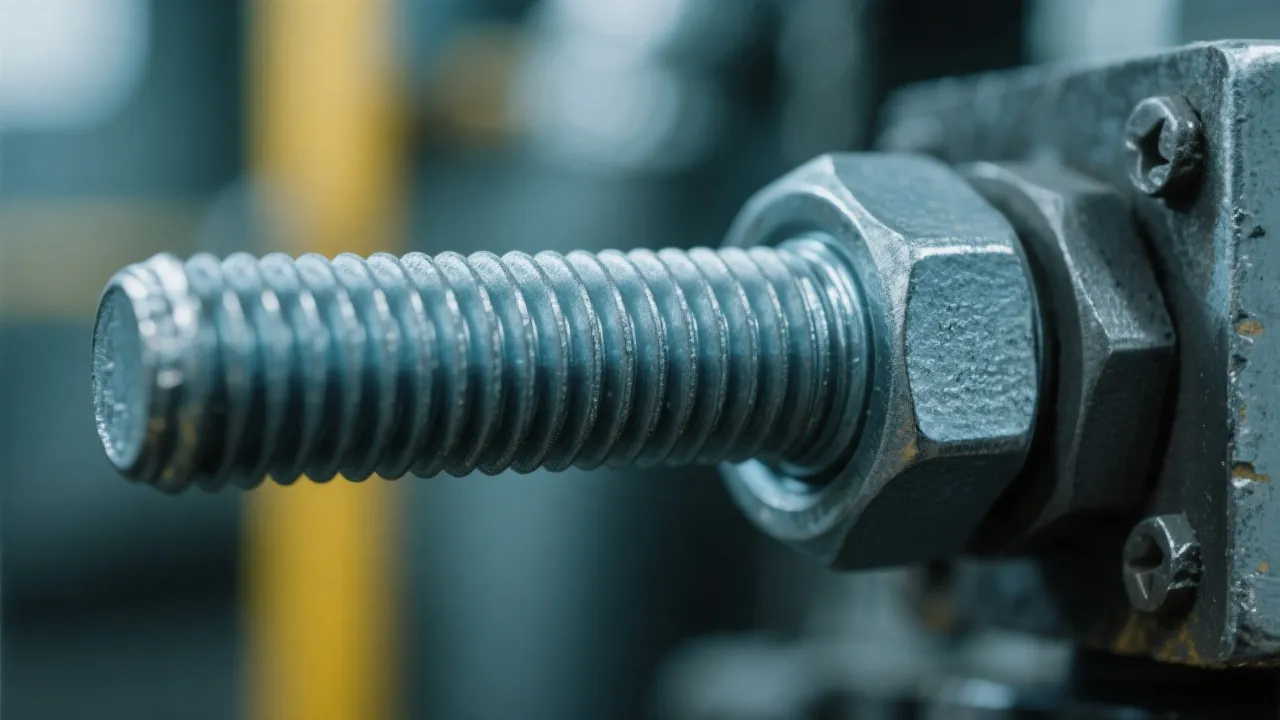
The role of bolts in construction and manufacturing cannot be overstated. These essential fasteners are designed to hold materials securely together, ensuring the stability and longevity of structures and machinery. The strength of a bolt is paramount, particularly in applications where heavy loads and dynamic forces are involved. While all bolts serve the primary purpose of providing structural integrity, the strongest bolts are specifically engineered to perform under extreme conditions. Their design and manufacturing processes have evolved over time, enabling them to withstand conditions that can lead to failure in lesser quality fasteners.
When assessing the strength of a bolt, professionals consider several key characteristics: tensile strength, material composition, and design specifications. Tensile strength is a measure of the maximum load a bolt can support without failure. This property is crucial because it determines whether a bolt can handle the stresses and strains it will encounter in use. The material, often alloy steel, stainless steel, or titanium, contributes significantly to the bolt's overall strength and resistance to environmental factors like corrosion and fatigue. Design specifics, such as the size, thread pattern, and head type, also affect the bolt's performance. A deeper understanding of these factors can help engineers and construction managers choose the right bolts for their projects.
The strongest bolts are employed in a wide array of industries. In construction, they hold together bridges, skyscrapers, and other monumental structures. For example, the Golden Gate Bridge uses high-strength bolts specifically engineered to withstand both continuous tension and loads due to high winds. In automotive and aerospace industries, they are crucial for assembling safe and reliable machinery and vehicles, such as piston engines, where they must endure rapid shifts in force and temperature. The energy sectors, including oil and wind, also rely on high-strength bolts to maintain infrastructure integrity, especially in offshore drilling platforms that face extreme conditions.
Industry experts highlight the importance of selecting the right bolt based on application requirements. Different applications impose varying demands on fasteners, from environmental conditions to physical loads. According to research by the Fastener Standards Group, proper bolt selection and installation are critical to preventing structural failures. Regular inspections and maintenance are equally important to ensure bolts maintain their strength and function over time. For instance, in sectors with corrosive environments, such as marine or chemical industries, corrosion-resistant materials should be prioritized to prolong the lifespan of bolts. Additionally, experts recommend using torque specifications during installation to avoid under-tightening or over-tightening, both of which can lead to failure.
| Manufacturer | Specialties | Quality Certifications | Popular Products |
|---|---|---|---|
| Bolt Master Corp. | Custom engineering solutions | ISO 9001, ASME Certified | Grade 8 Hex Bolts, Stainless Steel Carriage Bolts |
| Strong-Fast Inc. | Heavy-duty automotive bolts | ISO 9001, ITAF 16949 | High-Strength Flange Bolts, Lag Bolts |
| AnchorTech Solutions | Infrastructure and energy sector | ISO 14001, LEED Compliant | Concrete Anchor Bolts, Heavy-Duty Hex Bolts |
| FastenRight Industries | Specialized in aerospace applications | AS9100, ISO 9001 | Titanium Bolts, Custom Aerospace Fasteners |
| Empire Bolt Co. | Providing high-performance construction bolts | ISO 9001, CE Marked | High Strength Skew Bolts, Structural Bolts |
What determines the strength of a bolt? The strength is primarily determined by its material composition, tensile strength, and design specifics. Manufacturers often provide specifications that outline these characteristics, which are crucial for engineers to consider when selecting bolts for specific applications.
Why is tensile strength important in bolts? Tensile strength indicates the maximum stress a bolt can withstand while being stretched or pulled before breaking. This factor is critical in applications where bolts are subject to dynamic loads or stress cycles, such as in machinery or bridges.
How can you maintain the integrity of bolts in structures? Regular inspections, proper installation techniques, and adherence to maintenance schedules help ensure the integrity of bolts over time. Companies often employ predictive maintenance techniques to assess the wear and degradation of bolts, allowing them to replace or reinforce as necessary.
Are there industry standards for manufacturing bolts? Yes, various standards such as ISO, ASME, and ASTM set guidelines for manufacturing bolts to ensure quality and reliability. These standards dictate material properties, manufacturing processes, and testing procedures to ensure that bolts meet safety and performance criteria.
What role does corrosion play in bolt integrity? Corrosion can degrade bolt strength and lead to structural failure. Industries often use coatings, such as galvanization or special paints, to protect bolts from corrosive environments. Additionally, selecting materials like stainless steel can provide inherent corrosion resistance.
Can bolts be reused safely? While some bolts can be reused under certain conditions, it is essential to assess their integrity before reinstallation. Factors such as the bolt's material, previous load history, and any signs of wear or deformation should be considered. Engineers advise against reusing bolts that have been over-torqued or are corroded, as they may not function as required in the new application.
The strongest bolts serve as the backbone in many industrial applications, ensuring safety and structural integrity across various sectors. By understanding their characteristics, types, and applications, industry professionals can make informed choices that align with their specific project needs. Constant advancements in material science and engineering continue to push the boundaries of what these remarkable fasteners can achieve, reflecting their ongoing importance in modern construction and manufacturing. As industries evolve and face new challenges, the role of bolts will inevitably adapt, paving the way for innovations in fastening technology that enhance safety, efficiency, and sustainability.
The future of bolt technology is promising, with research and innovations underway to enhance the performance and reliability of these essential fasteners. One area of significant development is in smart bolts, which integrate sensors and monitoring technologies. These bolts can provide real-time data on load conditions, tension, and even corrosion, enabling maintenance teams to anticipate failures before they occur.
In addition, the push for sustainability is leading manufacturers to explore eco-friendly materials and production processes. Recyclable materials and energy-efficient manufacturing methods are gaining traction as industries strive to minimize their carbon footprint. Advances in composite materials could lead to the development of lighter yet stronger bolts, offering alternatives to traditional metals in various applications.
Moreover, 3D printing technology is being explored as a manufacturing method for bolts. This revolutionary process has the potential to produce custom, on-demand fasteners with intricate designs that traditional methods might not be able to achieve. The ability to tailor bolts to specific applications could enhance performance and reduce waste, making this an exciting avenue for the future of bolt engineering.
Understanding the complexities involved in bolt selection and application is crucial for engineers, manufacturers, and construction professionals. Numerous resources are available to aid in this process. Professional organizations such as the American Fastener Association (AFA) and the Fastener Standards Institute (FSI) provide educational materials, seminars, and certification programs focused on the proper use of fasteners. These organizations emphasize the importance of staying updated with industry standards and best practices.
Furthermore, technical handbooks and databases featuring detailed specifications for different types of bolts are invaluable. They often provide insights into material properties, load ratings, and application guidelines. Online training platforms also offer courses dedicated to the science of fastening, allowing professionals to deepen their understanding and improve their skill sets.
Finally, collaboration with manufacturers and suppliers can open dialogue regarding the latest innovations and best practices in the industry. Suppliers often have significant knowledge about new products, materials, and technologies that can enhance bolt selection and application in various industries.
In conclusion, bolts are an indispensable aspect of industrial applications, ensuring the safety and integrity of a variety of structures and machines. With an ongoing commitment to advancing technologies and materials, the standards for bolts continue to rise. As professionals in the field remain informed about the latest developments, they can leverage this knowledge to make better decisions, promote safety, and enhance efficiency in their projects. As future innovations unfold, the landscape of fastening technology will undoubtedly evolve, bringing with it new challenges and opportunities for all involved in this dynamic and essential industry.
Striking the Perfect Balance: Navigating Premiums and Out-of-Pocket Expenses in Senior Insurance Plans

Explore the Tranquil Bliss of Idyllic Rural Retreats

How to Make Lasting Memories at Disneyland Attractions

Affordable Phones and Plans for Seniors

Affordable Full Mouth Dental Implants Near You

Unlock the Top Kept Secrets to Finding Your Ideal Dentist for Flawless Dental Implant Results!

Discovering Springdale Estates

The Guide to Car Trading

Affordable Cell Phones Without Plans

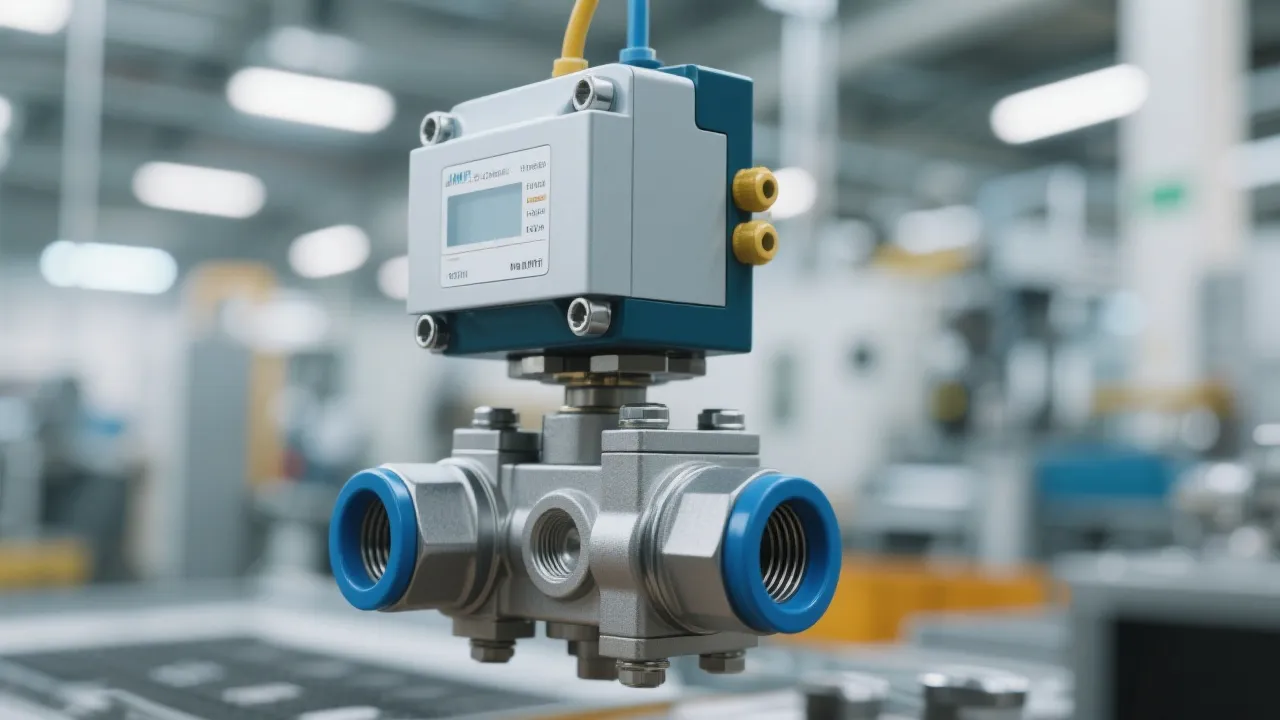
Understanding Proportional Valves
Proportional valves are hydraulic components vital for controlling fluid flow and pressure with high precision in various industrial applications. Their importance in automation and manufacturing settings stems from their ability to offer variable output in response to input signals, greatly enhancing system efficiency and performance.
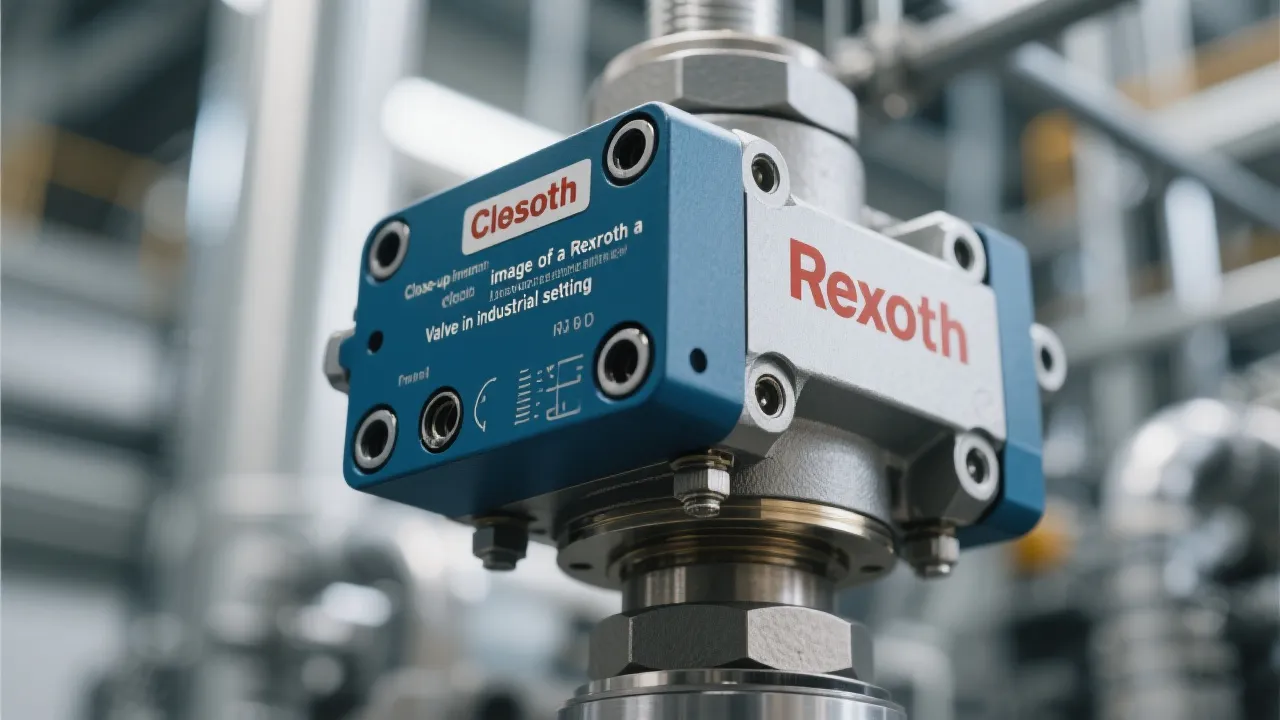
Understanding Rexroth Valve Systems
Rexroth Valves are quintessential components in various industrial applications, known for their precision and reliability. These hydraulic, pneumatic, and electrohydraulic valves regulate fluid flow in machinery, ensuring optimal performance and safety. Understanding their functionality and benefits is crucial for industries seeking efficiency and sustainability in their operations.

Unveiling Thermo Fisher Chromatography
This article explores the pivotal role of Thermo Fisher Chromatography in modern analytical science. Chromatography is crucial for separating compounds within mixtures, making it indispensable in industries such as pharmaceuticals and environmental testing. Thermo Fisher Scientific stands out in this field for its innovative solutions, leading to improved accuracy and efficiency in research and development.

Understanding Corrosion Inhibitor Manufacturers
In today's industrial landscape, corrosion inhibitor manufacturers play a crucial role in safeguarding equipment and infrastructure against corrosive damage. These manufacturers provide specialized chemicals that prevent corrosion in various environments, including industries such as oil and gas, marine, and construction. Understanding their operations and offerings is essential for selecting the right supplier and maintaining asset longevity.

Analyzing Lm66100 Digikey Components
This article offers an in-depth analysis of the Lm66100 component available through Digikey, a renowned distributor of electronic components. The Lm66100, a load switch, is integral in industry applications, providing efficient power management. This piece explores its features, applications, and availability through Digikey, while offering a comprehensive guide for industry professionals seeking to optimize their electronic designs.

Leading Corrosion Inhibitor Suppliers
Corrosion inhibitor manufacturers play a crucial role in protecting materials from degradation. These companies specialize in creating chemical compounds that slow down or prevent the corrosive effects on various surfaces, especially metals. Understanding their production processes and solutions offered is vital for industries reliant on metal infrastructure.
