Motorola radios, renowned for their durability and advanced technology, play pivotal roles across various sectors. These robust communication tools are indispensable in industries like public safety, construction, and leisure due to their reliability and innovation. As the demand for seamless communication grows, understanding the capabilities and benefits of Motorola radios is crucial for professionals and enthusiasts alike.
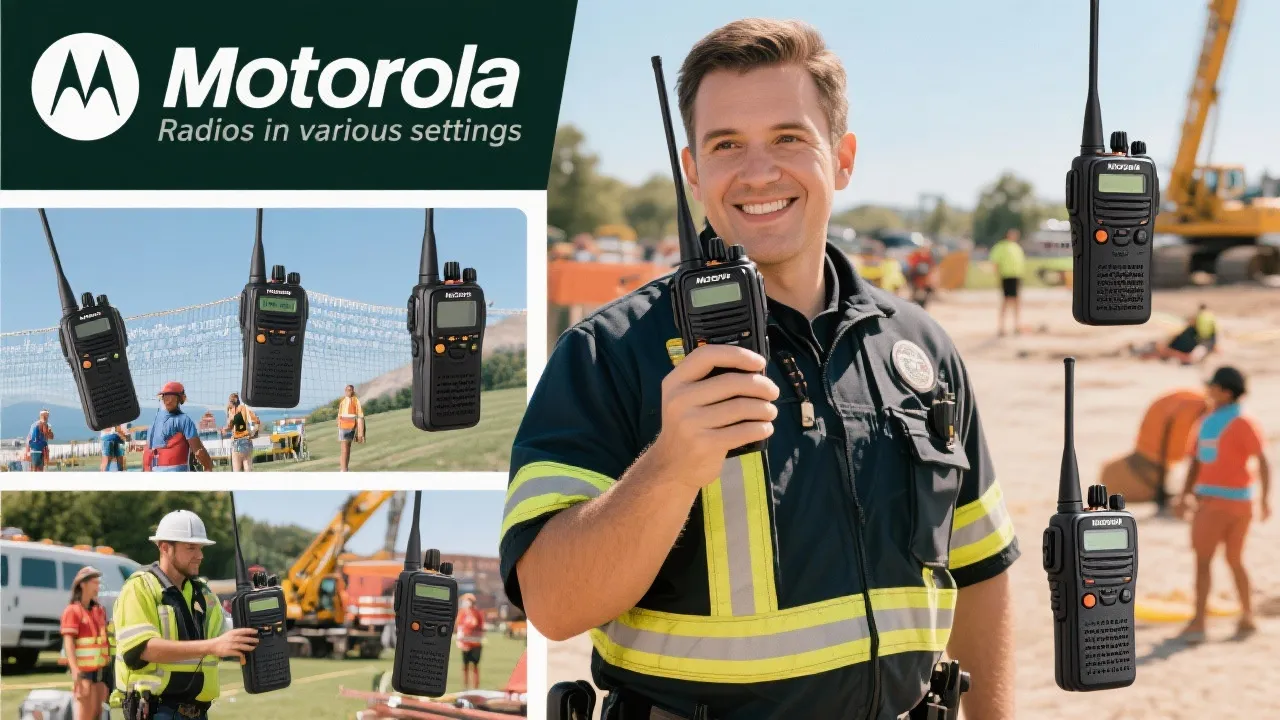
Motorola Radios have long been synonymous with reliable, efficient communication solutions. From the advent of two-way radios in the early 20th century to the sophisticated digital solutions of today, Motorola has continuously led the charge in innovation. These devices are designed to ensure seamless communication in environments where clarity and reliability are of utmost importance. Whether facilitating communication among emergency responders or coordinating logistics in expansive construction projects, Motorola radios have become invaluable tools. The company's journey began with a simple vision—to improve communication through technology—and it has evolved to meet the needs of an increasingly complex world.
The history of Motorola radios can be traced back to the early days of two-way communication. In the 1930s, Motorola was among the first companies to produce car radios, which set the groundwork for the development of portable two-way radios. The introduction of the handheld radios during World War II revolutionized communication for military operations. These radios allowed troops to coordinate efforts on the battlefield more effectively than ever before. After the war, the explosion of civilian industries seeking immediate and efficient communication solutions led Motorola to innovate further, resulting in the creation of the first commercial two-way radio. This included advancements in technology such as lightweight materials and battery efficiency, influencing the radio communication landscape significantly.
As the decades went by, Motorola continued to innovate rapidly, moving from analog to digital technology by the late 1990s and early 2000s. This transition allowed for clearer sound quality, better battery efficiency, and enhanced features like data and text messaging capabilities. The development of digital mobile radio (DMR) technology was a game changer. This technology combined voice, data, and video over a single platform, allowing for more integration and comprehensive communication solutions that could be utilized across various sectors. Now, with an ever-increasing pace of technological advancement, Motorola has positioned itself as a leading force in delivering high-quality communication tools that cater to the evolving demands of industries worldwide.
The success of Motorola radios is largely attributed to their robust feature set designed to cater to diverse operational needs. Many models boast long battery life, weatherproof design, and exceptional range, providing uninterrupted communication even in challenging environments. Users can rely on them in extreme heat, cold, rain, and in settings with high ambient noise. Advanced digital models provide clearer sound quality and have features such as GPS tracking and Bluetooth compatibility, catering to the needs of a more connected workforce.
Motorola radios often feature advanced user interfaces that enhance usability, allowing for easy navigation between functions. Configurable buttons can be personalized for quick access to commonly used features, increasing operational efficiency. Some models come with built-in accelerometers that can detect if a user has fallen or is unresponsive—automatic alerts can then be sent to designated contacts, showcasing Motorola's commitment to safety in addition to communication.
Embracing modern technological advancements, Motorola radios incorporate digital and smart technologies to enhance the user experience. Features like Noise Cancelling, Text Messaging, and Data Applications enable users to operate efficiently in noisy or remote environments. Moreover, their compatibility with digital networks allows smooth integration and interoperability across different communication systems, vital in multifaceted emergency operations. Motorola's cloud-based applications also provide users with tools for fleet management, allowing organizations to track device usage and performance actively.
The advent of smart technology has played a significant role in enhancing the overall functionality of Motorola radios. The incorporation of machine learning and artificial intelligence has enabled features that adapt to user behavior, improving both efficiency and convenience. For example, Motorola radios with AI-based features can learn user preferences for communication methods and adjust settings automatically, ensuring optimal performance at all times.
Moreover, the integration of IoT (Internet of Things) capabilities is paving the way for a connected ecosystem where radios can communicate with other devices, streamlining operations across platforms. This has become increasingly essential as more industries look towards automation and enhanced data analytics to improve decision-making processes. Integration with other IoT devices can facilitate real-time data sharing and communication, enabling teams to respond swiftly to any situation that arises.
Motorola radios are a cornerstone in multiple industries due to their adaptability and reliability. In public safety, these radios are crucial for enabling coordinated efforts during emergencies, with models specifically designed to meet the demanding needs of first responders. The construction industry also benefits significantly from Motorola radios, utilizing them to maintain clear communication across bustling job sites. This adaptability extends across various other sectors, including transportation, hospitality, manufacturing, and event management.
In the transportation sector, for instance, logistics companies utilize Motorola radios to enhance communication between drivers and dispatchers. The immediacy of feedback ensures that resources can be allocated promptly, reducing downtime and increasing operational efficiencies. Similarly, in hospitality, staff members use these radios to coordinate services seamlessly, particularly in large hotels and events where efficient communication is key to guest satisfaction.
In public safety, Motorola radios have evolved into life-saving tools for police officers, firefighters, and emergency medical personnel. These devices are engineered to function under extreme conditions and are often equipped with features such as loud audio output and emergency buttons that can be activated when traditional handling might be impossible. The interoperability of Motorola radios means that, during large-scale incidents, communication can flow seamlessly between various agencies and departments.
In the construction industry, communicating across job sites presents unique challenges, given the size and dynamic nature of these environments. Motorola radios, known for their durability, north range capability, and ease of use, have become standard equipment for teams working on these projects. Workers use them to quickly relay information about site conditions, coordinate tasks, and ensure safety protocols are followed. The ability to operate on a single communication platform helps reduce the risk of miscommunication, thereby enhancing overall efficiency and safety on the job site.
Motorola radios play a significant role in leisure and event management as well. They allow event coordinators and security personnel to communicate without the hindrance of distance, noise, or crowded environments. Their compact design makes them easy to carry, while the rechargeable batteries provide extended use during long events, such as concerts or large corporate gatherings. Clear communication not only aids in logistical management but also enhances the overall experience for attendees by allowing for quick responses to any issues that arise.
| Industry | Application | Benefits |
|---|---|---|
| Public Safety | Coordination during emergencies | Reliable communication, interoperability |
| Construction | Communication across job sites | Durability, long-range capacity |
| Transportation | Logistics and fleet management | Real-time updates, improved efficiency |
| Hospitality | Staff coordination and guest services | Timely communication, improved guest satisfaction |
| Leisure and Events | Event management and security | Compact design, ease of use |
As technology evolves, Motorola continues to refine and expand its offerings. Future developments are likely to include even greater integration with IoT (Internet of Things) and enhanced digital capabilities, ensuring Motorola remains at the forefront of communication technology. Users can expect more personalized features, energy-efficient designs, and improved AI-enabled communication aids. Such advances will not only increase the efficiency of on-site communication but also anticipate user needs, creating a more intuitive communication experience.
One promising area of growth is the move towards software-defined radios, where the flexibility and functionality of the radio can be easily modified via software updates. Not only can this allow for easier upgrades, but it can also showcase an adaptability that traditional hardware does not offer. Software-based modifications can enable users to customize communication protocols to better serve their unique operational needs, reflecting a shift in the industry towards enhanced user control and personalization.
The competitive landscape is also shifting as more companies enter the market. As a result, Motorola is likely to continue its trend of fostering partnerships with other technology firms to develop comprehensive solutions that meet the demands of an ever-evolving global market. Collaboration across industries, spurred by the growing need for seamless, integrated communication systems, will undoubtedly shape the future of Motorola radios.
Motorola radios are built to endure a variety of environments, from harsh outdoor conditions to urban settings. Their weatherproof capabilities and robust design make them ideal for use in construction, emergency services, and across many field-based applications. Additionally, their ability to operate in extreme temperatures and their resistance to dust and moisture ensures reliability in scenarios ranging from outdoor adventures to disaster response.
Yes, many Motorola radios are designed to be used internationally, with features like multilingual support and the ability to switch frequencies according to local regulations ensuring their viability on a global scale. This international compatibility makes Motorola radios a preferred choice for organizations with operations across borders, allowing uninterrupted communication regardless of location.
Motorola radios utilize encryption technologies and secure channels to protect communications from eavesdropping, particularly in sensitive operations such as public safety and military applications. The incorporation of end-to-end encryption enhances privacy, while user access controls ensure that only authorized personnel can access critical communication tools and information.
The typical lifespan of a Motorola radio can vary based on the model and usage conditions, but many are designed for durability and can last anywhere from 5 to 10 years with proper care and maintenance. Regular maintenance, such as battery replacement and software updates, can further extend the lifespan of these devices, ensuring reliable performance over time.
Motorola provides a wealth of operational support for its users, including comprehensive training programs tailored to the specific features of their radios. This training encompasses everything from basic operation to advanced functionalities, ensuring users can maximize the potential of their devices. Additionally, Motorola offers ongoing technical support and resources that assist organizations in troubleshooting issues, managing devices, and optimizing radio systems for their unique operational environments.
Motorola radios continue to be a vital component in industries reliant on consistent and clear communication. With ongoing innovations and a diverse range of features, these radios stand out as essential tools for professionals across the globe. As markets increasingly demand efficient communication solutions, staying informed about the capabilities and advances of Motorola radios is crucial for businesses and consumers alike. The commitment to pushing the boundaries of technology will ensure that Motorola remains a cornerstone in communication for many years to come.
Whether it's a first responder relying on clear communication to save lives, a construction manager coordinating a team to build skyscrapers, or a logistics coordinator ensuring timely deliveries, the role of Motorola radios is indispensable. The blend of history, technology, and adaptability positions Motorola at the helm of communication innovation, promising exciting developments for the future.
Striking the Perfect Balance: Navigating Premiums and Out-of-Pocket Expenses in Senior Insurance Plans

Explore the Tranquil Bliss of Idyllic Rural Retreats

How to Make Lasting Memories at Disneyland Attractions

Affordable Phones and Plans for Seniors

Affordable Full Mouth Dental Implants Near You

Unlock the Top Kept Secrets to Finding Your Ideal Dentist for Flawless Dental Implant Results!

Discovering Springdale Estates

The Guide to Car Trading

Affordable Cell Phones Without Plans

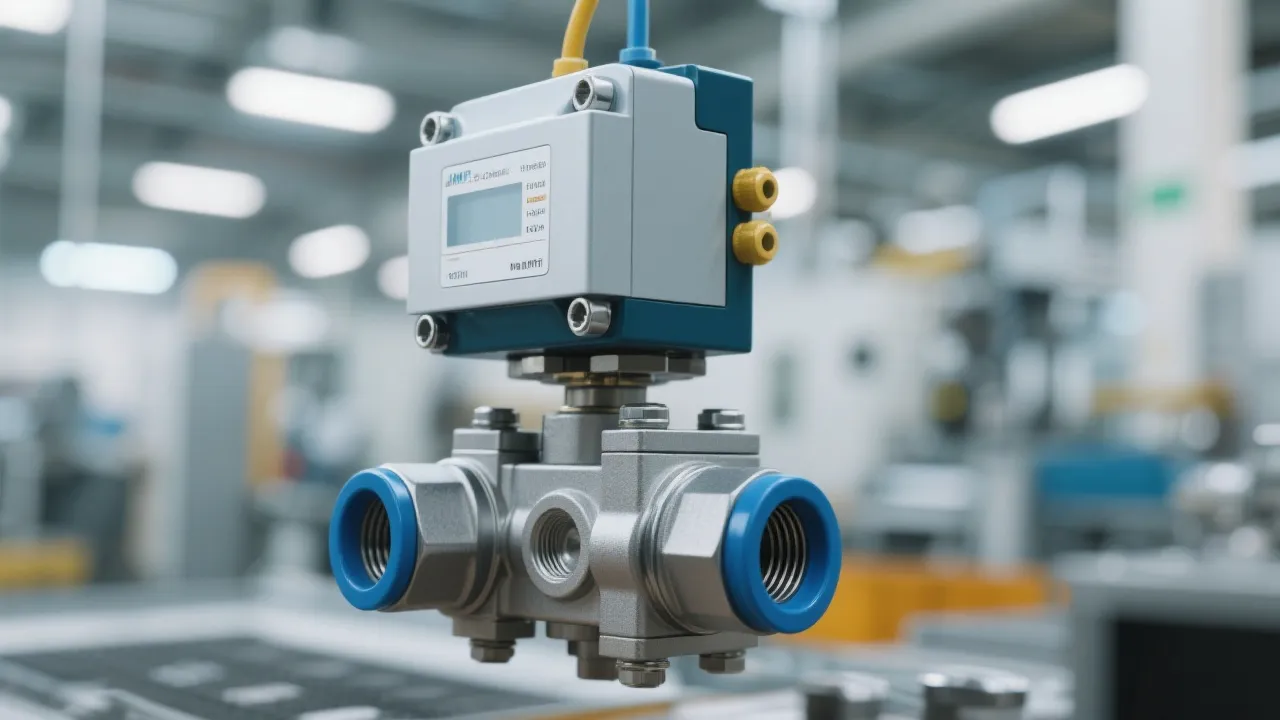
Understanding Proportional Valves
Proportional valves are hydraulic components vital for controlling fluid flow and pressure with high precision in various industrial applications. Their importance in automation and manufacturing settings stems from their ability to offer variable output in response to input signals, greatly enhancing system efficiency and performance.
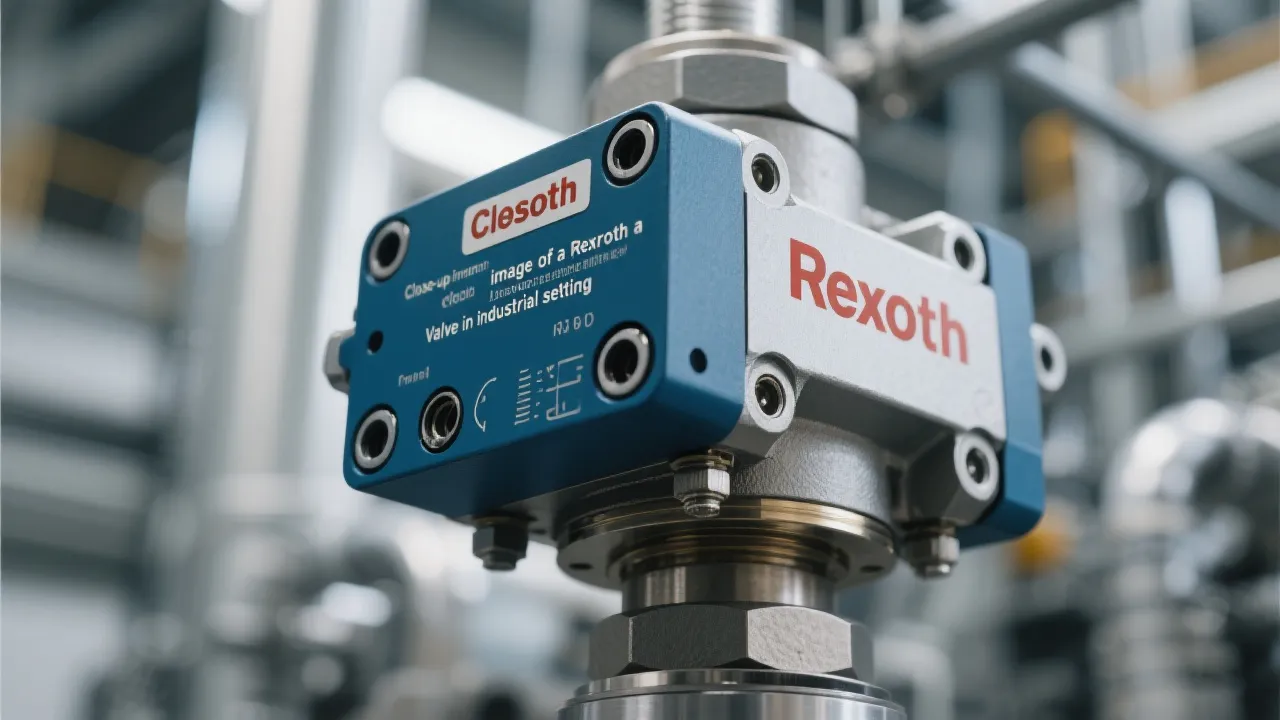
Understanding Rexroth Valve Systems
Rexroth Valves are quintessential components in various industrial applications, known for their precision and reliability. These hydraulic, pneumatic, and electrohydraulic valves regulate fluid flow in machinery, ensuring optimal performance and safety. Understanding their functionality and benefits is crucial for industries seeking efficiency and sustainability in their operations.

Unveiling Thermo Fisher Chromatography
This article explores the pivotal role of Thermo Fisher Chromatography in modern analytical science. Chromatography is crucial for separating compounds within mixtures, making it indispensable in industries such as pharmaceuticals and environmental testing. Thermo Fisher Scientific stands out in this field for its innovative solutions, leading to improved accuracy and efficiency in research and development.

Understanding Corrosion Inhibitor Manufacturers
In today's industrial landscape, corrosion inhibitor manufacturers play a crucial role in safeguarding equipment and infrastructure against corrosive damage. These manufacturers provide specialized chemicals that prevent corrosion in various environments, including industries such as oil and gas, marine, and construction. Understanding their operations and offerings is essential for selecting the right supplier and maintaining asset longevity.
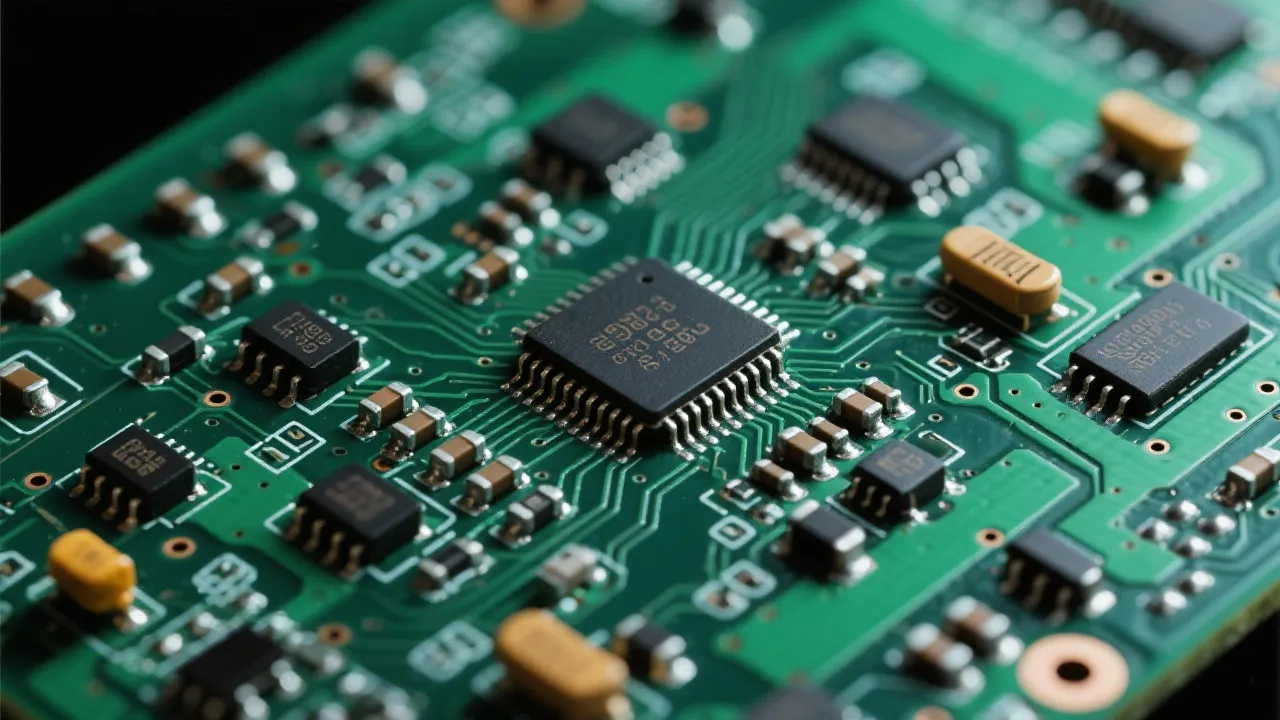
Analyzing Lm66100 Digikey Components
This article offers an in-depth analysis of the Lm66100 component available through Digikey, a renowned distributor of electronic components. The Lm66100, a load switch, is integral in industry applications, providing efficient power management. This piece explores its features, applications, and availability through Digikey, while offering a comprehensive guide for industry professionals seeking to optimize their electronic designs.

Leading Corrosion Inhibitor Suppliers
Corrosion inhibitor manufacturers play a crucial role in protecting materials from degradation. These companies specialize in creating chemical compounds that slow down or prevent the corrosive effects on various surfaces, especially metals. Understanding their production processes and solutions offered is vital for industries reliant on metal infrastructure.
