The strength of a bolt is a crucial element in engineering and construction, determining the durability and safety of structures. Understanding what makes some bolts stronger than others involves analyzing materials, design, and applications. Strongest bolts are engineered to withstand substantial stress and are vital in various industries such as construction, automotive, and aerospace.
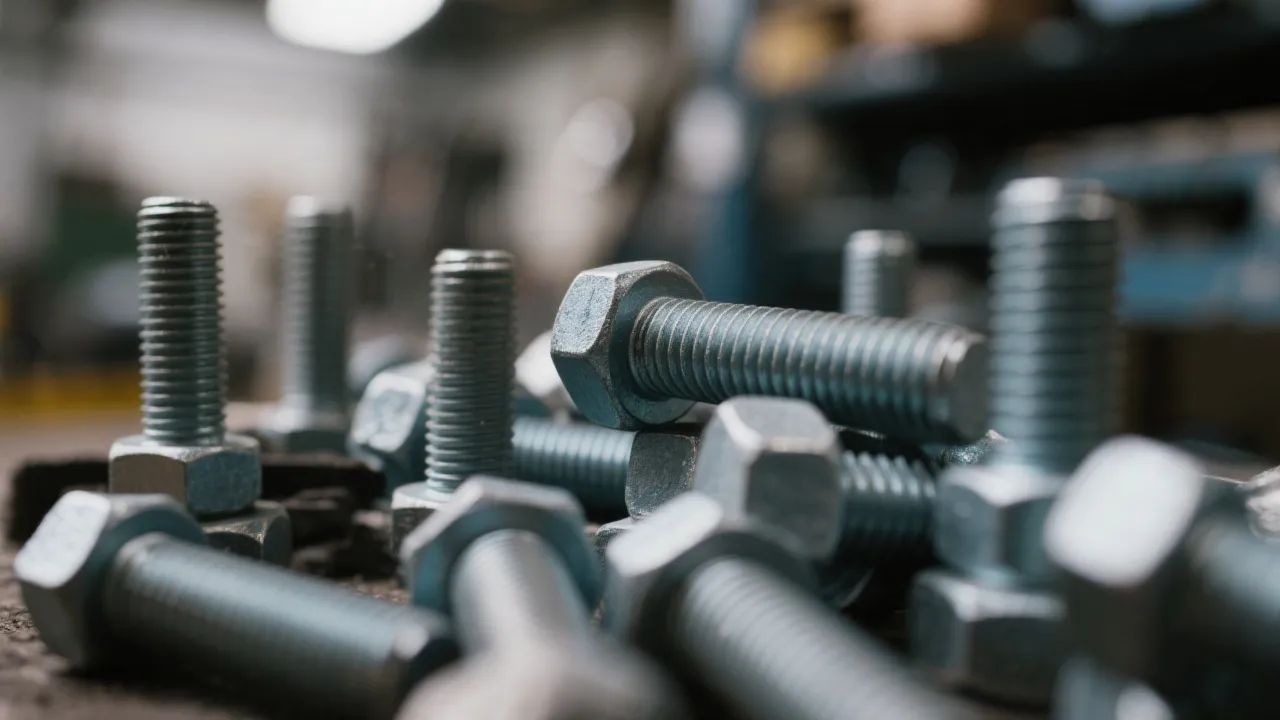
Bolts are fundamental components in the construction and engineering sectors. They ensure the integrity and safety of structures by holding components together under stress. The term "strongest bolts" refers to those fasteners designed to endure exceptionally high tension or pressure. To appreciate their role, one must delve into the factors that define their strength, including the material composition, design, and intended application. The right choice of bolt can mean the difference between a stable project and a catastrophic failure. In this article, we will discuss the various dimensions that contribute to the strength of bolts, their diverse applications, and the implications of choosing the correct fittings for engineering and construction projects.
Several critical aspects influence the robustness of a bolt. Understanding these elements can help engineers, manufacturers, and builders make informed decisions regarding their bolt selections:
Strong bolts are pivotal in industries where safety and durability are non-negotiable. Each sector has unique requirements that dictate the choice of bolt, including:
| Bolt Type | Material | Applications |
|---|---|---|
| Grade 8 Bolts | Alloy steel | High-stress vehicle parts and heavy machinery |
| Stainless Steel Bolts | Austenitic stainless steel | Corrosive environments such as marine applications |
| Titanium Bolts | Titanium alloys | Aerospace and high-value vehicle manufacturing |
| Hex Bolts | Various (including carbon steel and alloy steel) | General-purpose fastening across various industries |
| Flange Bolts | Carbon steel or stainless steel | Mechanical applications where a broad bearing surface is required |
| Carriage Bolts | Carbon steel | Wood fastening or applications requiring a smooth finish |
While selecting bolts, various considerations must be made to ensure they meet the needed standards and application requirements, which often present considerable challenges:
To maximize the effectiveness and safety of bolts in various applications, it is important to follow best practices, which can significantly influence the longevity and reliability of a fastened connection:
Q: What makes a bolt strong?
A: The strength of a bolt is typically determined by its material, heat treatment, and dimensions. Additionally, the design of the bolt, such as thread type and head shape, can also contribute to its overall robustness.
Q: Can stainless steel bolts be considered the strongest?
A: While stainless steel bolts are highly resistant to corrosion, they are not necessarily as strong as grade 8 or titanium bolts, which are designed for higher tensile strength applications. Their strength relative to corrosion resistance makes them suitable for specific environments, where rust could compromise other fasteners.
Q: How do I choose the right bolt for my project?
A: Consider the environmental conditions, load requirements, and specific industry standards when selecting a bolt. It is often advantageous to consult with a material engineer or a fastener specialist to ensure compliance with relevant standards.
Q: Are there alternative fastening methods to bolts?
A: Yes, alternatives such as welding, rivets, or screws might be appropriate depending on the application and load requirements. Choosing the right alternative often depends on factors such as the materials being joined and the environmental conditions.
The role of the strongest bolts is indispensable across various industries, enhancing safety and efficiency. As industries evolve, advancements in bolt technology continue to emerge, offering even greater strength and reliability. Understanding the fundamentals of bolt strength aids in making informed decisions that enhance the longevity and safety of massive infrastructures and delicate machinery alike. With continual research and innovation, the future of bolting technology promises enhancements that will undoubtedly lead to safer and more efficient construction and manufacturing practices. Bolts enable our infrastructure to function, driving economies and modernizing the world while ensuring the utmost safety standards are met.
Striking the Perfect Balance: Navigating Premiums and Out-of-Pocket Expenses in Senior Insurance Plans

Explore the Tranquil Bliss of Idyllic Rural Retreats

How to Make Lasting Memories at Disneyland Attractions

Affordable Phones and Plans for Seniors

Affordable Full Mouth Dental Implants Near You

Unlock the Top Kept Secrets to Finding Your Ideal Dentist for Flawless Dental Implant Results!

Discovering Springdale Estates

The Guide to Car Trading

Affordable Cell Phones Without Plans


Understanding Proportional Valves
Proportional valves are hydraulic components vital for controlling fluid flow and pressure with high precision in various industrial applications. Their importance in automation and manufacturing settings stems from their ability to offer variable output in response to input signals, greatly enhancing system efficiency and performance.

Understanding Rexroth Valve Systems
Rexroth Valves are quintessential components in various industrial applications, known for their precision and reliability. These hydraulic, pneumatic, and electrohydraulic valves regulate fluid flow in machinery, ensuring optimal performance and safety. Understanding their functionality and benefits is crucial for industries seeking efficiency and sustainability in their operations.

Unveiling Thermo Fisher Chromatography
This article explores the pivotal role of Thermo Fisher Chromatography in modern analytical science. Chromatography is crucial for separating compounds within mixtures, making it indispensable in industries such as pharmaceuticals and environmental testing. Thermo Fisher Scientific stands out in this field for its innovative solutions, leading to improved accuracy and efficiency in research and development.

Understanding Corrosion Inhibitor Manufacturers
In today's industrial landscape, corrosion inhibitor manufacturers play a crucial role in safeguarding equipment and infrastructure against corrosive damage. These manufacturers provide specialized chemicals that prevent corrosion in various environments, including industries such as oil and gas, marine, and construction. Understanding their operations and offerings is essential for selecting the right supplier and maintaining asset longevity.

Analyzing Lm66100 Digikey Components
This article offers an in-depth analysis of the Lm66100 component available through Digikey, a renowned distributor of electronic components. The Lm66100, a load switch, is integral in industry applications, providing efficient power management. This piece explores its features, applications, and availability through Digikey, while offering a comprehensive guide for industry professionals seeking to optimize their electronic designs.

Leading Corrosion Inhibitor Suppliers
Corrosion inhibitor manufacturers play a crucial role in protecting materials from degradation. These companies specialize in creating chemical compounds that slow down or prevent the corrosive effects on various surfaces, especially metals. Understanding their production processes and solutions offered is vital for industries reliant on metal infrastructure.
