This guide discusses the significance of bone density in dental implant procedures. Dental implants rely on appropriate bone density for stability and success. Factors like age, health conditions, and lifestyle choices can impact bone density, influencing implant outcomes. Explore cost ranges across various countries and understand affordable options.
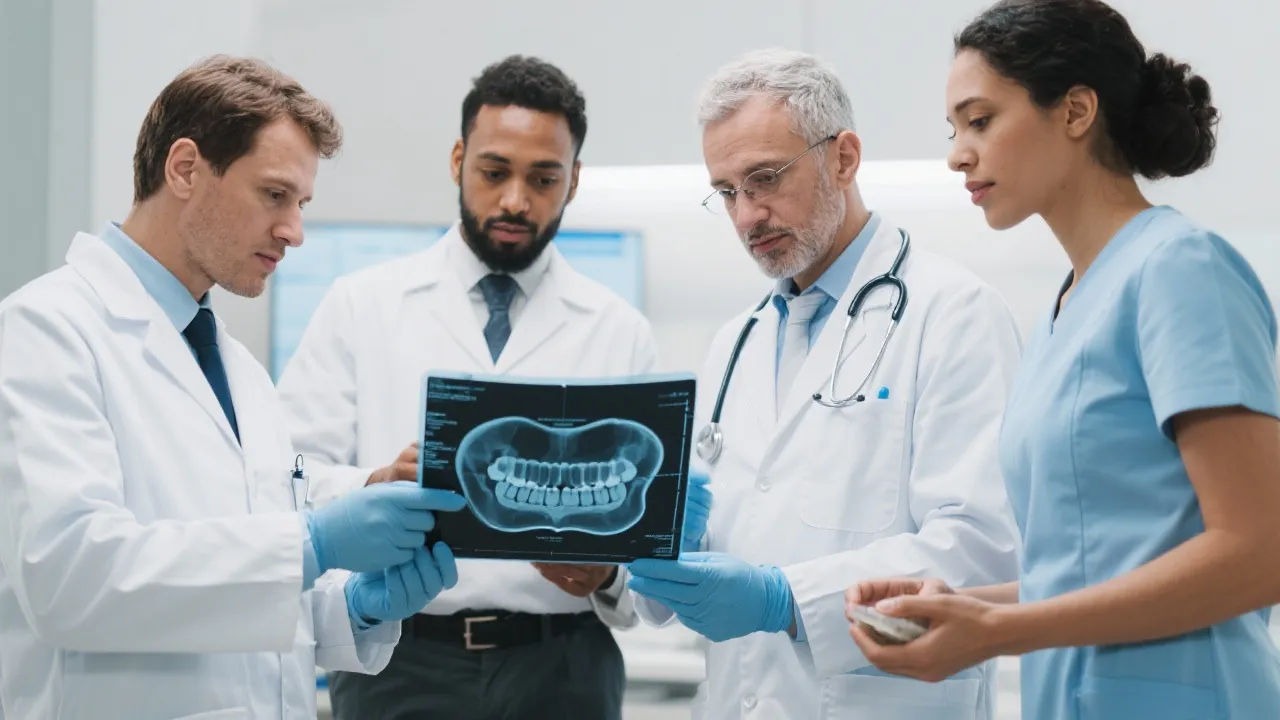
Bone density is a crucial factor in determining the success of dental implants. The density of the jawbone provides the necessary support and stability for the implant to integrate effectively and serve as a durable anchor for artificial teeth. Low bone density could lead to complications such as implant failure or insufficient support for the prosthetic components. The complexity of this issue is heightened by the fact that not only the quantity but also the quality of the bone matter is essential for successful osseointegration—that is, the process whereby the implant becomes securely embedded in the jawbone.
Bone density refers to the amount of mineral matter per square centimeter of bones, contributing to the structural integrity of the skeletal system. In dentistry, it plays a vital role as it directly influences the integration and stability of dental implants. Over the years, researchers have established that optimal bone density is necessary for the longevity of dental implants. Various health conditions, aging, and lifestyle factors like diet and exercise affect bone density. Conditions such as osteoporosis can lead to reduced mass, making it challenging for implants to integrate properly. Beyond degenerative diseases, lifestyle choices—such as smoking, alcohol consumption, and lack of physical activity—also significantly impact bone health. In younger individuals, certain factors such as hormonal changes, especially in females post-menopause, can lead to rapid loss of bone density.
Before the implant procedure, dental professionals conduct thorough bone density assessments. This comprehensive evaluation aims to ascertain not just the quantity but the quality of the bone available. Typically, these evaluations involve X-rays or CT scans to determine the condition and structure of the bone at the implant site. Cone-beam computed tomography (CBCT) is an advanced imaging method that provides three-dimensional views of the jaw, allowing for more precise measurements of bone thickness and density. In some cases, additional procedures like bone grafts might be recommended to enhance bone strength and volume. These grafts can come from various sources, including the patient’s own body (autograft), donor sources (allograft), or synthetic materials (alloplastic grafts). Each type of graft comes with its pros and cons, which must be discussed with the patient based on their unique circumstances.
Individuals with low bone density may face challenges during and after dental implant procedures. Complications could include prolonged healing times, higher risk of implant failure, or the need for adjunctive procedures like bone grafting. Research indicates that patients with lower bone density often exhibit higher rates of implant failure, reaffirming the necessity of pre-surgical assessments. Furthermore, the healing process can differ considerably based on bone density; patients with stronger bones typically experience quicker recovery times than those with diminished density. Fully understanding these risks allows patients and dentists to make informed decisions regarding alternative treatments or pre-implant therapies to enhance bone health. Additionally, it may be beneficial for dental professionals to engage in multidisciplinary care, often involving specialists such as endocrinologists or nutritionists, to optimize the treatment for the patient’s overall health.
Dentists use various strategies to mitigate bone density issues. These include:
Early intervention and customized treatment plans significantly increase the success rates of implants in patients with bone density concerns. The collaboration between dental and medical professionals can significantly enhance outcomes for patients.
The cost of dental implants varies significantly across nations, influenced by factors such as healthcare infrastructure, currency fluctuations, and the prevailing economic conditions. Here is a table showcasing the range of costs for dental implants in various English-speaking countries:
| Country | Currency | Price Range |
|---|---|---|
| United States | USD | $3,000 - $6,000 |
| United Kingdom | GBP | £2,000 - £2,500 |
| Australia | AUD | AU$3,500 - AU$6,500 |
| Canada | CAD | CA$3,000 - CA$5,500 |
In addition to geographical differences, several factors like the complexity of the case, the experience of the dentist, and additional procedures (like grafting) can affect the overall cost. It is essential for patients to consider the long-term value of dental implants, as they can last many years with proper care, making them a worthwhile investment in their oral health.
Patients seeking low-cost dental implant options have several avenues to explore. Leveraging information and services from websites specializing in affordable dental care can be highly beneficial. For instance, Dental Views and Atlantic Dental Group provide low-cost options in English-speaking regions:
| Website | Description |
|---|---|
| Dental Views | Offers low-cost dental implant solutions and detailed information about procedures and pricing. |
| Atlantic Dental Group | Provides a range of dental services including implants, facilitating easy access to dental care. |
Other resources might also include dental schools, where treatments are offered at lower costs by supervised dental students. Community health clinics and programs may provide additional options for those with limited financial means. Additionally, patients can consider dental insurance plans that cover a portion of the cost of dental implants, as many modern plans do incorporate coverage for such procedures.
Source: [Dental Views](https://dentalviews.com/low-cost-dental-implants/), [Atlantic Dental Group](https://www.atlanticdentalgrp.com/)
Q: Is it possible to get dental implants with low bone density?
A: Yes, but additional procedures like bone grafting might be necessary to ensure sufficient support. In some cases, patients may be advised to undergo treatments aimed at improving their bone health prior to implant placement.
Q: How is bone density measured for dental implants?
A: Dentists typically use X-rays or CT scans to assess bone density and determine implant site suitability. These imaging techniques can reveal not only the density but also the architecture of the bone, which is critical for planning the implant placement properly.
Q: What are the potential risks of neglecting low bone density in implant procedures?
A: Ignoring bone density issues can lead to complications such as implant failure or prolonged healing times. Further risks could include the need for additional surgeries, which could lead to increased costs and recovery times.
Q: What are some lifestyle changes that can improve bone density?
A: Engaging in weight-bearing exercises, ensuring adequate intake of calcium and vitamin D, quitting smoking, and limiting alcohol consumption are all steps that can help improve bone density. Additionally, regular check-ups with healthcare professionals can help monitor bone health effectively.
Understanding the importance of bone density is crucial for anyone considering dental implants. Patients should proactively engage in discussions with their dental professionals about their bone health, potential treatments, and the specificities of the implant procedure. By acknowledging the potential challenges and proactively exploring low-cost options, patients can optimize their outcomes and navigate implant procedures smoothly. With the technology and solutions available today, individuals do not need to face the prospect of living with missing teeth, even if they have been diagnosed with low bone density.
1) The above information comes from online resources, and the data is as of October 2023. 2) Dental implant prices are for reference only and may vary by region, clinic, and doctor.
References:
[Dental Views](https://dentalviews.com/low-cost-dental-implants/)
[Atlantic Dental Group](https://www.atlanticdentalgrp.com/)
[DentaVacation](https://www.dentavacation.com/)
[ADHP (American Dental Health Plans)](https://rockvilledentalarts.com/es/)
As we advance into the era of personalized medicine and technology, the way we assess and treat bone density issues related to dental implants is evolving rapidly. Researchers are now exploring innovative imaging techniques that may provide even more accurate assessments of bone quality and density before implant surgery. For example, the use of enhanced imaging modalities, such as MRI and advanced ultrasound technology, can offer additional insights into bone health that traditional X-rays and CT scans may miss.
Moreover, the development of new biomaterials that promote bone growth may play a vital role in the future of dental implants. These biomaterials can be engineered to mimic the natural bone matrix while providing a scaffold that encourages cells to migrate and grow, enhancing the body’s ability to regenerate bone in areas with low density. This advancement could significantly reduce the necessity for bone grafting procedures and allow for a more seamless integration of dental implants into patients' jaws.
Furthermore, digital technology is changing the landscape of dental procedures entirely. 3D printing is becoming commonplace, which allows for the creation of customized dental implants that fit perfectly within the patient’s unique jaw structure. This precision can minimize surgical time and improve the overall success rate of implants.
In addition, ongoing research on the impact of nutrition and lifestyle on bone health continues to highlight the importance of a holistic approach to dental care. Dental professionals increasingly recognize that routine dental care should incorporate discussions about overall health and well-being. Patients are encouraged to seek a multidisciplinary approach involving dieticians and physicians to optimize bone density ahead of surgeries.
A comprehensive understanding of bone density and its implications on dental implants can profoundly impact the decision-making process for both practitioners and patients alike. As advancements continue to emerge in treatment methodologies, materials, and technologies, the ability to achieve successful dental implants in patients with low bone density will only improve. Emphasizing the proactive measures for bone health, alongside technological advancements, will ensure that dental implants remain a viable and effective solution for individuals, regardless of their bone density status.
Striking the Perfect Balance: Navigating Premiums and Out-of-Pocket Expenses in Senior Insurance Plans

Explore the Tranquil Bliss of Idyllic Rural Retreats

How to Make Lasting Memories at Disneyland Attractions

Affordable Phones and Plans for Seniors

Affordable Full Mouth Dental Implants Near You
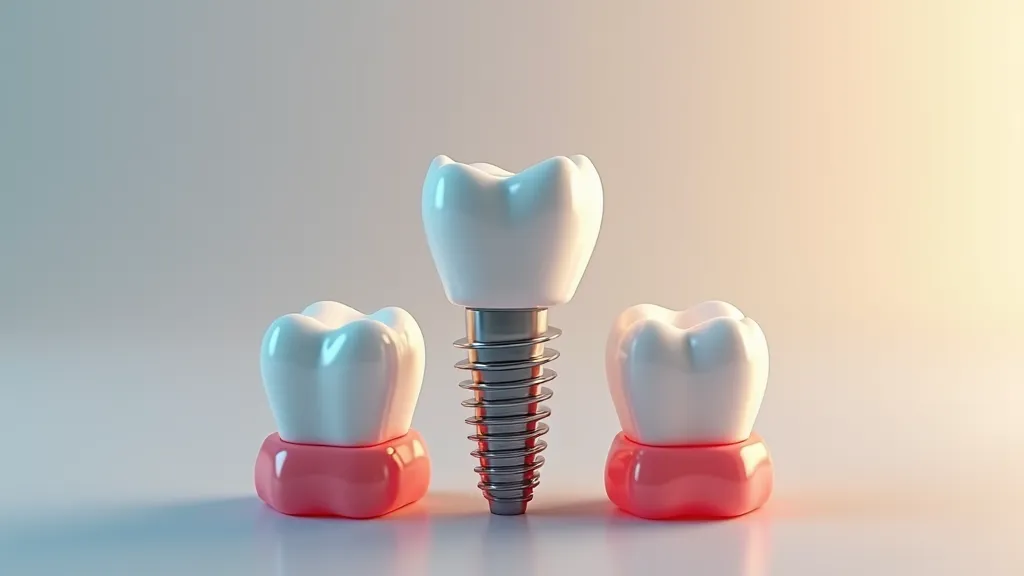
Unlock the Top Kept Secrets to Finding Your Ideal Dentist for Flawless Dental Implant Results!

Discovering Springdale Estates

The Guide to Car Trading

Affordable Cell Phones Without Plans

Affordable Full Mouth Dental Implants Near You
Discover options for affordable full mouth dental implants, including clinical trials and local dental services that offer cost-effective solutions.

Understanding Full Mouth Dental Implant Prices
Explore the costs and factors influencing full mouth dental implants for seniors and others.
Comprehensive Guide to Dental Implants
This comprehensive guide delves into the intricacies of dental implants, providing a global perspective with a special focus on Implantswiss. Dental implants, a pivotal advancement in restorative dentistry, offer solutions for missing teeth, aiding in oral health and functionality. This article navigates through cost-effective solutions, global pricing comparisons, and the role of Implantswiss in elevating dental care standards internationally.

Affordable Dental Implants Near You
Discover low-cost dental implants and quick solutions to fix your teeth with full mouth options available near you.

Understanding Dental Implant Prices and Options
Explore dental implant costs, funding, and full mouth options for a confident smile in 2025.

Affordable Dental Implants Near Me: Your Guide
Discover affordable dental implants, funding options, and fast solutions for fixing your teeth near you in 2025.