This guide delves into the critical role of bone density in the success of dental implants. Bone density refers to the strength and solidity of bone tissue, which is vital for securely anchoring dental implants. The article explores the importance of adequate bone density, various methods to assess bone quality, and the possible solutions for patients facing low bone density challenges.
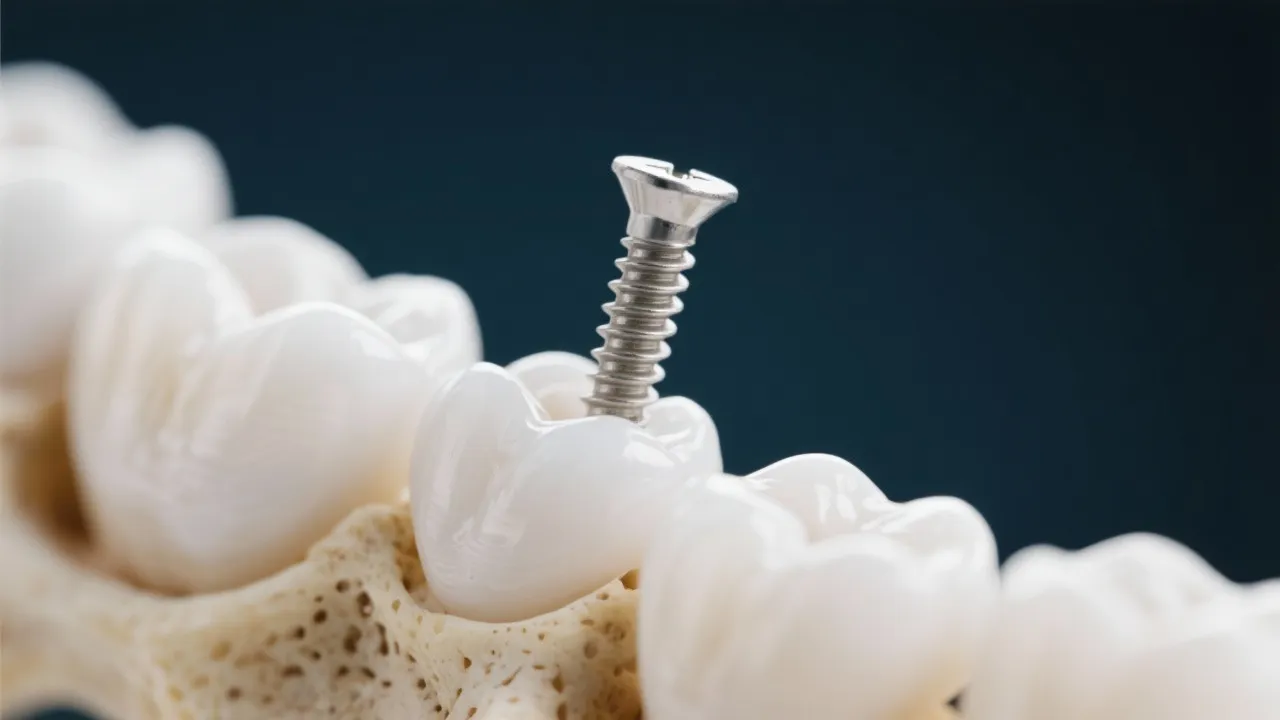
Dental implants have emerged as a preferred solution for many individuals looking to replace missing teeth. This preference is largely due to their durability and ability to mimic natural tooth function. However, one of the critical factors influencing the success of dental implants is bone density. In this context, bone density refers to the amount of bone tissue present in a specific volume and its ability to support the implant. Understanding this aspect is crucial for ensuring good implant stability and success. Adequate bone density provides a solid foundation for the implants, ensuring they remain securely in place over time.
Several factors affect the quality and quantity of bone available for dental implant placement. Age, gender, and certain medical conditions such as osteoporosis can influence bone density. As individuals age, their bones typically become less dense. This degeneration can be attributed to factors such as hormonal changes, decreased physical activity, and dietary deficiencies in calcium and vitamin D. Furthermore, studies have shown a disparity in bone density between genders, with women often experiencing lower levels due to menopause-related hormonal shifts.
Beyond age and gender, specific medical conditions impact bone density. Osteoporosis, for example, is a condition characterized by weakened bones, making them more susceptible to fractures. Patients with chronic conditions such as diabetes or rheumatoid arthritis may also have compromised bone health, necessitating careful evaluation prior to dental implant placement. Moreover, prolonged use of certain medications, such as corticosteroids, can adversely affect bone density. Thus, patients with these conditions may need to undergo bone grafting procedures prior to implant placement. Bone grafting involves augmenting the existing bone to ensure it can adequately support an implant.
Interestingly, lifestyle choices also play a significant role in determining bone density. Smoking, excessive alcohol consumption, and a sedentary lifestyle can all contribute to lower bone density. On the other hand, engaging in regular weight-bearing exercises and consuming a balanced diet rich in essential nutrients can promote better bone health. Therefore, addressing these lifestyle factors can be beneficial for individuals preparing for dental implants.
The assessment of bone density is typically conducted through imaging techniques such as dental X-rays, CT scans, and CBCT (Cone Beam Computed Tomography). These diagnostic tools provide a detailed view of the bone's structure, helping dental professionals determine whether additional procedures are necessary to enhance bone density. Dental X-rays are often the first step in evaluating bone health, allowing the dentist to see the available bone height and width.
CT scans and CBCT are particularly valuable as they provide cross-sectional images that reveal detailed anatomical information. This precision allows for an accurate assessment of bone quality, helping professionals identify regions of bone that may require enhancement. The choice of imaging technique often depends on the individual patient’s needs and the complexity of the case. Additionally, advanced methods like three-dimensional imaging not only indicate bone density but also assess the proximity of vital structures, such as nerves and sinuses, to avoid complications during implant placement.
Before undergoing surgery, patients may also be evaluated for overall health as certain systemic conditions can affect healing after implant placement. The collaboration between dentists, physicians, and specialists ensures that all aspects of a patient’s health are considered, improving outcomes. This thorough assessment process is vital in determining the most suitable implant options tailored to meet each patient's unique requirements, ultimately enhancing the chances of successful treatment.
While dental implants offer numerous benefits, they come with considerable costs. Prices can vary widely based on the geographic location, the complexity of the case, and the type of materials used in the implants. Understanding these expenses and exploring affordable options can make dental care more accessible. Below is a table comparing several websites that offer information on low-cost dental implants:
| Website | Features |
|---|---|
| Dental Views | Offers low-cost implant solutions with detailed information on treatments and pricing. |
| Atlantic Dental Group | Provides a wide range of dental services, including implants, with easy appointment scheduling. |
| DentaVacation | Focuses on dental tourism, offering treatments abroad to reduce costs. |
Source: [Dental Views](https://dentalviews.com/low-cost-dental-implants/), [Atlantic Dental Group](https://www.atlanticdentalgrp.com/), [DentaVacation](https://www.dentavacation.com/)
Patients in English-speaking regions seeking dental implants at a lower cost can consider several strategies:
The cost of dental implants can vary significantly across different English-speaking countries. The table below provides an overview of the price ranges:
| Country | Currency | Price Range |
|---|---|---|
| United States | USD | $3,000 - $6,000 |
| United Kingdom | GBP | £2,000 - £2,500 |
| Australia | AUD | AU$3,500 - AU$6,500 |
| Canada | CAD | CA$3,000 - CA$5,500 |
It is important to note that these prices may not encompass the total expenses associated with dental implants. Initial consultations, imaging tests, and follow-up appointments should also be accounted for, as they contribute to the overall cost. Additionally, some patients may face additional charges depending on their specific dental needs, such as extractions or preparatory procedures like sinus lifts or bone grafting.
Disclaimer: The above information comes from online resources, and the data is as of October 2023. Dental implant prices are for reference only and may vary by region, clinic, and doctor. Furthermore, costs can fluctuate due to new advancements in technology and materials, as well as variations in geographic market conditions.
For those interested in more detailed information and planning their dental implant journey, visit the following resources: [Dental Views](https://dentalviews.com/low-cost-dental-implants/), [Atlantic Dental Group](https://www.atlanticdentalgrp.com/), [DentaVacation](https://dentavacation.com/), [American Dental Health Plans](https://rockvilledentalarts.com/es/).
After successfully receiving dental implants, patients must understand the importance of long-term care. Although implants can mimic the performance of natural teeth, they still require consistent and rigorous oral hygiene practices to maintain their longevity. Regular brushing, flossing, and routine check-ups with a dentist are vital components of an effective maintenance plan.
Patients should engage in routine dental visits for professional cleanings and examinations. These appointments allow dental professionals to monitor the health of the gums surrounding the implants and the implants themselves. X-rays may be taken to ensure the bone continues to support the implants correctly. It is also during these visits that any signs of potential complications or issues can be addressed early on, preventing more severe problems from developing over time.
Moreover, it is essential for patients to adhere to a balanced diet rich in vitamins and minerals to promote oral and bone health. Nutrients like calcium and vitamin D are crucial for maintaining bone density, particularly for individuals with dental implants. A diet low in sugar can also assist in preventing decay and maintaining overall dental health. A nutrition-rich approach not only benefits general health but helps in prolonging the life of dental implants.
Lastly, individuals with dental implants should avoid habits that can negatively impact their oral health. Activities such as smoking, excessive alcohol consumption, or using teeth as tools can jeopardize the integrity of dental implants. Open dialogues with dental professionals regarding best practices and lifestyle adjustments can offer valuable insights into ensuring long-term success for dental implants.
Although dental implants are widely regarded as a leading option for replacing missing teeth, several alternatives exist that may suit certain patients' needs better. Each alternative has its pros and cons, which individuals should weigh when making decisions about their dental health.
One common alternative is dental bridges, which require adjacent natural teeth to be filed down to support an artificial tooth. While bridges can be more affordable than implants, they may not provide the same level of stability or longevity. Bridges can last between 5 to 15 years, depending on care and maintenance.
Another option is dentures, which can either be full or partial and are removable. While dentures have a lower initial cost and are non-invasive, they can be less comfortable and stable compared to implants. Many denture wearers report difficulties with chewing and speaking, which can affect their quality of life.
Lastly, some patients may opt for resin-bonded bridges, particularly when replacing front teeth. These minimally invasive bridges adhere to the existing structure using a resin, providing a cosmetic solution without heavy alterations to adjacent teeth. However, they may not offer the long-term durability required, making them less suitable for those with heavy bite pressures.
Ultimately, the best choice for tooth replacement will depend on individual circumstances, including budget, oral health, and personal preferences. Engaging in discussions with a dental professional can provide clarity regarding the most suitable and beneficial options. Each treatment type has unique characteristics, and understanding them is crucial for committing to the choice that aligns appropriately with one's health and lifestyle.
If you’re considering dental implants or any alternative treatments, it’s essential to do thorough research and consult with dental professionals who can guide you through the pros and cons of each option. The journey towards restoring oral health is personal and should align with your overall wellness strategy.
Striking the Perfect Balance: Navigating Premiums and Out-of-Pocket Expenses in Senior Insurance Plans

Explore the Tranquil Bliss of Idyllic Rural Retreats

How to Make Lasting Memories at Disneyland Attractions

Affordable Phones and Plans for Seniors

Affordable Full Mouth Dental Implants Near You

Unlock the Top Kept Secrets to Finding Your Ideal Dentist for Flawless Dental Implant Results!

Discovering Springdale Estates

The Guide to Car Trading

Affordable Cell Phones Without Plans

Affordable Full Mouth Dental Implants Near You
Discover options for affordable full mouth dental implants, including clinical trials and local dental services that offer cost-effective solutions.
Understanding Full Mouth Dental Implant Prices
Explore the costs and factors influencing full mouth dental implants for seniors and others.
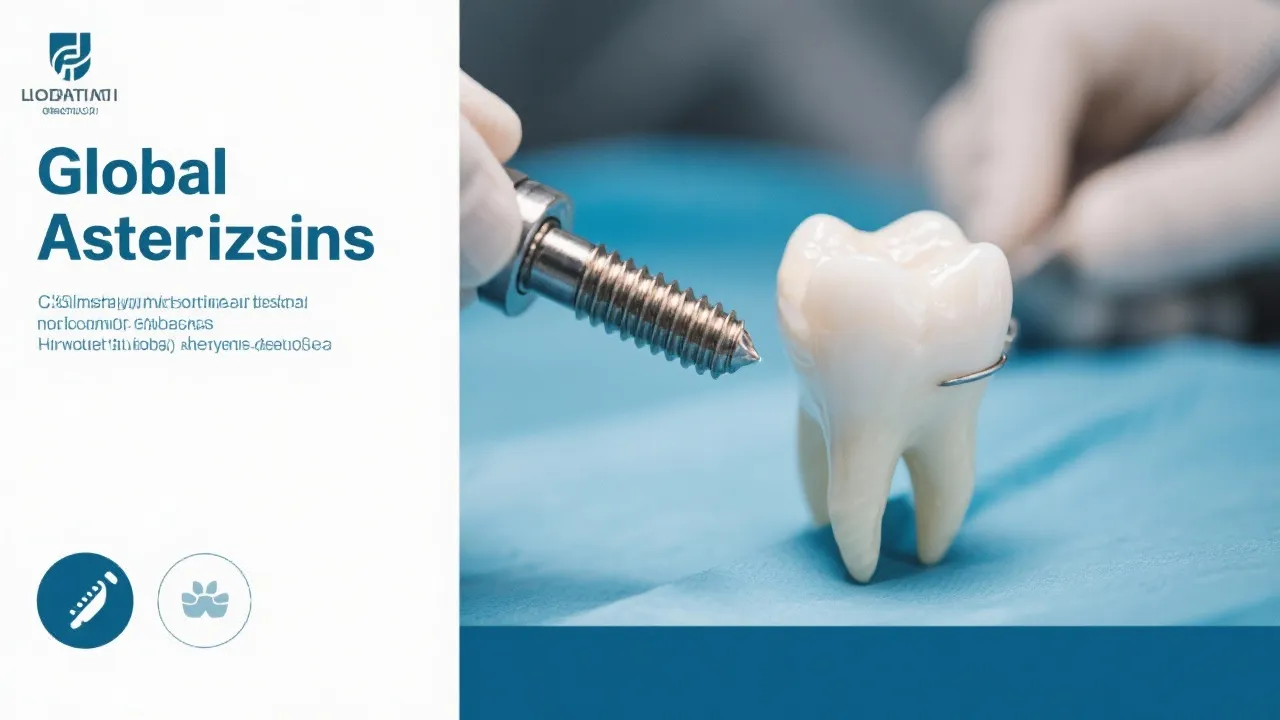
Comprehensive Guide to Dental Implants
This comprehensive guide delves into the intricacies of dental implants, providing a global perspective with a special focus on Implantswiss. Dental implants, a pivotal advancement in restorative dentistry, offer solutions for missing teeth, aiding in oral health and functionality. This article navigates through cost-effective solutions, global pricing comparisons, and the role of Implantswiss in elevating dental care standards internationally.

Affordable Dental Implants Near You
Discover low-cost dental implants and quick solutions to fix your teeth with full mouth options available near you.
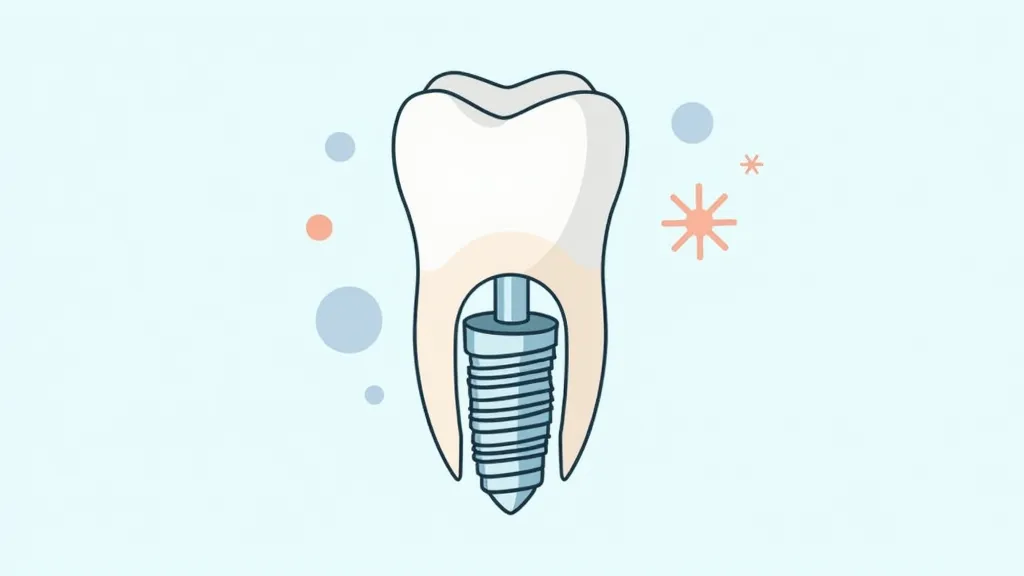
Understanding Dental Implant Prices and Options
Explore dental implant costs, funding, and full mouth options for a confident smile in 2025.
Affordable Dental Implants Near Me: Your Guide
Discover affordable dental implants, funding options, and fast solutions for fixing your teeth near you in 2025.
