This comprehensive guide explores dentists accepting Medicare, focusing on its implications for oral healthcare. Medicare, primarily known for providing essential health coverage to seniors, often leaves many bewildered about its dental benefits. We delve into the availability and accessibility of dental services under Medicare, shedding light on options for affordable dental care for eligible individuals.
Medicare, a well-known federal health insurance program, assists millions of Americans, especially those over 65, with various healthcare needs. However, its coverage of dental procedures has traditionally been limited. This limitation poses challenges for seniors seeking dental care, making it critical to understand the landscape of dentists accepting Medicare and the opportunities within this framework.
While Medicare provides extensive benefits for medical services, its coverage for dental care remains restricted primarily to procedures required in conjunction with a covered medical treatment. Routine exams, cleanings, and other dental procedures are not covered under traditional Medicare (Part A and Part B). Consequently, seniors must determine how to budget for necessary dental care. Understanding Medicare's limitations helps beneficiaries seek alternative solutions and make informed decisions about their dental health.
In some instances, beneficiaries may find that certain medical conditions, such as jaw surgery due to a health issue or injury, may allow for dental procedures to be covered if they are deemed medically necessary. However, these cases are exceptions rather than the rule. As a result, it is essential for recipients to carefully assess any medical needs and collaborate with their healthcare providers to determine how best to approach their dental care.
Medicare Advantage plans (Part C) are an alternative to traditional Medicare, governed by private insurance companies approved by Medicare. These plans not only provide all the benefits of Medicare but often extend additional benefits such as routine dental care, vision, and hearing services, making them an attractive option for those who require more comprehensive coverage. Given the wide variability in what these plans offer, it is essential for enrollees to investigate and thoroughly understand the specific provisions regarding dental services.
When enrolling in a Medicare Advantage plan, beneficiaries should carefully review the plan's network of providers. Some plans may limit coverage to certain dentists who have agreed to certain terms and conditions. Additionally, the plans can vary in terms of premiums, co-pays, and out-of-pocket maximums. Therefore, a strategic approach is necessary when deciding on a plan. Key considerations could include evaluating the cost of monthly premiums versus the expected dental costs over the year, checking if specific dentists in the area accept the plan, and determining whether the plan covers the specific services needed at a financially manageable rate.
To locate dentists who accept Medicare Advantage plans, patients can start with their plan’s directory or contact customer service for recommendations. It is worth noting that while traditional Medicare has limitations, exploring the supplemental options within Medicare Advantage can pave the path to receiving essential dental treatments. Some patients might have to compromise on their choice of dentist, as often, these plans maintain specific networks. However, the trade-off may be worthwhile for those looking to receive regular dental care.
Moreover, utilizing online resources can streamline this search. Websites dedicated to Medicare can provide lists and maps of participating healthcare providers, making it easier for beneficiaries to identify local dentists. Additionally, many dental practices have online platforms that list the insurance plans they accept, which can further assist in narrowing down options. Utilizing referrals from primary healthcare providers can also lead to reliable dental professionals who align with Medicare Advantage plans.
Navigating the financial aspects of dental care with Medicare requires strategic planning. Beneficiaries should evaluate different Medicare Advantage options annually during the enrollment periods. These plans can widely vary in their dental benefits, co-pays, and networks, impacting both the affordability and accessibility of care. Being well-informed about deadlines for changes can help beneficiaries optimize their coverage.
Additionally, it is crucial to maintain an open line of communication with dental providers regarding costs. Many dentists may offer competitive rates for uninsured patients or those whose insurance does not cover certain procedures. It is often worth discussing payment plans or financing options with the office staff, enabling access to necessary treatments without overwhelming financial stress. Many dental practices recognize that upfront costs can be a barrier; as such, they may extend flexible payment arrangements and options to accommodate patients' needs.
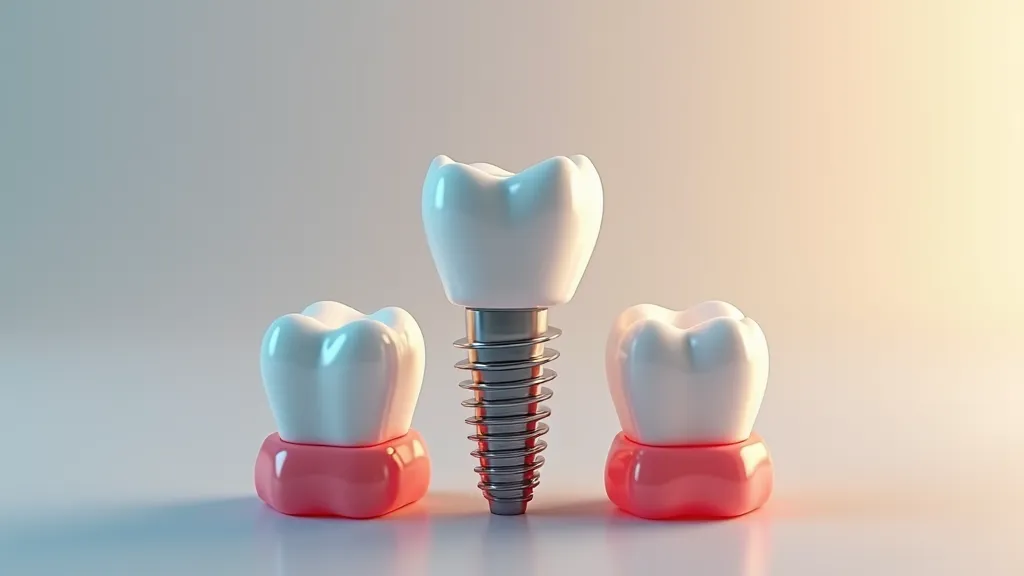
Dental implants present a popular, though costly, solution for replacing missing teeth. The expenses associated with dental implants can be profound and may vary significantly depending on the provider, location, and type of materials used. Unfortunately, Medicare rarely covers these expenses directly. Understanding the cost factors prevailing in different regions can aid in budgeting for such procedures. Below is a breakdown of dental implant costs across various English-speaking countries:
| Country | Currency | Price Range |
|---|---|---|
| United States | USD | $3,000 - $6,000 |
| United Kingdom | GBP | £2,000 - £2,500 |
| Australia | AUD | AU$3,500 - AU$6,500 |
| Canada | CAD | CA$3,000 - CA$5,500 |
While the price ranges highlight notable differences across the countries listed, a variety of factors influence the final costs of dental implants. These include:
Individuals considering dental implants should conduct thorough research and obtain multiple quotes from different providers to ensure they are making an informed decision regarding both quality and price. Additionally, potential patients should inquire about the specific qualifications and experiences of the dental specialists to ensure competency and reliability.
For individuals pursuing dental implants, considering dental tourism to nearby countries or leveraging insurance plans can offer cost benefits. Websites such as Atlantic Dental Group, DentalViews, and DentaVacation provide insights into affordable dental care options, both locally and internationally, often detailing pricing structures, services, and payment plans.
| Website | Focus |
|---|---|
| Dental Views | Low-cost dental implants |
| Atlantic Dental Group | Comprehensive dental services |
| DentaVacation | Dental tourism |
These platforms often connect patients with verified dental professionals in countries where dental care may be more accessible financially. Some individuals choose to travel to locations where the quality of service is noted to be high, while allowing them to save significantly compared to domestic prices.
Moreover, many dental offices may offer their financing options tailored specifically for dental procedures. Many practices partner with third-party financing companies that will allow procedures to be paid over time, alleviating the immediate financial burden. It is always best to consult directly with the dental office to ascertain the options available, and even inquire whether they provide any promotional discounts for procedures.
While Medicare's role in dental care can be complex, understanding the options available for dental services under Medicare Advantage plans and other resources can significantly benefit eligible individuals. By staying informed about new policy changes and seeking expert guidance, beneficiaries can optimize their access to necessary dental care. It is essential for those in need of dental treatment to prioritize their oral health and to actively seek the best possible care within their coverage framework.
The above information comes from online resources, and the data is as of October 2023. Dental implant prices are for reference only and may vary by region, clinic, and doctor. Patients should always confirm details directly with their healthcare provider before making decisions regarding treatment options.
Reference Links:
For beneficiaries looking for more in-depth information about Medicare, its coverage, and dental care options, there are numerous resources available:
Remaining informed and proactive about dental care can greatly enhance seniors' quality of life. Experts recommend that individuals should never hesitate to seek support from their healthcare providers and insurance representatives to ensure they receive the best possible care available to them.
Striking the Perfect Balance: Navigating Premiums and Out-of-Pocket Expenses in Senior Insurance Plans

Explore the Tranquil Bliss of Idyllic Rural Retreats

How to Make Lasting Memories at Disneyland Attractions

Affordable Phones and Plans for Seniors

Affordable Full Mouth Dental Implants Near You
Unlock the Top Kept Secrets to Finding Your Ideal Dentist for Flawless Dental Implant Results!

Discovering Springdale Estates

The Guide to Car Trading

Affordable Cell Phones Without Plans

Affordable Full Mouth Dental Implants Near You
Discover options for affordable full mouth dental implants, including clinical trials and local dental services that offer cost-effective solutions.
Understanding Full Mouth Dental Implant Prices
Explore the costs and factors influencing full mouth dental implants for seniors and others.
Comprehensive Guide to Dental Implants
This comprehensive guide delves into the intricacies of dental implants, providing a global perspective with a special focus on Implantswiss. Dental implants, a pivotal advancement in restorative dentistry, offer solutions for missing teeth, aiding in oral health and functionality. This article navigates through cost-effective solutions, global pricing comparisons, and the role of Implantswiss in elevating dental care standards internationally.

Affordable Dental Implants Near You
Discover low-cost dental implants and quick solutions to fix your teeth with full mouth options available near you.

Understanding Dental Implant Prices and Options
Explore dental implant costs, funding, and full mouth options for a confident smile in 2025.

Affordable Dental Implants Near Me: Your Guide
Discover affordable dental implants, funding options, and fast solutions for fixing your teeth near you in 2025.