This comprehensive guide explores the intersection of dental coverage and Medicare, analyzing the limitations and potential solutions for beneficiaries seeking dental care. Within the Medicare system, traditional coverage does not typically extend to routine dental services; however, newer Medicare Advantage plans and supplemental policies may provide necessary assistance.

As individuals age, dental care becomes increasingly important, yet navigating the coverage landscape can be challenging, particularly with Medicare. Understanding the limitations and opportunities presented by Medicare is crucial for accessing necessary dental services without incurring substantial costs.
Medicare, the federal health insurance program primarily for individuals aged 65 and over, consists of different parts, each addressing specific healthcare needs. However, original Medicare Parts A and B do not typically cover routine dental care such as cleanings, fillings, or dentures. This gap leaves many beneficiaries seeking alternative solutions to manage their oral health needs. Research indicates that only about 30% of individuals aged 65 and older report having dental coverage, leading to significant challenges in maintaining oral health as they age.
The lack of dental coverage can lead to serious consequences, as oral health is deeply connected to overall health. Conditions such as cardiovascular disease, diabetes, and respiratory infections can all be exacerbated by poor oral hygiene. Additionally, older adults may lose teeth due to untreated decay or gum disease, further complicating their ability to eat and maintain nutrition. Thus, for Medicare beneficiaries, the pursuit of suitable dental care becomes paramount for maintaining both overall health and quality of life.
Medicare Advantage (Part C) plans, offered by private insurers, have gained popularity as they may offer additional benefits, including dental coverage. These plans often include regular checkups, cleanings, and even some dental procedures as part of their benefits package. According to recent studies, enrollment in Medicare Advantage plans has grown significantly, with more than 40% of Medicare beneficiaries choosing this option, partly due to the additional services provided.
When considering a Medicare Advantage plan, it is vital to examine the specifics, such as network restrictions and cost-sharing requirements, to fully understand the coverage provided. For instance, some plans might limit coverage to certain types of dentists or require beneficiaries to use services within a defined network. Beneficiaries should carefully read the fine print of potential plans, as benefits can vary widely between providers. Moreover, additional costs such as copayments, coinsurance, and deductibles should also be factored into the decision-making process to ensure that beneficiaries can afford the care they need without financial hardship.
Beyond Medicare Advantage, individuals can explore stand-alone dental insurance plans or discount dental plans. These options, although requiring separate premiums, can provide coverage for preventive and restorative care that Medicare does not. Stand-alone dental plans typically cover services such as cleanings, X-rays, fillings, and occasionally crowns or root canals–services that may not be fully covered or at all under Medicare. However, beneficiaries should note the yearly maximum limits that many stand-alone plans impose, as this can affect overall dental expenses.
When comparing these policies, understanding their benefits, network limitations, and out-of-pocket costs are essential steps in finding suitable dental coverage. Additionally, some plans may feature waiting periods for more extensive procedures, causing beneficiaries to plan ahead. For those seeking a broader range of services, discount dental plans can be appealing since they often provide reduced fees for dental services at in-network providers without the complicated insurance claims process. Exploring various options like this can help seniors navigate their unique dental care needs while managing costs effectively.
Several factors influence the availability and comprehensiveness of dental coverage under Medicare plans. These include geographic location, the insurance provider’s network of dentists, and specific plan design. Beneficiaries should explore all available options, consult dental professionals, and possibly seek advice from insurance brokers specializing in Medicare plans. Geographic location can significantly impact the number of participating dental providers and specialists, which in turn influences overall access to dental services. This issue is particularly prevalent in rural areas where fewer dentists accept Medicare Advantage plans, creating a disparity in access to necessary dental care.
Additionally, the specific design of the plan itself plays a critical role. Some insurance plans may offer dental coverage as an optional add-on, while others incorporate these benefits standard. Beneficiaries must weigh the trade-offs between monthly premiums and coverage offered to determine the best value for their individual situations. Open enrollment periods provide a critical opportunity for seniors to reassess their needs and make adjustments to their plans, further ensuring their dental health is adequately managed.
Besides Medicare, various providers focus on affordable dental care. These providers often include clinics and services specifically designed to offer lower-cost dental solutions. Notably, community health clinics and federally qualified health centers (FQHCs) frequently provide vital services at reduced costs, catering to underinsured or low-income individuals and families. These clinics often receive federal funding, allowing them to maintain lower prices and provide essential oral health services to their communities.
Exploring these options can yield significant savings and ensure access to quality dental care without straining finances. Furthermore, many dental schools offer treatment at a reduced cost, as students perform procedures under the supervision of licensed professionals. This opportunity not only assists individuals seeking affordable dental care but also provides invaluable hands-on experience for dental students, ensuring future generations of dentists are well-equipped to serve the public.
| Provider Name | Description |
|---|---|
| Dental Views | Focuses on cost-effective dental implants solutions, providing details on treatment types and associated costs. |
| Atlantic Dental Group | Offers comprehensive dental services, including orthodontics and emergency care, designed for affordability. |
| DentaVacation | Specializes in dental tourism, helping patients find affordable procedures abroad. |
Sources:
Understanding the cost of dental implants is vital for planning and budgeting. The table below compares the cost ranges for individual dental implants in various English-speaking countries. These discrepancies often motivate patients to explore affordable options beyond their local areas or even seek dental tourism, where patients travel abroad to obtain high-quality dental care for a fraction of the cost.
| Country | Price Range |
|---|---|
| United States (US) | $3,000 - $6,000 USD |
| United Kingdom (GB) | £2,000 - £2,500 GBP |
| Australia (AU) | AU$3,500 - AU$6,500 AUD |
| Canada (CA) | CA$3,000 - CA$5,500 CAD |
Understanding dental coverage within the framework of Medicare involves exploring various plan options and supplementary policies. While traditional Medicare provides limited dental benefits, Medicare Advantage, supplemental policies, and low-cost providers offer viable solutions. By recognizing the resources available, consumers can make informed decisions that tap into essential dental care services, ultimately enhancing their oral hygiene and overall health.
Moreover, as the landscape of healthcare evolves, advocacy for improved dental coverage within Medicare is increasingly important. Stakeholders, including healthcare professionals, policy makers, and consumers, must work collaboratively to address the gaps in coverage that leave many seniors without adequate dental care. From raising awareness of the importance of oral health to advocating for policy changes that expand access to care, proactive efforts are required to ensure that all seniors receive the dental care they deserve.
Disclaimer: The information discussed is sourced from online resources as of October 2023. The costs and plans mentioned are for reference only and may vary by region, clinic, and healthcare provider.
References:
Striking the Perfect Balance: Navigating Premiums and Out-of-Pocket Expenses in Senior Insurance Plans

Explore the Tranquil Bliss of Idyllic Rural Retreats

How to Make Lasting Memories at Disneyland Attractions

Affordable Phones and Plans for Seniors

Affordable Full Mouth Dental Implants Near You

Unlock the Top Kept Secrets to Finding Your Ideal Dentist for Flawless Dental Implant Results!

Discovering Springdale Estates

The Guide to Car Trading

Affordable Cell Phones Without Plans

Affordable Full Mouth Dental Implants Near You
Discover options for affordable full mouth dental implants, including clinical trials and local dental services that offer cost-effective solutions.
Understanding Full Mouth Dental Implant Prices
Explore the costs and factors influencing full mouth dental implants for seniors and others.
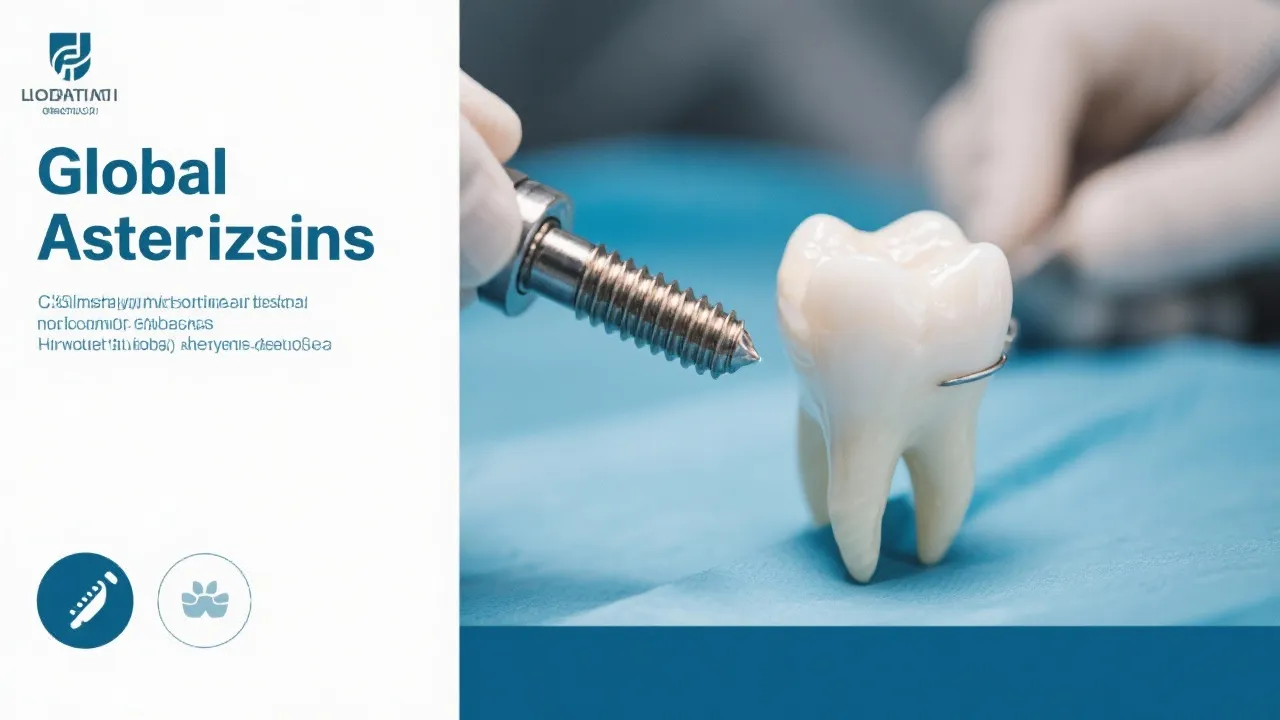
Comprehensive Guide to Dental Implants
This comprehensive guide delves into the intricacies of dental implants, providing a global perspective with a special focus on Implantswiss. Dental implants, a pivotal advancement in restorative dentistry, offer solutions for missing teeth, aiding in oral health and functionality. This article navigates through cost-effective solutions, global pricing comparisons, and the role of Implantswiss in elevating dental care standards internationally.

Affordable Dental Implants Near You
Discover low-cost dental implants and quick solutions to fix your teeth with full mouth options available near you.
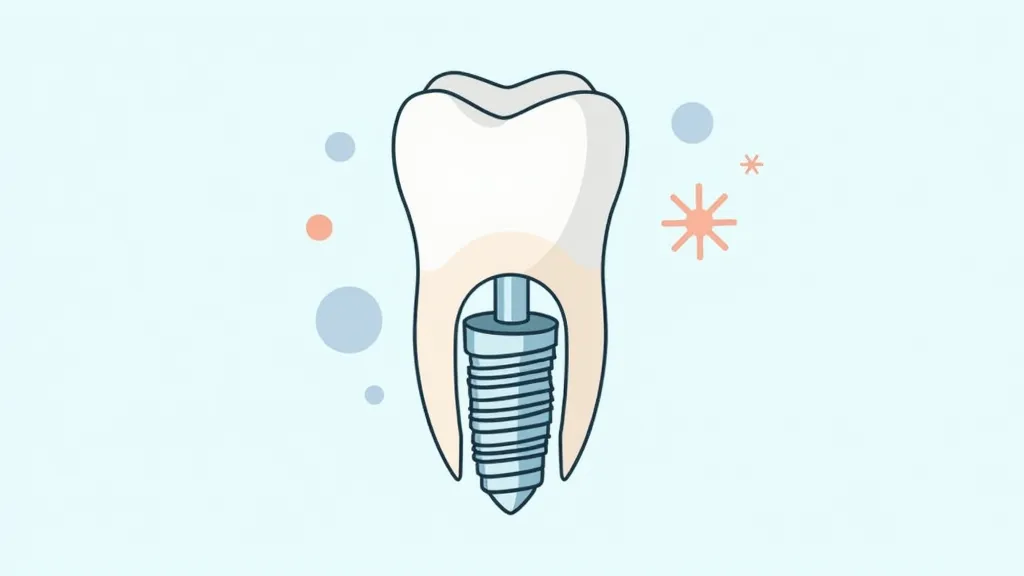
Understanding Dental Implant Prices and Options
Explore dental implant costs, funding, and full mouth options for a confident smile in 2025.

Affordable Dental Implants Near Me: Your Guide
Discover affordable dental implants, funding options, and fast solutions for fixing your teeth near you in 2025.
