This comprehensive guide outlines how you can potentially use Medicare coverage for dental implants, albeit under specific conditions. While Medicare typically doesn’t cover routine dental care, including implants, there are possible exceptions. Understanding the nuances, eligibility, and alternative options could aid in managing treatment costs.
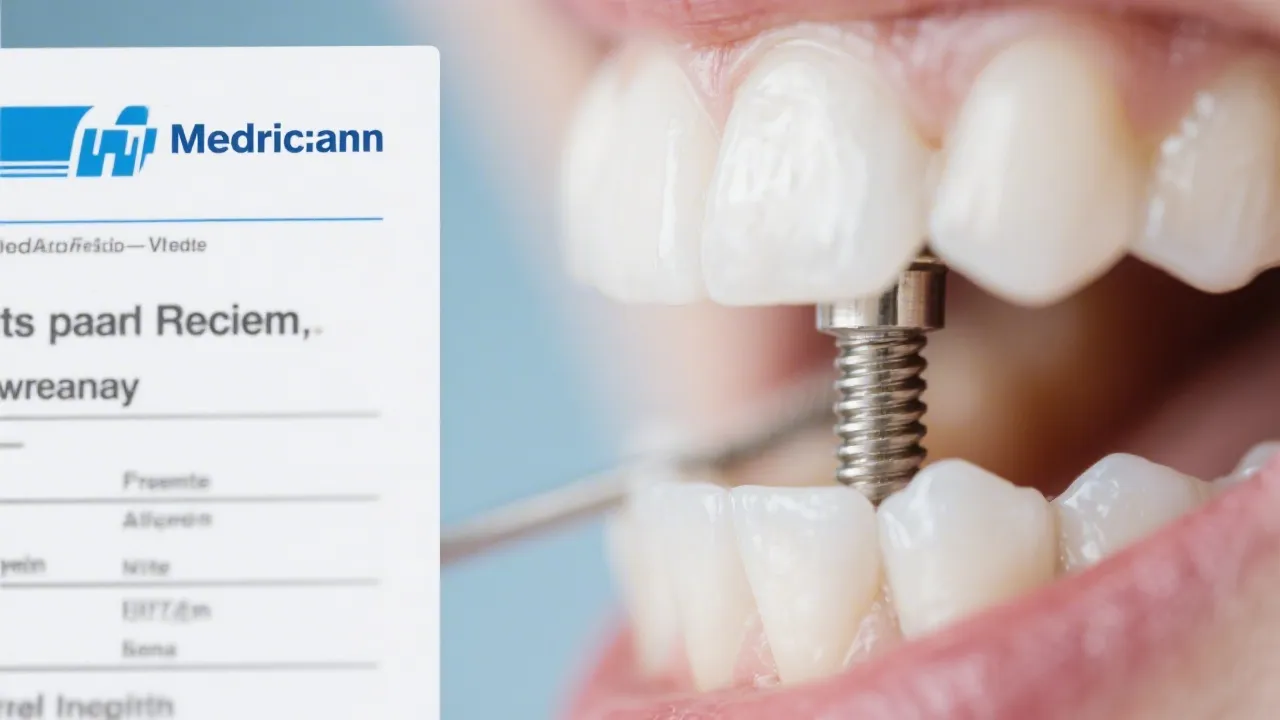
When it comes to oral health, dental implants are an essential solution for missing teeth, offering both aesthetic and functional benefits. These implants provide a permanent option that can improve not only the appearance of a person's smile but also their ability to chew and speak. However, the cost of dental implants can be prohibitive for many individuals, leading them to seek alternative solutions or financial assistance. Traditionally, Medicare has not covered routine dental procedures such as cleanings, fillings, tooth extractions, or dental implants, focusing instead on medically necessary services aimed at preserving health rather than cosmetic enhancements.
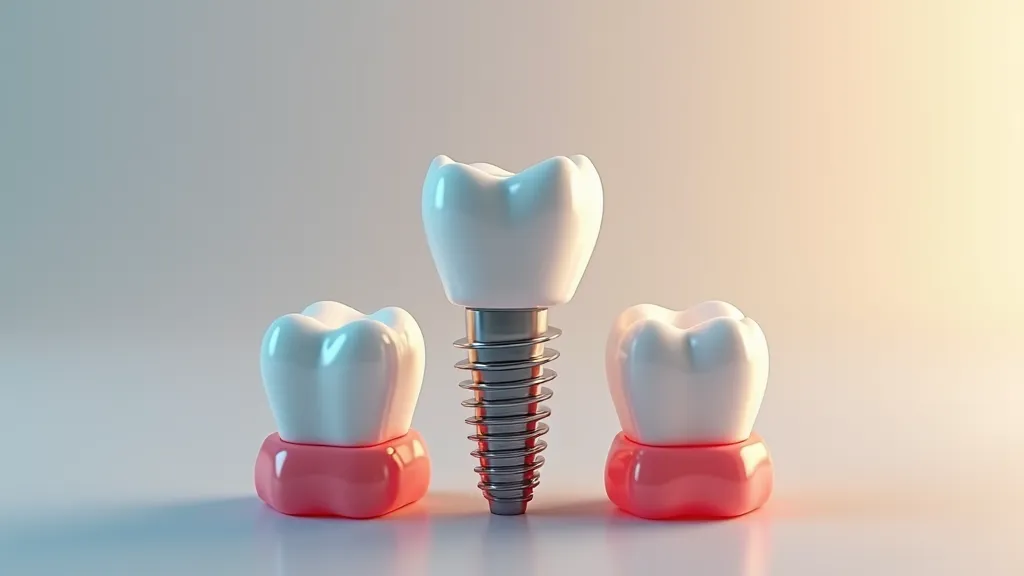
Dental implants involve a surgical procedure where a metal post is inserted into the jawbone, acting as an artificial root for a replacement tooth. This procedure requires careful planning and can be quite complex, often involving multiple appointments and consultations with healthcare professionals. Patients should be informed about the total costs, potential complications, and the recovery process involved with getting dental implants.
While traditional Medicare doesn’t generally cover dental implants, exceptions may exist if the procedure is part of a medically necessary treatment. For instance, if dental care is required as part of a treatment plan for a covered health issue, such as repairing jaw damage after an accident or for reconstructive surgery post-cancer treatment, Medicare might contribute to the costs. This typically falls under Medicare Part A, which covers hospitalization and medically necessary care associated with inpatient stays.
In such cases where the dental procedure is essential for the overall treatment of a medical condition, the distinction between dental and medical treatment becomes blurred. For example, a patient who undergoes jaw reconstruction after a face injury might require dental implants to complete the restoration of their jaw functionality. In these instances, the healthcare provider must emphasize the medical necessity for the dental procedure, ensuring Medicare recognizes their need for coverage. The specifics of these exceptions can vary significantly depending on individual circumstances and state regulations.
Moreover, some services related to dental implants might be covered if they involve the treatment of medical conditions with implications for oral health. For instance, if a patient's tooth loss is resulting from a medically diagnosed disease, such as uncontrolled diabetes or severe osteoporosis, emphasizing these health conditions could bolster the case for coverage.
1. **Consult Your Physician or Dentist**: Begin by discussing with your healthcare providers whether your case may qualify as medically necessary. They can help frame the necessity and prepare required documentation. Engaging a dentist who is familiar with Medicare policies can be particularly beneficial.
2. **Pre-Approvals and Referrals**: Obtain referrals and seek pre-approval for any procedures from Medicare if required. This preemptive step ensures clarity on what might be covered. It is advisable to check the specific requirements or forms needed for submission to avoid surprises down the line.
3. **Submit All Necessary Paperwork**: Compile all documentation from healthcare providers, including letters detailing the medical necessity and any supporting diagnostic images or test results. A well-organized submission of paperwork can significantly influence the approval chances.
4. **Explore Medicare Advantage Plans**: Some Medicare Advantage Plans (Part C) offer additional coverage, potentially including dental procedures. Reviewing these plans annually and consulting with plan advisors can open more avenues for coverage. Many Advantage plans are designed with added benefits to attract members, which can include enhanced dental services.
5. **Follow Up**: After submitting the necessary paperwork, it is crucial to follow up with Medicare or your insurance provider. This helps ensure that your claim is being processed and allows for prompt action if any additional information or clarification is required.
6. **Consider Alternative Financing Options**: If Medicare does not provide coverage, explore alternative financing options such as personal loans, dental payment plans, or healthcare credit cards specially designed for medical expenses. Many dental offices also offer payment plans that can make procedures more affordable over time.
Understanding the global landscape for dental implant costs can also aid in financial planning. Many individuals seek dental care abroad, known as dental tourism, to take advantage of lower prices while still getting high-quality treatment. Below is a comparison table showing the estimated price ranges for dental implants in several countries:
| Country | Currency | Price Range |
|---|---|---|
| United States (US) | USD | $3,000 - $6,000 |
| United Kingdom (GB) | GBP | £2,000 - £2,500 |
| Australia (AU) | AUD | AU$3,500 - AU$6,500 |
| Canada (CA) | CAD | CA$3,000 - CA$5,500 |
| Mexico | MXN | $1,000 - $2,000 |
| Thailand | THB | ฿40,000 - ฿70,000 |
This comparison shows how the cost of dental implants can vary dramatically across different countries, with some individuals traveling internationally to access affordable dental care. Patients should be sure to research the qualifications of practitioners and the credentials of dental clinics before embarking on international dental tourism.
Exploring websites and clinics that offer competitive rates can reduce out-of-pocket expenses. Patients should look for local treatment centers that provide special promotions or financing options to ease the financial burden. Here are some resources offering cost-effective dental solutions:
| Website | Features |
|---|---|
| Dental Views | Focus on affordable options, detailed cost info and benefits of implants, including service reviews and patient testimonials. |
| Atlantic Dental Group | Comprehensive dental services, including low-cost solutions for implants and financing plans to help manage costs. |
| DentaVacation | Offers options for dental tourism, helping patients find affordable dental solutions abroad with guides on travel logistics. |
| DentalPlans.com | Helps patients locate dental savings plans that can offer discounts on implant procedures without insurance coverage. |
Source: [Dental Views](https://dentalviews.com/low-cost-dental-implants/), [Atlantic Dental Group](https://www.atlanticdentalgrp.com/), [DentaVacation](https://www.dentavacation.com/), [DentalPlans.com](https://www.dentalplans.com/)
Securing Medicare coverage for dental implants can be a challenging process fraught with complexities; however, understanding the various policies can aid individuals in navigating these obstacles. Individuals must strategically plan for their dental health needs, recognizing the subtleties of insurance benefits and the importance of the medical necessity of dental procedures. Engaging with healthcare professionals, exploring Medicare Advantage Plan options, and investigating financial assistance programs are pivotal actions that can lead to favorable outcomes.
Moreover, as dental implant technology continues to evolve, individuals should stay informed about potential new treatments and financing options. Regular consultations with dental professionals and insurance advisors can facilitate timely updates on policies and provide recommendations tailored to personal circumstances.
Always bear in mind the importance of voice and representation in navigating healthcare systems, ensuring that patients advocate for their rights and coverage needs. Maintaining an open dialogue with providers and staying aware of financial assistance resources, discounts, and flexible payment options can dramatically ease the burden of dental care expenses, allowing individuals to focus more on achieving necessary treatment for their oral health, and less on the financial implications.
1). The above information comes from online resources, and the data is as of October 2023. 2). Dental implant prices are for reference only and may vary by region, clinic, and doctor. It is highly advisable to consult with healthcare professionals and insurance providers to obtain a comprehensive understanding of personal costs and coverage limits.
Striking the Perfect Balance: Navigating Premiums and Out-of-Pocket Expenses in Senior Insurance Plans

Explore the Tranquil Bliss of Idyllic Rural Retreats

How to Make Lasting Memories at Disneyland Attractions

Affordable Phones and Plans for Seniors

Affordable Full Mouth Dental Implants Near You
Unlock the Top Kept Secrets to Finding Your Ideal Dentist for Flawless Dental Implant Results!

Discovering Springdale Estates

The Guide to Car Trading

Affordable Cell Phones Without Plans

Affordable Full Mouth Dental Implants Near You
Discover options for affordable full mouth dental implants, including clinical trials and local dental services that offer cost-effective solutions.
Understanding Full Mouth Dental Implant Prices
Explore the costs and factors influencing full mouth dental implants for seniors and others.
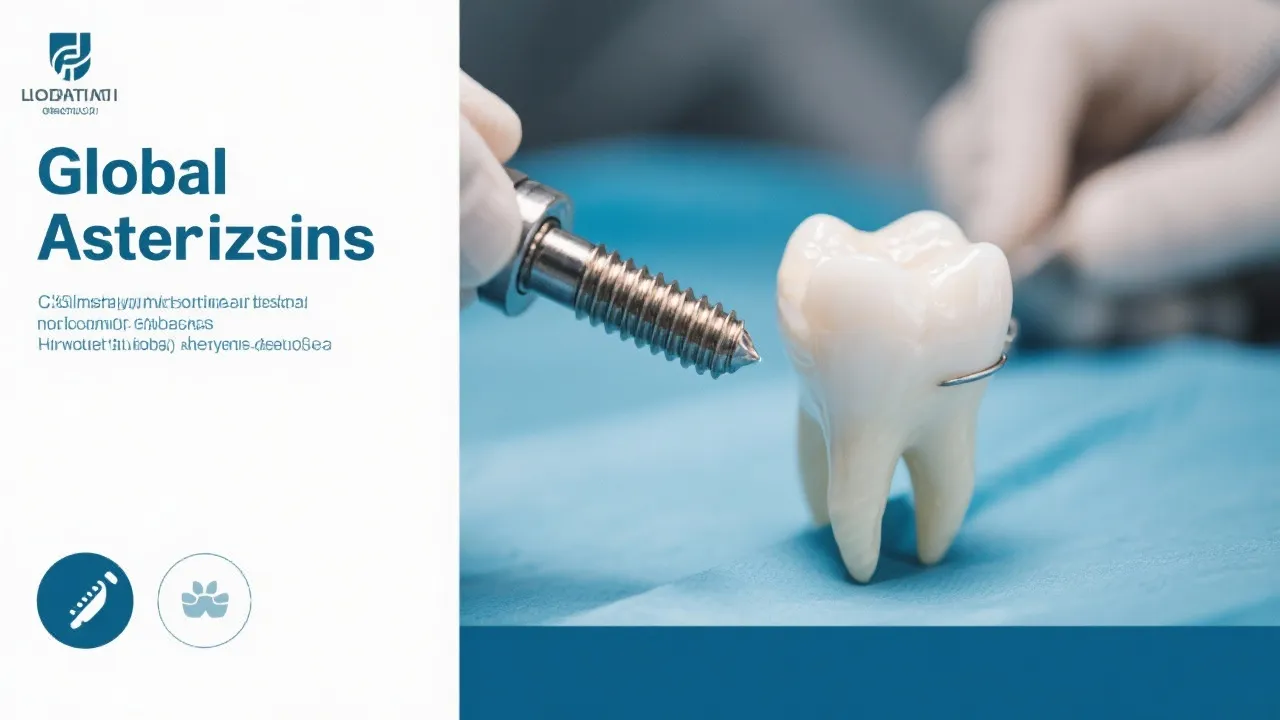
Comprehensive Guide to Dental Implants
This comprehensive guide delves into the intricacies of dental implants, providing a global perspective with a special focus on Implantswiss. Dental implants, a pivotal advancement in restorative dentistry, offer solutions for missing teeth, aiding in oral health and functionality. This article navigates through cost-effective solutions, global pricing comparisons, and the role of Implantswiss in elevating dental care standards internationally.

Affordable Dental Implants Near You
Discover low-cost dental implants and quick solutions to fix your teeth with full mouth options available near you.

Understanding Dental Implant Prices and Options
Explore dental implant costs, funding, and full mouth options for a confident smile in 2025.

Affordable Dental Implants Near Me: Your Guide
Discover affordable dental implants, funding options, and fast solutions for fixing your teeth near you in 2025.