This guide explores the latest advancements in new dental technology, emphasizing their impact on treatment efficacy and patient comfort. Dental technology is revolutionizing oral care by introducing innovative methods and devices, enabling procedures such as dental implants to be more efficient, affordable, and accessible. In recent years, the fusion of technology with dentistry has led to remarkable improvements in diagnostic accuracy and treatment outcomes, setting new standards in oral healthcare.
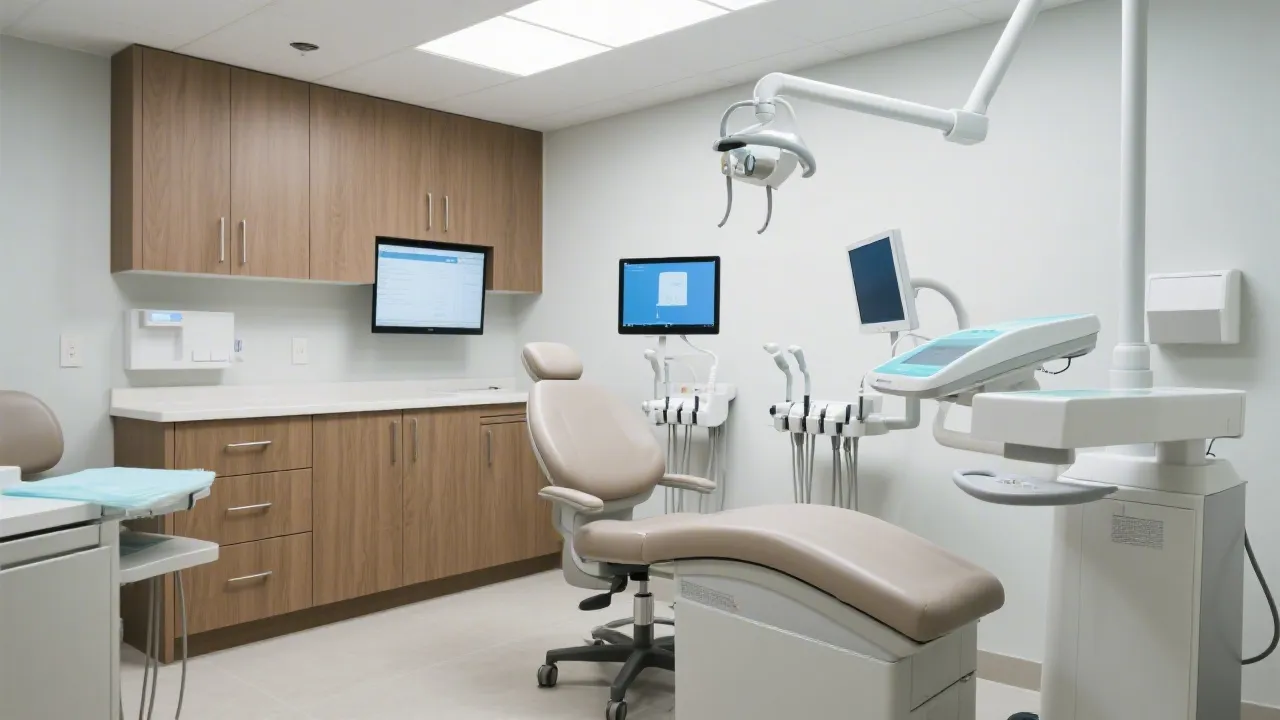
In recent years, dental technology has undergone a significant transformation, aiming to enhance treatment precision and patient experience. New dental technology not only improves procedural outcomes but also reduces the duration and discomfort traditionally associated with such treatments. This evolution is marked by a series of innovations and advancements that address both clinical efficacy and the patient's emotional and physical comfort.
Today's dental practices are equipped with a range of cutting-edge technologies designed to streamline processes, improve accuracy, and boost patient satisfaction. These include digital X-rays, 3D imaging, CAD/CAM systems for crowns and veneers, and laser dentistry techniques. Each of these technologies plays a vital role in enhancing the overall dental experience. For instance, digital X-rays are not only safer due to reduced radiation exposure but also provide immediate feedback that allows dentists to diagnose issues quickly and develop treatment plans on the spot. Furthermore, 3D imaging has revolutionized the way dentists visualize a patient's oral structure, leading to better pre-operative planning.
Moreover, CAD/CAM (Computer-Aided Design and Computer-Aided Manufacturing) technology enables the in-house fabrication of dental crowns, bridges, and veneers. This efficiency means practitioners can create and fit dental restorations within a single appointment, significantly reducing the time patients have to spend in the dental chair. The precision offered by CAD/CAM systems also minimizes the potential for human error, ensuring a better fit and more aesthetically pleasing results.
One of the domains most affected by these technological advancements is dental implants. The integration of 3D imaging and computer-aided design allows for precise implant placements, enhancing success rates and postoperative recovery. With the ability to model individual dental anatomy digitally, practitioners can plan surgeries with unparalleled accuracy. For example, 3D imaging can highlight critical anatomical structures such as nerves and sinus cavities, reducing the risk of complications during implantation.
Additionally, these advancements facilitate the development of implant systems that cater to a wide range of patient needs. The introduction of mini dental implants, which are smaller in diameter, caters to patients with limited bone density, making it a viable option for more individuals seeking implants. New materials, such as zirconia and titanium alloys, offer enhanced biocompatibility and strength, ensuring longevity and stability of the implant. Moreover, guided implant surgery systems utilize 3D-printed surgical templates, ensuring that the implants are placed in the most optimum position possible.
| Provider | Key Features |
|---|---|
| Dental Views | Affordable implant pricing, comprehensive FAQs, and educational resources. |
| Atlantic Dental Group | Wide range of services including preventive care and cosmetic procedures, easy appointment scheduling, and financing plans. |
| DentaVacation | Focus on dental tourism, personalized packages, and cost-saving options for overseas treatment. |
Source: Dental Views, Atlantic Dental Group, DentaVacation
For those residing in English-speaking regions, accessing affordable dental implants involves exploring various providers and leveraging insurance options. Providers such as Dental Views offer competitive pricing structures that aim to accommodate a variety of budgets, while Atlantic Dental Group ensures ease in scheduling appointments and swift treatment access. Additionally, considering international treatment options can provide significant cost savings. Countries such as Mexico and Costa Rica have gained popularity for dental tourism, where high-quality care is often provided at a fraction of the cost found in the US or UK.
This dental tourism trend is accompanied by an influx of clinics that cater specifically to international patients, offering packages that include travel, accommodation, and treatment in a seamless manner. Patients seeking these solutions should be prepared to conduct thorough research on their chosen clinic's credentials and reviews from previous patients. It's also advisable to understand what post-operative care and follow-ups might entail, as this can vary dramatically from one provider to another.
| Country | Currency | Price Range |
|---|---|---|
| United States (US) | USD | $3,000 - $6,000 depending on materials and specialists involved. |
| United Kingdom (GB) | GBP | £2,000 - £2,500 with possible additional costs for consultations and aftercare. |
| Australia (AU) | AUD | AU$3,500 - AU$6,500 factoring in the complexity of procedures. |
| Canada (CA) | CAD | CA$3,000 - CA$5,500, with variations based on location and dental practices. |
The future of dental technology is poised to expand even further with advancements in areas such as artificial intelligence, tele-dentistry, and the incorporation of augmented reality (AR) in treatment planning. AI has the potential to assist in diagnostic processes by analyzing large data sets to predict patient outcomes and determine optimal treatment paths. This predictive capability can enhance personalized care plans tailored to individual patient needs.
Tele-dentistry, which gained traction during global health crises, is likely to become a permanent fixture in dental care. It allows for remote consultations, follow-ups, and even preliminary assessments, making dental care more accessible, particularly for patients living in remote areas. As technology continues to evolve, the industry can expect enhanced tools that improve communication between patients and dental professionals, fostering stronger partnerships in maintaining oral health.
Furthermore, the integration of augmented reality in treatment planning can help dentists visualize and demonstrate procedures to patients, thereby increasing understanding and reducing anxiety around complex treatments. This technology translates into enhanced patient outcomes, as informed patients are more likely to engage with their oral care actively.
The evolution of new dental technology has ushered in an era of improved efficiencies and patient-centered care. By staying informed about these advancements, patients can make educated decisions about their dental health. The integration of innovative tools not only enhances treatment outcomes but also provides patients with more control over their dental care journeys, contributing to overall satisfaction and comfort during their experiences at the dentist.
Disclaimer: The above information comes from online resources and is as of October 2023. Dental implant prices are for reference only and may vary by region, clinic, and doctor. It's essential for patients to conduct thorough research and consult with dental professionals before making decisions regarding treatment options.
For more information, visit the provided sources.
References:
In addition to understanding the technological advancements in dentistry, it's beneficial to consider real-life patient experiences. Many patients have undergone successful dental implant procedures aided by modern technology, resulting in not just aesthetic improvements but also significant improvements to their quality of life. For instance, consider the story of Sarah, a 40-year-old mother of two who lost her front teeth in an accident. After extensive research and consultations, she chose to get dental implants using the latest CAD/CAM technology. Sarah was particularly pleased that the procedure could be completed in one day, allowing her to return to her family without the prolonged recovery typically associated with traditional dental restorations. Her experience highlights not just the physical transformations possible with modern dentistry, but also the emotional and social impacts that can result from enhanced confidence in one's smile.
Such testimonials reinforce the importance of choosing a provider who utilizes the latest technologies, as it directly correlates with the patient experience. Many clinics now encourage patients to share their stories and feedback, providing future patients with insights and reassurance when making their choices. In this age of information, prospective patients should leverage these personal accounts to navigate their dental care journeys more effectively.
With advancements in dental technology, addressing dental anxiety has also seen substantial progress. New sedation techniques and relaxed atmospheres in dental offices aim to put patients at ease. Virtual reality experiences during procedures, calming music, and soothing décor are becoming common in modern dental practices to create a more inviting atmosphere. Patients are encouraged to voice their concerns and preferences prior to their appointments, allowing dentists to tailor their approach to comfort. As we embrace technology in dentistry, managing patient anxiety effectively has become just as important as the technical aspects of care.
By adopting a comprehensive approach to patient care that encompasses technological innovation, emotional support, and community engagement, dental professionals can continue to foster trust and satisfaction among their patients. Ultimately, the goal remains the same: to provide exceptional dental care while ensuring that each patient feels heard, respected, and cared for during their treatment.
Striking the Perfect Balance: Navigating Premiums and Out-of-Pocket Expenses in Senior Insurance Plans

Explore the Tranquil Bliss of Idyllic Rural Retreats

How to Make Lasting Memories at Disneyland Attractions

Affordable Phones and Plans for Seniors

Affordable Full Mouth Dental Implants Near You

Unlock the Top Kept Secrets to Finding Your Ideal Dentist for Flawless Dental Implant Results!

Discovering Springdale Estates

The Guide to Car Trading

Affordable Cell Phones Without Plans

Affordable Full Mouth Dental Implants Near You
Discover options for affordable full mouth dental implants, including clinical trials and local dental services that offer cost-effective solutions.
Understanding Full Mouth Dental Implant Prices
Explore the costs and factors influencing full mouth dental implants for seniors and others.
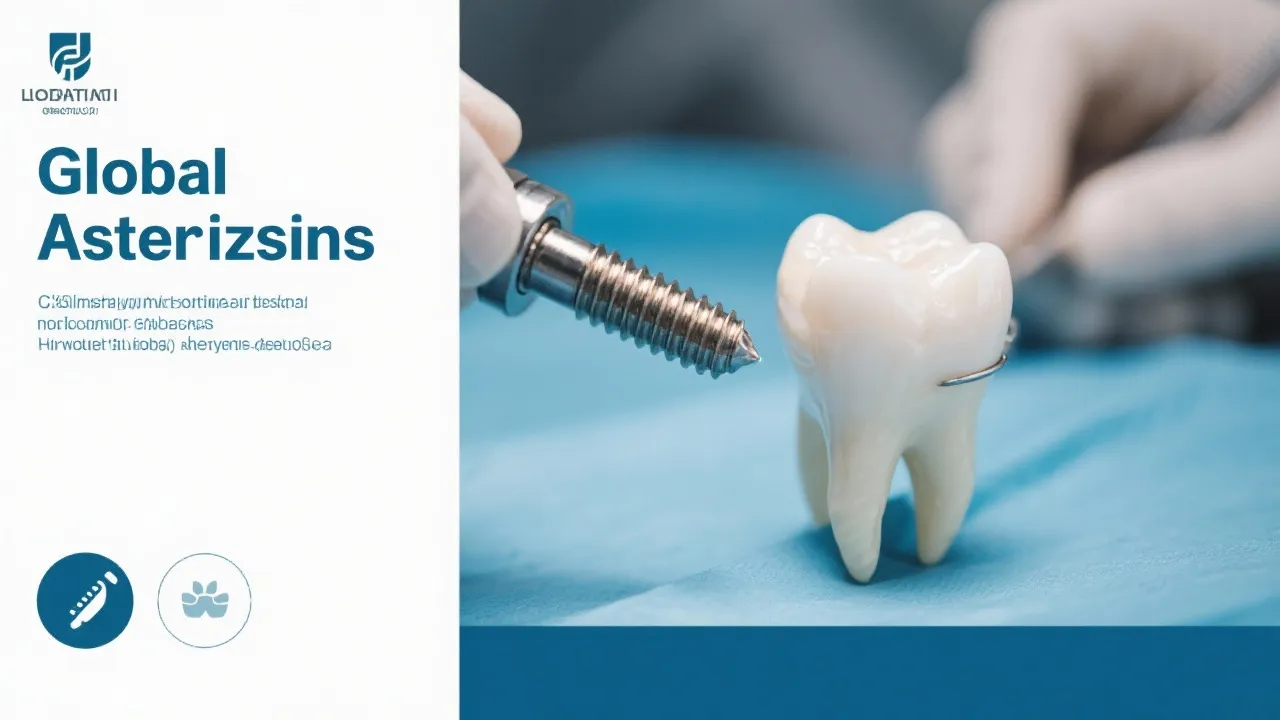
Comprehensive Guide to Dental Implants
This comprehensive guide delves into the intricacies of dental implants, providing a global perspective with a special focus on Implantswiss. Dental implants, a pivotal advancement in restorative dentistry, offer solutions for missing teeth, aiding in oral health and functionality. This article navigates through cost-effective solutions, global pricing comparisons, and the role of Implantswiss in elevating dental care standards internationally.

Affordable Dental Implants Near You
Discover low-cost dental implants and quick solutions to fix your teeth with full mouth options available near you.

Understanding Dental Implant Prices and Options
Explore dental implant costs, funding, and full mouth options for a confident smile in 2025.

Affordable Dental Implants Near Me: Your Guide
Discover affordable dental implants, funding options, and fast solutions for fixing your teeth near you in 2025.
