This guide explores the transformative influence of new dental technology on modern dentistry. New dental technology encompasses advancements aimed at enhancing diagnostic precision, treatment efficiency, and patient comfort in dental practices. This article delves into breakthrough innovations, their potential in reshaping dental care, and the role these cutting-edge tools play in delivering optimal patient outcomes.
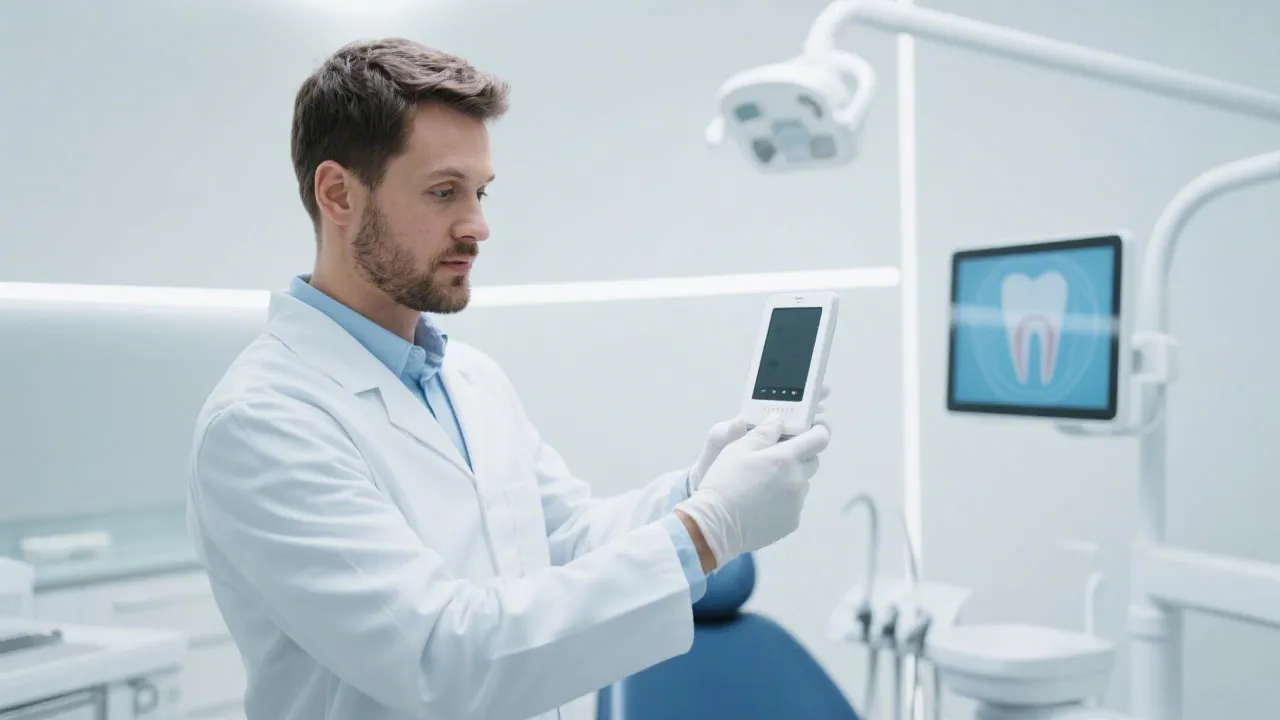
The advent of new dental technology has revolutionized the way dental care is delivered, significantly enhancing both patient experience and treatment outcomes. As we venture deeper into the 21st century, the integration of innovative tools and methods is transforming dental practices across the globe, making treatments more efficient, accurate, and comfortable for patients. The evolution of dental technology isn't just about convenience; it's about providing a pathway to better oral health systems that prioritize patient-centric care.
New dental technology encompasses a range of advancements designed to optimize treatment protocols and improve patient outcomes. Technologies such as 3D imaging and digital scanning have redefined diagnostic accuracy, enabling dentists to develop more precise and personalized treatment plans. A notable example is the use of Cone Beam Computed Tomography (CBCT), which provides three-dimensional imaging of the dental structure, offering unparalleled clarity compared to traditional two-dimensional X-rays. This allows for better planning and implementation of procedures, especially in complex cases such as dental implants.
Similarly, the advent of laser dentistry has revolutionized procedures, offering less invasive and more comfortable alternatives to traditional methods. Lasers can be used for a variety of applications, ranging from gum reshaping to cavity detection, significantly reducing the need for anesthesia and minimizing pain associated with conventional approaches. These technologies also facilitate quicker healing times and are associated with a lower risk of infection.
The introduction of these technologies provides numerous benefits, including reduced chair time for patients, enhanced comfort during procedures, and faster recovery times. For instance, with the use of digital impressions, which eliminate the need for messy traditional molds, dentists can streamline the process of creating crowns or braces. This not only saves time but also enhances comfort and accuracy in fitting dental appliances.
Additionally, new dental technology allows for early detection of potential issues, improving preventive care and overall oral health outcomes. High-definition intraoral cameras are now commonplace in dental offices, allowing practitioners to capture detailed images of the mouth and educate patients on their dental health. Being able to visualize problems facilitates informed decision-making regarding treatment options and encourages patients to adhere to preventive care recommendations.
For patients seeking affordable treatment options, low-cost dental implants have become increasingly accessible thanks to technological advancements. Many clinics now offer competitive pricing without compromising on quality, making dental implants a viable option for a broader range of individuals. The rise of dental tourism is also noteworthy; patients are traveling abroad to take advantage of lower prices on procedures that may be prohibitively expensive in their home countries. Countries such as Mexico, Costa Rica, and Hungary have become hotspots for dental tourism, often providing high-quality services at a fraction of the cost found in the United States and Western Europe.
| Website | Features |
|---|---|
| Dental Views | Offers low-cost dental implants and comprehensive implant process information. |
| Atlantic Dental Group | Provides diverse dental services including implants, with easy access to dental care information. |
| DentaVacation | Facilitates dental tourism, offering cost comparisons and travel arrangements for overseas treatments. |
Source:
The cost of dental implants varies by country, with prices reflecting local economic conditions and the technology used. Below is a price comparison for individual dental implants in various English-speaking countries:
| Country | Currency | Price Range |
|---|---|---|
| United States | USD | $3,000 - $6,000 |
| United Kingdom | GBP | £2,000 - £2,500 |
| Australia | AUD | AU$3,500 - AU$6,500 |
| Canada | CAD | CA$3,000 - CA$5,500 |
As evident from the data, significant variances exist in the cost of dental implants across different countries. Factors such as labor costs, regulation, and healthcare infrastructure contribute to these differences. For instance, the United States typically has higher costs attributed to advanced medical technology and higher operational costs in private practices. In contrast, dental care in countries like Hungary or Costa Rica benefits from lower overheads, attracting international patients looking for quality care at significantly lower rates.
The latest dental implant technologies include 3D-printed implants, digital imaging, and laser treatment options, all aimed at improving accuracy, aesthetics, and recovery time. Additionally, some companies are exploring the use of biodegradable materials for implants, which could offer a more sustainable option in the future.
New technologies in dentistry lead to quicker, less invasive procedures, improved aesthetic results, and personalized treatment plans, ultimately enhancing patient satisfaction and outcomes. Technologies such as artificial intelligence (AI) are now starting to be integrated into diagnostic tools, further improving the precision of treatment.
Yes, when performed by qualified professionals, low-cost dental implants can be as reliable as their more expensive counterparts, especially with the utilization of advanced technology. Dental professionals often ensure that materials used in lower-cost procedures meet stringent international standards, providing a safe and effective option for patients.
When selecting a clinic for dental implants, consider the qualifications and experience of the dental professionals, the technology and materials they use, as well as patient reviews. It's also wise to confirm what types of financing options are available, especially if cost is a concern. Asking for before-and-after photos from previous patients can also provide insight into the quality of care offered.
With proper care and maintenance, dental implants can last many years, often over a decade. Factors such as oral hygiene, regular dental check-ups, and lifestyle choices can influence the longevity of implants. Patients are advised to maintain a consistent oral health routine to ensure the success of their implants.
The integration of new dental technology continues to shape the future of dental care, offering promising benefits for both practitioners and patients. As these advancements become increasingly accessible, including the availability of low-cost dental implants, we can expect continued improvements in dental health services worldwide. The emphasis on preventive care through technological enhancements encourages not only better health outcomes but also fosters a culture of awareness about the importance of regular dental check-ups and maintaining good oral hygiene.
Moreover, as digital and laser technologies advance, the field of dentistry is likely to witness even more innovative practices that will redefine patient experiences, making dental visits less daunting and more comfortable. These advancements are not merely an upgrade; they represent a fundamental shift towards promoting holistic oral health within communities.
As we embrace these changes, the collaboration between technology, dental professionals, and informed patients will be essential in creating a future where dental care is as effective and accessible as possible. In this journey towards better oral health, education about available technologies and treatment options will empower patients, ensuring they make informed decisions that enhance their quality of life.
Disclaimer: The above information comes from online resources, and the data is as of October 2023. Dental implant prices are for reference only and may vary by region, clinic, and doctor.
Striking the Perfect Balance: Navigating Premiums and Out-of-Pocket Expenses in Senior Insurance Plans

Explore the Tranquil Bliss of Idyllic Rural Retreats

How to Make Lasting Memories at Disneyland Attractions

Affordable Phones and Plans for Seniors

Affordable Full Mouth Dental Implants Near You
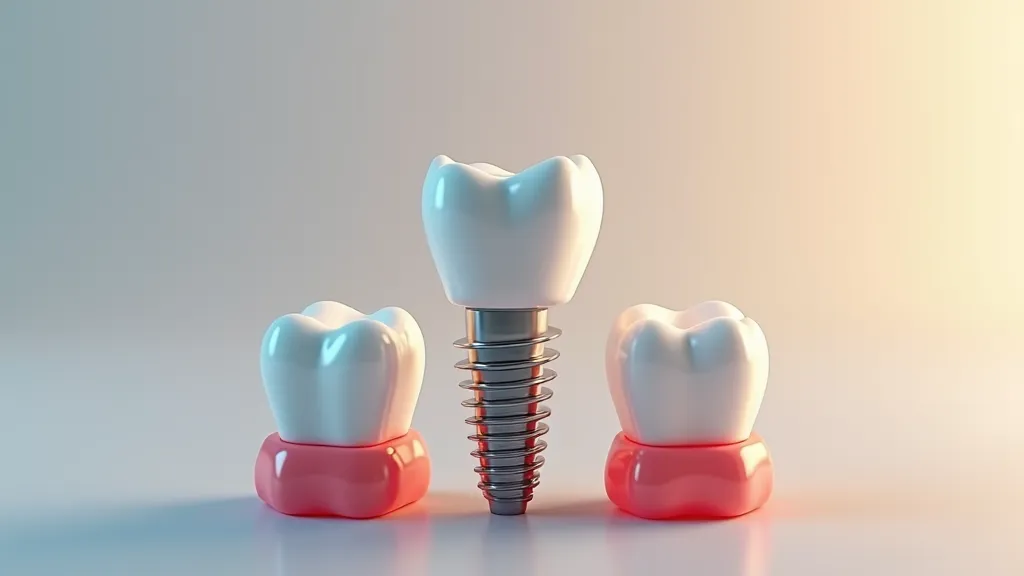
Unlock the Top Kept Secrets to Finding Your Ideal Dentist for Flawless Dental Implant Results!

Discovering Springdale Estates

The Guide to Car Trading

Affordable Cell Phones Without Plans
Affordable Full Mouth Dental Implants Near You
Discover options for affordable full mouth dental implants, including clinical trials and local dental services that offer cost-effective solutions.
Understanding Full Mouth Dental Implant Prices
Explore the costs and factors influencing full mouth dental implants for seniors and others.
Comprehensive Guide to Dental Implants
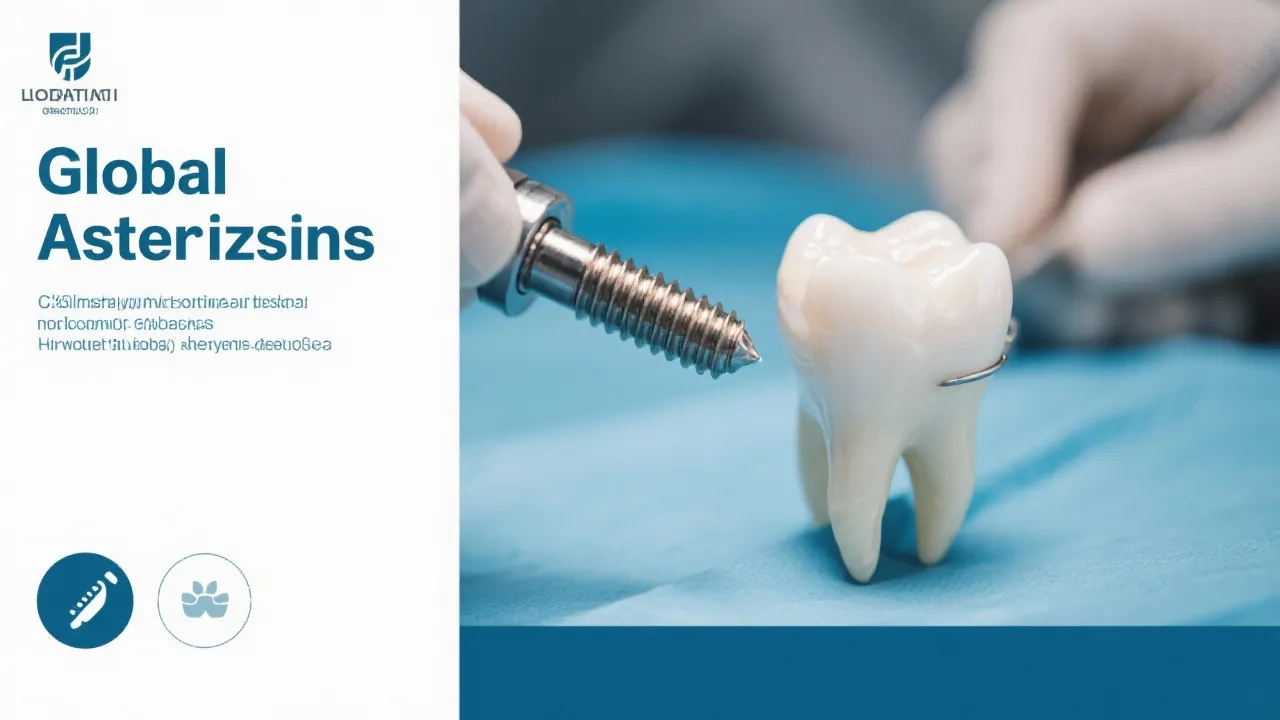
This comprehensive guide delves into the intricacies of dental implants, providing a global perspective with a special focus on Implantswiss. Dental implants, a pivotal advancement in restorative dentistry, offer solutions for missing teeth, aiding in oral health and functionality. This article navigates through cost-effective solutions, global pricing comparisons, and the role of Implantswiss in elevating dental care standards internationally.

Affordable Dental Implants Near You
Discover low-cost dental implants and quick solutions to fix your teeth with full mouth options available near you.
Understanding Dental Implant Prices and Options
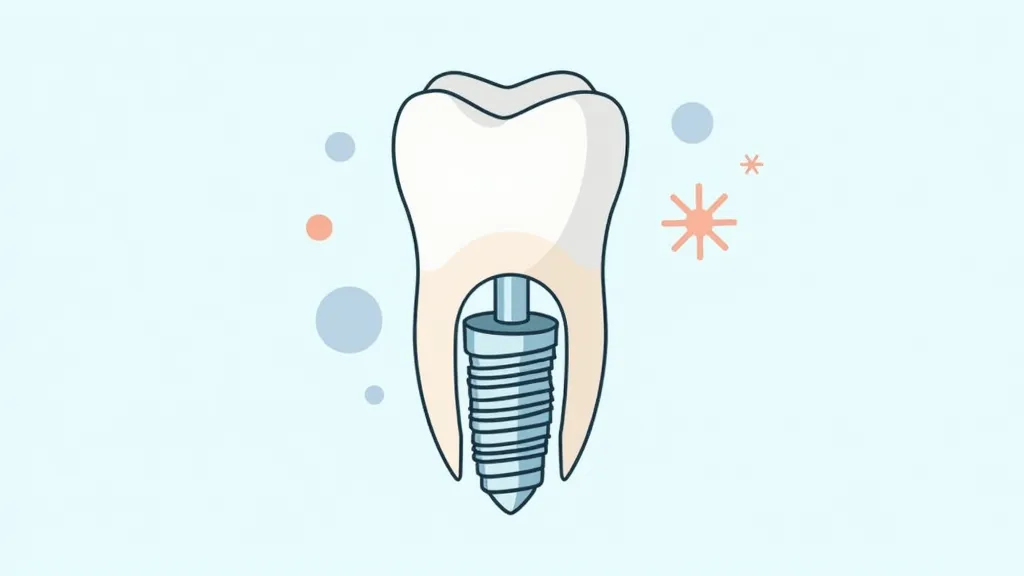
Explore dental implant costs, funding, and full mouth options for a confident smile in 2025.
Affordable Dental Implants Near Me: Your Guide
Discover affordable dental implants, funding options, and fast solutions for fixing your teeth near you in 2025.