This article explores the extent to which dental services are covered by Medicare, offering readers clarity on what to expect. While Medicare provides substantial healthcare coverage in the United States, its inclusion of dental services is limited. This analysis aims to illuminate the specific dental services potentially covered, offering guidance on navigating these benefits and exploring alternative options for comprehensive dental care.
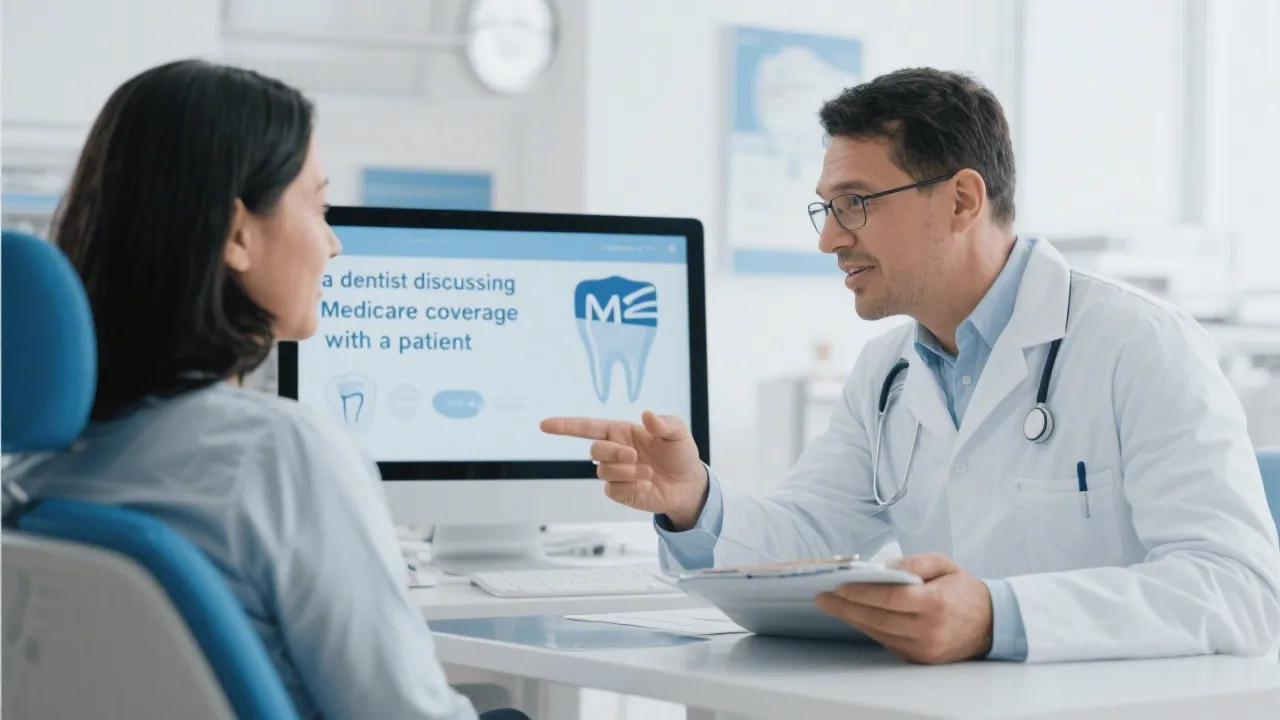
Medicare, the federal health insurance program for individuals aged 65 and older, alongside certain younger individuals with disabilities, comprises several parts. These parts, primarily Medicare Part A (Hospital Insurance) and Part B (Medical Insurance), extend a broad spectrum of healthcare benefits. However, when it comes to dental services, the coverage is considerably limited. This article endeavors to demystify the scope of Medicare's dental service offerings, guiding beneficiaries on how to maximize their benefits, explore alternative dental care options, and make informed healthcare decisions. Understanding the complexities of dental coverage under Medicare not only helps beneficiaries navigate their healthcare needs more effectively but also empowers them to take proactive steps toward maintaining their dental health.
Medicare has traditionally not included routine dental care within its coverage. This means dental services such as cleanings, fillings, tooth extractions, and dentures are generally excluded. The primary reason behind this is rooted in Medicare's original design, focusing primarily on acute care rather than preventive or routine services. Despite this, there are certain circumstances where Medicare does cover specific dental services. For instance, Medicare Part A may cover dental procedures that are necessary in preparation for a medical procedure covered by Medicare, such as jaw reconstruction required following an injury.
The lack of dental coverage can place an additional financial burden on beneficiaries, especially for those who require extensive dental work or regular preventive care. As dental health is closely linked to overall health—impacting issues like cardiovascular disease, diabetes management, and more—the absence of coverage can lead to long-term complications due to neglected dental health. This limited scope often results in beneficiaries having to pay out-of-pocket for dental care which can be prohibitive for many, particularly those on fixed incomes.
An exception to the conventional Medicare services is the Medicare Advantage Plan (Part C). These are offered by private insurance companies and may include dental, vision, and hearing coverage as additional benefits. Beneficiaries choosing Medicare Advantage plans can benefit from routine dental care, though availability and scope vary based on the plan and provider. It’s crucial for beneficiaries to carefully compare Medicare Advantage plans, assessing the dental coverage offered, any associated costs, and network restrictions. Some plans may offer preventive care services such as periodic exams and cleanings, while others may have coverage for more elaborate procedures like crowns or root canals.
Additionally, there is a wide variety of Medicare Advantage plans that offer different levels of dental coverage, ranging from basic services to comprehensive plans that include specialty dental treatments. It's important for beneficiaries to not only consider the premium costs but also understand the co-pays, deductibles, and the overall out-of-pocket maximum for dental services. Comparing plans can be done easily through the official Medicare website, which provides updated information and tools to help beneficiaries find a plan that meets their specific dental care needs.
Given Medicare's limited dental coverage, beneficiaries often seek alternative options for dental care. Medicaid, depending on the state, can serve as a supplemental option, offering some level of dental coverage. Additionally, dental discount programs and standalone dental insurance plans furnish options for routine and preventive care. It's advisable for beneficiaries to research these alternatives thoroughly, considering cost, coverage, and accessibility. Many states have programs that can assist low-income individuals or those without insurance in obtaining necessary dental care. Such programs might include community health centers that offer dental services on a sliding fee scale based on income.
Furthermore, some organizations, like the National Dental Association and the American Dental Association, have resources and referrals for individuals looking for affordable dental services in their area. Non-profit organizations and charities can also provide assistance for those who struggle to afford dental care, often hosting free clinics or events offering free or low-cost dental services.
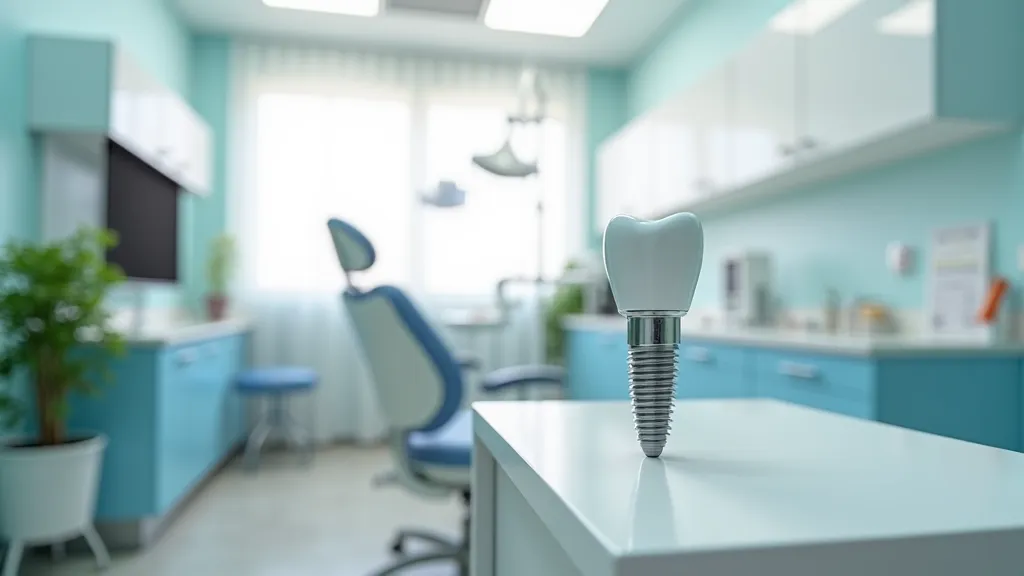
Dental implants, a popular choice for tooth replacement, are not covered by traditional Medicare. However, some Medicare Advantage plans may cover a portion of the costs. Moreover, beneficiaries may explore low-cost implant options available at dental schools or clinics offering payment plans. Dental schools often provide services at a reduced price, supervised by licensed faculty, making this option a beneficial avenue for those seeking affordable dental work.
Another avenue is dental tourism, which allows individuals to receive affordable implants by traveling to countries where the costs are significantly lower. Dental tourism has grown in popularity, with many individuals traveling to destinations like Mexico, Costa Rica, or Thailand to receive high-quality dental work at a fraction of the price they would pay in the U.S. This trend underscores the importance of conducting thorough research and ensuring the chosen provider meets appropriate quality and safety standards.
| Country | Currency | Price Range |
|---|---|---|
| United States | USD | $3,000 - $6,000 |
| United Kingdom | GBP | £2,000 - £2,500 |
| Australia | AUD | AU$3,500 - AU$6,500 |
| Canada | CAD | CA$3,000 - CA$5,500 |
| Provider | Features |
|---|---|
| Dental Views | Detailed information on low-cost dental implants and various treatments. |
| Atlantic Dental Group | Comprehensive services including implants, cleanings, and emergency care. |
| DentaVacation | Information on dental tourism options for affordable treatment abroad. |
source:
While Medicare provides valuable healthcare coverage, its scope for dental services remains restrictive. Beneficiaries should explore supplementary plans like Medicare Advantage for dental coverage or consider alternative solutions for their dental care needs. It’s imperative to remain informed on the latest benefits, compare available plans, and seek reliable resources to maximize dental health benefits effectively. Additionally, as the healthcare landscape continues to evolve, beneficiaries need to advocate for stronger policies and coverage options for dental care under Medicare, recognizing the crucial role it plays in comprehensive health management.
Furthermore, engaging regularly with healthcare providers not only assists in maintaining oral health but also fosters a collaborative approach in managing overall well-being. Consistently staying informed about advances in dental care, changes to coverage policies, and exploring community resources can significantly enhance access and affordability of dental services for Medicare beneficiaries. This proactive involvement empowers individuals to make educated decisions, paving the way for better health outcomes.
1) The above information is derived from online sources, dated October 2023. 2) Dental implant prices are indicative only and may vary by region, clinic, and practitioner.
Striking the Perfect Balance: Navigating Premiums and Out-of-Pocket Expenses in Senior Insurance Plans

Explore the Tranquil Bliss of Idyllic Rural Retreats

How to Make Lasting Memories at Disneyland Attractions

Affordable Phones and Plans for Seniors

Affordable Full Mouth Dental Implants Near You

Unlock the Top Kept Secrets to Finding Your Ideal Dentist for Flawless Dental Implant Results!

Discovering Springdale Estates

The Guide to Car Trading

Affordable Cell Phones Without Plans

Affordable Full Mouth Dental Implants Near You
Discover options for affordable full mouth dental implants, including clinical trials and local dental services that offer cost-effective solutions.
Understanding Full Mouth Dental Implant Prices
Explore the costs and factors influencing full mouth dental implants for seniors and others.
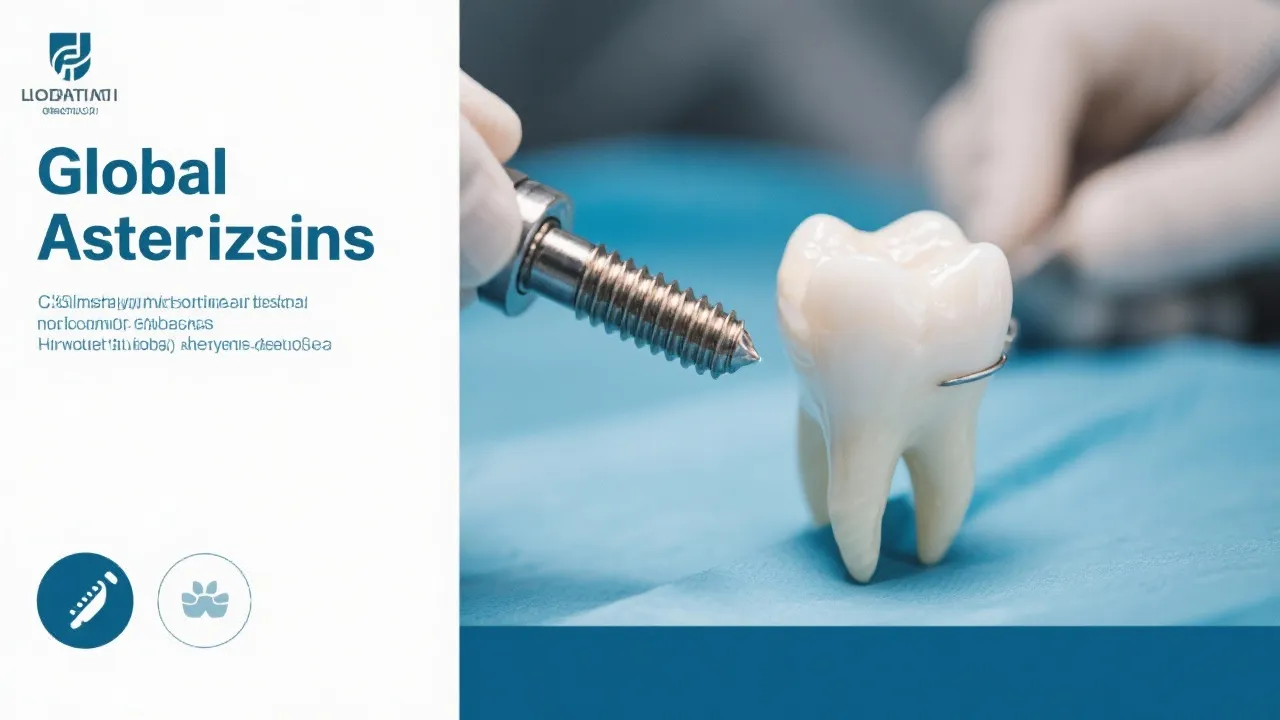
Comprehensive Guide to Dental Implants
This comprehensive guide delves into the intricacies of dental implants, providing a global perspective with a special focus on Implantswiss. Dental implants, a pivotal advancement in restorative dentistry, offer solutions for missing teeth, aiding in oral health and functionality. This article navigates through cost-effective solutions, global pricing comparisons, and the role of Implantswiss in elevating dental care standards internationally.

Affordable Dental Implants Near You
Discover low-cost dental implants and quick solutions to fix your teeth with full mouth options available near you.
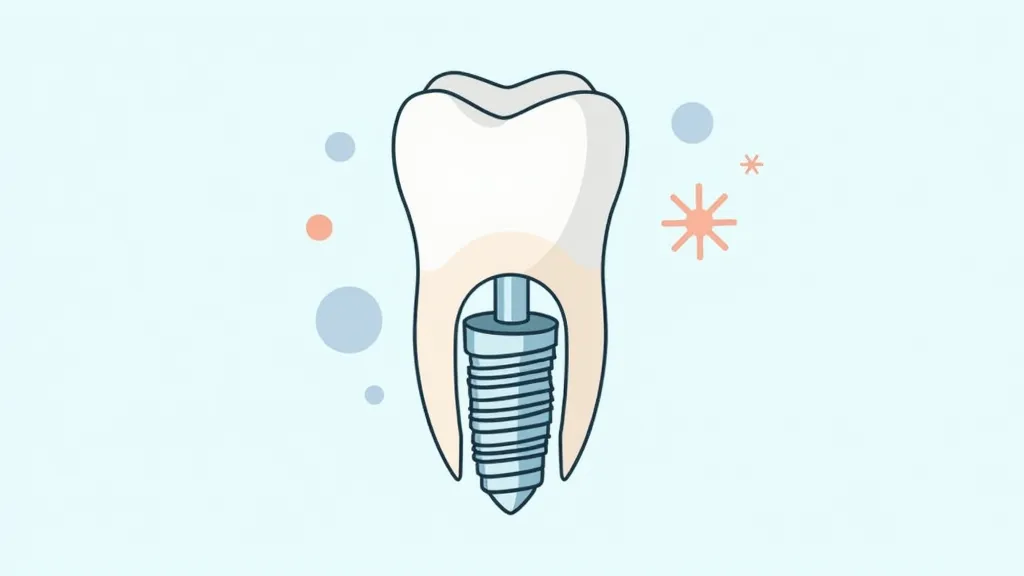
Understanding Dental Implant Prices and Options
Explore dental implant costs, funding, and full mouth options for a confident smile in 2025.
Affordable Dental Implants Near Me: Your Guide
Discover affordable dental implants, funding options, and fast solutions for fixing your teeth near you in 2025.
