This article provides an in-depth analysis of dental services covered by Medicare, focusing on eligibility, types of services, and limitations. The article delves into Medicare's scope as a national health insurance program, primarily for people aged 65 and older, younger individuals with disabilities, and those with End-Stage Renal Disease. It aims to inform readers about available dental benefits and considerations for supplemental insurance.
Medicare is a federal health insurance program in the United States, primarily benefiting individuals aged 65 and older, young people with disabilities, and patients with End-Stage Renal Disease (ESRD). The program emerged in 1965 as a response to the growing need for medical care among older Americans unable to afford hospital services. While Medicare provides extensive medical coverage, its dental coverage is limited, often leaving beneficiaries seeking additional options. It is essential for patients to understand Medicare’s dental services as it plays a critical role in navigating healthcare decisions effectively.
Dental health is crucial to overall well-being, with an array of studies linking oral health to systemic health issues, such as heart disease and diabetes. The limited dental coverage under Medicare can leave many beneficiaries at a disadvantage when trying to maintain their dental hygiene and tackle oral health problems. As such, individuals must familiarize themselves with the aspects of Medicare's dental policies to make informed choices about their dental coverage.
Medicare’s provisions for dental services are notably limited, primarily covering dental care only when it is medically necessary to support another Medicare-covered procedure. For instance, if you're undergoing a kidney transplant or heart valve replacement, Medicare might cover dental exams required before the procedure to ensure the patient is free from infection. Nonetheless, routine dental services like teeth cleaning, fillings, extractions, or dentures are not typically covered. This means beneficiaries are left to pay for these common services out-of-pocket, which can accumulate significant costs over time.
Moreover, despite the absence of coverage for preventive dental care, Medicare does offer some related services under certain circumstances. For example, if a dental condition results in a serious infection, leading to hospitalization, Medicare may cover the hospitalization costs under the medical insurance portion. However, this scenario highlights the importance of proper dental care, as neglect could lead to more serious health issues, necessitating hospital treatment.
Beneficiaries should also note that Medicare Part C (Medicare Advantage) plans may offer diverse dental benefits. These plans, which are administered by private insurance companies, often come with more extensive dental coverage options than Original Medicare, including routine check-ups, preventive care, and sometimes even major procedures. Therefore, individuals may want to consider these plans when reviewing their options for dental health care.
Given the limited dental coverage, many beneficiaries explore supplemental dental insurance options to fill the gaps left by Medicare. Dental insurance plans tailored for seniors are widely available, providing various levels of coverage at different price points. Coverage often includes preventive services like cleanings and exams, as well as restorative procedures such as fillings and crowns. Individuals should carefully compare plans, as not all offer the same benefits or network of dental providers.
In addition, organizations such as Atlantic Dental Group offer comprehensive dental care, including various services such as orthodontics and implants. These groups can often provide flexible payment plans, making dental procedures more accessible. Atlantic Dental Group frequently emphasizes preventive care, believing it is essential to reducing the need for more expensive treatments.
For those seeking affordable dental solutions, websites like Dental Views provide insights into cost-effective dental implants. These sites often compile a wealth of information regarding low-cost alternatives, including clinics specializing in budget-friendly solutions or providers known for their competitive pricing.
Moreover, many community health centers offer dental services on a sliding scale based on income. Patients who qualify can benefit from reduced fees, making dental care more affordable while still receiving reliable treatment. Engaging with local health organizations can also lead to discovering available programs that provide free or subsidized dental care for seniors, regardless of their Medicare status.
| Provider | Features |
|---|---|
| Dental Views | Specializes in affordable dental implant solutions, benefits overview, and process details. They provide guidance on negotiating prices and accessing services at reduced rates. |
| Atlantic Dental Group | Offers a wide range of services, from routine cleanings to emergency care and implants. They focus on personalized treatment plans and patient education. |
| DentaVacation | Facilitates dental tourism, helping patients to save by traveling abroad for treatment. They provide arrangements for accommodations and transportation, in addition to dental care. |
Source: Dental Views, Atlantic Dental Group, DentaVacation
To access dental implants at lower costs, consider the following steps:
When evaluating dental implants’ costs, the financial burden can vary significantly across English-speaking nations:
| Country | Currency | Price Range |
|---|---|---|
| United States | USD | $3,000 - $6,000 |
| United Kingdom | GBP | £2,000 - £2,500 |
| Australia | AUD | AU$3,500 - AU$6,500 |
| Canada | CAD | CA$2,500 - CA$4,500 |
| Ireland | EUR | €1,500 - €3,500 |
As this table illustrates, there are compelling reasons for patients to consider their options carefully. For many patients, the potential cost savings of accessing dental implants in other countries can be significant compared to prices in the United States. This change in perspective can influence decision-making related to health care, especially in countries where healthcare systems may be less burdened by regulatory and insurance limitations.
Q1: Are any dental services covered by Medicare?
Medicare covers dental services only when they are integral parts of a covered medical procedure. However, routine dental services like exams and cleanings are not covered under Original Medicare.
Q2: Can I use Medigap for dental coverage?
Medigap plans do not offer dental coverage directly. However, some Medicare Advantage plans include dental benefits that can help cover the costs of preventive and routine dental services.
Q3: How can I improve my chances of getting dental procedures covered by Medicare?
To improve the chances of dental procedures being covered by Medicare, patients should ensure their dentists provide detailed documentation outlining the medical necessity for the treatment. This documentation should be submitted along with any claims for reimbursement under Medicare.
Q4: What are my options if I cannot afford dental insurance?
If you cannot afford dental insurance, consider looking into community dental clinics that offer services on a sliding scale, dental schools that provide low-cost care, or dental discount plans that can help reduce overall costs.
While Medicare offers limited dental service coverage, understanding what is covered and exploring supplemental insurance or low-cost dental implant options can significantly help beneficiaries in managing their dental health needs. Advocating for better dental care coverage should also be a priority for many, as the current limitations can lead to more serious health issues down the line.
Taking the time to investigate various options, including dental tourism and community resources, can empower individuals to obtain necessary treatments without incurring overwhelming financial burdens. Ensuring that dental health is a priority may ultimately contribute to overall well-being and enhanced quality of life for many Medicare beneficiaries.
1) The above information comes from online resources, and the data is as of October 2023. 2) Dental implant prices are for reference only and may vary by region, clinic, and doctor.
Links to relevant resources include Dental Views, Atlantic Dental Group, and DentaVacation.
Striking the Perfect Balance: Navigating Premiums and Out-of-Pocket Expenses in Senior Insurance Plans

Explore the Tranquil Bliss of Idyllic Rural Retreats

How to Make Lasting Memories at Disneyland Attractions

Affordable Phones and Plans for Seniors

Affordable Full Mouth Dental Implants Near You

Unlock the Top Kept Secrets to Finding Your Ideal Dentist for Flawless Dental Implant Results!

Discovering Springdale Estates

The Guide to Car Trading

Affordable Cell Phones Without Plans

Affordable Full Mouth Dental Implants Near You
Discover options for affordable full mouth dental implants, including clinical trials and local dental services that offer cost-effective solutions.
Understanding Full Mouth Dental Implant Prices
Explore the costs and factors influencing full mouth dental implants for seniors and others.
Comprehensive Guide to Dental Implants
This comprehensive guide delves into the intricacies of dental implants, providing a global perspective with a special focus on Implantswiss. Dental implants, a pivotal advancement in restorative dentistry, offer solutions for missing teeth, aiding in oral health and functionality. This article navigates through cost-effective solutions, global pricing comparisons, and the role of Implantswiss in elevating dental care standards internationally.

Affordable Dental Implants Near You
Discover low-cost dental implants and quick solutions to fix your teeth with full mouth options available near you.
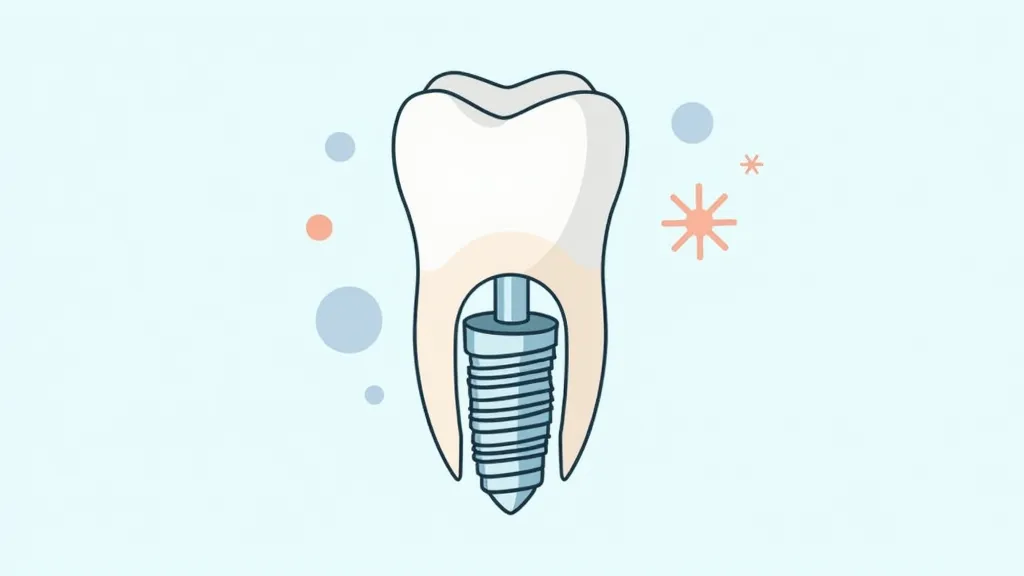
Understanding Dental Implant Prices and Options
Explore dental implant costs, funding, and full mouth options for a confident smile in 2025.
Affordable Dental Implants Near Me: Your Guide
Discover affordable dental implants, funding options, and fast solutions for fixing your teeth near you in 2025.
