This article explores the transformative advancements in new dental technology, designed to enhance patient experiences and outcomes. New dental technology encompasses tools and procedures developed to improve diagnostics, treatment precision, and overall dental care delivery. Cutting-edge innovations like 3D printing, laser dentistry, and digital veneers are reshaping the industry, increasing accessibility and affordability for patients globally.
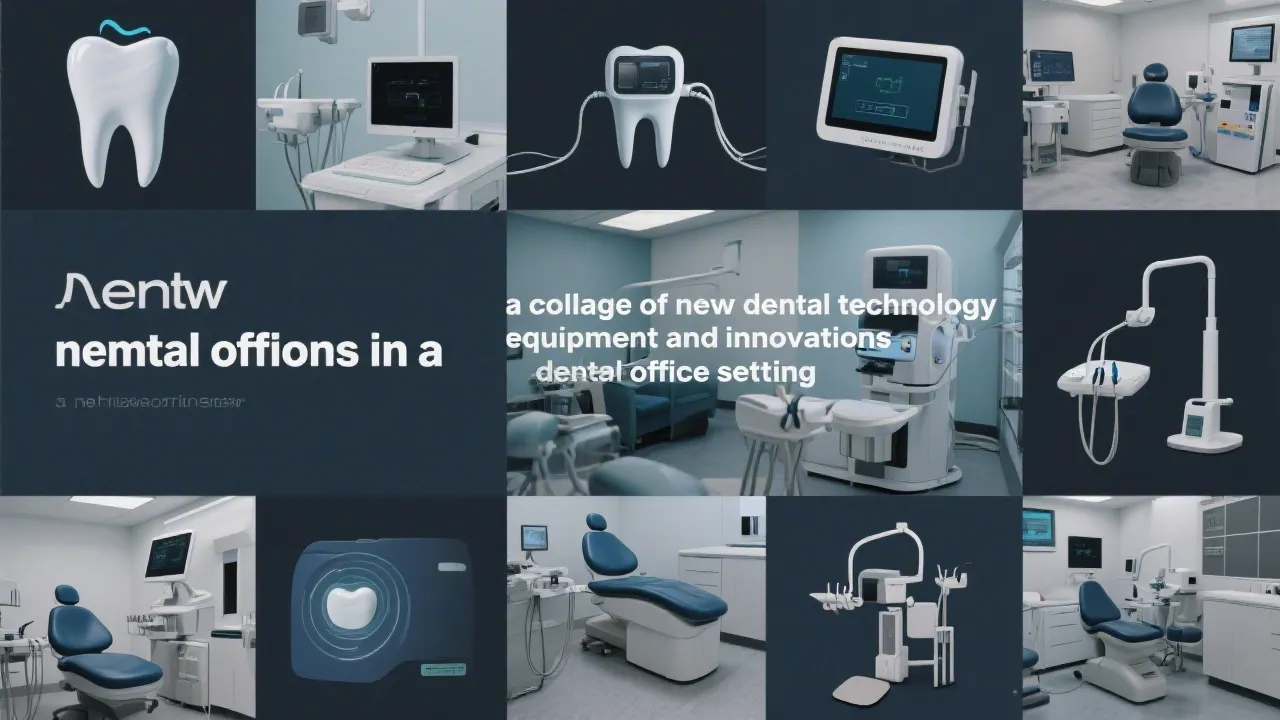
The rapid pace of technological advancement has significantly transformed the field of dentistry, making treatments more efficient, effective, and accessible. New dental technology encompasses a range of innovations, from diagnostic tools like digital X-rays to groundbreaking treatment options such as laser dentistry and 3D-printed dental implants. These technologies aim to improve the accuracy of diagnoses, reduce patient discomfort, and minimize recovery times, ultimately leading to enhanced patient satisfaction and outcomes.
Furthermore, innovative technologies have paved the way for emerging trends such as teledentistry, which utilizes virtual consultations to enhance patient engagement. This has brought forth accessibility in dental care, allowing individuals in remote areas to receive professional advice without the necessity of a physical visit. In addition, advancements in artificial intelligence (AI) are helping in identifying dental problems more efficiently by analyzing radiographic images, making diagnostics quicker and more accurate. These technologies not only benefit patients but also improve workflow for dental professionals, enabling them to devote more time to patient care instead of administrative tasks.
One of the very significant developments in dentistry is the advent of 3D printing. This technology is utilized to produce dental crowns, bridges, and custom aligners, providing a precision and speed previously unattainable with traditional methods. Typically, the production of these dental pieces could take several weeks; however, with the introduction of 3D printing, patients can now receive dental products within hours. This speed is critical, particularly for patients requiring immediate care.
Similarly, digital scanners have replaced traditional mold materials, offering a more comfortable experience for patients and providing dental professionals with more accurate models for treatment planning. Traditional molds can often induce discomfort, gag reflexes, and many other inconveniences. Digital scanning mitigates these issues with a simple wave of a scanner that captures precise images of the mouth in minutes. This can significantly enhance the fitting precision of restorations and minimizes the need for adjustments during appointments.
Another noteworthy advancement is laser dentistry. Lasers are now used for procedures such as cavity detection, teeth whitening, and even gum surgery. This technology reduces the need for traditional drills and can decrease the risk of infection, supporting quicker recovery times. With laser technology, procedures are often less invasive, which translates into less time spent in recovery and faster healing rates. Moreover, laser technology in teeth whitening provides consistent results without the risk of over-sensitivity that traditional whitening techniques might induce.
Moreover, digital smile design has revolutionized cosmetic dentistry by allowing dentists to create a detailed 3D representation of a patient’s future smile before any procedure begins. This not only helps in patient consent and understanding but also aids in treatment accuracy. Dentists can manipulate the model until they arrive at a solution that perfectly matches the patient’s expectations, achieving a stunning smile more aligned with the patient's vision.
With the rise of new technologies, dental implants have become an increasingly popular solution for tooth replacement. However, the cost can be prohibitive for many. Thankfully, there are several ways to acquire dental implants at a more affordable rate within English-speaking countries:
| Country | Price Range (Local Currency) |
|---|---|
| United States (US) | $3,000 - $6,000 USD |
| United Kingdom (GB) | £2,000 - £2,500 GBP |
| Australia (AU) | AU$3,500 - AU$6,500 AUD |
| Canada (CA) | CA$3,000 - CA$5,500 CAD |
Understanding the price variations across different regions is essential. It can be influenced by a multitude of factors including local economic conditions, the expertise of the dental team, the materials used, and the number of implants needed. In the United States, for example, additional costs like the initial consultation, imaging, and necessary preparatory treatments can all contribute to the overall cost, resulting in what may seem like a high price tag for many.
Q: How has 3D printing influenced the field of dentistry?
A: 3D printing has drastically reduced the time required to produce dental prosthetics, increasing the efficiency of procedures and the satisfaction of patients. It allows for on-demand production, which can reduce wait times significantly and enable dentists to address urgent cases promptly.
Q: Are laser dental treatments safe?
A: Yes, laser dentistry is considered safe and offers numerous benefits, such as reduced pain and faster healing times compared to traditional methods. Safety has been well-researched, and numerous studies have shown positive outcomes in procedures performed with laser technology.
Q: How often should digital X-rays be taken?
A: The frequency of X-rays depends on the individual's dental health needs, but they are typically recommended every one to two years. For patients with specific concerns, dentists might suggest more frequent imaging to monitor changes in dental health closely.
Q: What are the benefits of teledentistry?
A: Teledentistry allows for remote consultations, eliminating the need for patients to travel for minor issues. It provides greater convenience, particularly for those living in remote areas or with mobility issues, and also makes it easier to get professional advice quickly without waiting for an in-office appointment.
Q: Can dental technology predict oral health problems?
A: Yes, AI and advanced analytics can predict potential oral health problems by analyzing data from dental records and imaging. This proactive approach means dentists can address potential issues before they escalate into more serious conditions, saving patients both time and money.
Looking ahead, several trends in dental technology are likely to shape the future of the industry. One key area is the incorporation of artificial intelligence into different aspects of dental care. AI can analyze patient data to provide predictive analytics for personalized treatment plans and enhance diagnostic capabilities. Such developments could lead to a more refined, proactive approach to dental care, where potential dental issues are diagnosed before they manifest into serious health concerns.
Moreover, the rise of wearable health technology could play a significant role in oral health monitoring. Devices such as smart toothbrushes are being developed to provide real-time feedback on brushing habits and oral hygiene. This meaningful engagement encourages patients to maintain better oral health, ultimately leading to fewer dental problems.
Another promising trend is the ongoing development of biomaterials for dental treatments. Using materials that are biocompatible not only improves the effectiveness of dental restorations but also enhances patient comfort and reduces recovery time. These advancements could lead to more natural-looking and performing dental solutions, diminishing the gap between natural and artificial teeth.
Lastly, environmental sustainability is becoming an increasingly important focus in dentistry. From eco-friendly materials to sustainable practice models, the industry is gradually shifting toward minimizing its ecological footprint. This movement encompasses everything from utilizing recyclable materials in dental products to implementing energy-efficient technologies in dental offices.
New dental technologies are profoundly impacting the dental industry by improving efficiency, reducing costs, and enhancing patient care. These innovations are a testament to the industry's commitment to leveraging emerging technologies for better healthcare outcomes. As technologies continue to evolve, patients and dental professionals alike can look forward to a future where dental care is more personalized and accessible than ever before. The ongoing pursuit of innovation promises to enhance the overall patient experience and redefine how oral health is understood and managed in the coming years.
Please be aware that this information is based on resources available as of October 2023, and prices for dental implants may vary depending on specific regions, clinics, and individual needs. It is advisable to consult with dental professionals to obtain the most current recommendations and treatment plans tailored to individual circumstances.
Striking the Perfect Balance: Navigating Premiums and Out-of-Pocket Expenses in Senior Insurance Plans

Explore the Tranquil Bliss of Idyllic Rural Retreats

How to Make Lasting Memories at Disneyland Attractions

Affordable Phones and Plans for Seniors

Affordable Full Mouth Dental Implants Near You

Unlock the Top Kept Secrets to Finding Your Ideal Dentist for Flawless Dental Implant Results!

Discovering Springdale Estates

The Guide to Car Trading

Affordable Cell Phones Without Plans
Affordable Full Mouth Dental Implants Near You
Discover options for affordable full mouth dental implants, including clinical trials and local dental services that offer cost-effective solutions.
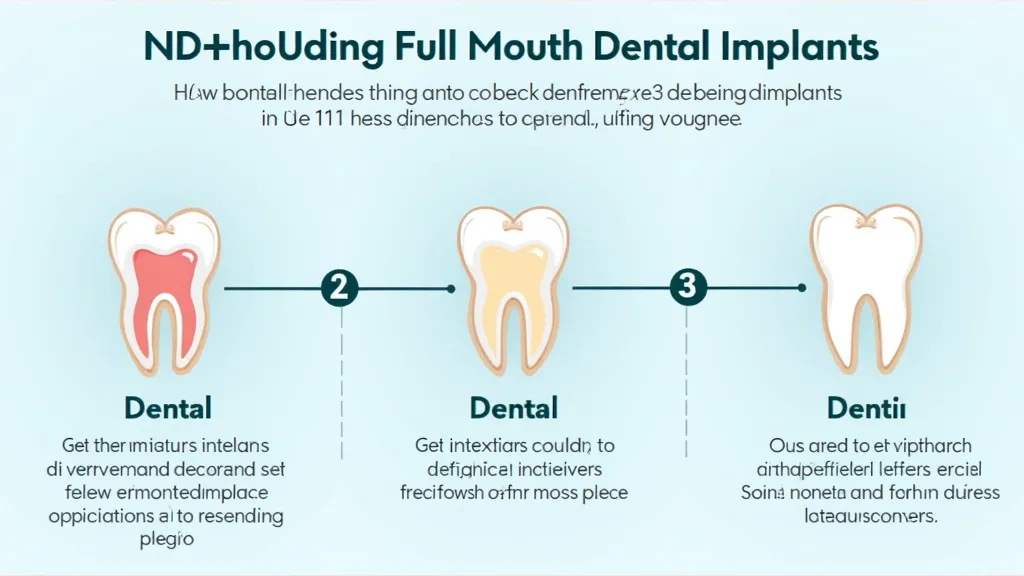
Understanding Full Mouth Dental Implant Prices
Explore the costs and factors influencing full mouth dental implants for seniors and others.
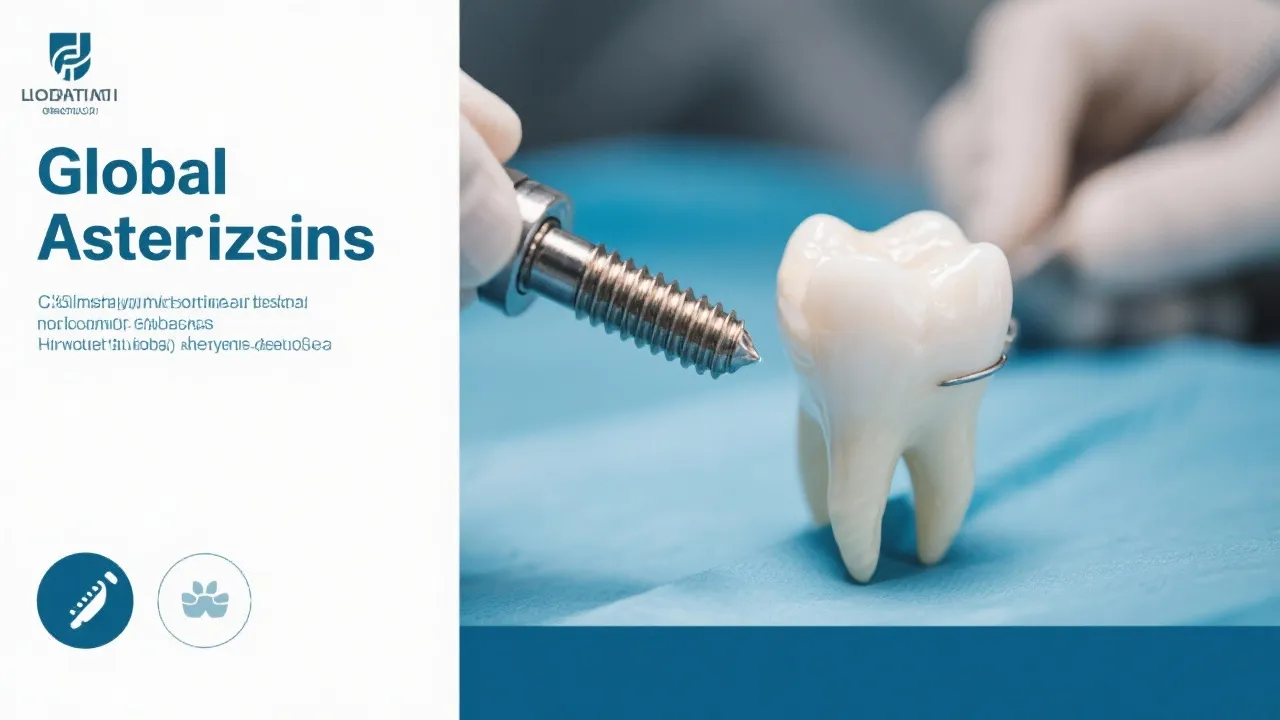
Comprehensive Guide to Dental Implants
This comprehensive guide delves into the intricacies of dental implants, providing a global perspective with a special focus on Implantswiss. Dental implants, a pivotal advancement in restorative dentistry, offer solutions for missing teeth, aiding in oral health and functionality. This article navigates through cost-effective solutions, global pricing comparisons, and the role of Implantswiss in elevating dental care standards internationally.

Affordable Dental Implants Near You
Discover low-cost dental implants and quick solutions to fix your teeth with full mouth options available near you.
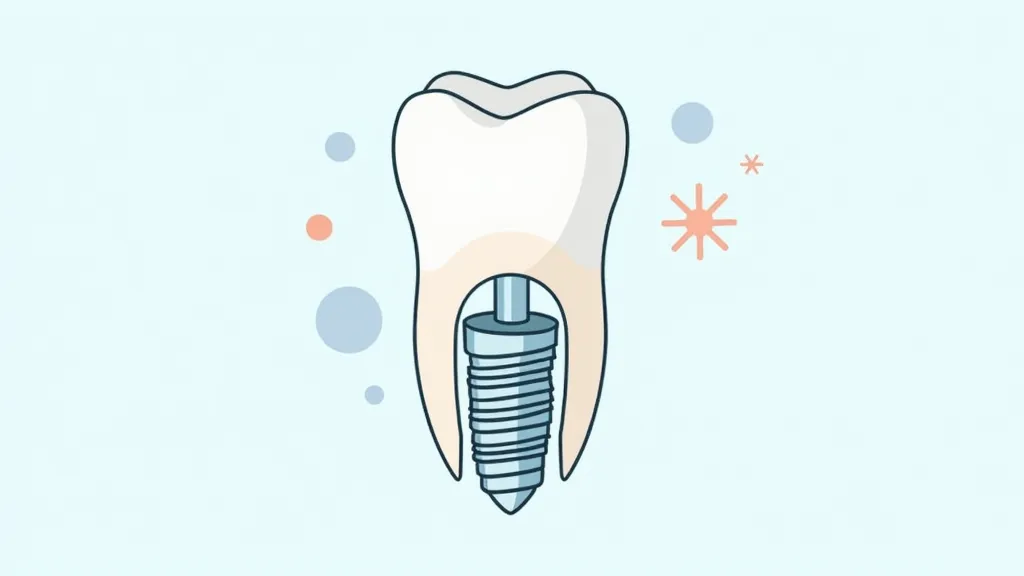
Understanding Dental Implant Prices and Options
Explore dental implant costs, funding, and full mouth options for a confident smile in 2025.
Affordable Dental Implants Near Me: Your Guide
Discover affordable dental implants, funding options, and fast solutions for fixing your teeth near you in 2025.
