This comprehensive guide delves into the latest advancements in dental technology, emphasizing how these innovations are transforming dental care. New dental technology is revolutionizing the field, offering more efficient, comfortable, and effective treatment options. This guide covers various technological breakthroughs, focusing on their benefits, applications, and implications for dental care worldwide.
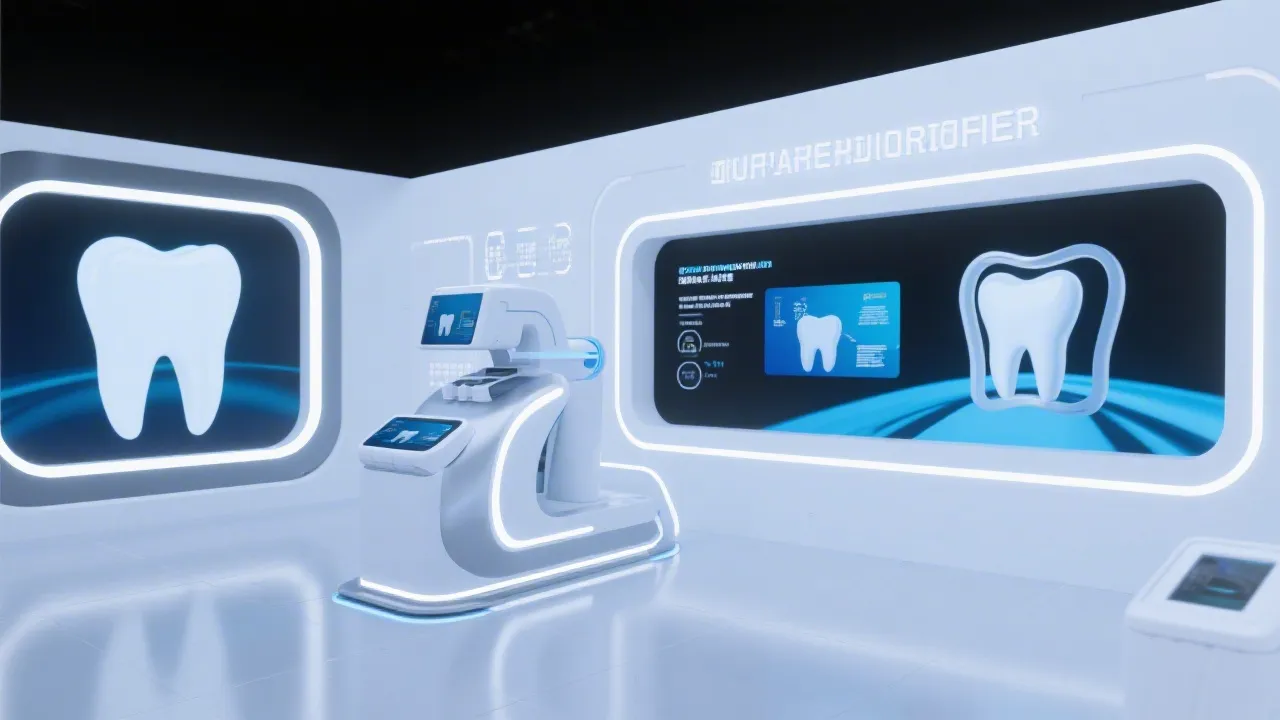
The field of dentistry is experiencing a profound transformation due to the advent of new dental technology. These innovations not only enhance the precision of dental procedures but also significantly improve patient experiences. The advent of digital tools, advanced materials, and minimally invasive techniques epitomizes these advancements, making dental treatments more accessible and efficient than ever before.
In recent decades, there has been a noteworthy shift towards patient-centered care, with technology acting as a facilitator for this change. This transformation is marked by an effort to ensure that patients are not only recipients of treatment but also active participants in their dental health journey. By leveraging technology, dentists can communicate more effectively with their patients, leading to improved trust and satisfaction within the patient-dentist relationship.
In recent years, digital dentistry has moved to the forefront of oral healthcare. Technologies such as CAD/CAM (Computer-Aided Design and Computer-Aided Manufacturing) systems streamline the design and fabrication of dental prosthetics. CAD/CAM technology allows for the creation of precise dental restorations, such as crowns, bridges, and veneers, reducing the time patients spend in the dental chair and minimizing the need for multiple appointments.
Furthermore, 3D printing is revolutionizing the production of customized crowns, bridges, and orthodontic appliances. By enabling dentists to create tailored solutions based on each patient’s unique dental anatomy and preferences, 3D printing enhances the fit and function of dental devices, leading to more satisfied patients.
Moreover, laser dentistry offers a minimally invasive option for a variety of soft and hard tissue procedures. This technology reduces pain and recovery time, serving both patient comfort and clinical outcomes. Lasers are used to treat gum disease, reshape gums, and perform delicate surgical procedures with reduced bleeding and discomfort compared to traditional methods. This advancement significantly enhances the patient experience, allowing for quicker recovery and less need for anesthetics.
Digital radiography and intraoral scanning are two more technologies that are improving diagnostic accuracy. Conventional X-rays are being replaced by digital radiographs, which provide detailed images with reduced radiation exposure. Intraoral scanners replace traditional impressions with digital scans, enhancing comfort for patients and providing accurate data for treatment planning. These technologies also allow for instant sharing of images with specialists, facilitating collaborative care and timely decision-making.
Advanced technology in dental care is reshaping the patient experience. With innovations like guided implant surgery, dental implants are being placed with unprecedented accuracy, reducing surgery time and improving healing outcomes. This technology employs 3D imaging to create a surgical guide that instructs the dentist on exactly where to place the implant, ensuring optimal positioning relative to the existing jawbone and surrounding teeth.
Furthermore, teledentistry platforms exponentially expand access to dental services by offering remote consultations and follow-ups, which is vital for individuals in distant or underserved areas. Through video conferencing tools, patients can receive expert advice without the need to travel long distances, making dental care more accessible than ever before. In 2020, particularly during the pandemic, teledentistry became a crucial lifeline for many seeking regular dental check-ups or urgent care.
Additionally, the incorporation of artificial intelligence (AI) into dentistry is paving new avenues for enhancing patient care. AI can aid in diagnostics, identify potential issues through image analysis, and even facilitate personalized treatment plans based on individual needs. By analyzing data from countless patients, AI systems can learn and offer recommendations that lead to improved patient outcomes and streamlined workflows within dental practices.
| Country | Currency | Price Range |
|---|---|---|
| United States (US) | USD | $3,000 - $6,000 |
| United Kingdom (GB) | GBP | £2,000 - £2,500 |
| Australia (AU) | AUD | AU$3,500 - AU$6,500 |
| Canada (CA) | CAD | CA$3,000 - CA$5,500 |
Source for further pricing details: Dental Views, Atlantic Dental Group
When considering dental implants, it is crucial to understand the factors influencing their cost. Various elements affect pricing, including the material used for the implant, the complexity of the surgical procedure, the geographic location of the practice, and the level of expertise of the dental professionals involved. For patients, understanding these factors can assist in making informed decisions about their options for treatment.
In English-speaking regions, several resources provide options for affordable dental implants. Patients can find cost-effective solutions by exploring clinics that offer bundled services, which combine multiple procedures into one price point. Such packages can reduce the overall cost while ensuring that patients receive the care they need.
Another alternative is considering dental schools, where students perform procedures under the supervision of experienced faculty members. Dental schools typically offer lower rates for patients seeking treatment, but this option requires a degree of flexibility in scheduling appointments as students work according to their training schedules.
For those seeking treatment abroad, dental tourism presents a viable option. By traveling to countries with lower costs of living, patients can receive high-quality dental care at a substantially reduced price. Many popular destinations, such as Mexico, Costa Rica, and Hungary, are recognized for their dental practices catering to international patients. However, a thorough review of the facilities, such as checking for accreditation and reading patient reviews, is necessary to ensure safety and quality of care.
Technological integration in dentistry is poised to accelerate further. The integration of artificial intelligence in diagnostics may redefine patient interaction and treatment efficacy. For instance, AI can analyze data from electronic health records, identifying risk factors that may influence treatment outcomes. This insight allows for tailored interventions and proactive care, enhancing the overall patient experience.
Moreover, innovations such as smart toothbrushes connected to mobile applications offer personalized oral hygiene feedback. These tools can track users' brushing habits and provide motivation through gamified experiences, reminding them of best practices to reduce dental issues proactively. This shift towards preventive care may mitigate the necessity for more complex procedures in the future.
Furthermore, the adoption of biomaterials in restorative procedures promises more durable and biocompatible dental solutions, which may reduce the need for costly replacements over time. These advanced materials aim to mimic the physiological properties of natural teeth, leading to stronger and more aesthetic restoration options that enhance patient satisfaction. Research into bioactive materials is ongoing, with the hope of developing solutions that actively promote healing at the site of dental implants or restorations.
As telehealth becomes more ingrained in everyday healthcare, dental practices will likely continue to leverage technology for virtual consultations, remote monitoring, and ongoing communication with patients. Patients would benefit from consistent updates on their oral health status and easier access to dental professionals, which can lead to earlier detection of issues and improved overall health outcomes.
Finally, the future of dentistry will inevitably be shaped by patient preferences and demands. As patients become more informed through access to a wealth of information, they will seek personalized treatment options and expect transparency from their dental providers regarding procedures, costs, and expected outcomes. This evolution encourages dental practitioners to adopt a more patient-focused approach in their practices, blending technology with empathetic care.
What is the most significant advantage of new dental technology?
New dental technology enhances treatment precision and patient experience, promoting faster recovery and less discomfort while also ensuring better outcomes over time. These innovations not only make procedures more effective but also help instill confidence and reduce anxiety among patients.
Can these technologies reduce the cost of dental care?
While advanced technology may incur an initial investment for dental practices, it can lead to significant savings through improved efficiency and a reduced need for retreatment. Benefits such as shorter appointment times and higher accuracy can contribute to lower costs for both practitioners and patients in the long term.
Are dental implants accessible to people in remote areas?
Teledentistry is expanding access to preliminary consultations and post-treatment care for individuals in remote areas. By utilizing technology, dental care can reach patients irrespective of their geographical location, ensuring that even those in less accessible regions can receive proper guidance and follow-up care.
What role does patient education play in effective dental care?
Patient education is crucial for effective dental care. By informing patients about their oral health, treatment options, and preventive measures, dental professionals empower individuals to take an active role in their health. This leads to better adherence to treatment plans, improved overall oral health, and enhanced satisfaction with care received.
The continual evolution of dental technology is revolutionizing how dental care is delivered, promising significant benefits for both practitioners and patients. Staying informed about these advancements enables individuals to make informed decisions and access the most effective treatments available today. As technology continues to evolve, the dental industry must adapt and innovate to meet the changing needs and expectations of patients. This not only fosters trust within the patient-dentist relationship but also enhances the overall quality of care provided.
Disclaimer: This information is derived from online resources as of October 2023. Dental implant prices are indicative and may vary based on the region, clinic, and healthcare provider.
References:
Striking the Perfect Balance: Navigating Premiums and Out-of-Pocket Expenses in Senior Insurance Plans

Explore the Tranquil Bliss of Idyllic Rural Retreats

How to Make Lasting Memories at Disneyland Attractions

Affordable Phones and Plans for Seniors

Affordable Full Mouth Dental Implants Near You
Unlock the Top Kept Secrets to Finding Your Ideal Dentist for Flawless Dental Implant Results!

Discovering Springdale Estates

The Guide to Car Trading

Affordable Cell Phones Without Plans

Affordable Full Mouth Dental Implants Near You
Discover options for affordable full mouth dental implants, including clinical trials and local dental services that offer cost-effective solutions.

Understanding Full Mouth Dental Implant Prices
Explore the costs and factors influencing full mouth dental implants for seniors and others.
Comprehensive Guide to Dental Implants
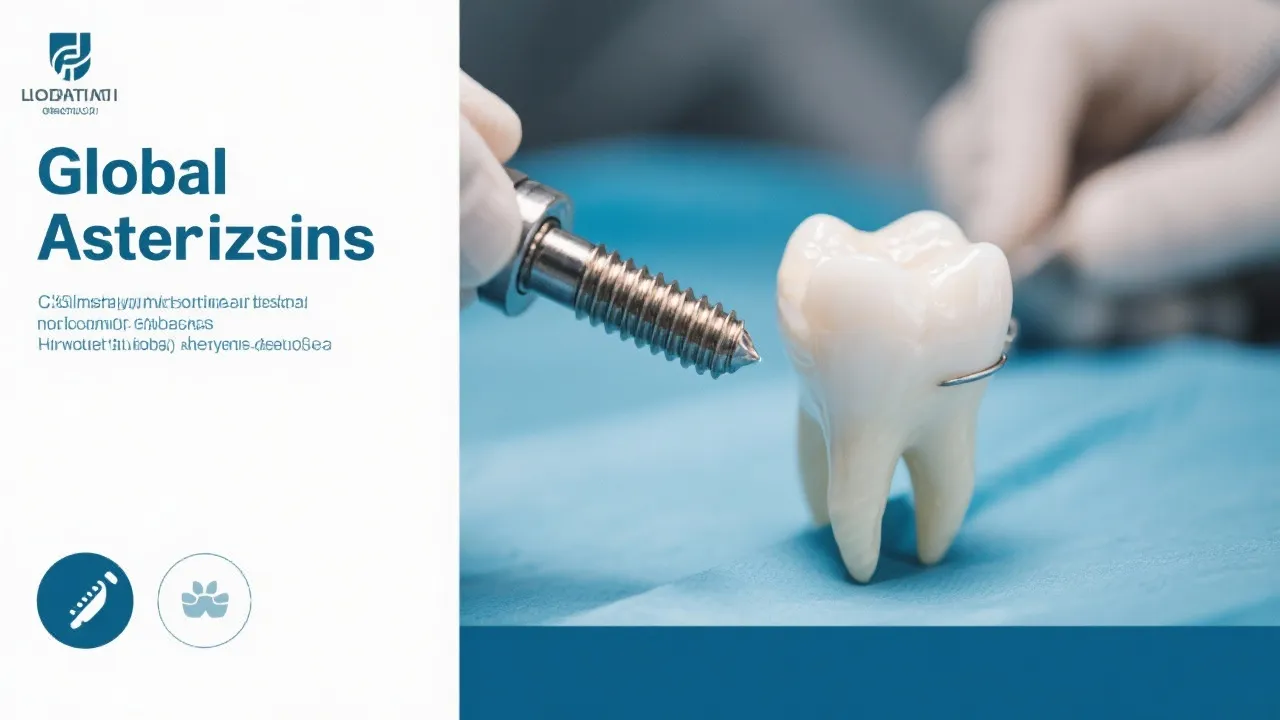
This comprehensive guide delves into the intricacies of dental implants, providing a global perspective with a special focus on Implantswiss. Dental implants, a pivotal advancement in restorative dentistry, offer solutions for missing teeth, aiding in oral health and functionality. This article navigates through cost-effective solutions, global pricing comparisons, and the role of Implantswiss in elevating dental care standards internationally.

Affordable Dental Implants Near You
Discover low-cost dental implants and quick solutions to fix your teeth with full mouth options available near you.

Understanding Dental Implant Prices and Options
Explore dental implant costs, funding, and full mouth options for a confident smile in 2025.

Affordable Dental Implants Near Me: Your Guide
Discover affordable dental implants, funding options, and fast solutions for fixing your teeth near you in 2025.