This article examines the essential connection between bone density and successful dental implants. Bone density is crucial for ensuring implant stability and longevity, as dental implants require sufficient bone mass for support. A comprehensive understanding of bone health can help patients make informed decisions about implant procedures, optimizing outcomes and minimizing risks.
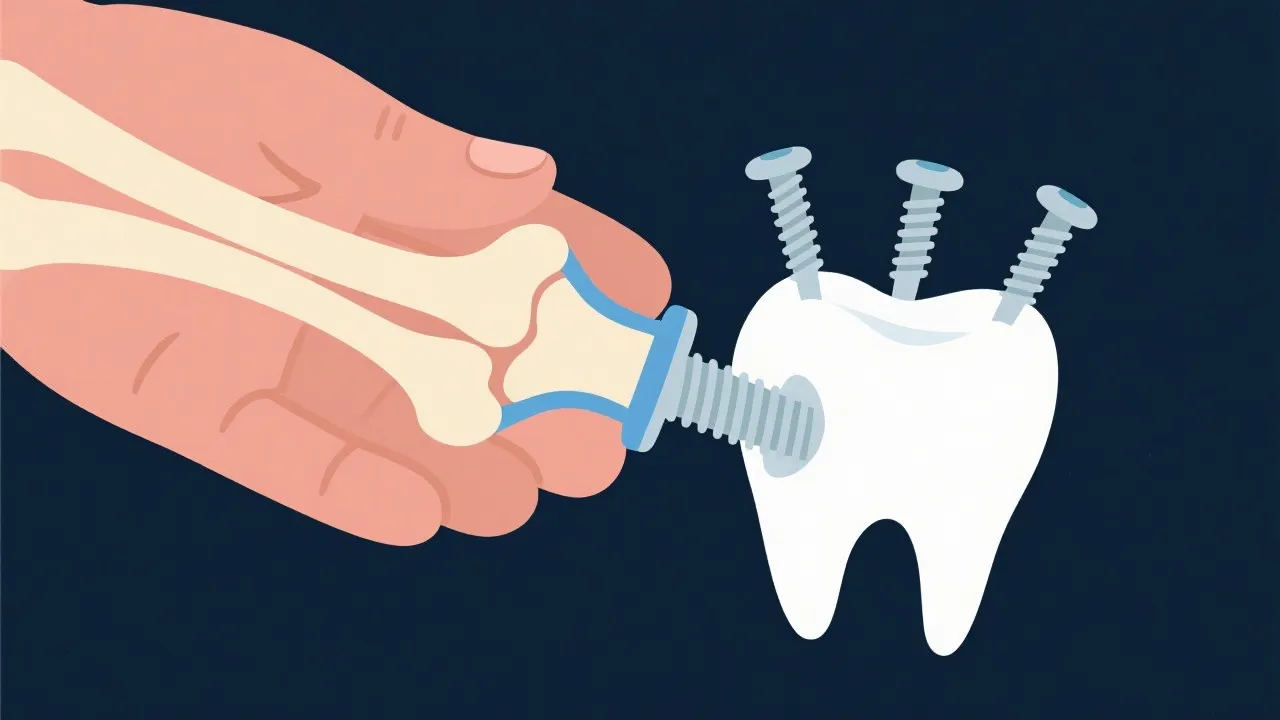
Bone density plays a pivotal role in the success of dental implants. Dental implants are artificial roots placed into the jawbone to support replacement teeth; therefore, the quality and quantity of bone available in the jaw are fundamental for the longevity and stability of these implants. This comprehensive analysis explores the critical aspects of bone density in dental implantology and offers insights from industry experts. It delves into the biological processes, diagnostic methods, potential complications, and treatment options, all of which provide a rounded perspective on the subject.
Bone density refers to the amount of mineral content—primarily calcium and phosphorus—within bones, determining their strength and rigidity. The composition and arrangement of these minerals contribute to the mechanical properties of the skeleton, making it robust enough to support daily activities. In dentistry, especially for dental implants, adequate bone density is necessary to ensure that the implant can anchor firmly and function effectively. When bone density is insufficient, the stability of an implant can be compromised, leading to potential failure.
Various tests are used to measure bone density, with Dual-Energy X-ray Absorptiometry (DEXA) scans being the most common. These scans provide precise measurements of bone mass at crucial sites, allowing dentists to make informed decisions regarding implant placement.
The jawbone serves as the foundational support for dental implants. After an implant is placed, the bone undergoes a process called osseointegration, where the bone cells grow around and integrate with the implant surface. This biological bonding is critical, as it ensures that the implant does not become loose or dislodged during normal functions such as chewing. An implant functions optimally when it is effectively integrated into the jawbone, which is directly linked to the density and health of the bone surrounding it.
Insufficient bone mass or density can impair this process, potentially leading to implant instability or failure. For instance, studies indicate that implants placed in areas of reduced bone density—often characterized as Type IV bone—have a higher failure rate, highlighting the importance of proper assessment and planning.
Before proceeding with a dental implant procedure, it is essential for dentists to assess the patient’s bone density. This often involves imaging techniques such as X-rays or CT scans that help determine the extent of bone available and its quality. A thorough evaluation will often utilize a combination of visual examination, palpation, and imaging to create a comprehensive understanding of the patient's oral health.
A computed tomography (CT) scan might provide a three-dimensional view that reveals not just whether there is enough bone but also the condition of the bone. The density and volume of the surrounding bone tissue are imperative to assess properly before any surgical intervention. A thorough evaluation ensures that any potential issues related to bone density can be addressed beforehand, such as through bone grafting if necessary. Additionally, specialized quantitative imaging software can further aid dentists in analyzing bone density and diagnosing any potential areas of concern.
Patients can enhance their bone health through lifestyle modifications such as quitting smoking, maintaining a balanced diet rich in calcium and vitamin D, and managing conditions like osteoporosis. Regular dental check-ups and cleanings are also crucial in preventing periodontal disease, which can affect bone health. Additionally, engaging in weight-bearing exercises can further stimulate the production of bone-forming cells within the body which can help maintain bone density.
In some cases, dentists may recommend specific supplements or medications designed to improve bone density. Bisphosphonates, for instance, are often prescribed for osteoporosis patients, as they work to slow down bone loss. However, their use must be carefully monitored, as they can have side effects and may lead to complications such as osteonecrosis of the jaw in some instances, particularly following dental procedures.
Furthermore, the implementation of regular imaging to monitor bone density can help medical professionals track the effects of these changes and adjust treatment plans accordingly. This proactive approach stimulates better outcomes in patients preparing for dental implants. Some innovative techniques, like the use of platelet-rich fibrin or advanced bone grafting materials, can also aid in enhancing the quality of the bone at the site of the implant.
| Provider | Offerings |
|---|---|
| Dental Views | Focuses on low-cost dental implants with comprehensive information on treatment types and costs. |
| Atlantic Dental Group | Offers a wide array of services, including affordable implant solutions tailored to meet diverse patient needs. |
| DentaVacation | Provides dental tourism options to save on implant costs abroad, supplying information on various clinics in countries where treatments are less expensive. |
| DentalWorks | Offers competitive pricing on dental implants and financing plans designed to fit patients' budgets. |
| EverSmile Dental | Specializes in low-cost dental solutions including implants and offers a loyalty program to further reduce costs. |
Source: [DentalViews](https://dentalviews.com), [AtlanticDentalGrp](https://www.atlanticdentalgrp.com), [DentaVacation](https://www.dentavacation.com), [DentalWorks](https://www.dentalworks.com), [EverSmile Dental](https://www.eversmiledental.com)
| Country | Currency | Price Range |
|---|---|---|
| United States (US) | USD | $3,000 - $6,000 |
| United Kingdom (GB) | GBP | £2,000 - £2,500 |
| Australia (AU) | AUD | AU$3,500 - AU$6,500 |
| Canada (CA) | CAD | CA$3,000 - CA$5,500 |
| New Zealand (NZ) | NZD | NZ$3,200 - NZ$5,000 |
Understanding the intricate relationship between bone density and dental implants is crucial for patients considering this restorative option. By ensuring sufficient bone health and proactively addressing any deficiencies, individuals can achieve successful outcomes, maximizing the longevity and effectiveness of dental implants. Extensive communication with healthcare providers regarding personal health history and lifestyle choices can pave the way for optimal care approaches in implantology.
Exploring various service options such as low-cost providers and considering dental tourism can significantly influence the affordability of dental implants. Patients should thoroughly research regional offerings and consider consultations at multiple clinics to find the clinical and financial match that best meets their needs. Detailed comparison of treatment types, potential hidden fees, recovery and follow-up care associated with each provider can prevent any unfinished transactions or outcomes.
Moreover, being aware of what is included in the quoted price—such as consultations, X-rays, anesthesia, and follow-up visits—can serve patients well in making informed choices. Patients should also inquire about any payment plans or financing options available, as both can help in managing costs effectively.
The above information comes from online resources, and the data is as of October 2023. Dental implant prices are for reference only and may vary by region, clinic, and doctor. Always consult with a healthcare professional for individualized advice and treatment options.
For further reading, explore these resources:
Striking the Perfect Balance: Navigating Premiums and Out-of-Pocket Expenses in Senior Insurance Plans

Explore the Tranquil Bliss of Idyllic Rural Retreats

How to Make Lasting Memories at Disneyland Attractions

Affordable Phones and Plans for Seniors

Affordable Full Mouth Dental Implants Near You

Unlock the Top Kept Secrets to Finding Your Ideal Dentist for Flawless Dental Implant Results!

Discovering Springdale Estates

The Guide to Car Trading

Affordable Cell Phones Without Plans

Affordable Full Mouth Dental Implants Near You
Discover options for affordable full mouth dental implants, including clinical trials and local dental services that offer cost-effective solutions.
Understanding Full Mouth Dental Implant Prices
Explore the costs and factors influencing full mouth dental implants for seniors and others.
Comprehensive Guide to Dental Implants
This comprehensive guide delves into the intricacies of dental implants, providing a global perspective with a special focus on Implantswiss. Dental implants, a pivotal advancement in restorative dentistry, offer solutions for missing teeth, aiding in oral health and functionality. This article navigates through cost-effective solutions, global pricing comparisons, and the role of Implantswiss in elevating dental care standards internationally.

Affordable Dental Implants Near You
Discover low-cost dental implants and quick solutions to fix your teeth with full mouth options available near you.
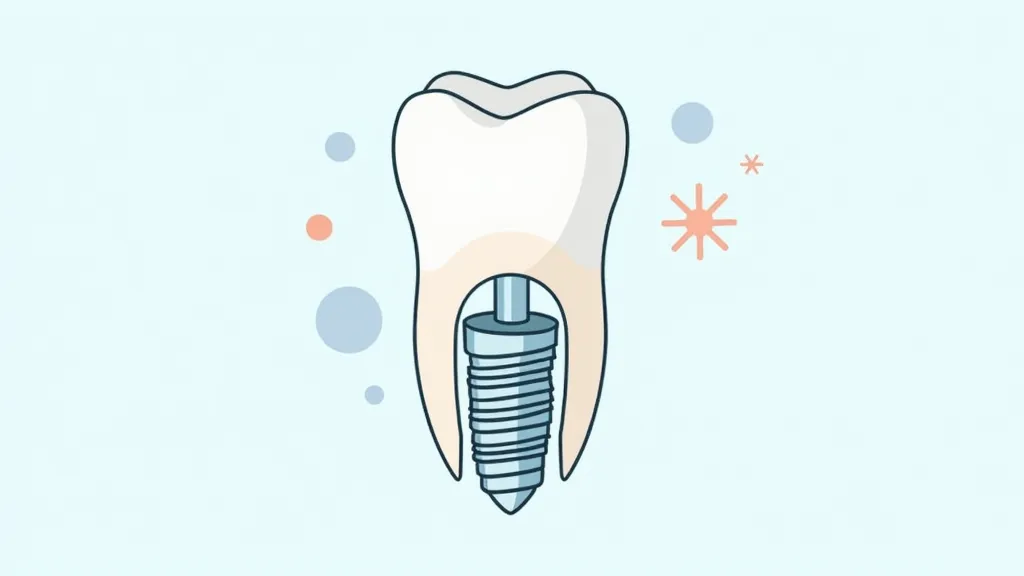
Understanding Dental Implant Prices and Options
Explore dental implant costs, funding, and full mouth options for a confident smile in 2025.
Affordable Dental Implants Near Me: Your Guide
Discover affordable dental implants, funding options, and fast solutions for fixing your teeth near you in 2025.
