This guide explores the complex relationship between osteopenia and dental implants. Osteopenia, characterized by lower bone density, poses challenges for individuals seeking dental implants. Dental professionals require careful evaluation of bone quality and density to ensure successful outcomes. We'll delve into treatment options, cost considerations, and expert insights on managing osteopenia in implant dentistry.
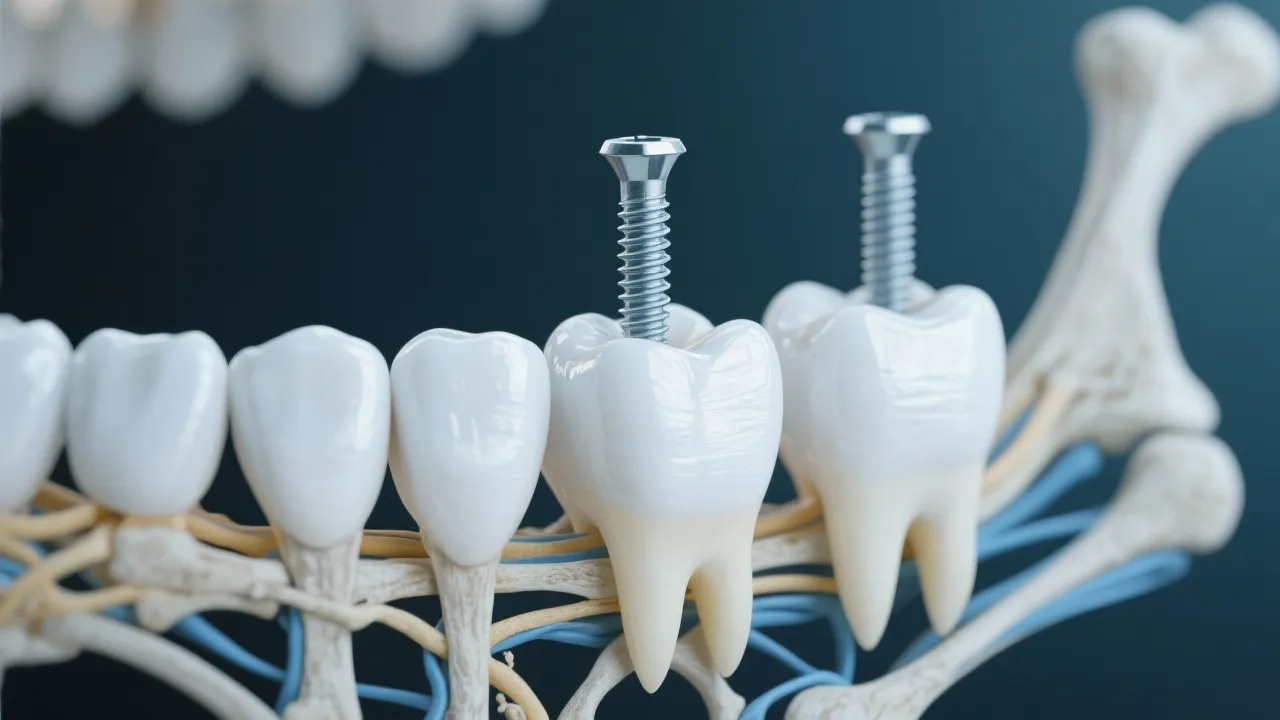
Osteopenia, a condition marked by lower-than-normal bone density, presents a significant consideration in the field of implant dentistry. As the precursor to osteoporosis, osteopenia can complicate the process of dental implantation by affecting bone support, essential for successful implant integration. This article will delve into the relationship between these two dental and medical concerns, exploring the necessary precautions and solutions to address them effectively.
Osteopenia is a health condition characterized by lower-than-average bone mineral density (BMD) when compared to normal parameters. It lies on the spectrum between healthy bone density and osteoporosis, which is a more serious condition leading to significant bone weakness and an increased risk of fractures. Osteopenia can occur for a variety of reasons, including aging, hormonal changes, nutritional deficiencies, and lifestyle factors. The condition is typically identified through diagnostic imaging, particularly dual-energy X-ray absorptiometry (DEXA) scans, which assess bone density levels in the spine, hip, and other skeletal sites.
One of the primary concerns associated with osteopenia is the increased fragility of bones, which can lead to fractures and other complications. This fragile state often raises red flags for patients who are considering dental implants, as adequate bone density is crucial for the successful placement and long-term stability of these prosthetics.
The success of dental implants largely depends on the quality and volume of bone present in the jaw. Implants require a robust and dense bone structure to integrate properly, a process known as osseointegration. Osseointegration is a complex biological process where the bone grows and attaches to the surface of the dental implant, creating a stable foundation that can withstand the forces of chewing and other functional demands. Osteopenia can compromise this process, making pre-treatment assessments crucial for patients exhibiting lower bone density.
Without sufficient bone density, the implant may not be adequately anchored, leading to potential complications such as implant migration, instability, or outright failure. Consequently, dental professionals must evaluate the patient's bone health meticulously, often using advanced imaging techniques such as cone-beam computed tomography (CBCT) to assess bone volume and quality before planning treatments.
Patients with osteopenia face particular challenges when considering dental implants. The reduced bone density may not provide adequate support for the implants, leading to potential instability, migration, or even failure of the dental prosthetic over time. Beyond the physical aspect of insufficient bone support, patients may confront psychological barriers, such as fear of pain, anxiety about procedures, and concern over the potential for complications.
It is crucial for dental professionals to identify the severity of bone loss and consider supplemental treatments that may assist in enhancing osseointegration. The challenges presented by osteopenia are not merely technical; they also involve communication, care planning, and patient education. Dental practitioners should engage patients in discussions about the implications of their conditions and the potential risks associated with implant procedures.
Fortunately, there are various measures that can be employed to optimize the success of dental implants in patients with osteopenia. An early and proactive approach can greatly improve outcomes. The following strategies can help manage osteopenia effectively:
Bone grafting is a common procedure undertaken to increase bone volume and density, thus providing a more suitable foundation for implants. This technique involves transplanting bone tissue from another location in the patient's body (autograft), using synthetic materials (allograft), or employing materials that stimulate the growth of new bone (bone substitutes). The chosen method depends on the extent of bone deficiency and the patient's overall health.
In addition to traditional bone grafts, advancements in biomaterials have led to the development of osteoconductive and osteoinductive materials. Osteoconductive materials provide a scaffold for new bone growth, while osteoinductive materials stimulate the differentiation of mesenchymal stem cells into bone-forming cells. These innovative options can enhance bone formation around implants and improve overall success rates.
Certain medications and supplements that promote bone health can also be recommended to enhance treatment outcomes. For instance, bisphosphonates and denosumab are common medications prescribed for individuals experiencing bone density loss, and they can help improve bone quality before and after implant placement. Additionally, calcium and vitamin D supplements are often recommended to support overall bone health.
Regular monitoring and follow-up care are vital components in ensuring the longevity of dental implants for patients with osteopenia. Routine imaging and clinical evaluations can help assess bone healing, detect any potential complications early, and allow for timely interventions if necessary.
Moreover, it is important for practitioners to educate their patients about lifestyle modifications that can support bone health, such as engaging in weight-bearing exercises, avoiding smoking, and adhering to a balanced diet rich in minerals and vitamins conducive to bone strength.
Undergoing dental implantation while managing osteopenia can impact the overall cost of treatment. Factors influencing these costs include the practice's location, the dental practitioner's expertise, the specific needs of the osteopenic patient, and the potential need for supplemental procedures like bone grafting or the use of advanced biomaterials. Below, we provide a table comparing general cost ranges for dental implants in various European-speaking countries, taking into account the additional treatments often necessary for osteopenic patients.
| Country | Currency | Price Range |
|---|---|---|
| United States (US) | USD | $3,000 - $6,000 |
| United Kingdom (GB) | GBP | £2,000 - £2,500 |
| Germany (DE) | EUR | €2,500 - €4,500 |
| France (FR) | EUR | €1,500 - €3,000 |
| Sweden (SE) | SEK | 20,000 - 35,000 |
When considering dental implants, it is crucial for patients to explore cost-effective options and financing plans. Many dental practices offer payment plans that can alleviate financial burdens, making treatments more accessible. Furthermore, patients should also consider seeking consultation from multiple providers to compare costs and treatment approaches effectively.
Managing osteopenia in the context of dental implants requires a comprehensive, multi-faceted approach. Patients and practitioners can explore various strategies such as:
Conducting thorough bone density assessments is the first step in planning for dental implants. Utilizing advanced imaging techniques like CBCT provides invaluable 3D representations of the bone structure, enabling practitioners to identify deficiencies and tailor treatment to individual needs.
Encouraging patients to focus on their dietary habits and lifestyle can have a significant impact on bone health. Incorporating a diet rich in calcium, magnesium, and vitamin D, supplemented by regular physical activity that promotes weight-bearing, can enhance bone strength. Collaboration with nutritionists or dietitians may be beneficial to reinforce these changes.
Emerging technologies in dentistry can also play a part in improving outcomes for patients with osteopenia. For instance, digital dental implants that are designed with advanced surface features may promote better osseointegration in osteopenic bone. Additionally, computer-guided implant placements can enhance precision and reduce the risk of complications.
Finally, fostering an interdisciplinary approach by involving both dental and medical professionals is crucial. This collaboration includes physicians, endocrinologists, and nutritionists, creating a comprehensive care plan to manage not only dental health but also the underlying conditions linked to osteopenia.
Navigating the intersection of osteopenia and dental implants requires careful planning and consideration. By understanding the challenges and employing suitable strategies, dental professionals can achieve successful outcomes for their patients. Remain informed about evolving techniques, treatment protocols, and evidence-based practices to effectively manage these complex cases. Patient education is paramount; offering comprehensive information about osteopenia and its implications on dental health empowers patients to make informed decisions regarding their care.
For those seeking affordable dental implants, platforms such as Dental Views, Atlantic Dental Group, and DentaVacation offer various cost-effective solutions. These services facilitate access to affordable care through localized clinics or dental tourism options. The following is a brief overview of these resources:
| Provider | Features |
|---|---|
| Dental Views | Provides affordable solutions, detailed implant information, and connects patients with local clinics. |
| Atlantic Dental Group | Offers comprehensive dental services, easy appointment booking, and financing options tailored to patients' needs. |
| DentaVacation | Focuses on dental tourism, allowing patients to access dental care in cost-effective markets worldwide. |
Source: [Dental Views](https://dentalviews.com/low-cost-dental-implants), [Atlantic Dental Group](https://www.atlanticdentalgrp.com/), [DentaVacation](https://www.dentavacation.com/)
1) The information provided is based on online resources as of October 2023. 2) Dental implant prices are for reference only and may vary by region, clinic, and doctor.
Striking the Perfect Balance: Navigating Premiums and Out-of-Pocket Expenses in Senior Insurance Plans

Explore the Tranquil Bliss of Idyllic Rural Retreats

How to Make Lasting Memories at Disneyland Attractions

Affordable Phones and Plans for Seniors

Affordable Full Mouth Dental Implants Near You
Unlock the Top Kept Secrets to Finding Your Ideal Dentist for Flawless Dental Implant Results!

Discovering Springdale Estates

The Guide to Car Trading

Affordable Cell Phones Without Plans

Affordable Full Mouth Dental Implants Near You
Discover options for affordable full mouth dental implants, including clinical trials and local dental services that offer cost-effective solutions.

Understanding Full Mouth Dental Implant Prices
Explore the costs and factors influencing full mouth dental implants for seniors and others.
Comprehensive Guide to Dental Implants
This comprehensive guide delves into the intricacies of dental implants, providing a global perspective with a special focus on Implantswiss. Dental implants, a pivotal advancement in restorative dentistry, offer solutions for missing teeth, aiding in oral health and functionality. This article navigates through cost-effective solutions, global pricing comparisons, and the role of Implantswiss in elevating dental care standards internationally.

Affordable Dental Implants Near You
Discover low-cost dental implants and quick solutions to fix your teeth with full mouth options available near you.

Understanding Dental Implant Prices and Options
Explore dental implant costs, funding, and full mouth options for a confident smile in 2025.

Affordable Dental Implants Near Me: Your Guide
Discover affordable dental implants, funding options, and fast solutions for fixing your teeth near you in 2025.