This comprehensive guide explores the intricate relationship between osteopenia and dental implants, examining the challenges and solutions specific to patients with decreased bone density. Osteopenia is a condition characterized by bones that are weaker than normal but not yet brittle enough to classify as osteoporosis. Dental implant procedures rely heavily on the health of jawbones, making osteopenia a significant factor to consider.
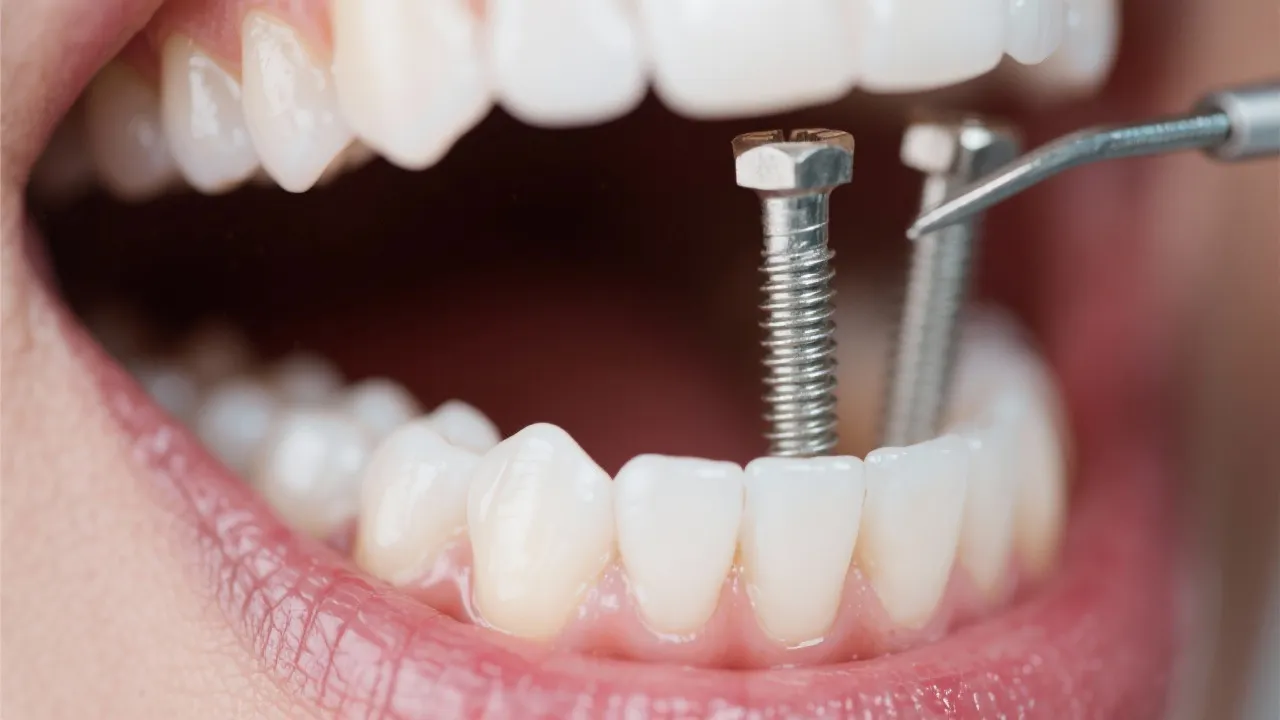
Osteopenia, a condition signifying below-normal bone density, emerges as a precursor to osteoporosis. While osteopenia doesn’t imply the severe brittleness of bones seen in osteoporosis, it can still present hurdles in dental procedures, especially dental implants. Dental implants require a solid bone foundation for integration and stability. In individuals with osteopenia, the reduced bone mass is a concern, thus requiring specialized approaches for successful implantation.
The prevalence of osteopenia has made it increasingly essential for dental professionals to understand its implications on dental treatments. Factors leading to osteopenia include aging, hormonal changes, long-term use of medications like corticosteroids, malabsorption syndromes, and lack of adequate nutritional intake, particularly calcium and vitamin D. The awareness of these contributing factors can aid in developing preventive measures and treatment plans for patients at risk.
Among the key challenges with osteopenia in dental implantology are inadequate bone density, risk of implant failure, and potential complications during the osseointegration process. Osteopenia can result in less bone available to anchor the implant, thereby increasing the risk of displacement or failure. Thorough evaluation and planning are crucial for mitigating these risks.
In addition to the risks of implant failure due to lower bone density, patients may experience longer healing times. The osseointegration process, which is the biological process where the implant fuses with the bone, may be compromised, leading to increased chances of complications. Understanding the physiological responses of bone healing becomes paramount for clinicians working with osteopenic patients.
Moreover, there may be psychological implications for individuals with osteopenia who are considering dental implants. The fear of additional health decline or the invasive nature of dental surgeries can cause anxiety in these patients, prompting the need for patient-centered care that addresses emotional and psychological barriers alongside physical health considerations.
Before considering implants, a comprehensive evaluation of bone density is essential. This may include dual-energy X-ray absorptiometry (DEXA) scans, cone beam computed tomography (CBCT), and analysis of patient history related to bone health. Such evaluations assist in determining the appropriate course of action based on the extent of bone density reduction.
Regular monitoring of bone health is vital for individuals at risk of osteopenia. Healthcare providers recommend periodic DEXA scans for early detection, especially for those with risk factors. Alongside DEXA, blood tests can help measure levels of important markers like calcium, vitamin D, and alkaline phosphatase, providing insight into the patient's overall bone metabolism. Understanding these elements helps in framing a comprehensive health management plan for patients before and after implant procedures.
Additionally, functional assessments related to bone quality can be beneficial in determining the mechanical properties of the bone. Tools such as quantitative computed tomography (QCT) allow for a more detailed visualization of bone structure, and understanding specific areas where bone density is compromised enables the clinician to create a more tailored surgical approach during the implant placement.
Dentists and oral surgeons can employ various techniques to enhance the success rate of dental implants in osteopenia patients. Bone grafting, for instance, is a standard procedure to augment bone mass, utilizing autografts, allografts, or synthetic materials. Moreover, utilizing shorter or wider implants can provide increased stability in cases where bone quality is compromised.
Bone grafting can be classified into several types based on the source of the graft material. Autografts, harvested from the patient’s body, offer superior compatibility since they contain living cells that promote healing. Allografts, sourced from other human donors, can also serve as viable options, particularly when multiple sites require augmentation. Synthetic options, such as ceramic or polymer-based grafts, present an alternative for patients unwilling to undergo additional surgeries or where donor site complications may arise.
Moreover, advancements in biomaterials and surface modifications of implants are paving the way for improved integration in compromised bone structures. Coatings such as hydroxyapatite enhance osseointegration by promoting better bone growth around the implant. Incorporating growth factors and stem cell therapies into the implant procedures constitutes another innovative approach. These biological enhancements aim to stimulate local bone formation and improve healing outcomes, thus addressing some concerns posed by osteopenia.
The financial aspect of dental implants remains a critical consideration. In English-speaking countries like the United States, the cost of dental implants ranges from $3,000 to $6,000 USD, while in the UK, prices range from £2,000 to £2,500 GBP. Costs vary significantly between regions and depend on case complexity, additional procedures required, and the specific materials used.
It's essential for patients to assess the total cost involved, which comprises the implant surgery, follow-up visits, and any ancillary procedures like bone grafting or sinus lifts. When finances are an obstacle, exploring various financial plans, payment options, and promotions offered by clinics can provide relief and make the process more accessible.
| Country | Currency | Price Range |
|---|---|---|
| United States (US) | USD | $3,000 - $6,000 |
| United Kingdom (GB) | GBP | £2,000 - £2,500 |
| Australia (AU) | AUD | AU$3,500 - AU$6,500 |
| Canada (CA) | CAD | CA$3,000 - CA$5,500 |
Sources: Dental Views, Atlantic Dental Group, DentaVacation
For patients in English-speaking countries, there are several avenues to explore for reduced cost dental implants. For instance, visiting dental schools where supervised students perform procedures can substantially lower prices, as can utilizing dental insurance plans that cover partial or full treatments. Additionally, dental tourism presents a viable option for those willing to travel abroad, as countries with lower living costs often offer cheaper dental services without compromising on quality.
Moreover, there are dental savings plans that can provide discounts on various procedures, including implants. These plans typically require an annual fee but can make dental care, including implants, more affordable over time. Furthermore, some nonprofit organizations may help patients in need by facilitating financing or providing access to subsidized dental care options.
Healthcare providers, such as the American Dental Health Plans (ADHP), offer tailored dental insurance schemes that could help defray implant costs. ADHP, for example, provides different coverage options assessing the comprehensive needs of osteopenia patients.
Healthcare resources extend beyond just insurance plans. Various support groups and online forums serve as platforms where patients can share experiences, seek advice, and gather information on affordable treatments. These platforms foster community engagement, empowering individuals with osteopenia to take proactive measures regarding their health decisions, including dental implant choices.
Furthermore, collaboration among healthcare professionals is essential. Dentists, general physicians, and specialists such as endocrinologists must communicate effectively to create integrated treatment plans that account for both dental and overall health. This interdisciplinary approach can enhance patient outcomes by providing cohesive care solutions.
Osteopenia is a decrease in bone density, less severe than osteoporosis. It influences dental implant procedures by necessitating additional bone assessment and augmentation measures to secure the implant effectively.
Yes, with appropriate preparatory measures like bone grafting and the use of specialized implant techniques, individuals with osteopenia can still benefit from dental implants.
Assessments such as DEXA scans and bone quality tests like CBCT provide insights into bone density levels, guiding treatment plans.
Yes, shorter or wider implants may be more suitable as they can achieve greater stability within inadequate bone density.
Incorporating weight-bearing exercises, ensuring a balanced diet rich in calcium and vitamin D, and avoiding smoking and excessive alcohol can positively impact bone health.
Osteopenia poses identifiable challenges to dental implantation, yet modern dentistry, through innovative techniques and careful planning, often overcomes these obstacles. Prospective patients should engage in thorough dialogues with their dental practitioners to explore the top strategies tailored to their bone health condition. With a careful and informed approach, dental implants can still offer a viable solution for those navigating the complexities of osteopenia.
As the field of dental medicine continues to evolve, ongoing research and advancements in technology promise to improve the management of dental implants in patients with compromised bone health. By leveraging these innovations and patient education, we can foster a more inclusive approach to dental care, ensuring all patients, regardless of their bone density status, have access to quality dental solutions.
Disclaimer: The above information comes from online resources, and the data is as of October 2023. Dental implant prices are for reference only and may vary by region, clinic, and doctor.
Reference Links:
Dental Views
Atlantic Dental Group
DentaVacation
Striking the Perfect Balance: Navigating Premiums and Out-of-Pocket Expenses in Senior Insurance Plans

Explore the Tranquil Bliss of Idyllic Rural Retreats

How to Make Lasting Memories at Disneyland Attractions

Affordable Phones and Plans for Seniors

Affordable Full Mouth Dental Implants Near You
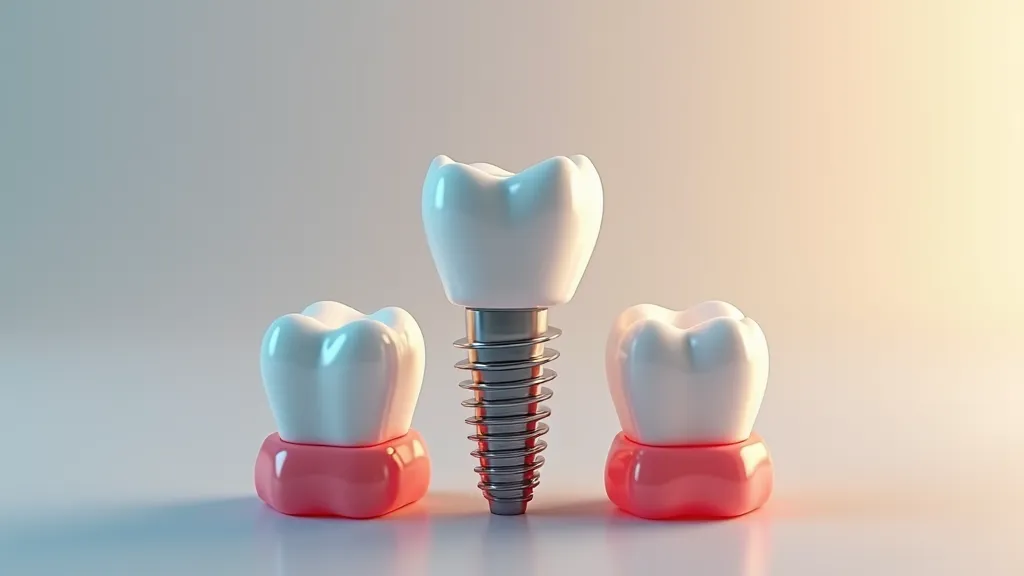
Unlock the Top Kept Secrets to Finding Your Ideal Dentist for Flawless Dental Implant Results!

Discovering Springdale Estates

The Guide to Car Trading

Affordable Cell Phones Without Plans

Affordable Full Mouth Dental Implants Near You
Discover options for affordable full mouth dental implants, including clinical trials and local dental services that offer cost-effective solutions.
Understanding Full Mouth Dental Implant Prices
Explore the costs and factors influencing full mouth dental implants for seniors and others.
Comprehensive Guide to Dental Implants
This comprehensive guide delves into the intricacies of dental implants, providing a global perspective with a special focus on Implantswiss. Dental implants, a pivotal advancement in restorative dentistry, offer solutions for missing teeth, aiding in oral health and functionality. This article navigates through cost-effective solutions, global pricing comparisons, and the role of Implantswiss in elevating dental care standards internationally.

Affordable Dental Implants Near You
Discover low-cost dental implants and quick solutions to fix your teeth with full mouth options available near you.

Understanding Dental Implant Prices and Options
Explore dental implant costs, funding, and full mouth options for a confident smile in 2025.

Affordable Dental Implants Near Me: Your Guide
Discover affordable dental implants, funding options, and fast solutions for fixing your teeth near you in 2025.