This guide explores how bone density impacts dental implants, offering insights into this critical aspect of dental health. Bone density plays a vital role in determining the success and durability of dental implants, a widely recognized solution for tooth loss. Patients must understand the significance of bone density when considering implants to ensure optimal outcomes and longevity.
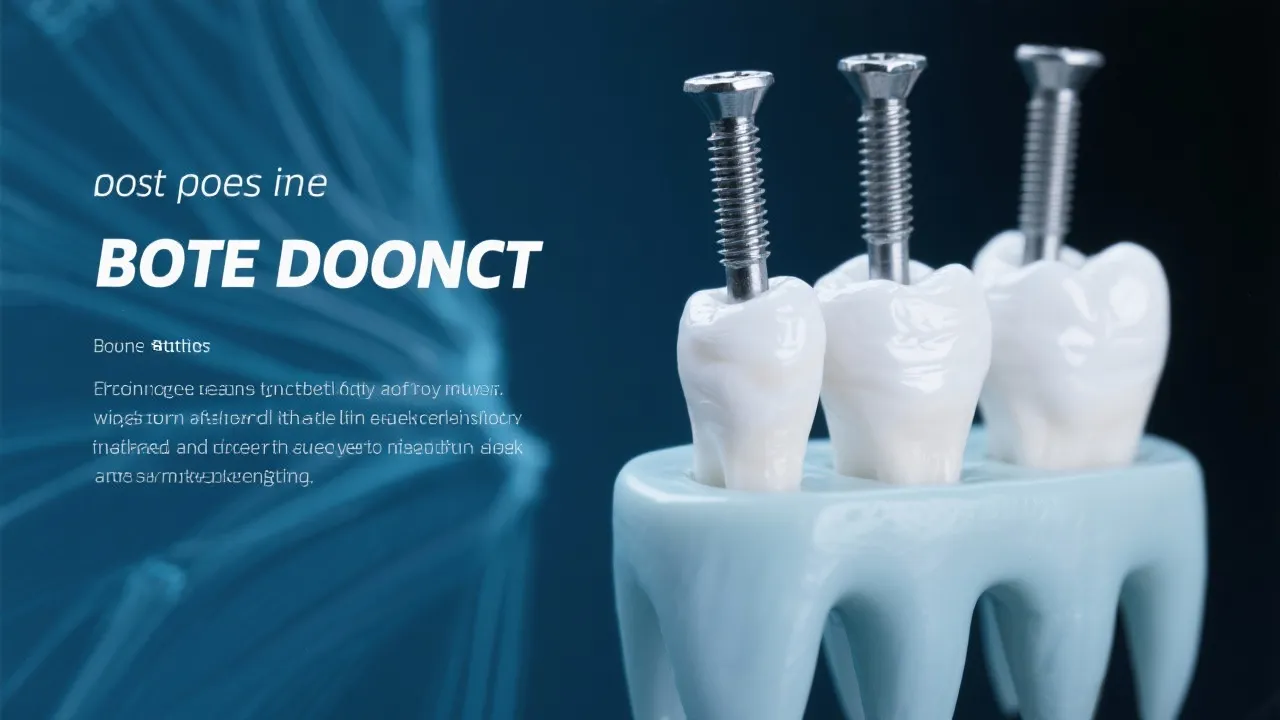
The success of dental implants largely hinges on the condition of the patient's jawbone, specifically its density. Bone density refers to the amount of bone material present in a specific volume and is a crucial factor determining the osseointegration process — the direct structural connection between the implant and bone. Adequate bone density ensures that implants function effectively, providing the necessary support and durability. The process of osseointegration is intricate, relying not just on the bone's density but also on its quality. Bone that is dense yet has poor vascularization may still lead to complications, emphasizing the importance of comprehensive assessments before the implant procedure.
Bone density is the foundation upon which a dental implant stands. Insufficient density may lead to implant failure due to poor integration and lack of structural support. This can cause the implant to become loose or even fall out entirely. Conversely, sufficient bone density facilitates robust osseointegration, reducing the risk of complications and promoting good success. Therefore, assessing bone density is a standard procedure before implant placement. In clinical practice, various classifications of bone quality (from dense types suitable for immediate loading to less dense types requiring additional interventions) help inform the treatment approach. Additionally, the location of dental implants within the jaw can significantly influence the expected outcomes, as different areas can exhibit varied bone density and quality.
Determining bone density typically involves imaging techniques like X-rays or CT scans. These imaging methods provide detailed information about the bone's condition, allowing dental surgeons to make informed decisions about implant placement. Typically, a cone-beam computed tomography (CBCT) scan is preferred for its ability to render 3D images of the jawbone, providing a clear perspective on bone thickness, width, and any anatomic variations. In cases of low bone density, supplementary procedures such as bone grafting may be recommended to enhance the bone's capacity to support implants. Bone grafts can come from the patient (autografts), a donor (allografts), or synthetic materials, and their type can significantly affect healing and implant success.
| Website | Focus |
|---|---|
| Dental Views | Offers low-cost dental implant solutions and provides detailed information on the benefits and types of dental treatments. |
| Atlantic Dental Group | A dental clinic offering a wide range of services including implants, with easy access to care information and appointment scheduling. |
| DentaVacation | A dental tourism website aiding patients in finding affordable treatment options abroad with cost comparisons and travel arrangements. |
source: [Dental Views](https://dentalviews.com/low-cost-dental-implants/), [Atlantic Dental Group](https://www.atlanticdentalgrp.com/), [DentaVacation](https://www.dentavacation.com/)
When seeking to minimize dental implant costs, consider exploring dental services in various regions. Research and compare prices across different clinics, and potentially investigate dental tourism, where certain countries offer competitive dental care pricing. Consulting online resources and price comparisons can provide significant savings without compromising quality. Dental tourism is increasingly popular, with many patients traveling to countries like Mexico, Costa Rica, and Hungary for affordable implant procedures, often with similarly qualified professionals and state-of-the-art facilities. However, patients must weigh potential savings against travel costs and ensures proper follow-up care once they return home.
| Country | Currency | Price Range |
|---|---|---|
| United States | USD | $3,000 - $6,000 |
| United Kingdom | GBP | £2,000 - £2,500 |
| Australia | AUD | AU$3,500 - AU$6,500 |
| Canada | CAD | CA$3,000 - CA$5,500 |
Note: Prices indicated are approximate and can vary based on region, clinic, and other factors. It's essential to inquire about all possible additional costs, such as consultations, imaging studies, and follow-up visits, as these can significantly inflate the overall expense of dental implant treatment.
The total cost of dental implants can be influenced by several key factors beyond the geographical location. The complexity of the patient's case, the type of implant material used, and the need for additional procedures can greatly contribute to the final pricing. For instance, titanium alloys are commonly used for their strength and bio-compatibility, but they tend to be at the higher end of the pricing spectrum. On the other hand, zirconia implants are gaining popularity due to their aesthetic benefits and biocompatibility but may come at a premium due to manufacturing costs. Furthermore, if bone augmentation or sinus lifts are required due to insufficient bone density, the additional costs associated with these procedures can be substantial and must be planned for alongside the implant surgery itself.
Although dental implants are a common and generally safe procedure, like all surgeries, they carry certain risks and potential complications. Possible issues include infection at the implant site, nerve damage, sinus issues, and implant failure. Infection, in particular, is a significant concern and often attributed to improper post-operative care or insufficient bone density leading to inadequate healing. Nerve damage is another critical risk, especially with implants placed in the lower jaw where nerves are located close to the bone. Understanding these risks enables patients to approach their dental care more prudently while emphasizing the importance of choosing an experienced dental professional for the procedure.
Understanding the intricacies of bone density and its impact on dental implants empowers patients to make informed decisions about their oral health. As dental technology continues to advance, accessible and affordable options become available, ensuring that a healthy, confident smile is within reach for many. Keeping abreast of the latest advancements and updates in dental implant procedures can provide patients with the confidence needed to choose the right solution for their needs.
Dental professionals evaluate each case individually, considering factors like bone density, oral health status, and patient needs when recommending implants. Patients should engage in discussions with their dental provider to understand personalized treatment plans. It's critical to address any concerns or interests patients may have regarding the specifics of their implants, including the choice of materials, expected recovery times, and follow-up care requirements. Communication fosters trust and can significantly improve the treatment experience.
Post-operative care is vital to ensure the long-term success of dental implants. Regular dental check-ups, as well as good oral hygiene practices (including brushing, flossing, and possibly using an antimicrobial mouthwash), are crucial. Furthermore, patients should avoid habits that can compromise implant integrity, such as smoking or grinding teeth. These practices can lead to complications, including peri-implantitis, an inflammatory condition affecting the gum and bone around the implant.
Another important element of care is lifestyle considerations. Diet plays a role in bone health, and patients are encouraged to maintain a balanced diet rich in calcium and vitamin D to support bone density. Engaging in regular physical activity promotes improved circulation and overall health, which can positively influence the healing process and the longevity of dental implants.
Furthermore, understanding the necessity for routine maintenance can prevent costly corrective procedures in the future. Many implants require periodic adjustments or replacements of associated components, like abutments or crowns, which can wear over time. Staying proactive can help sustain both the aesthetics and the function of dental implants.
Choosing dental implants is a significant decision that can lead to enhanced quality of life through improved oral function and aesthetics. By taking the time to understand the correlations between bone density and implant stability, patients can better navigate their options. Collaborating closely with dental professionals ensures that individuals will receive care tailored to their specific needs and circumstances.
Ultimately, advancements in dental technology, combined with careful consideration of personal health factors, contribute to the success of implant therapy. By fostering good communication and prioritizing oral care, patients can achieve beautiful and functional results that will last for years to come. Investing in oral health is not only about maintaining aesthetics; it is about safeguarding overall health and well-being for a brighter, more confident future.
Disclaimer: The above information is drawn from online resources as of October 2023. Dental implant prices are intended for reference only and can vary by region, clinic, and practitioner.
References:
Dental Views
Atlantic Dental Group
DentaVacation
Striking the Perfect Balance: Navigating Premiums and Out-of-Pocket Expenses in Senior Insurance Plans

Explore the Tranquil Bliss of Idyllic Rural Retreats

How to Make Lasting Memories at Disneyland Attractions

Affordable Phones and Plans for Seniors

Affordable Full Mouth Dental Implants Near You
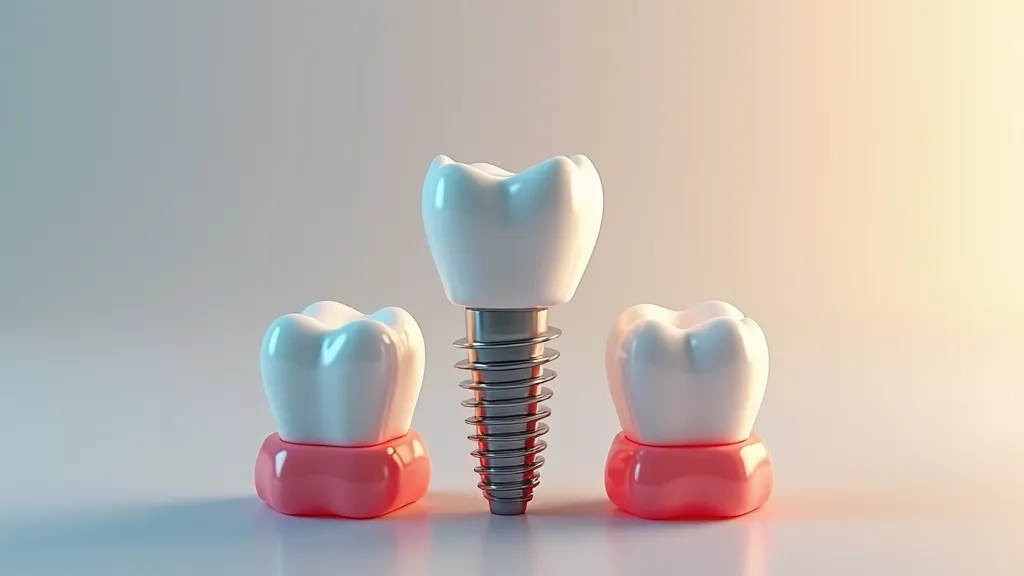
Unlock the Top Kept Secrets to Finding Your Ideal Dentist for Flawless Dental Implant Results!

Discovering Springdale Estates

The Guide to Car Trading

Affordable Cell Phones Without Plans

Affordable Full Mouth Dental Implants Near You
Discover options for affordable full mouth dental implants, including clinical trials and local dental services that offer cost-effective solutions.

Understanding Full Mouth Dental Implant Prices
Explore the costs and factors influencing full mouth dental implants for seniors and others.
Comprehensive Guide to Dental Implants
This comprehensive guide delves into the intricacies of dental implants, providing a global perspective with a special focus on Implantswiss. Dental implants, a pivotal advancement in restorative dentistry, offer solutions for missing teeth, aiding in oral health and functionality. This article navigates through cost-effective solutions, global pricing comparisons, and the role of Implantswiss in elevating dental care standards internationally.

Affordable Dental Implants Near You
Discover low-cost dental implants and quick solutions to fix your teeth with full mouth options available near you.

Understanding Dental Implant Prices and Options
Explore dental implant costs, funding, and full mouth options for a confident smile in 2025.

Affordable Dental Implants Near Me: Your Guide
Discover affordable dental implants, funding options, and fast solutions for fixing your teeth near you in 2025.
