This article discusses the critical relationship between bone density and dental implants, highlighting its importance for successful implantation. Dental implants are artificial tooth roots that integrate with the jawbone to support replacement teeth. Proper bone density is crucial for implantation success, influencing the stability and durability of dental prosthetics.
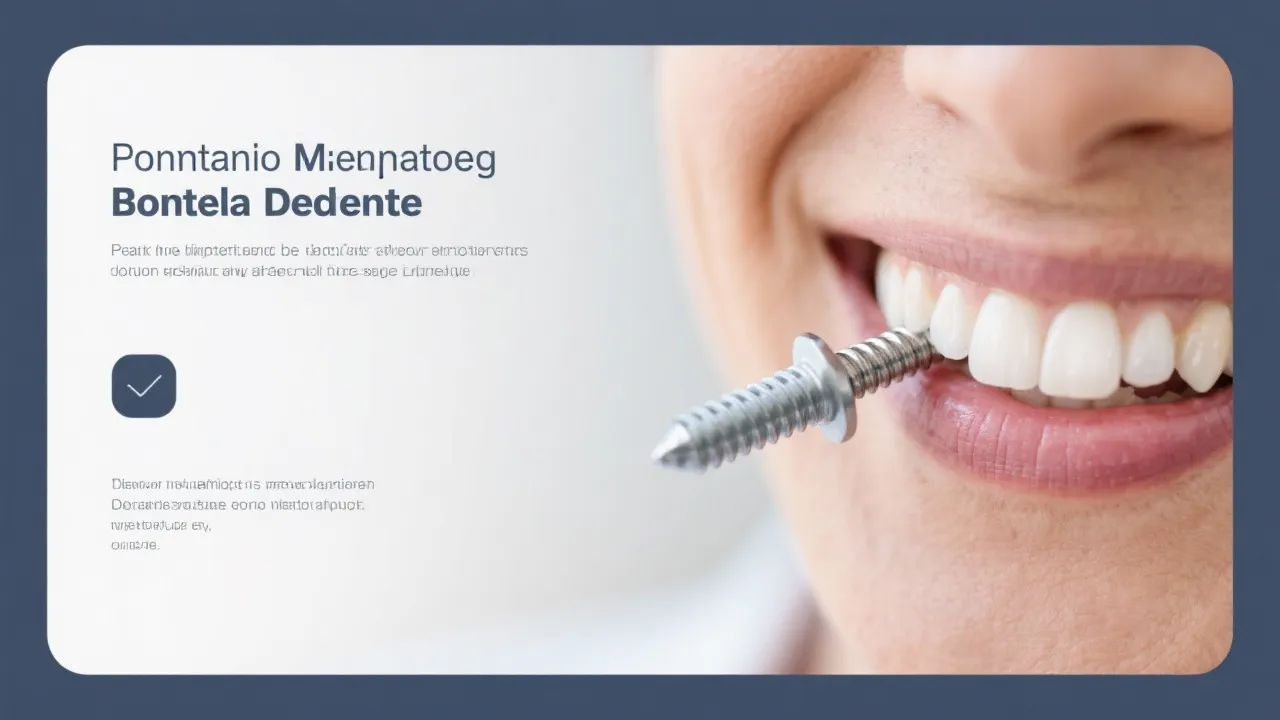
When considering dental implants, one of the very critical factors is the bone density of the jaw. Implants involve embedding artificial roots into the jawbone to serve as foundations for replacement teeth. Without sufficient bone density, the success of these artificial roots integrating with the jawbone can be compromised. Healthy bone material is essential to ensure implants remain stable and functional over time.
Bone density is not merely a measure of how dense the bones are; it is an indicator of bone strength and structure. Much like the foundation of a house, the quality of the bone provides the necessary support for an artificial tooth. Therefore, a comprehensive understanding of factors influencing bone density can not only enlighten potential candidates but also improve the chances of having successful dental implants.
Bone density refers to the amount of bone mineral in the bone tissue, often measured by its mineral content. In the context of dental implants, this density determines how well an implant will anchor itself to the bone. Insufficient bone density can lead to implant failure as the implant may lack the necessary support to withstand the pressures of chewing and speaking.
The measurement of bone density is commonly conducted through dual-energy X-ray absorptiometry (DEXA) scans, which provide precise insights into the condition of a patient’s bone health. The results from these scans can categorize bone density into several classifications: normal, low (osteopenia), and very low (osteoporosis), each with its implications in terms of dental implant viability.
Furthermore, understanding the biological composition of bone tissue can shed light on why certain individuals might experience more complications than others. Bone is a living tissue consisting primarily of collagen and calcium phosphate, and it undergoes a constant cycle of turnover, influenced by hormonal fluctuations and physical activity. As people age, this turnover process slows, potentially leading to bone loss and decreased density, making age a critical factor in assessing candidacy for dental implants.
Success rates for dental implants are closely tied to bone density. Bone that is too thin or soft may not properly support the implant, resulting in loosening or failure. This concern emphasizes the critical nature of bone density assessments before proceeding with the surgical placement of dental implants. Dentists often consider additional procedures in such cases, like bone grafting, which can help to increase bone mass and density and provide a firmer foundation for the implant.
Bone grafting involves transplanting bone tissue, either from the patient’s body or from a donor source, to the area needing strengthening. This procedure can be done simultaneously with the dental implant placement or as a separate preparatory step. In cases with significant bone loss, advanced grafting techniques, like sinus lifts or ridge augmentations, might be necessary to create adequate volume and density for successful implant placement.
Additionally, the use of modern techniques such as guided bone regeneration has improved outcomes significantly. This involves utilizing barrier membranes to direct the growth of bone cells into the graft site while excluding soft tissue from interfering with the healing process. The synergy of these methods plays a vital role in improving not just the density but also the overall quality of the bone in preparation for dental implants.
Before proceeding with dental implants, a thorough assessment of the patient's bone density is completed. This evaluation usually includes imaging tests such as X-rays or CT scans. These images allow dental professionals to gauge the quality and quantity of bone available, determining if a patient is a suitable candidate for implants or if additional preparatory procedures are necessary.
In cases where imaging indicates potential insufficiency in bone density, dental professionals may recommend various treatments tailored to restore bone health. This could range from hormone therapy for postmenopausal women to the prescription of medications that promote bone density, such as bisphosphonates. Other innovative interventions are continuously being researched to enhance patient outcomes.
The timing of these assessments is equally important. Ideally, the evaluation should occur after any dental disease processes have been treated but before any surgical interventions are planned. This chronological order helps ensure that the foundational health of the patient’s oral cavity is stable before undertaking more invasive procedures.
Several factors can affect jawbone density, including age, health conditions such as osteoporosis, and oral health habits. Lifestyle choices like smoking or poor nutrition also play significant roles in bone health. For individuals considering dental implants, mitigating these factors is crucial for optimizing bone density and, consequently, the success of the implants.
Moreover, long-term use of certain medications, particularly glucocorticoids used for managing autoimmune disorders and other health conditions, can lead to a decline in bone density. Awareness and management of these medications can be essential for patients when planning oral procedures that rely on sound bone structure.
Genetics also plays a role in determining one’s predisposition to conditions like osteoporosis, making family history an important part of the discussion with dental professionals. Furthermore, there are environmental factors; for example, a diet low in calcium and vitamin D can directly impair bone integrity. Ensuring adequate levels of these nutrients not only bolsters overall health but also creates a more conducive environment for implant success.
Another crucial aspect is the impact of physical activity levels. Regular weight-bearing exercises can stimulate bone growth and help maintain healthy bone density. Conversely, a sedentary lifestyle may contribute to accelerated bone loss, which could negatively impact dental implant success.
For individuals seeking dental implants, cost is a significant consideration, particularly in places like the United States, where dental care can be expensive. Exploring low-cost options without compromising on quality is essential for many patients. Here, numerous facilities and services offer viable alternatives, allowing more patients to access necessary dental care.
It is also advisable for individuals to explore grants or financing options that many dental organizations or clinics may offer. Some facilities provide sliding scale fees based on income, making dental services more accessible to individuals or families facing financial constraints.
| Website | USP |
|---|---|
| Dental Views | Low-cost dental implant solutions aimed at affordability without sacrificing quality. |
| Atlantic Dental Group | A wide range of dental services with a focus on accessibility and ease of scheduling appointments. |
| DentaVacation | Promotes dental tourism, offering affordable treatments abroad. |
source: [Dental Views](https://dentalviews.com/low-cost-dental-implants/), [Atlantic Dental Group](https://www.atlanticdentalgrp.com/), [DentaVacation](https://www.dentavacation.com/)
Securing affordable dental implants involves a few strategies, particularly in English-speaking regions:
Additionally, contacting non-profit organizations that work in the realm of dental health can provide insights into funding opportunities for those who may not have the means for full treatment costs.
| Country | Currency | Cost Range |
|---|---|---|
| United States | USD | $3,000 - $6,000 |
| United Kingdom | GBP | £2,000 - £2,500 |
| Australia | AUD | AU$3,500 - AU$6,500 |
| Canada | CAD | CA$3,000 - CA$5,500 |
These figures represent general estimates. Actual costs can depend on various factors including the specific dental professional, location, complexity of the case, and any necessary preparatory work like bone grafting. For example, patients located in major urban centers may face higher price points due to increased overhead costs for dental practices compared to those in rural areas.
If there is insufficient bone, bone grafting is an option to enhance bone height or thickness. This process involves taking bone from another part of the body or using a synthetic material to create a sturdy foundation for the implants. Discussing these options with a dental specialist is crucial to determine the best course of action for each individual.
Yes, risks include infection, damage to surrounding teeth, nerve damage, and sinus problems, especially related to upper jaw implants. The effects of these complications can be serious; however, these risks are generally manageable with professional care and follow-up. Ensuring thorough pre-surgical assessments and adhering to post-operative care guidelines significantly reduce these risks.
This varies by case but generally involves multiple stages over several months, including preliminary examinations, the actual implant procedure, healing time, and the final attachment of the prosthetic tooth. Following the initial implant placement, osseointegration—the process of the bone growing around the implant—can take anywhere from three to six months, depending on individual bone healing rates.
Bone density plays a pivotal role in determining the success of dental implants. While modern dentistry offers solutions to enhance bone quality, understanding and addressing the factors affecting bone density beforehand can significantly improve implant outcomes. For those seeking cost-effective solutions, investigating options in economically favorable regions or employing cost-reducing strategies is advisable.
Ultimately, the investment in dental implants should be viewed not just as a financial commitment, but as an essential step toward long-term oral health and quality of life enhancement. It is essential to engage in comprehensive discussions with dental care providers to formulate an actionable plan tailored to an individual's needs, ensuring that all aspects from bone density to budget considerations are thoughtfully considered.
Disclaimer: The above information comes from online resources, and the data is as of October 2023. Dental implant prices are for reference only and may vary by region, clinic, and doctor.
source: [Rockville Dental Arts](https://rockvilledentalarts.com/es/), [Union City Mini Dental Implants](https://unioncityminidentalimplants.com/es/), [Cigna](https://www.cigna.com/es-us/knowledge-center/guide-to-dental-implants)
Striking the Perfect Balance: Navigating Premiums and Out-of-Pocket Expenses in Senior Insurance Plans

Explore the Tranquil Bliss of Idyllic Rural Retreats

How to Make Lasting Memories at Disneyland Attractions

Affordable Phones and Plans for Seniors

Affordable Full Mouth Dental Implants Near You

Unlock the Top Kept Secrets to Finding Your Ideal Dentist for Flawless Dental Implant Results!

Discovering Springdale Estates

The Guide to Car Trading

Affordable Cell Phones Without Plans

Affordable Full Mouth Dental Implants Near You
Discover options for affordable full mouth dental implants, including clinical trials and local dental services that offer cost-effective solutions.
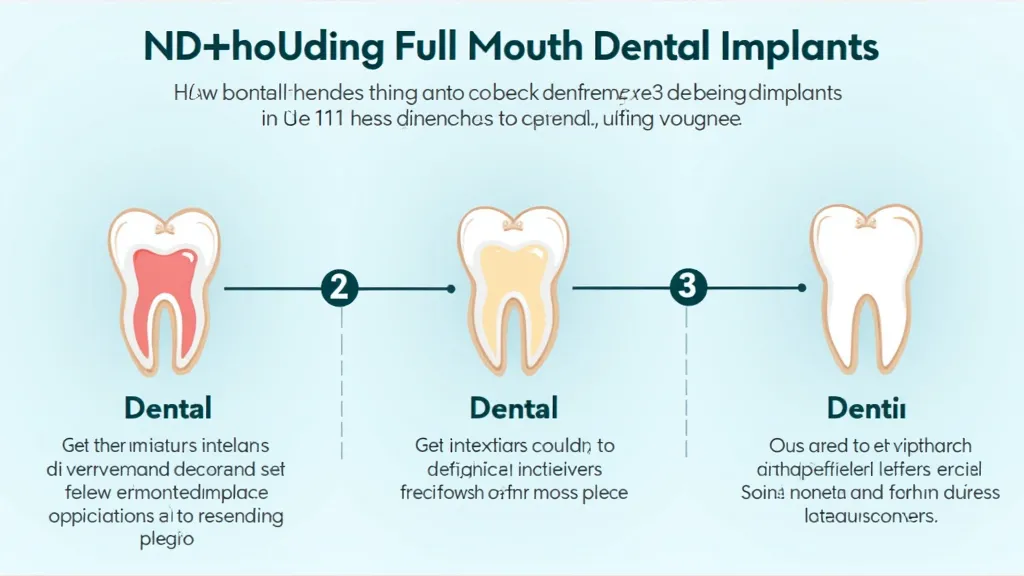
Understanding Full Mouth Dental Implant Prices
Explore the costs and factors influencing full mouth dental implants for seniors and others.
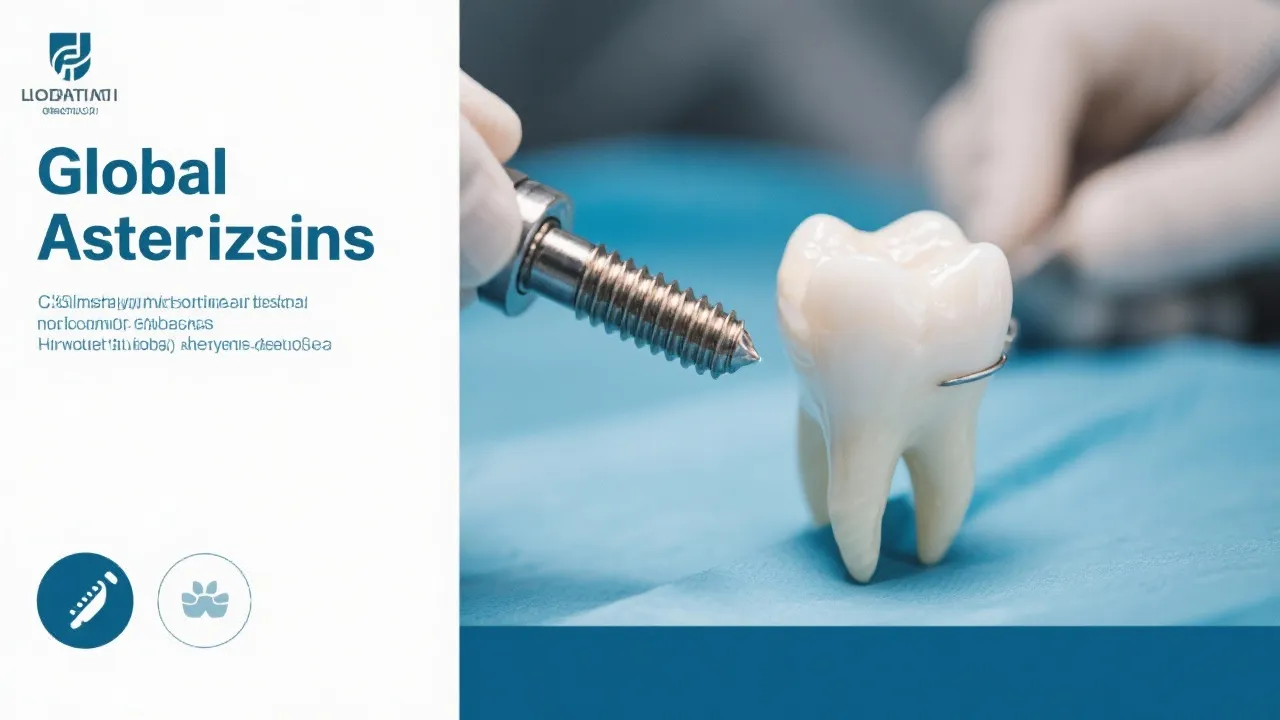
Comprehensive Guide to Dental Implants
This comprehensive guide delves into the intricacies of dental implants, providing a global perspective with a special focus on Implantswiss. Dental implants, a pivotal advancement in restorative dentistry, offer solutions for missing teeth, aiding in oral health and functionality. This article navigates through cost-effective solutions, global pricing comparisons, and the role of Implantswiss in elevating dental care standards internationally.

Affordable Dental Implants Near You
Discover low-cost dental implants and quick solutions to fix your teeth with full mouth options available near you.
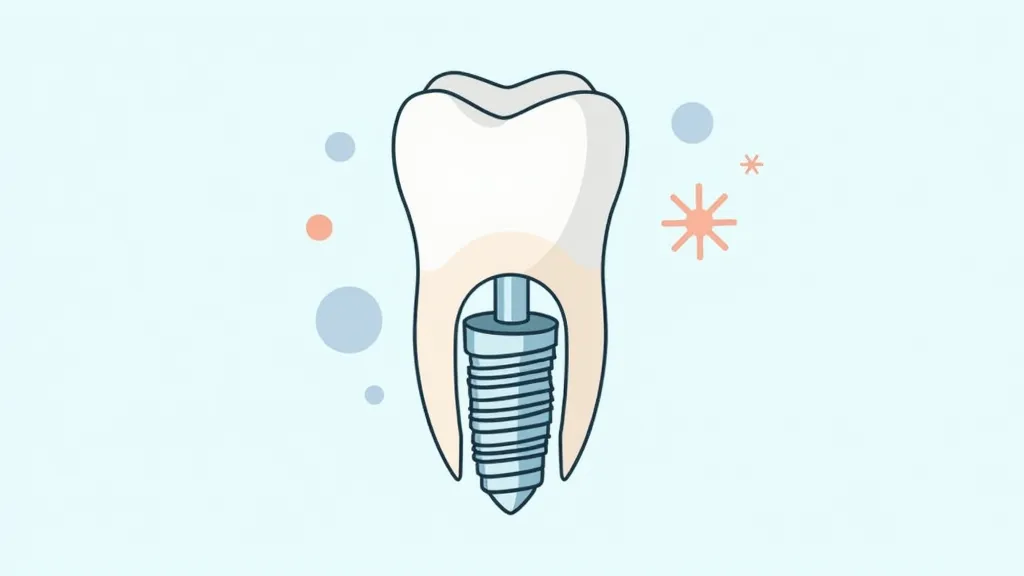
Understanding Dental Implant Prices and Options
Explore dental implant costs, funding, and full mouth options for a confident smile in 2025.
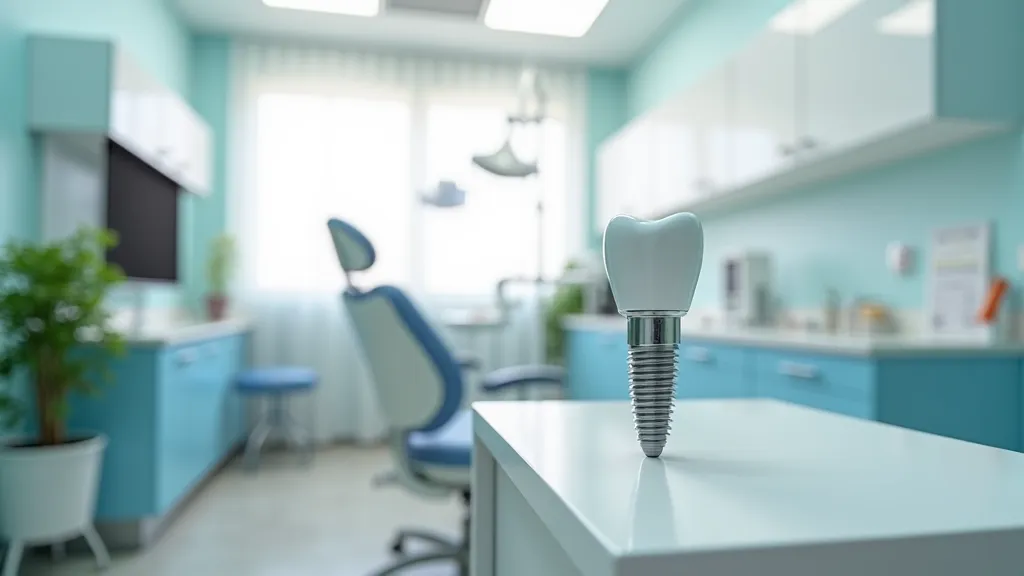
Affordable Dental Implants Near Me: Your Guide
Discover affordable dental implants, funding options, and fast solutions for fixing your teeth near you in 2025.
