This article explores the relationship between osteopenia and dental implants. Osteopenia, a condition marked by lower bone density, can impact the success of dental implants due to the critical role bone plays in anchoring the implants. By integrating information from various online resources, the article provides expert insights into how individuals with osteopenia can approach dental implants to ensure optimal outcomes.
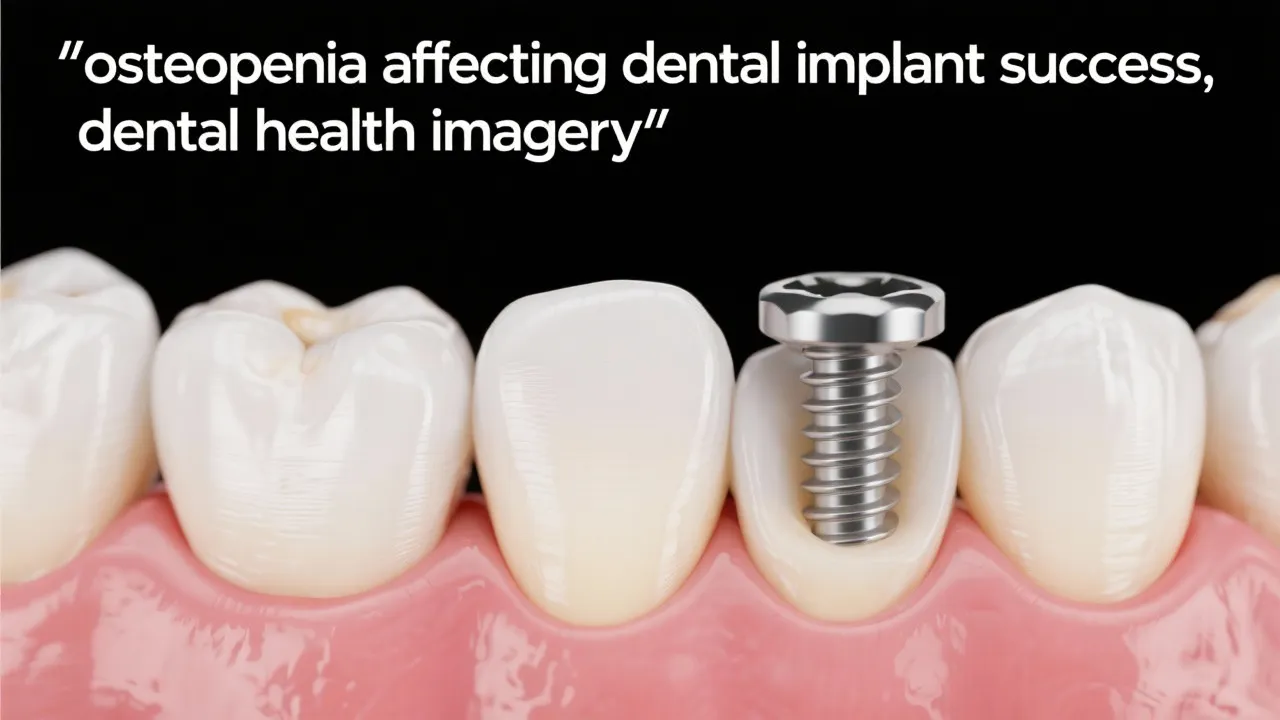
Osteopenia, characterized by reduced bone density, poses unique challenges in the realm of dental implantology. With its intermediary status between normal bone density and osteoporosis, osteopenia can complicate the process of osseointegration—the biological fusion of implants with the jawbone. The stability and longevity of a dental implant heavily depend on sufficient bone mass, making bone health a critical factor in assessing implant viability. This article delves into the considerations, treatments, and solutions for those with osteopenia seeking dental implants, providing an expert overview of current practices and advancements. Understanding the implications of osteopenia, from diagnosis to post-implant care, enables patients and practitioners alike to navigate the complexities of successful dental implant placement.
The success of dental implants depends largely on the health of the jawbone, as implants require a sturdy foundation for durability and functionality. Dental implants are embedded into the jawbone, and for osseointegration to occur properly, adequate bone density is essential. Patients with osteopenia might face challenges such as inadequate bone mass, which could potentially lead to implant failure. Hence, evaluating bone health before proceeding with implants is crucial. Insufficient bone density not only increases the risks associated with implant placement, including delayed healing, complications, and treatment failures, but it also affects the long-term success of the implant. Statistically, implants placed in patients with well-preserved bone have a success rate exceeding 95%, while those with compromised bone density, such as in osteopenia or osteoporosis, may experience reduced rates of success, necessitating a more cautious approach.
Patients with osteopenia should undergo a thorough pre-surgical assessment to determine bone density levels. This typically involves bone density scans such as DEXA (Dual-Energy X-ray Absorptiometry) scans, which provide insights into bone health and direct the course of treatment. A customized treatment plan should address any bone deficiencies before implant procedures. Beyond DEXA scans, dental imaging such as panoramic radiographs or cone-beam computed tomography (CBCT) can be utilized to assess the quality and quantity of bone in the implant site. These imaging techniques allow for a comprehensive evaluation of bone structure, revealing possible anatomical variations that might impact implant placement and success. Understanding these factors is critical for formulating a tailored approach that optimally addresses an individual’s unique anatomical considerations.
For those with osteopenia, various strategies can enhance the probability of successful implantation. Bone augmentation procedures such as bone grafting or guided bone regeneration have shown efficacy in increasing bone volume. These techniques can involve autogenous bone grafts (bone taken from the patient's own body), allografts (donor bone), or synthetics, each with its advantages and drawbacks. Additionally, the use of bioactive materials and implants with enhanced surface properties can promote better osseointegration. Advances in implant technology, such as surface coatings that mimic natural bone, can also foster integration and improve outcomes among osteopenic patients. Moreover, the temporization of implants may play a role; delayed loading—where the implant is allowed to heal and integrate before placing a crown—can also increase the chance of success for patients with reduced bone density.
Dental implants can be a significant investment, especially when additional procedures like bone grafting are necessary. However, numerous resources can assist with cost management through dental insurance, affordable care providers, or considering dental tourism. Patients can explore options depending on their location and budget constraints. Understanding the scope of potential costs is invaluable; aside from the price of the implant itself, patients may need to factor in expenses from consultations, diagnostic imaging, grafting procedures, anesthesia, and follow-up appointments, all of which can accumulate quickly. Hence, dialoguing with dental professionals regarding cost estimates and payment plans should be a priority for prospective patients.
Understanding the financial landscape of dental implants can help in making informed decisions. Below is a summary of the cost ranges for dental implants across English-speaking countries:
| United States (US) | $3,000 - $6,000 USD |
| United Kingdom (GB) | £2,000 - £2,500 GBP |
| Australia (AU) | AU$3,500 - AU$6,500 AUD |
| Canada (CA) | CA$3,000 - CA$5,500 CAD |
These costs may vary widely based on factors such as the particular dental clinic, the complexity of the case, and the necessity for adjunct procedures like bone augmentation or sinus lifts. Additionally, some dental practices may offer comprehensive packages that bundle various services, whereby the overall investment might yield benefits for the patient.
Here is a comparison table highlighting websites dedicated to affordable dental implant options:
| Website | Primary Feature |
|---|---|
| Dental Views | Low-cost dental implant solutions |
| Atlantic Dental Group | Comprehensive dental services including financing options |
| DentaVacation | Dental tourism for cost savings in other countries |
Source: [Dental Views](https://dentalviews.com/low-cost-dental-implants/), [Atlantic Dental Group](https://www.atlanticdentalgrp.com/), [DentaVacation](https://www.dentavacation.com/)
Engaging with these resources can provide patients with viable routes to pursue implants without excessive financial strain. Furthermore, understanding the potential for dental schools and clinics to offer lower costs or flexible payment arrangements can further ease the burden, especially for those who may not have dental insurance or sufficient coverage.
1. Initial Consultation: Visit a qualified dental specialist to discuss your condition and the feasibility of implants with osteopenia. This initial visit should allow for a comprehensive examination and discussions regarding any previous dental work and medical history.
2. Bone Density Test: Conduct mandatory DEXA scans to evaluate bone quality. The information gathered from this test will inform subsequent steps, adaptations in treatment plans, and necessary precautions.
3. Treatment Plan: Develop a personalized plan addressing any need for bone augmentation or alternative implant techniques. This plan would ideally involve a collaboration between specialists, including periodontists, oral surgeons, and general dentists, to ensure comprehensive care.
4. Research Financial Assistance: Explore insurance options, dental schools offering discounted services, and consider medical tourism for affordable alternatives. Understanding coverage limits, identifying potential payment plans, and clarifying out-of-pocket expenses are essential aspects during this phase.
Patients with osteopenia aiming for dental implants should work closely with healthcare providers to ensure optimal care and outcomes. Evaluating bone health, considering surgical alternatives, and understanding cost implications will foster informed decisions in pursuit of improved dental health. Consistent follow-up appointments, adhering to post-operative care, and maintaining open communication with the dental team are vital for anticipating treatment responses and addressing potential issues proactively. Collaborative approaches among healthcare practitioners, combined with patient education on lifestyle factors that promote bone health, will help optimize the dental implant experience for individuals living with osteopenia.
The above information draws on online resources, accurate as of October 2023. Dental implant prices serve as a reference and may differ by location, clinic, and practitioner. It is important for prospective patients to discuss all aspects of their treatment thoroughly with their dental care providers and to obtain multiple opinions if necessary.
Reference links:
Striking the Perfect Balance: Navigating Premiums and Out-of-Pocket Expenses in Senior Insurance Plans

Explore the Tranquil Bliss of Idyllic Rural Retreats

How to Make Lasting Memories at Disneyland Attractions

Affordable Phones and Plans for Seniors

Affordable Full Mouth Dental Implants Near You
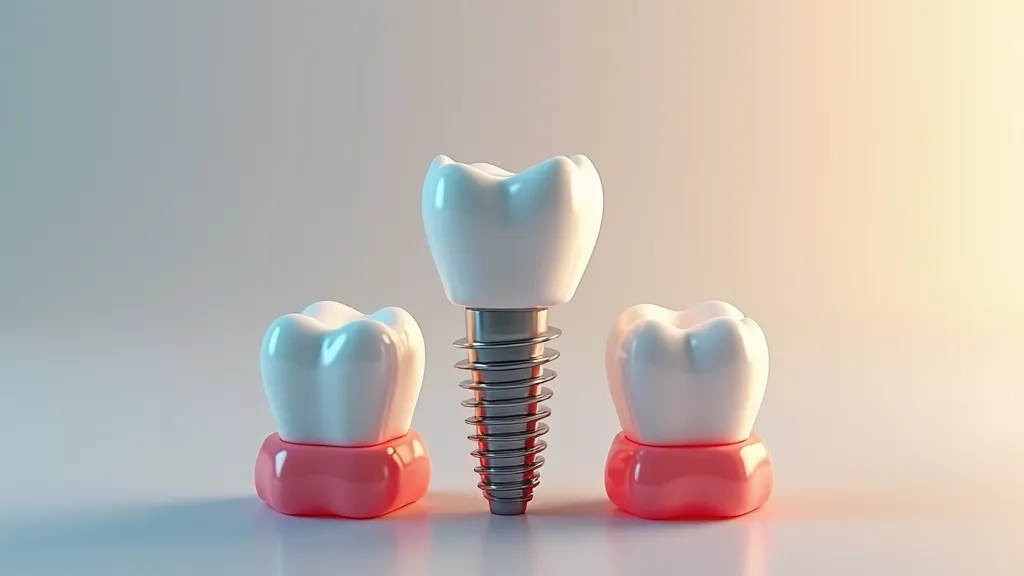
Unlock the Top Kept Secrets to Finding Your Ideal Dentist for Flawless Dental Implant Results!

Discovering Springdale Estates

The Guide to Car Trading

Affordable Cell Phones Without Plans

Affordable Full Mouth Dental Implants Near You
Discover options for affordable full mouth dental implants, including clinical trials and local dental services that offer cost-effective solutions.

Understanding Full Mouth Dental Implant Prices
Explore the costs and factors influencing full mouth dental implants for seniors and others.
Comprehensive Guide to Dental Implants
This comprehensive guide delves into the intricacies of dental implants, providing a global perspective with a special focus on Implantswiss. Dental implants, a pivotal advancement in restorative dentistry, offer solutions for missing teeth, aiding in oral health and functionality. This article navigates through cost-effective solutions, global pricing comparisons, and the role of Implantswiss in elevating dental care standards internationally.

Affordable Dental Implants Near You
Discover low-cost dental implants and quick solutions to fix your teeth with full mouth options available near you.

Understanding Dental Implant Prices and Options
Explore dental implant costs, funding, and full mouth options for a confident smile in 2025.

Affordable Dental Implants Near Me: Your Guide
Discover affordable dental implants, funding options, and fast solutions for fixing your teeth near you in 2025.
