This guide explores the intersection of osteopenia and dental implants, providing insights into the implications of reduced bone density on dental procedures. Osteopenia, a condition characterized by bone mineral density lower than normal, can complicate the process of dental implantation due to potential challenges in osseointegration, necessitating careful planning and specialized strategies for successful outcomes.
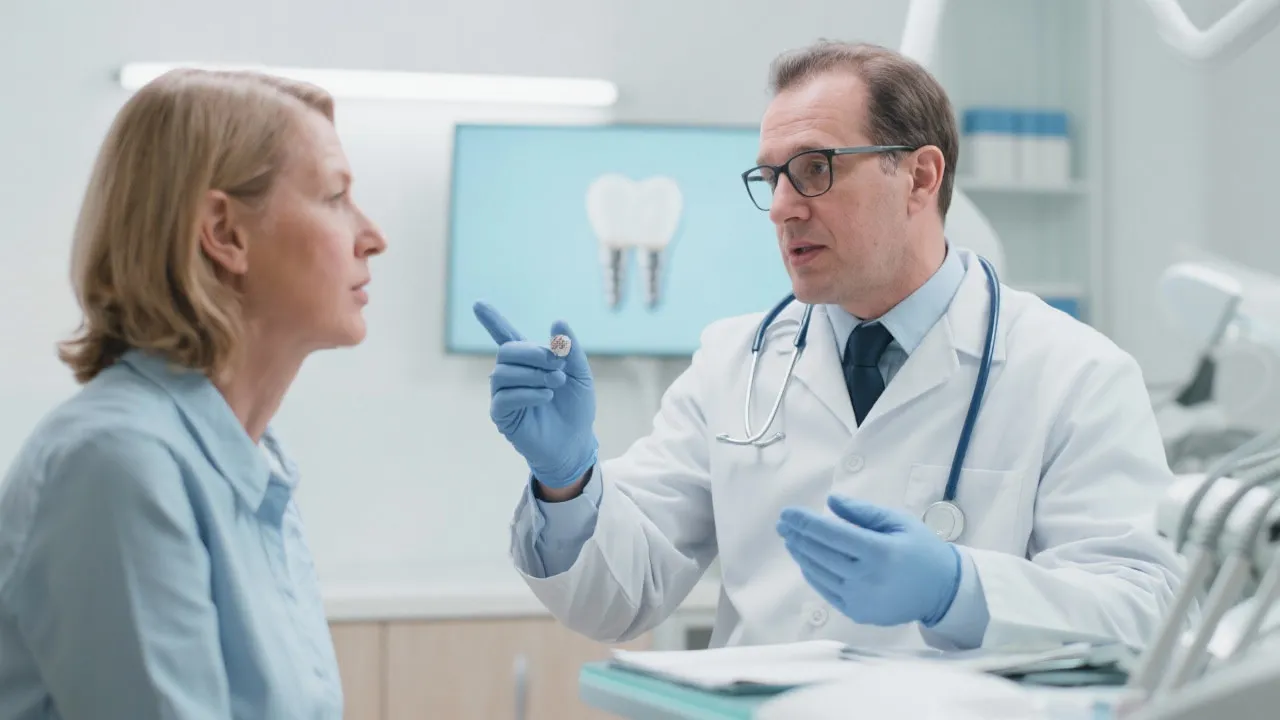
Osteopenia refers to a condition where bone mineral density is lower than normal, increasing the potential for fractures when left unaddressed. This state of decreased bone density poses significant challenges to dental implantation, a procedure that relies heavily on the successful integration of implants with bone. In osteopenic patients, the bone's capability to support and stabilize dental implants may be compromised, requiring tailored strategies in implant dentistry.
Osteopenia is often considered a precursor to osteoporosis, where bone loss becomes more severe. Individuals diagnosed with osteopenia typically have a bone mineral density (BMD) that is more than one standard deviation below the average peak bone mass. This condition can arise due to various reasons, including hormonal changes, certain medical conditions, sedentary lifestyles, and inadequate intake of calcium and vitamin D. Understanding the underlying causes of osteopenia is essential for developing an effective treatment plan for those seeking dental implants.
The success of dental implants largely hinges on a process known as osseointegration, wherein the implant must bond with the jawbone. For individuals with osteopenia, diminished bone density can impede this process, escalating the risk of implant failure. Dental professionals need to thoroughly evaluate bone health and leverage advanced techniques and materials suitable for those with compromised bone integrity.
Moreover, the anatomical structure of the jawbone can also play a pivotal role in the outcomes of dental implant procedures. In osteopenic patients, the reduced quantity and quality of bone can lead to instability for the implants, which may result in complications such as mobility of the implant or, worse, complete failure. Therefore, a tailored approach is not only beneficial but essential for ensuring the success rate of dental implants in these patients. Factors such as the location of the implant site, the type of implant used, and the surgical approach chosen must be adapted to meet the unique challenges presented by the patient's bone density.
In addition, research shows that osteoporosis and osteopenia can also affect healing time post-surgery. Patients with a lower bone density may experience a longer healing period, which could affect the timing of restorative work on implants. Therefore, meticulous planning and monitoring become crucial to ensure optimal outcomes and patient satisfaction.
For patients suffering from osteopenia, a thorough assessment of bone quality and dental history is crucial before proceeding with implants. Techniques such as bone grafting—where bone tissue from elsewhere in the body or synthetic material is used to augment the jawbone—can significantly increase the chances of successful implant integration. This process enhances the volume and quality of bone, providing a more favorable environment for osseointegration.
Utilizing bio-materials to enhance bone density is another key strategy. These materials encourage the growth of new bone cells and can significantly improve oral health outcomes for osteopenic patients. Among the materials available, platelet-rich plasma (PRP) has emerged as a potential adjunct to grafting procedures due to its regenerative properties, which liberate growth factors that promote healing and integration.
Additionally, selecting proper implant sizes and materials that accommodate lower bone density is essential. Narrow body implants or mini implants, for example, may be appropriate for osteopenic patients. These options involve less invasive surgical approaches, reducing stress on existing bone structures and increasing the likelihood of a successful outcome.
In some cases, alternative treatments like mini implants or less invasive options may be recommended to adapt to the unique needs of osteopenic patients. This philosophy also encompasses the consideration of adjunct therapies, such as pharmacologic treatments aimed at enhancing bone density before and after surgery. Medications like bisphosphonates, teriparatide, and denosumab have all been shown to positively impact bone density. Incorporating these therapies into the treatment plan could benefit osteopenic patients significantly.
a comprehensive and multidisciplinary approach should also factor in lifestyle changes that can support bone health. Educating patients on the importance of nutrition, physical exercise, and lifestyle adjustments can play a significant role in overall bone health improvement. These disciplines not only enhance the chances of successful dental implants but also contribute to the patient's general well-being.
| Country | Price Range |
|---|---|
| United States (US) | $3,000 - $6,000 USD |
| United Kingdom (GB) | £2,000 - £2,500 GBP |
| Australia (AU) | AU$3,500 - AU$6,500 AUD |
| Canada (CA) | CA$3,000 - CA$5,500 CAD |
Understanding the financial implications of dental implants is crucial for patients considering dental surgery. The aforementioned costs represent the typical range for one dental implant; however, patients should also account for additional expenses such as consultations, imaging, potential need for bone grafting, and any corrective procedures that might arise during the treatment process. Moreover, the location of the dental practice can significantly affect the costs, as metropolitan areas tend to charge more than rural or suburban clinics.
For those on a budget, it is essential to explore various financing options, including dental insurance coverages, payment plans offered by dental offices, and health savings accounts (HSAs). These options can help mitigate the financial burden associated with dental implants, making the procedure more accessible to a broader array of individuals.
The landscape of dental implants continues to evolve, offering solutions for affordable care. Websites like Dental Views focus on providing low-cost dental implant solutions, helping patients access affordable treatments. Other resources like Atlantic Dental Group and DentaVacation offer detailed insights into cost-effective dental services and the feasibility of dental tourism.
Dental tourism has gained popularity as a working strategy for many patients seeking quality dental care at a fraction of the prices found in their home countries. Countries like Mexico, Costa Rica, and the Dominican Republic have emerged as top destinations due to lower costs and a wide range of dental services. However, patients should conduct thorough research before traveling abroad for dental treatment. Factors such as clinic accreditation, the qualifications of the dental professionals, and aftercare options are crucial elements that should not be overlooked. Complications arising from procedures done overseas need to be managed, and patients should have a clear understanding of follow-up arrangements.
Osteopenia presents specific challenges to dental implants, yet with tailored approaches and advancements in dental technology, patients can still achieve successful outcomes. Consultation with a skilled implant dentist who understands the intricacies of bone health is paramount for those affected by osteopenia. A multidisciplinary approach that factors in advancements in bone augmentation and implant technology, alongside informed understanding of personal health, is essential. Empowering patients through education on post-treatment care, lifestyle changes, and continuous communication with their dental professionals will ultimately enhance both the effectiveness of the implants and the overall quality of life.
Disclaimer:
1). The above information comes from online resources, and the data is as of October 2023.
2). Dental implant prices are for reference only and may vary by region, clinic, and doctor.
Source: [www.dentalviews.com](https://dentalviews.com/low-cost-dental-implants/), [www.atlanticdentalgrp.com](https://www.atlanticdentalgrp.com/), [www.dentavacation.com](https://www.dentavacation.com/)
Striking the Perfect Balance: Navigating Premiums and Out-of-Pocket Expenses in Senior Insurance Plans

Explore the Tranquil Bliss of Idyllic Rural Retreats

How to Make Lasting Memories at Disneyland Attractions

Affordable Phones and Plans for Seniors

Affordable Full Mouth Dental Implants Near You

Unlock the Top Kept Secrets to Finding Your Ideal Dentist for Flawless Dental Implant Results!

Discovering Springdale Estates

The Guide to Car Trading

Affordable Cell Phones Without Plans

Affordable Full Mouth Dental Implants Near You
Discover options for affordable full mouth dental implants, including clinical trials and local dental services that offer cost-effective solutions.
Understanding Full Mouth Dental Implant Prices
Explore the costs and factors influencing full mouth dental implants for seniors and others.
Comprehensive Guide to Dental Implants
This comprehensive guide delves into the intricacies of dental implants, providing a global perspective with a special focus on Implantswiss. Dental implants, a pivotal advancement in restorative dentistry, offer solutions for missing teeth, aiding in oral health and functionality. This article navigates through cost-effective solutions, global pricing comparisons, and the role of Implantswiss in elevating dental care standards internationally.

Affordable Dental Implants Near You
Discover low-cost dental implants and quick solutions to fix your teeth with full mouth options available near you.
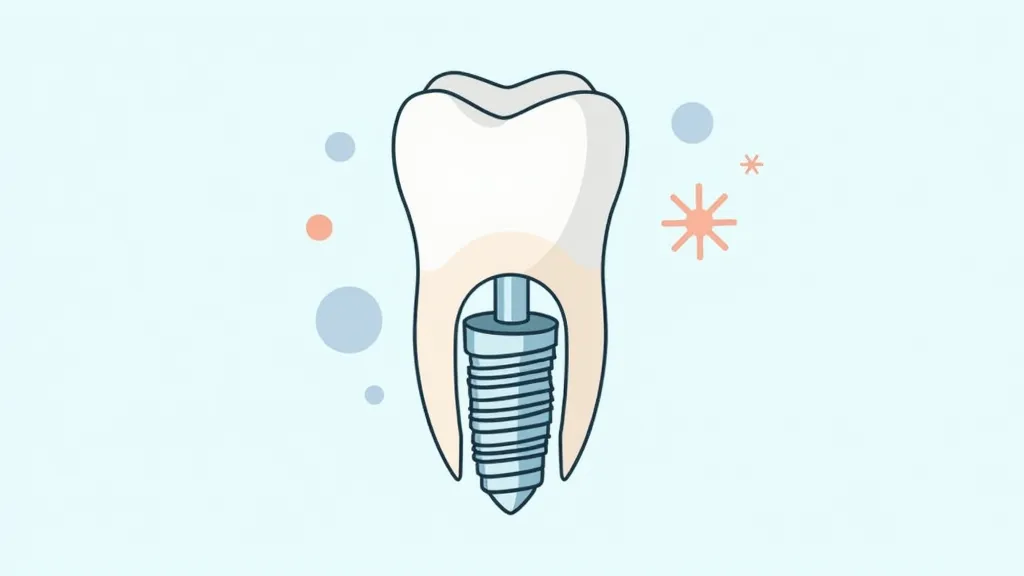
Understanding Dental Implant Prices and Options
Explore dental implant costs, funding, and full mouth options for a confident smile in 2025.
Affordable Dental Implants Near Me: Your Guide
Discover affordable dental implants, funding options, and fast solutions for fixing your teeth near you in 2025.
