This article delves into the implications of osteopenia for dental implants. Osteopenia is a condition characterized by bone density that is lower than normal, leading to possible complications in dental implant procedures. The article provides an in-depth exploration of the challenges, solutions, and considerations for patients with osteopenia seeking dental implants, supplemented with industry insights and cost comparisons.
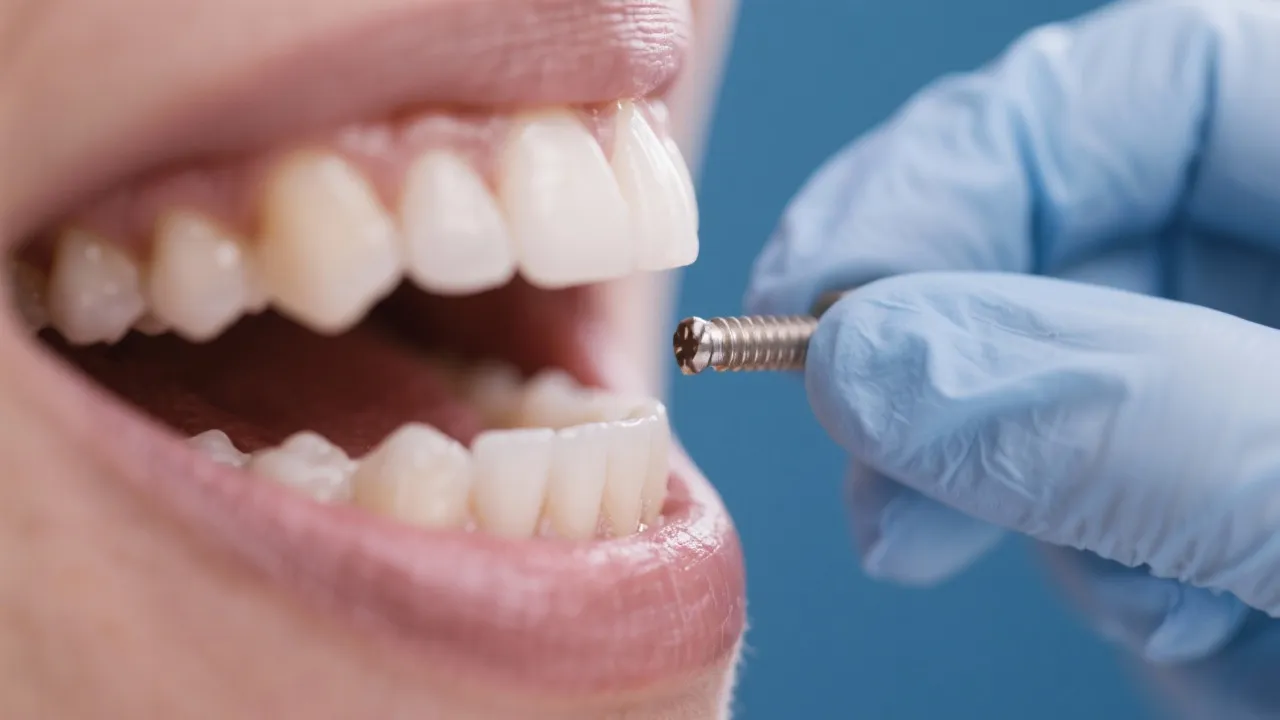
Osteopenia is a condition characterized by lower-than-normal bone mineral density (BMD). Though not as severe as osteoporosis, osteopenia carries significant implications for individuals considering dental implants. This condition can result in decreased bone quality, which is essential for the successful integration and stability of dental implants. The challenges presented by osteopenia necessitate specialized planning and consideration by dental professionals to improve chances of success when placing implants.
Dental implants are increasingly recognized as the gold standard for tooth replacement solutions due to their stability, function, and aesthetic benefits. However, for patients with osteopenia, the process can become more intricate. The compromised bone density can adversely affect the initial stability of the dental implant, making thorough assessment vital. Advanced imaging technologies such as cone beam computed tomography (CBCT) are often employed to evaluate the quality and density of the bone prior to surgery. This diagnostic imaging can reveal important factors like the presence of bone loss, the thickness of the alveolar ridge, and the quality of existing bone which are all critical indicators that can inform treatment strategies.
For patients diagnosed with osteopenia, navigating the dental implant process requires a comprehensive and individualized approach. The initial phase typically includes a thorough dental and medical history review to identify any underlying factors that may complicate the implants' success. Dentists utilize CBCT imaging to gain a detailed understanding of the bone structure, allowing them to assess the extent of bone loss and better plan the surgical procedure.
In cases where imaging indicates insufficient bone density, various pre-implant procedures may be advised. One common method is bone grafting, where bone tissue is added to the deficient areas to allow for adequate support for the dental implant. This procedure can be performed using autografts (bone taken from the patient’s body), allografts (donor bone), or synthetic bone materials that promote new bone growth. Each option carries its benefits and risks, which should be discussed thoroughly with a dental professional.
Moreover, selecting the right type of dental implant is crucial for individuals with osteopenia. Specialized implants designed for low-density bone can be used, often featuring enhanced surface textures that encourage bone integration. These implants may offer greater stability and allow for better osseointegration, which is critical for the long-term success of the dental restoration.
The financial considerations surrounding dental implants are an essential factor for many patients. The costs associated with dental implants can vary significantly based on geographical location, the complexity of the procedure, and the materials used. Below is a detailed breakdown of potential costs for dental implants in various countries:
| Country | Currency | Cost Range |
|---|---|---|
| United States | USD | $3,000 - $6,000 |
| United Kingdom | GBP | £2,000 - £2,500 |
| Australia | AUD | AU$3,500 - AU$6,500 |
| Canada | CAD | CA$3,000 - CA$5,500 |
| Germany | EUR | €2,500 - €5,000 |
| India | INR | ₹25,000 - ₹60,000 |
| Mexico | MXN | $20,000 - $35,000 |
While the initial costs of dental implants may seem daunting, it’s important to consider the long-term benefits they provide as a permanent solution compared to other tooth replacement options such as dentures or bridges, which may require frequent replacements and additional care over time.
For patients facing financial constraints, there are numerous resources and programs available to help reduce the costs associated with dental implants. Here are some insights into where patients can seek more affordable options:
| Company Name | Features |
|---|---|
| Dental Views | Provides low-cost dental implant solutions and comprehensive information about the costs and benefits of various procedures. |
| Atlantic Dental Group | Offers a wide array of dental services, including consultations regarding different implant procedures and financing options available to make treatments more accessible. |
| DentaVacation | Specializes in dental tourism, assisting patients to seek dental treatments abroad at significantly reduced costs compared to domestic clinics. |
| Dental Schools | Many dental schools offer low-cost services provided by supervised students. This can be an excellent way to receive dental care at a reduced price. |
Source: [Dental Views](https://dentalviews.com/low-cost-dental-implants/), [Atlantic Dental Group](https://www.atlanticdentalgrp.com/), [DentaVacation](https://www.dentavacation.com/).
Q: Is osteopenia a contraindication for dental implants?
A: Osteopenia is not necessarily a contraindication for dental implants. While it poses challenges, with thorough assessments and careful planning, successful outcomes can still be achieved.
Q: Are there specific implants for osteopenia patients?
A: Yes, certain implants are tailored for patients with low bone density. These may feature enhanced surface properties to promote better bonding with existing bone and stability, reducing the risk of implant failure.
Q: What preparations can increase the success rate of dental implants in osteopenia patients?
A: Preparing for dental implants involves several steps, including undergoing pre-implant procedures such as bone grafting to enhance bone density, choosing appropriate implant types, and ensuring diligent post-surgical care to promote healing. Regular follow-ups with the dental team are also necessary to monitor progress.
Q: How long do dental implants last?
A: With proper care and maintenance, dental implants can last a lifetime. Regular dental check-ups, good oral hygiene, and avoiding smoking are key factors that contribute to the longevity of dental implants.
Q: Can lifestyle changes help improve bone density in osteopenia patients?
A: Yes, lifestyle changes such as engaging in regular weight-bearing exercises, ensuring adequate intake of calcium and vitamin D, and avoiding excess alcohol consumption can help improve overall bone health and possibly mitigate the effects of osteopenia.
The success of dental implants hinges significantly on the quality and quantity of the bone where they are anchored. Bone density is a crucial factor as it determines how well the implant can integrate into the jawbone through a process called osseointegration. Ideally, implants need a minimum amount of bone for support to resist various stresses during chewing and biting.
Bone density is further classified into different categories:
Advancements in dental implant technology are continually evolving to address the needs of patients with varying bone densities. For individuals with osteopenia, the design and materials of the implants can significantly impact success rates. Newer technologies include:
After receiving dental implants, appropriate aftercare is essential for ensuring their success, especially for patients with lowered bone density. Key components of post-implant care include:
Personal stories often provide invaluable insights into the process of receiving dental implants with osteopenia. Consider these testimonials:
Maria, 62: “I was initially hesitant about getting dental implants due to my osteopenia diagnosis. However, my dentist explained the options available and reassured me with his expertise. After undergoing a bone grafting procedure, my implants were placed, and I couldn't be happier. The procedure has given me back my confidence. I wish I had done it sooner!”
John, 58: “Walking into the clinic, I felt overwhelmed thinking about the costs and my bone condition. After discussing with the team, they presented options that made it easier financially, and we found a suitable type of implant for my low bone density. The entire process was smoother than I imagined, and now I enjoy eating my favorite foods without any concerns.”
These experiences highlight the importance of communication between patients and dental professionals. Comprehensive understanding and patient education about the risks and expected outcomes can make a significant difference in both satisfaction and peace of mind throughout the process.
While osteopenia can present challenges during the dental implant process, it does not preclude individuals from receiving successful dental implants. Through careful evaluation, advanced imaging, consideration of specialized implant designs, and appropriate pre-and post-implant care, patients can achieve positive outcomes. Consulting with knowledgeable dental professionals is pivotal, as they can tailor treatment plans to meet individual needs, integrating innovative solutions that address the complexities brought forth by reduced bone density. Continual advancements in dental implant technology give hope for enhanced success rates, allowing those with osteopenia to explore their options for restoring smiles and oral function.
Disclaimer: The above information is derived from various resources and publications, as of October 2023. Dental implant prices vary significantly by clinic, region, and the complexity of individual cases, so it is advisable for patients to seek multiple consultations when considering treatment options.
Reference links: [Dental Views](https://dentalviews.com/low-cost-dental-implants/), [Atlantic Dental Group](https://www.atlanticdentalgrp.com/), [DentaVacation](https://www.dentavacation.com/).
Striking the Perfect Balance: Navigating Premiums and Out-of-Pocket Expenses in Senior Insurance Plans

Explore the Tranquil Bliss of Idyllic Rural Retreats

How to Make Lasting Memories at Disneyland Attractions

Affordable Phones and Plans for Seniors

Affordable Full Mouth Dental Implants Near You
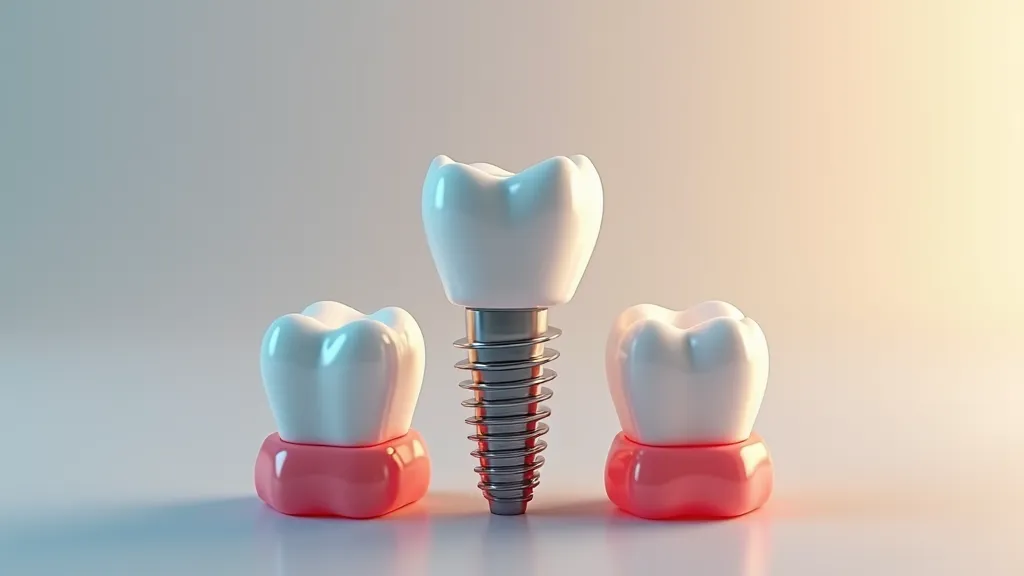
Unlock the Top Kept Secrets to Finding Your Ideal Dentist for Flawless Dental Implant Results!

Discovering Springdale Estates

The Guide to Car Trading

Affordable Cell Phones Without Plans

Affordable Full Mouth Dental Implants Near You
Discover options for affordable full mouth dental implants, including clinical trials and local dental services that offer cost-effective solutions.
Understanding Full Mouth Dental Implant Prices
Explore the costs and factors influencing full mouth dental implants for seniors and others.
Comprehensive Guide to Dental Implants
This comprehensive guide delves into the intricacies of dental implants, providing a global perspective with a special focus on Implantswiss. Dental implants, a pivotal advancement in restorative dentistry, offer solutions for missing teeth, aiding in oral health and functionality. This article navigates through cost-effective solutions, global pricing comparisons, and the role of Implantswiss in elevating dental care standards internationally.

Affordable Dental Implants Near You
Discover low-cost dental implants and quick solutions to fix your teeth with full mouth options available near you.

Understanding Dental Implant Prices and Options
Explore dental implant costs, funding, and full mouth options for a confident smile in 2025.

Affordable Dental Implants Near Me: Your Guide
Discover affordable dental implants, funding options, and fast solutions for fixing your teeth near you in 2025.