This article delves into the dynamics of All-Wheel Drive Plug-in Hybrid Electric Vehicles (AWD PHEVs), highlighting their unique benefits and innovations in automotive technology. By seamlessly integrating conventional and electrical powertrains, AWD PHEVs provide exceptional traction and versatility, making them appealing to environmentally conscious consumers and those seeking enhanced vehicular performance.
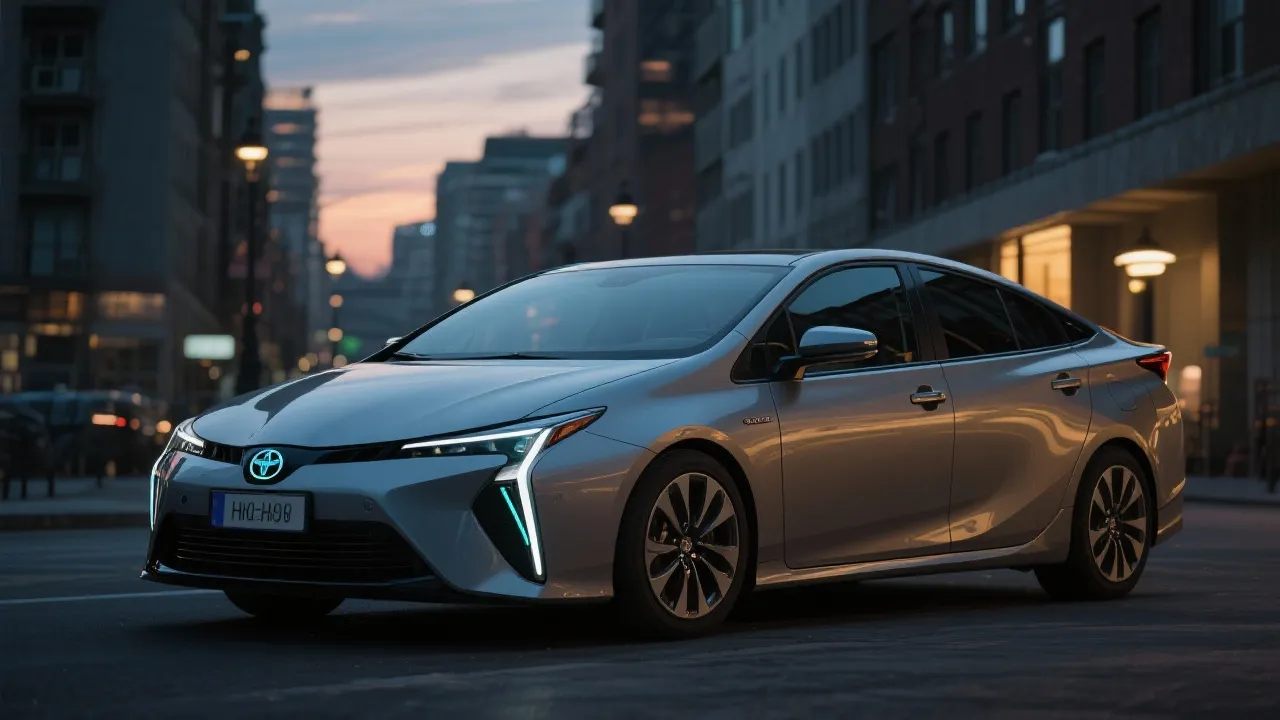
The automotive industry is in a continuous state of evolution, and one of the very noteworthy advancements is the integration of electric capabilities within all-wheel-drive vehicles, resulting in AWD PHEVs. These vehicles have become synonymous with innovation, offering a combination of reduced emissions and improved driving dynamics, which caters to a wide array of consumer needs. As environmental concerns become increasingly prevalent, many consumers seek vehicles that not only provide utility and performance but also contribute positively to reducing their carbon footprints. This demand has accelerated the development and adoption of AWD PHEVs in various markets around the world.
AWD PHEVs, or All-Wheel Drive Plug-in Hybrid Electric Vehicles, are cars that couple a traditional internal combustion engine with an electric motor, both capable of driving all four wheels. The central idea behind this hybrid system is to augment the engine's efficiency with electric power, thereby minimizing fuel consumption and emissions while maximizing traction and control across varied terrains. The powertrains in these vehicles can switch seamlessly between the engine and electric motor, offering drivers a choice of operational modes depending on their needs and driving conditions. More sophisticated AWD PHEVs even feature advanced regenerative braking systems, which convert excess kinetic energy back into electrical energy to recharge the battery, thus optimizing energy efficiency further.
One of the hallmark features of AWD PHEVs is their ability to provide optimal traction in various driving conditions, such as rain or snow. This is complemented by their eco-friendly credentials, including lower emissions and improved fuel economy compared to regular all-wheel-drive vehicles. The dual nature of hybrid vehicles enhances their versatility by offering the electric-only mode for city driving and the hybrid mode for longer journeys. In urban settings, where stop-and-go driving is prevalent, using electric mode eliminates tailpipe emissions altogether, further enhancing urban air quality. Another significant advantage is the ability to charge these vehicles at home using common 120-volt outlets, or faster through dedicated charging stations, making it convenient for owners. Additionally, many AWD PHEVs come equipped with features such as regenerative braking, which not only adds to energy efficiency but also extends the life of traditional braking components, ultimately saving money over the vehicle's lifespan.
When venturing into buying an AWD PHEV, it is crucial to consider cost, range, and charging infrastructure availability. Finding a vehicle that suits your lifestyle requires thorough research and comparison. First, prospective buyers should determine their budget not only for the purchase price of the vehicle but also for ongoing costs, including insurance, maintenance, and fuel. The price of AWD PHEVs can widely vary depending on the make, model, and features included. Some luxury brands may offer higher-end options with advanced technologies, while budget-friendly choices are also available that still provide significant energy savings and eco-friendly benefits.
A key factor in selecting an AWD PHEV is often the vehicle's electric driving range on a single charge. Most AWD PHEVs can travel between 20 to 50 miles using only electric power, making them suitable for most daily commutes without consuming gasoline. However, consumers should also consider how often they plan to undertake longer journeys that exceed that electric range. In hybrid mode, AWD PHEVs can offer greater total range, combining battery and fuel for extended trips. Consumers who frequently travel longer distances may prioritize models with larger fuel tanks and higher overall efficiency.
Another essential consideration is the availability of charging infrastructure in one’s area. Depending on personal routines, the convenience of home charging can significantly influence the practicality of owning an AWD PHEV. Home charging solutions, including Level 1 and Level 2 chargers, can be installed in garages or parking areas, whereas public charging stations typically allow for faster charging rates. Understanding the location and accessibility of electric charging stations can help drivers avoid “range anxiety,” the concern over running out of battery power before reaching a charging point.
| Platform | Main Features | Link |
|---|---|---|
| cars.com | Extensive car database, comparison tools, user reviews, and detailed specifications. | source: cars.com |
| Carmax | Customer-centric service, wide selection, transparent pricing, and no-haggle approach. | source: carmax.com/cars |
| Caronsale | Innovative auction options, European focus, and variety of vehicle choices. | source: caronsale.com/en |
First, browse the respective websites such as cars.com, Carmax, and Caronsale. These resources offer vast arrays of vehicles, detailed specifications, and competitive pricing. Using their user-friendly interfaces, you can filter and shortlist based on your preferences, be it price range, model, or specific features. It is also beneficial to visit local dealerships, where potential buyers can experience the vehicles firsthand through test drives and obtain more insight into the features and capabilities of different AWD PHEVs. Consulting with knowledgeable sales staff can provide personalized recommendations based on specific needs and driving habits.
Long-term ownership costs for an AWD PHEV can differ significantly from traditional vehicles due to various factors. In addition to initial purchase prices, which may include premium prices for hybrid technology, owners must evaluate potential fuel savings. Since AWD PHEVs can run on electricity for shorter commutes, substantial costs in fuel can be offset over time. Furthermore, many federal and state governments offer tax incentives and rebates to promote the adoption of plug-in hybrid and electric vehicles, which can further reduce overall expenses. These incentives can vary significantly by region. Additionally, insurance premiums may be lower for hybrid vehicles, considering their efficiency and reduced likelihood of engine wear and tear.
Disclaimer: The above information is sourced from online platforms as of October 2023. For the latest information, please refer to the official website.
For further details, explore: Cars.com, Carmax, Caronsale.
As the automotive landscape continues to evolve, the future of AWD PHEVs appears promising. The growth of electric vehicle (EV) technology, including advances in battery development, is expected to enhance the efficiency and performance of hybrid systems. Battery electric vehicles (BEVs) are becoming more mainstream, pushing manufacturers to innovate and refine hybrid offerings to appeal to a broader audience. This trend presents exciting opportunities, particularly for AWD PHEVs, as manufacturers look to optimize their models by improving electric range and reducing weight.
Government policies play a significant role in shaping the future of AWD PHEVs. Incentives such as tax breaks, rebates, and infrastructure investments are driving scientists and industry stakeholders to innovate further. As cities around the world implement stricter emissions regulations and push towards sustainability goals, the transition to hybrid and electric vehicles is likely to accelerate. Additionally, the rollout of more comprehensive EV charging infrastructure, including fast-charging stations, will foster greater adoption and convenience for potential AWD PHEV buyers.
Consumer awareness of environmental issues continues to rise, influencing purchasing decisions. Many buyers are considering the long-term sustainability of the products they use, including vehicles. The emergence of vehicle transparency, where consumers seek out vehicles with lower environmental impacts, is symbolic of an important cultural shift. AWD PHEVs stand to gain appeal in this context as they provide a feasible bridge between conventional vehicles and fully electric options. As these technologies mature, consumers may develop a preference for vehicles that can efficiently address daily commutes without relying heavily on fossil fuels.
The ongoing improvements in battery technology are expected to enhance the capabilities of AWD PHEVs significantly. Solid-state batteries and higher energy density batteries are on the horizon, promising faster charging times and longer electric ranges. These advancements will address many of the current limitations that consumers face with hybrid and electric vehicles. Moreover, advancements in artificial intelligence and machine learning could optimize driving patterns and improve energy efficiency in AWD PHEVs, leading to smarter driving experiences. Integration of autonomous driving features may also heighten the appeal of these vehicles, as they gain advanced safety capabilities alongside traditional performance.
Overall, the advent of AWD PHEVs represents a significant milestone in the automotive industry's journey towards sustainable mobility. Not only do they provide a practical solution for consumers seeking lower emissions and enhanced fuel efficiency, but they also cater to varied driving needs, ensuring drivers are equipped for all scenarios, whether urban commuting or weekend adventures. As technology continues to evolve, and as consumer attitudes shift towards sustainability, AWD PHEVs are poised to remain a vital component of future automotive offerings. The combination of comfort, performance, and eco-friendliness represents a pivotal moment in shaping tomorrow’s transportation solutions. In this dynamic landscape, consumers are empowered to make informed decisions that reflect both their driving preferences and environmental considerations.
In summary, whether you are considering purchasing an AWD PHEV for its environmental benefits, enhanced traction, or the hybrid convenience it provides, it is essential to stay informed about the latest offerings and technological advancements. Armed with knowledge and resources, transforming your driving experience to align with modern values is not only possible but also a gratifying endeavor.
Striking the Perfect Balance: Navigating Premiums and Out-of-Pocket Expenses in Senior Insurance Plans

Explore the Tranquil Bliss of Idyllic Rural Retreats

How to Make Lasting Memories at Disneyland Attractions

Affordable Phones and Plans for Seniors

Affordable Full Mouth Dental Implants Near You

Unlock the Top Kept Secrets to Finding Your Ideal Dentist for Flawless Dental Implant Results!

Discovering Springdale Estates

The Guide to Car Trading
Affordable Cell Phones Without Plans

The Guide to Car Trading
This comprehensive guide explores the dynamics of car trading through the lens of organizational culture theories by Cameron & Quinn. With a focus on how these theories influence business operations and consumer behavior in the car trading industry, this article also introduces platforms where vehicles are commonly traded. Considered resources like Autotrader and Carmax, ensuring access to up-to-date car listings and information.
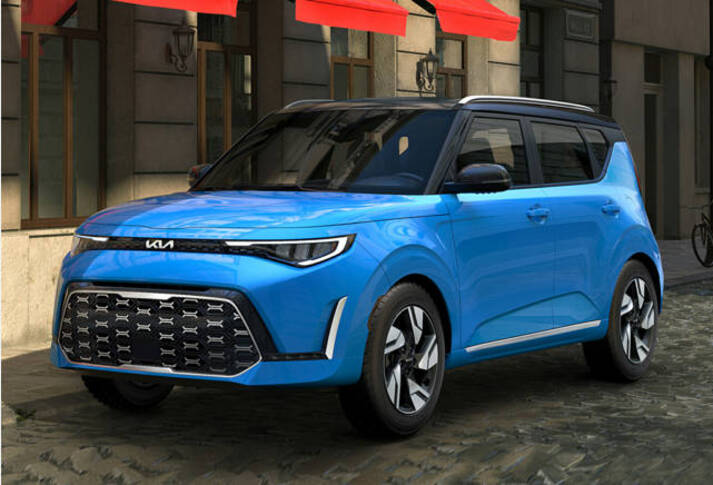
Choosing the Perfect Economical SUV for the Elderly
Selecting an economical SUV for seniors involves considering affordability, comfort, and safety. This guide offers valuable tips to help older adults find their ideal vehicle.
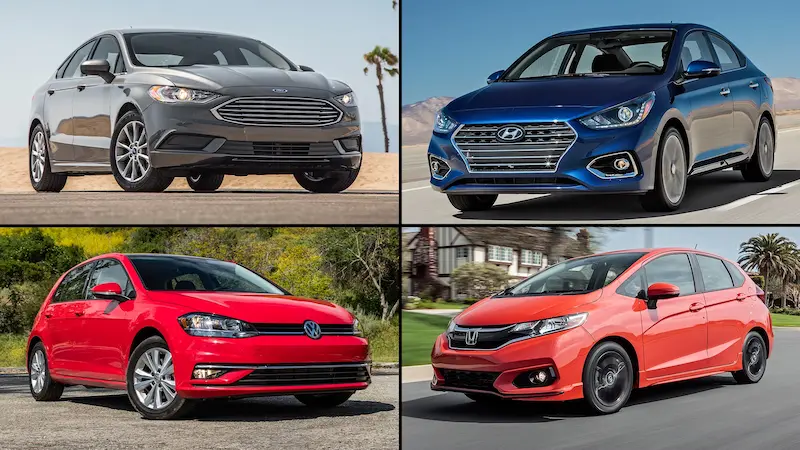
Smart Tips for Seniors to Find the Top Used Car Deals
As a senior looking to purchase a used car, you're in a unique position. With years of life experience under your belt, you have the wisdom to make informed decisions. However, the used car market can be complex and occasionally deceptive, and there are many factors to consider to ensure you get the best deal possible. This guide provides practical advice to help you navigate the used car market confidently and secure a reliable vehicle at a great price.
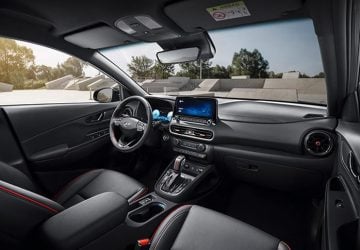
Ultimate Guide to Elevate Your Kona SUV's Comfort and Convenience for Endless Road Trip Enjoyment!
Setting Out on Extended Journeys with Your Kona SUV

Maximizing Your Purchase: Ram 1500 Deals and Towing Capacity
Purchasing a new vehicle can be daunting. Discover how to secure the top Ram 1500 deals while ensuring you have the towing capacity you need.
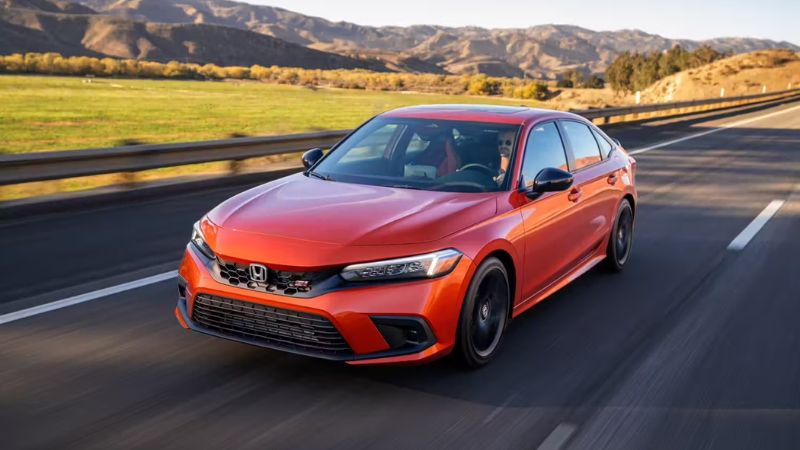
Top 10 Very Amazing Budget-Friendly Cars of 2018: Drive with Style Without Breaking the Bank!
For many individuals, acquiring a vehicle is a goal that represents stability and independence. However, the journey to car ownership is paved with considerable financial commitment and an obligation to thoroughly vet the options available. Astute purchasers weigh a myriad of elements prior to sealing the deal on a new ride. Among these elements, the cost is often the deciding factor in determining which automobile will ultimately occupy their garage.