This article delves into electronic payment processing, a transformative facet of modern finance allowing seamless transactions without physical cash. With the mounting shift towards digital solutions, understanding electronic payment processing is crucial for consumers and businesses seeking efficiency and security in their financial interactions.
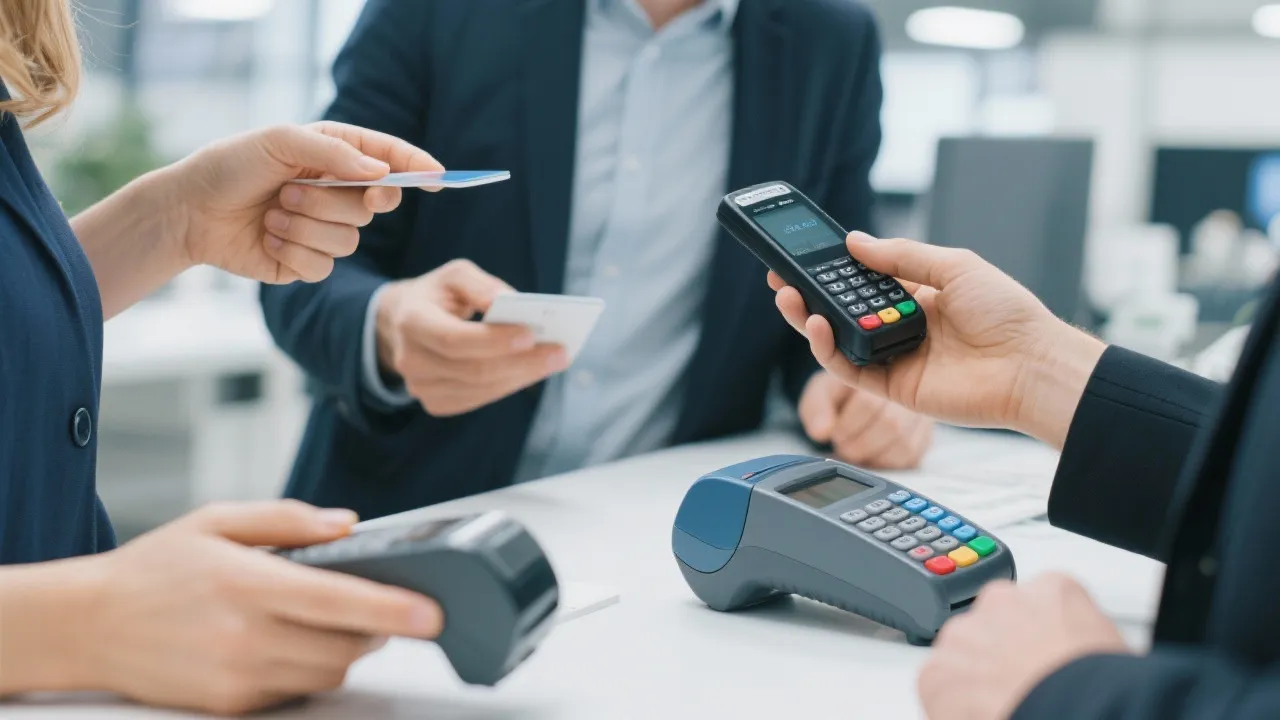
Electronic payment processing has revolutionized the way transactions are conducted, moving away from traditional cash-based systems to more efficient and secure methods. It encompasses a wide array of technologies and processes that enable consumers and businesses to conduct monetary transactions virtually. This shift towards digital payments is driven by the demand for faster, more reliable, and secure transaction methods. Transactional efficiencies, customer preferences for convenience, and the need for global commerce solutions are crafting a landscape that favors electronic solutions. As a result, electronic payment processing has emerged not only as a necessity but as a critical factor for business growth and sustainability.
At its core, electronic payment processing involves three main components: the payment gateway, the payment processor, and the merchant account. The payment gateway is the interface that allows customers to enter their card or bank information securely. It acts as a bridge between the customer and the payment processor, ensuring that sensitive information is encrypted and securely transmitted. The payment processor is responsible for transmitting this data between the customer’s bank, the merchant’s bank, and various financial institutions, acting as an intermediary to facilitate the exchange. Finally, the merchant account is where the business receives its funds after the transaction is approved, functioning similarly to a checking account dedicated to business transactions.
Each of these components interacts with one another during the payment process, which typically occurs in several stages: authorization, batching, settlement, and funding. During authorization, the customer’s information is verified and funds are held for the transaction. Batching occurs when all transactions processed during a specific time frame are grouped together. Settlement is the actual transfer of funds, and funding is when the merchant receives that money in their account.
In recent years, the adoption of digital wallets and mobile payment platforms has surged. These technologies have made it more convenient for individuals to make purchases using their smartphones, significantly altering the payment processing landscape. Apple Pay, Google Wallet, and PayPal are among the leading platforms facilitating this shift. Such services not only allow users to store payment information securely but also simplify the checkout process, enabling contactless transactions that speed up purchase times and enhance customer satisfaction.
Digital wallets work by storing the user's payment information securely in the cloud, allowing for quick retrieval during transactions. Furthermore, they often come equipped with added security features such as biometric authentication (fingerprint or facial recognition), which minimizes the risk of unauthorized payments. As these wallets are incorporated into e-commerce and retail environments, their ubiquity begins to cater to a critical demographic - the millennial and Gen Z consumers who prioritize seamless, tech-savvy experiences.
Security is paramount in electronic payment processing. To protect sensitive data during transactions, technologies such as encryption, tokenization, and Secure Socket Layers (SSL) are employed. Encryption ensures that data is coded in such a way that it is only readable by authorized parties. Tokenization works by replacing sensitive payment information with a unique identifier or token, which can only be associated with the specific transaction, reducing the risk of fraud. Lastly, Secure Socket Layers (SSL) provide an encrypted link between a web server and a browser, ensuring securely transmitted information.
Additionally, compliance with Payment Card Industry Data Security Standard (PCI DSS) is critical for businesses that handle credit card transactions. This set of guidelines aims to enhance security measures, both to protect sensitive payment information and to mitigate the risk of data breaches. Implementing multi-factor authentication (MFA) is another increasing trend in securing electronic payments, which requires more than one form of verification to authenticate a transaction.
The electronic payment processing industry is continuously evolving, with innovations such as blockchain technology and cryptocurrencies beginning to influence how transactions are conducted. Blockchain offers a decentralized method of payment that promises enhanced security and transparency. Through a distributed ledger system, transactions can be verified more efficiently and safeguarded against alteration. Many businesses and financial institutions are exploring these technologies to increase transaction speed, reduce costs, and bolster security.
Moreover, the rise of Artificial Intelligence (AI) and machine learning algorithms is changing the way payment processing companies detect fraudulent activities, analyze consumer behavior, and improve user experiences. For instance, AI can analyze transaction patterns in real-time to flag anomalies suggesting fraud, often before the customer has even realized a problem exists.
Additionally, there is a significant trend toward contactless payments, spurred by the COVID-19 pandemic, which heightened consumer concern for health and safety. Tap-and-go payments using near-field communication (NFC) technology have gained acceptance in retail environments due to their convenience and speed. As contactless technology becomes more prevalent, the need for robust security measures and consumer education on safe practices in digital transactions escalates correspondingly.
| Aspect | Traditional Payment | Electronic Payment |
|---|---|---|
| Transaction Speed | Slow (1-3 business days for checks) | Fast or within minutes |
| Security | Risk of physical theft and forgery | Encrypted and tokenized |
| Convenience | Physical presence required | Remotely accessible via the internet |
| Record Keeping | Manual or paper-based | Automated digital records |
| Global Reach | Limited by geographic boundaries | Accessible worldwide with an internet connection |
| Cost | Varies according to transaction type (including postage and processing fees) | Often includes transaction fees but may reduce costs in other areas, e.g., cash handling and operational inefficiencies |
Electronic payment processing offers numerous advantages, such as increased transaction speed, enhanced security features, and improved customer experience. Customers can complete transactions in seconds rather than waiting in line to pay with cash or checks. The ability to track payments digitally also allows for better financial management for both businesses and consumers. Furthermore, electronic payments enable businesses to process a higher volume of transactions, leading to improved cash flow and potentially increased sales.
However, it is not without challenges. Issues such as system outages, cyber threats, and the need for constant technological upgrades can pose significant obstacles for businesses. A major concern is cybersecurity. As electronic transactions increase, so do the opportunities for criminals to exploit vulnerabilities. Companies must continuously invest in and update their cybersecurity measures to protect sensitive information.
Moreover, transitioning from traditional methods to digital platforms requires considerable investment in infrastructure and training. Small businesses, in particular, may face barriers to entry, including the cost of payment processing equipment and software, as well as resources for employee training on how to use new payment systems effectively. Compliance with ever-evolving regulations regarding data privacy and processing is another burden businesses must manage.
Q: How safe are electronic payment transactions?
A: Electronic payment transactions are highly secure thanks to advanced encryption and fraud detection technologies that protect against unauthorized access and fraud. Nonetheless, consumers and businesses must exercise caution and routinely update their security practices.
Q: Can small businesses benefit from electronic payment processing?
A: Yes, small businesses can greatly benefit through increased sales, improved cash flow, and access to a broader customer base thanks to the convenience and efficiency of electronic payments. They also have the flexibility to tailor payment processing solutions to meet their unique operational needs.
Q: Are there fees associated with electronic payment processing?
A: Typically, yes. There may be transaction fees imposed by payment processors or banks, which can vary significantly depending on the service provider and volume of transactions. However, these costs can often be offset by the increased sales and operational efficiencies gained. Businesses should carefully evaluate different processing partners to find the best fit for their needs.
Q: What are some common methods of electronic payment?
A: Common methods include credit and debit card payments, digital wallets (like PayPal, Apple Pay, and Google Wallet), bank transfers (including ACH), contactless payments, and cryptocurrency transactions. Each method has its own benefits, and businesses can choose the ones that align with their offerings.
The landscape of financial transactions is undeniably leaning towards fully electronic systems. As consumer preferences shift towards more convenient and secure payment methods, businesses that adopt electronic payment processing will likely gain a competitive edge. Emerging technologies continue to shape this field, suggesting that the future of payments will see even more innovation, integrating artificial intelligence, machine learning, and blockchain to create a more robust payment ecosystem.
Staying informed about these advancements, and being adaptable in business practices, is vital for all stakeholders involved in the commerce ecosystem. As the landscape unfolds, it's also essential to foster consumer education surrounding online safety and payment efficiency. By empowering consumers to understand their choices and the technologies at play, we can create a more secure and private payment environment that works efficiently for everyone.
In conclusion, the progression of electronic payment processing not only signifies a technological advancement but also a cultural shift in how we perceive and perform monetary transactions. Embracing this change paves the way for future growth, innovation, and enhanced consumer trust in the realm of commerce. As we move forward, organizations willing to adapt and innovate while ensuring secure transactions will thrive in this changing landscape, reaping the benefits of a largely digital economy.
Striking the Perfect Balance: Navigating Premiums and Out-of-Pocket Expenses in Senior Insurance Plans

Explore the Tranquil Bliss of Idyllic Rural Retreats

How to Make Lasting Memories at Disneyland Attractions

Affordable Phones and Plans for Seniors

Affordable Full Mouth Dental Implants Near You

Unlock the Top Kept Secrets to Finding Your Ideal Dentist for Flawless Dental Implant Results!

Discovering Springdale Estates

The Guide to Car Trading

Affordable Cell Phones Without Plans


Understanding Rlock Advpl in Business
Rlock Advpl represents a pivotal advancement in business software solutions, offering enhanced security and efficiency for enterprise resource planning systems. This article delves into the intricacies of Rlock Advpl, its application in modern businesses, and the benefits it offers in streamlining operations and safeguarding data. As an expert tool, Rlock Advpl is essential for businesses looking to optimize their IT infrastructure.

Unveiling Atranet Innovation
Atranet represents a cutting-edge concept in networking technology. Harnessing its capabilities can transform digital communication by providing seamless connectivity. Designed to optimize data transfer, security, and efficiency, Atranet is shaping the future of how we connect and share information. This article delves into its structure, applications, and potential impacts on industry practices and consumer experiences.

Understanding Polysulfide Adhesive Applications
This comprehensive guide explores the applications and benefits of polysulfide adhesive, highlighting its unique properties and widespread use in construction, aerospace, and automotive industries. Known for its flexibility and resistance to various environmental factors, polysulfide adhesive is a key component in sealing and bonding applications, providing durability and reliability in demanding conditions.

Comparing Vtex with Salesforce Commerce
This article provides an in-depth comparison between Vtex and Salesforce Commerce, two leading digital commerce platforms. Each offers unique features suited to different business needs. Vtex is renowned for its collaborative commerce approach, while Salesforce Commerce shines with its comprehensive customer relationship management capabilities. Explore their differences, strengths, and insights from industry experts.

Understanding the Latest Chrome Version
This article delves into the intricacies and features of the latest Chrome version. Chrome, developed by Google, is one of the very popular web browsers globally, known for its speed, simplicity, and security features. Each update aims to enhance user experience through improved functionality and performance. Understanding these updates is crucial for both everyday users and developers.

Maximizing Benefits of Solar Panels: Costs and Energy Efficiency
Solar panels can save money and energy. Discover how to optimize installation for maximum benefits.