Hornets, a group of large wasps, are vital to ecosystems due to their predatory nature, controlling pest populations. Found in various environments worldwide, they are often mistaken for their aggressive tendencies. This article explores the significance of hornets, their behavior, and the implications of their interaction with humans and the environment.
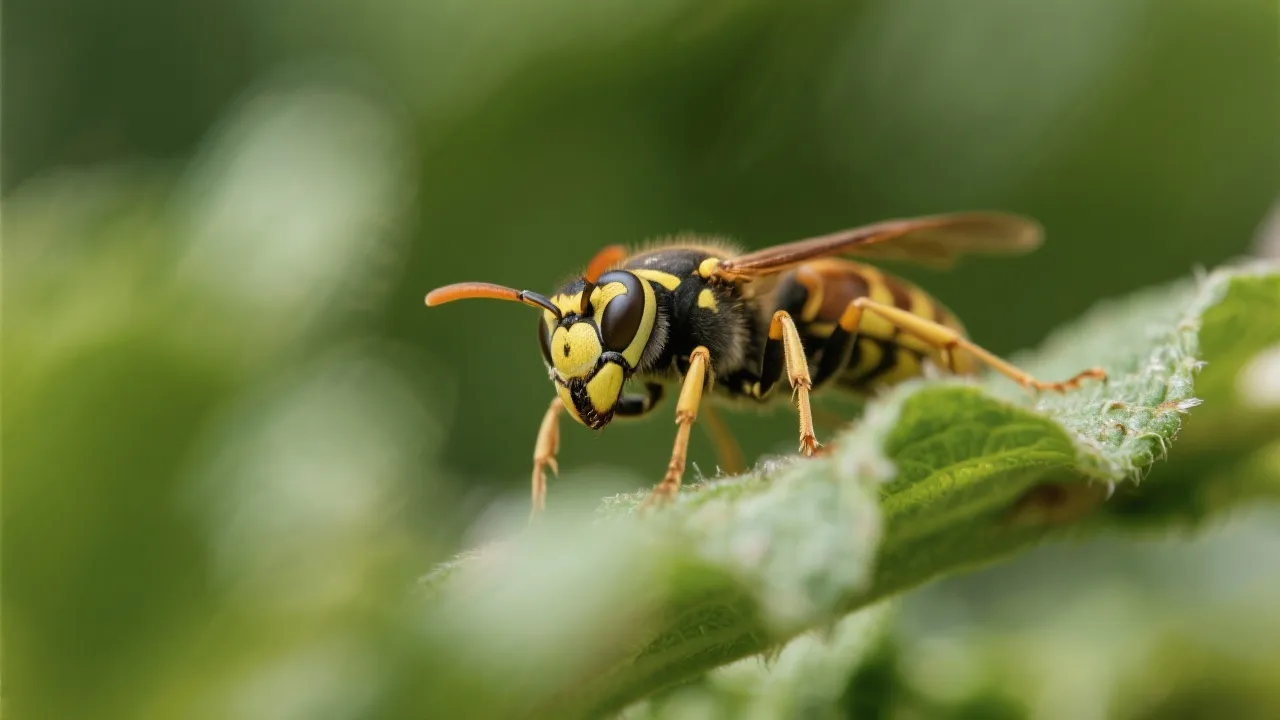
Hornets are often perceived as aggressive insects, formidable in size, and known for their potent sting. Despite this reputation, hornets play a crucial role in maintaining ecosystem balance, primarily through their predatory nature. These insects help in controlling pest populations, thus indirectly benefiting agriculture and reducing the need for chemical pesticides. The complex interactions between hornets, plants, and other animals illustrate the delicate web of life within which they operate. Understanding these relationships enhances our appreciation of hornets beyond their intimidating exterior.
Hornets belong to the wasp family Vespidae and are typically larger than other wasp species. With a preference for temperate climates, hornets are primarily found in North America, Europe, and Asia. Their nests, often constructed from chewed wood fibers mixed with saliva, can be found in trees, bushes, or even man-made structures. The structure of a hornet nest is a marvel of construction; it features multiple layers and compartments that house developing larvae and adult hornets.
The lifecycle of a hornet starts with a queen emerging from hibernation in the spring to establish a new colony. The queen’s initial efforts lay the foundation for a thriving colony, which can grow significantly over the warmer months. After mating, the queen begins laying eggs, which hatch into larvae that the workers feed and care for. By late summer, colonies can expand to include hundreds or even thousands of hornets, creating a bustling community focused on survival and expansion.
The importance of hornets as natural pest controllers cannot be overstated. They prey on a variety of insects, including flies, aphids, and caterpillars, contributing to the ecological balance by keeping these populations in check. For example, a European hornet can capture more than 1,000 insects in a single year, thereby playing a significant role in regulating the populations of various pest species. This natural predation reduces crop damage and lessens the dependency on chemical interventions. Furthermore, by controlling these pest populations, hornets support biodiversity, nurturing a balanced ecosystem.
Moreover, hornets do not just prey on harmful insects; their feeding habits impact the entire food web. In turn, the availability of prey influences the populations of other predators, illustrating the interconnected nature of these interactions. Birds, mammals, and other insects rely on healthy populations of these pests and, indirectly, on hornets to keep pest populations in check. This underscores the crucial role hornets play—not just in agriculture but in maintaining overall environmental health.
Although hornets are beneficial, their presence near human habitats can cause concern due to the risk of stings, which are painful and potentially dangerous for individuals with allergies. Hornet stings contain venom that can trigger allergic reactions varying from mild discomfort to severe anaphylaxis. To mitigate these risks, understanding hornet behavior and recognizing their nests’ locations are crucial for coexisting peacefully with these insects. Recognizing signs of aggression and knowing when to give hornets space can help reduce the likelihood of encounters that lead to stinging incidents.
When dealing with hornet nests, it’s advisable to contact professional pest control services. Attempting to remove or destroy a hornet nest without proper knowledge and equipment can provoke the colony, leading to stings and potential injury. Educating the public about identifying and respecting hornet habitats can foster a coexistence approach that benefits both humans and these misrepresented insects. For example, wearing protective clothing while working near tree branches or areas where hornets reside minimizes the risk of unwanted encounters.
While hornets are often seen as pests, conservation efforts are essential for maintaining their ecological contributions. Habitat destruction and pesticide use pose significant threats to hornet populations. Urbanization and agricultural expansion often lead to the fragmentation of natural habitats, diminishing the areas where hornets can thrive. Additionally, the widespread use of pesticides, while aimed at controlling harmful pests, disproportionately affects beneficial insects like hornets. By promoting awareness, encouraging sustainable agricultural practices, and protecting natural habitats, we can ensure the survival of these important insects.
Community engagement in local conservation initiatives can make a substantial difference. Programs aimed at planting native plants that support hornet populations and other beneficial insects can increase local biodiversity. Schools, community gardens, and botanical gardens can serve as platforms for educating people about the ecological roles of hornets, fostering respect and appreciation for these insects.
Furthermore, researchers are actively studying hornet behavior and ecology to inform conservation strategies. Understanding their habitat preferences and population dynamics can help formulate targeted efforts to protect their environments. Through scientific research and community activism, we can create resilient ecosystems that incorporate hornets as vital components of the web of life.
| Hornet Type | Description | Importance |
|---|---|---|
| European Hornet | Largest hornet species in Europe, known for its distinctive yellow and brown coloration. | Controls the population of harmful insects like beetles and caterpillars, maintaining ecological balance. |
| Asian Giant Hornet | Native to Asia, this is the world's largest hornet species, often drawing attention for its size. | Helps regulate populations of forest and crop pests, making it a crucial component of local ecosystems. |
| Bald-faced Hornet | Not true hornets but a type of yellowjacket, distinguished by its black and white pattern. | Predaceous on other insects, beneficial for gardens and orchards, thus aiding in pollination indirectly. |
Q: Are hornets aggressive towards humans?
A: Hornets are not inherently aggressive unless threatened or if their nest is disturbed. They prioritize colony protection over attacking humans. Understanding their behavior can help prevent conflicts between hornets and people, allowing for peaceful coexistence.
Q: What should I do if I find a hornet nest nearby?
A: It's recommended to seek professional help for removal. Avoid attempting to destroy the nest on your own as this can lead to aggressive behavior. Observing hornets from a safe distance can help you appreciate their role in your garden or local ecosystem.
Q: How can I prevent hornets from building nests near my home?
A: Regularly inspect areas like eaves, sheds, and hollow trees for nest building. Secure trash and eliminate potential food sources to deter hornets. Simple actions, like keeping outdoor eating areas clean and sealing entry points in structures, can significantly reduce the likelihood of hornets nesting nearby.
Q: What ecological benefits do hornets provide?
A: Hornets serve as natural pest controllers by preying on insects that can damage crops and plants. Their role helps maintain balance in ecosystems, supporting both agricultural productivity and biodiversity.
To coexist with hornets effectively, it's essential to understand their behavior. Hornets communicate through pheromones and visual signals, enabling them to coordinate activities, such as foraging and nest defense. When a hornet feels threatened, it releases alarm pheromones that signal others of the same species to prepare for defense. This pheromone-based communication is critical for the survival of their colonies, protecting their young and food sources.
Observational studies show that hornets exhibit different behaviors based on their roles within the colony. Worker hornets focus on foraging and maintaining the nest, while queens handle reproduction. The interactions among these different castes highlight the social structure within hornet colonies, which is similar to that of bees, thus showcasing an intricate social order.
Besides controlling pest populations, hornets also play a role in pollination. While they are not as effective as bees, certain species of hornets do visit flowers for nectar. In doing so, they facilitate the transfer of pollen, contributing to plant reproduction. Many flowering plants depend on a variety of insect pollinators, and the presence of hornets can help maintain biodiversity in plant communities.
Additionally, hornets can be indicators of environmental health. Their presence often indicates a balanced ecosystem with adequate food sources and suitable habitats. Monitoring hornet populations may provide insights into broader ecological changes, including the impacts of climate change and habitat degradation. By protecting hornets, we inadvertently protect the intricate web of life they support.
Community education plays a vital role in changing perceptions of hornets. Workshops, informational brochures, and school programs can disseminate knowledge about the benefits of hornets and the risks involved in their nests. By promoting a positive image of hornets, we can foster a sense of responsibility among community members to protect these essential insects.
Local conservation groups can host events to educate residents on creating hornet-friendly environments by planting native plants that attract hornets and other beneficial insects. Participatory initiatives could include community garden projects that prioritize insect biodiversity and encourage natural pest control methods. Such programs engage residents in higher environmental awareness and promote sustainable practices.
Research on hornet behavior, ecology, and conservation is ongoing and essential for understanding their roles in ecosystems. Scientists are studying the interactions between hornets and other species to provide a more detailed picture of their ecological importance. Advances in scientific methods, including genetic studies, are revealing how hornets adapt to environmental changes and interact with their habitat and populations of other species.
Future research may focus on the resilience of hornet populations to climate change. Understanding their behavioral and physiological responses to shifting environmental conditions could inform conservation strategies and highlight the necessity of protecting their habitats. Continuous exploration in this field can lead to greater awareness and more effective conservation efforts.
Understanding the significant yet frequently misunderstood role of hornets underscores the necessity of a balanced approach to their presence in our environment. By appreciating their ecological contributions and taking appropriate precautions, we can harmoniously coexist with these fascinating insects. The stories of hornets remind us of the intricate relationships within ecosystems and the importance of preserving the natural world to maintain ecological balance.
As we respect hornets and their place in the environment, we also encourage a mindset that values all species—regardless of our initial perceptions. Through education and conservation efforts, we can shift attitudes, create safe spaces for these insects, and embrace the ecological harmony that they help sustain.
Striking the Perfect Balance: Navigating Premiums and Out-of-Pocket Expenses in Senior Insurance Plans

Explore the Tranquil Bliss of Idyllic Rural Retreats

How to Make Lasting Memories at Disneyland Attractions

Affordable Phones and Plans for Seniors

Affordable Full Mouth Dental Implants Near You

Unlock the Top Kept Secrets to Finding Your Ideal Dentist for Flawless Dental Implant Results!

Discovering Springdale Estates

The Guide to Car Trading

Affordable Cell Phones Without Plans


Understanding Rlock Advpl in Business
Rlock Advpl represents a pivotal advancement in business software solutions, offering enhanced security and efficiency for enterprise resource planning systems. This article delves into the intricacies of Rlock Advpl, its application in modern businesses, and the benefits it offers in streamlining operations and safeguarding data. As an expert tool, Rlock Advpl is essential for businesses looking to optimize their IT infrastructure.

Unveiling Atranet Innovation
Atranet represents a cutting-edge concept in networking technology. Harnessing its capabilities can transform digital communication by providing seamless connectivity. Designed to optimize data transfer, security, and efficiency, Atranet is shaping the future of how we connect and share information. This article delves into its structure, applications, and potential impacts on industry practices and consumer experiences.

Understanding Polysulfide Adhesive Applications
This comprehensive guide explores the applications and benefits of polysulfide adhesive, highlighting its unique properties and widespread use in construction, aerospace, and automotive industries. Known for its flexibility and resistance to various environmental factors, polysulfide adhesive is a key component in sealing and bonding applications, providing durability and reliability in demanding conditions.

Comparing Vtex with Salesforce Commerce
This article provides an in-depth comparison between Vtex and Salesforce Commerce, two leading digital commerce platforms. Each offers unique features suited to different business needs. Vtex is renowned for its collaborative commerce approach, while Salesforce Commerce shines with its comprehensive customer relationship management capabilities. Explore their differences, strengths, and insights from industry experts.

Understanding the Latest Chrome Version
This article delves into the intricacies and features of the latest Chrome version. Chrome, developed by Google, is one of the very popular web browsers globally, known for its speed, simplicity, and security features. Each update aims to enhance user experience through improved functionality and performance. Understanding these updates is crucial for both everyday users and developers.

Maximizing Benefits of Solar Panels: Costs and Energy Efficiency
Solar panels can save money and energy. Discover how to optimize installation for maximum benefits.
