If you need a new phone, this guide explains how Lifeline and related government-supported programs can help eligible households obtain service and eligible devices from major providers. It outlines plan features, application steps, and what to expect during verification. Then it compares major carriers that participate in these programs, so you can choose based on coverage, device options, and eligibility criteria.
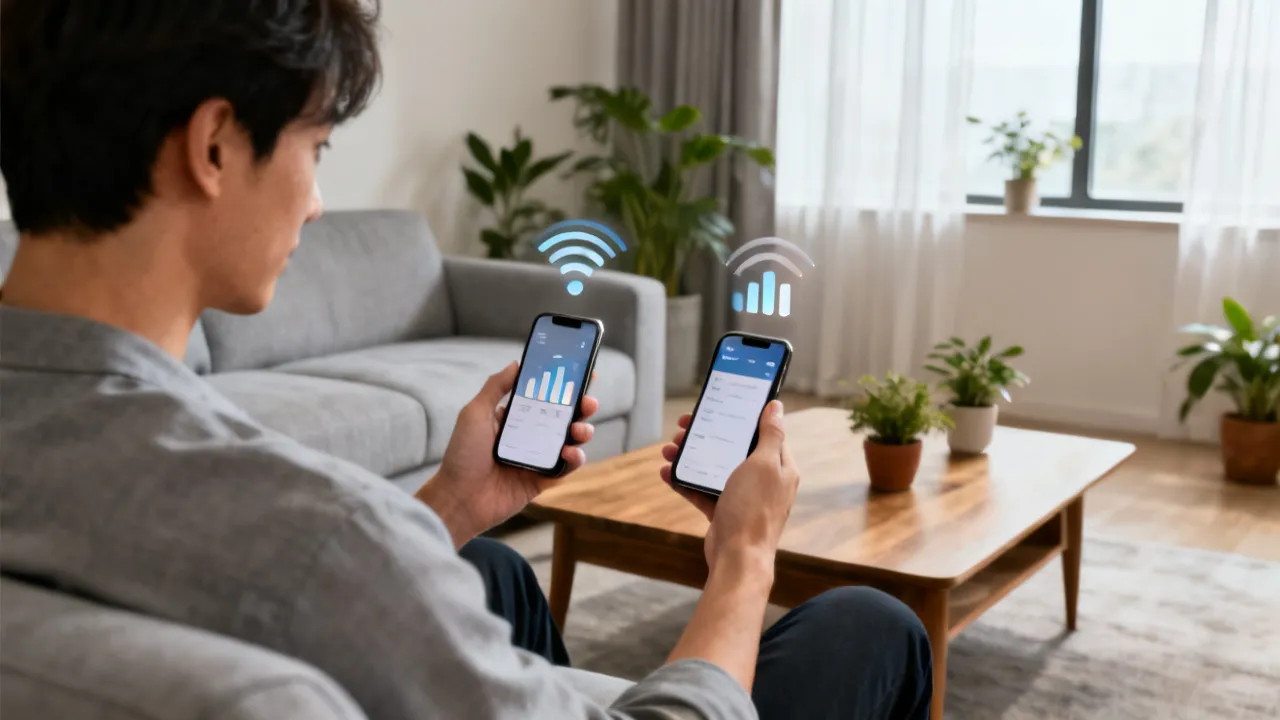
If you’re thinking, “I need a new phone,” the very practical first step is to confirm whether you qualify for a government-supported wireless program such as Lifeline (and, where available, ACP). This matters because eligibility determines whether you can receive an eligible device (often an Android smartphone) and service plan benefits through participating providers like SafeLink Wireless, Assurance Wireless, StandUp Wireless, Access Wireless, and True Wireless. In very cases, the process includes identity and eligibility verification, followed by enrollment instructions and device/service fulfillment.
From an industry perspective, these programs are designed to reduce the affordability barrier to connectivity, which can affect job searching, school participation, healthcare access, and two-factor authentication. In daily life, connectivity is often the bridge between “I can’t” and “I can”—for example, applying for jobs, signing up for classes, verifying appointments with a clinic, receiving medication reminders, and staying reachable during emergencies. When people say, “I need a new phone,” they’re not just describing a device problem; they’re describing a functional gap that can make it harder to work, learn, or receive services.
However, device availability, plan details, and upgrade options can vary by provider, state, and the specific benefit level associated with your enrollment. Even when programs are similar on paper, the lived experience can differ: some providers have a wider range of phone choices, while others focus on standard eligible models. Some offer BYOD (bring your own device) pathways, while others prioritize shipping an eligible phone. Some plans include more high-speed data than others, and some may throttle data after a threshold rather than providing consistent speeds.
Because of those variations, it helps to treat your purchase decision as a structured process rather than an impulse decision based solely on what phone model you hope to receive. The right approach is to start with eligibility and then evaluate providers and plan terms based on how you actually use a phone—data usage, coverage needs, and how important upgrades are to you.
Choosing a new phone through a government-supported pathway usually involves three linked decisions:
Because plan terms and device models can change, the goal is not to chase an exact handset spec from memory, but to select a provider and plan that align with your needs—especially around data usage, coverage, and upgrade options.
To make this more concrete, consider how different people use phones:
When the program benefits align with these needs, a phone can become a practical tool for stability rather than a periodic frustration. When they don’t, the phone may still be “eligible” but not “useful.” That’s why eligibility is only step one; after you confirm you qualify, you also want to choose a plan that meets your actual daily connectivity requirements.
In the U.S., the top-known programs that help make wireless service and devices more affordable include Lifeline and Affordable Connectivity Program (ACP). While program names and availability may differ over time and by eligibility status, the general structure is that eligible households receive discounted service, and participating providers may also offer an eligible smartphone.
When you ask, “How can I get a new phone if I’m cost-constrained?” you’re usually pointing to a Lifeline-type pathway plus, in some cases, an ACP-related benefit where applicable. Providers commonly require documentation and/or verification through an eligibility process. In practical terms, that verification can be as straightforward as submitting documents or as complex as resolving issues when names, addresses, or household details don’t match across records.
It’s important to recognize that “government-supported wireless” does not always mean the phone is completely free in every situation. Some programs focus on a discount to the service plan and may include a device offer, but the exact value depends on your circumstances, provider inventory, and the specific plan structure offered during enrollment. In some cases, you may be required to pay a small amount for accessories, shipping, or optional add-ons. The base benefit should be explained clearly during application or on the provider’s plan page, and you should read that information carefully before confirming.
Also, note that program rules have historically evolved over time. Eligibility criteria, documentation requirements, and the range of supported devices can change. Even if you applied previously and were approved, you may need to re-verify eligibility or update your documentation if your household situation changes.
The table below summarizes the participating providers and the kinds of services they commonly bundle as part of their government-supported wireless offerings. Additional packages (such as premium device upgrades or extra data) may cost extra depending on your selection and plan terms.
| Provider | Typical services included | Potential additional package costs |
|---|---|---|
| SafeLink Wireless | Government-supported smartphone options or BYOD; unlimited talk and text; data allowances (varies by plan/state) | Upgrades to premium devices or additional data (optional, if offered) |
| Assurance Wireless | Affordable/eligible Android smartphone options; unlimited talk and text; data allowances | Optional high-speed data expansions or add-ons such as international calling features |
| StandUp Wireless | Eligible smartphone or BYOD options; unlimited talk and text; data plans | Premium device upgrades or extra data packages (optional) |
| Access Wireless | Unlimited voice and text; limited high-speed data; benefits tied to Lifeline and ACP-type eligibility where applicable | Data boosts or device upgrades (optional add-ons) |
| True Wireless | Government-supported smartphone and voice/data service options | Upgrades to better devices or additional data plans (optional) |
Sources for the information in the table:
SafeLink Wireless: https://www.safelinkwireless.com
Assurance Wireless: https://www.assurancewireless.com
StandUp Wireless: https://standupwireless.com/
Access Wireless: https://www.accesswireless.com
True Wireless: https://www.gotruewireless.com/
Note: Service details and data allowances can vary by state and plan version, and device model availability is often contingent on inventory at the time of enrollment. That means even if two people in the same household qualify, the phone they receive could differ depending on what the provider has in stock. Some providers may also substitute equivalent models if a specific model is unavailable.
source: [www.safelinkwireless.com](www.safelinkwireless.com) [www.assurancewireless.com](www.assurancewireless.com) [standupwireless.com](standupwireless.com) [www.accesswireless.com](www.accesswireless.com) [www.gotruewireless.com](www.gotruewireless.com)
Because the best choice depends on your real usage, it can help to make a short list before you apply. For example:
Taking a moment to align your priorities with the plan structure can prevent disappointment later—especially when high-speed data is limited or when certain device models aren’t available at the time you enroll.
Eligibility for government-supported wireless programs is typically tied to either household income thresholds or enrollment in qualifying public assistance programs. Providers generally follow these categories:
Because policies and thresholds can be updated, always check the very current requirements on the provider’s official site before submitting your application. In addition to reading eligibility guidelines, pay attention to “verification” requirements: sometimes you qualify, but your application is delayed because the documents you submitted don’t match the required format, are incomplete, or are too old.
It also helps to prepare for potential “household” questions. Many eligibility systems ask about your household size and who counts as part of your household. If you live alone, your household may be smaller; if you share living expenses, certain individuals might count depending on the specific rules. If your household information doesn’t reflect what your documents show, eligibility determinations can stall.
Common items people may need include:
Different providers may accept different document types. Some applications are streamlined if you participate in certain programs, while others require more documentation. If you’ve recently moved, changed your name, or had updates to your benefits, it’s smart to double-check that your documents are current and consistent.
Very applicants follow a similar workflow across providers: apply online, verify eligibility, then wait for confirmation and device/service provisioning. Below is a generalized, provider-agnostic guide that reflects how these programs are usually administered. Even though each provider’s interface looks different, the core process is often similar.
Determine whether you are applying under Lifeline-type eligibility and whether you also meet requirements for ACP-related support (where applicable in your situation). If you’re not sure whether you’re eligible, start by locating the “check eligibility” tool on the provider’s website or gather documentation first so you can answer eligibility questions accurately.
Have information ready for identity verification and proof of eligibility (often documents related to income or program participation). Make sure the documents you provide meet the upload requirements—read file types, file size limits, and whether photos are acceptable. Keep images clear so reviewers can read names, dates, and other critical details.
Very providers allow online applications. Some may use a national verifier process for faster determination. If you need assistance, some providers have customer support lines, and community organizations may also help applicants complete forms. If you’re applying from a phone or library computer, consider using a stable connection to prevent upload timeouts.
Depending on the provider, you may need to upload documents for eligibility review. Keep files legible and complete to avoid delays. If your documents are in multiple pages or sections, upload them together or follow the provider’s requested format so the reviewer has the full context.
Once approved, you’ll receive instructions on next steps—such as how to activate service or how device delivery works. Read the instructions carefully, including timelines for shipment, activation, and any required steps to prevent service interruption.
If the provider supports device selection, review the options carefully. If BYOD is available, ensure your device is compatible with the provider’s network and plan rules. Compatibility can involve whether the device supports required network technologies and whether it’s unlocked. If your phone is locked to another carrier, BYOD may not work unless you unlock it first.
After fulfillment, follow activation steps and verify that data and messaging settings match your usage needs. You may receive instructions to insert a SIM card or activate through an online portal. After activation, test key functions: making a call, sending a text, and using data for a basic website or app login.
Because activation steps can be confusing for some users, consider writing down your activation instructions and any reference numbers you receive. If something doesn’t work after activation, you’ll likely need those details when you contact support.
Even when applicants do everything right, issues can arise. Understanding common challenges can help you troubleshoot quickly rather than losing weeks to back-and-forth.
If you run into an issue, it’s often helpful to ask the provider whether the problem is due to eligibility or technical activation. Those are different categories, and the resolution path differs.
The following requirements reflect commonly published criteria for Lifeline- and ACP-related eligibility and provider enrollment processes:
Practical note: Providers may use eligibility verification tools and may request updated documents, particularly if your documentation is older or if your household circumstances have changed. If you anticipate changes—like a new job, a new address, or a benefit update—consider completing your application with the most current documents available to avoid needing resubmission.
Another practical tip: double-check your contact details. If the provider cannot reach you via email or phone for verification, the approval could be delayed. Some application workflows depend on timely responses to verification messages.
When programs offer a smartphone or allow BYOD, “eligible” typically refers to devices and plan structures that meet program compatibility requirements. From a consumer standpoint, the very important implications are:
If you frequently stream video, attend virtual meetings, or upload large files, you may want to compare the data structure and any add-on options carefully before finalizing a provider. For example, some plans may allow video streaming at reduced speeds, which can affect resolution and playback stability. If you rely on telehealth visits, you may want to prioritize stable connectivity over trying to do everything on cellular data.
There’s also the question of device performance beyond the plan. Even if you receive an eligible smartphone, your experience depends on:
Many people focus solely on eligibility and forget the “quality of life” factors. Those factors can matter a lot—especially for seniors, people with accessibility needs, or anyone who uses their phone as a primary computing device.
Once you’re eligible, you can make choices that reduce frustration. Here are practical steps that can help you pick more confidently:
These tips may sound basic, but they address some of the most common reasons people feel disappointed after switching: low high-speed data, weak coverage in their specific location, and confusion about how throttle or boosts work.
As an industry analyst would advise, choosing among multiple participating providers should not be based solely on the idea of device acquisition. Consider the operational factors that affect daily usability:
Even if two providers offer similar plan features, coverage can differ by location. If you live or spend time in areas with weak service, verify signal reliability and data performance before relying on the plan as your only connectivity source. Coverage can differ even within a city—some neighborhoods have better indoor coverage while others rely on outdoor signal.
Practical way to test: before committing, if you can, check coverage in your home and usual destinations using carrier coverage maps or by asking others who live nearby about their experience. If your current phone works better on one network than another, that’s a clue—though you should still verify based on the specific provider’s network.
Unlimited messaging does not automatically mean unlimited high-speed data. Review whether high-speed data is capped, whether speeds change after reaching a limit, and whether boosts are available and at what cost.
From a consumer experience standpoint, “unlimited” can be misleading if you assume it means “always fast.” Many plans provide a certain amount of high-speed data and then reduce speeds afterward. That reduction might still allow basic web browsing and messaging, but it may limit video streaming quality and make some apps slower to load.
If you have frequent appointments or school tasks, you may prefer a plan that provides enough high-speed data to handle those tasks without constant throttling.
If BYOD is an option, it can preserve your hardware investment. However, compatibility depends on network requirements, supported bands, and device configuration. If you want to keep your current phone, confirm compatibility during the enrollment process rather than assuming it will work.
BYOD also includes practical concerns like whether your phone is unlocked. Many people purchase phones from a specific carrier and assume they can switch carriers easily. If your phone is locked, the BYOD pathway may be rejected. Additionally, some older phones may not support needed network technologies, even if they are unlocked.
If you’re unsure whether your device will work, consider requesting confirmation from the provider’s support before completing enrollment.
Some providers offer optional premium upgrades or extra data. The “base benefit” might be straightforward, but total value depends on whether you frequently need add-ons.
Think about your overall “cost of staying connected.” Total cost doesn’t only mean money; it includes time and inconvenience. If you frequently need extra data boosts and those require repeated steps or additional payments, the ongoing burden can be higher than expected. If a provider’s upgrade path is difficult to understand or difficult to process, that friction can reduce the value of the initial benefit.
It’s helpful to ask questions such as:
Device activation and plan adjustments can require support. Consider the provider’s support channels and typical response workflows to avoid delays in getting service fully working.
Good customer support matters most during activation. If you can’t make calls or send texts right away, you need fast help. If you have questions about APN settings, data provisioning, or device pairing, you want a provider that can resolve issues promptly.
When evaluating support quality, also consider:
Because phone service is time-sensitive, slow support can create missed opportunities—like being unable to confirm an appointment or respond to a job interview request.
Timing depends on approval speed, documentation review, and device availability. Many applicants apply online, complete verification, and then receive next-step instructions. Some providers may ship devices after approval; others may require activation steps before service fully begins. In practice, the timeline can vary widely—from a short period to several weeks—depending on how quickly eligibility is verified and what inventory is available for eligible devices.
If you need the phone urgently, consider applying as soon as possible and ensuring your uploaded documents are high quality and complete. If you have concerns about timing, check the provider’s website for typical processing timelines or contact support after submission.
Some providers support a BYOD pathway if your device is compatible. Compatibility requirements vary by provider, so confirm the device model status during application or from the provider’s compatibility guidance.
Before you choose BYOD, also consider whether your phone is unlocked, whether it supports the required network bands, and whether the device is in good working order (e.g., microphone and touchscreen functioning). If your phone has frequent hardware problems, you might lose more time dealing with repairs than you save by keeping it.
Unlimited talk and text are commonly included in government-supported wireless plans offered by major participating providers. However, you should verify plan language on the provider’s official page because plan versions can vary.
Even when talk/text is unlimited, data limits can significantly impact your ability to use phone functions that rely on data (like maps, app logins, and email). Always confirm both voice/text and data terms.
Eligibility is generally based on either income thresholds tied to federal poverty guidelines or participation in qualifying assistance programs (such as Medicaid or SNAP). Providers typically verify eligibility using approved documentation and verification tools.
If you’re eligible through an assistance program, the verification process can sometimes be simpler than income documentation. If you’re eligible through income, be prepared to provide pay stubs or other income documentation. If your income recently changed, you may need to submit updated documents.
While core benefits are linked to eligibility, optional upgrades—such as premium device upgrades or additional data packages—may involve extra charges. Review add-on terms during enrollment to avoid surprises.
Also consider potential indirect costs like spending time troubleshooting, replacing accessories (charger, cable), or paying for device unlocking if you need BYOD compatibility. Most of those are not always “required” by the program, but they can matter depending on your situation.
No. Approval depends on meeting eligibility requirements and on provider processing timelines. Even after approval, device availability can vary. The very reliable approach is to follow the provider’s instructions closely and check the official requirements.
To reduce uncertainty, read the provider’s terms on what happens if your first choice device is unavailable. Some providers may substitute a similar eligible device model. Others might give you the option to choose from available options later.
Denials can happen for various reasons—documentation issues, eligibility mismatches, or incomplete submissions. If your application is denied, the best next step is to review the specific reason provided by the provider (if you receive one) and gather corrected documents. Some providers allow reapplication after corrections, while others require a waiting period.
If you think you were eligible but the system rejected you due to a document mismatch, focus on resolving mismatched information (like spelling differences, address discrepancies, or outdated documents). If you’re not sure how to appeal, contact the provider’s support or seek help from a local assistance organization.
In many cases, you can keep your existing phone number during the switch, depending on provider policies and activation steps. However, the rules vary by provider and by whether you’re switching SIMs or using BYOD. The enrollment confirmation typically includes instructions about number portability.
To protect your number, confirm number transfer/porting steps before activation. If you’re concerned about losing service during the transition, ask support how to coordinate the switch to minimize downtime.
After activation, test a few key functions:
If data doesn’t work, the provider may need to reprovision your account, or you may need to confirm APN settings. Support can walk you through the correct steps for your device type.
Benefits typically continue as long as you remain eligible and comply with any recertification requirements. Some programs require periodic eligibility re-verification. If your household situation changes—like income changes or benefit enrollment changes—you may need to update your information.
To avoid service interruption, pay attention to recertification reminders and update contact information if it changes. If the provider cannot reach you for re-verification, it may lead to a lapse.
For background on Lifeline program administration and federal connectivity support structures, consult official government resources and the program’s administering bodies. Provider sites also publish application requirements and plan terms.
Because rules and plan versions can change, it’s essential to rely on the provider’s official documentation for the most current details. While general guidance is helpful for understanding the process, final eligibility criteria and plan features should always be confirmed on the official website.
If you want to research beyond the provider pages, consider searching for current guidance from official entities that administer Lifeline and connectivity programs, plus FCC-related updates. Also check local non-profit organizations that assist with applications and digital access.
1). The above information comes from online resources, and the data is as of October 2023.
2). This website cannot guarantee that applicants will definitely get a government affordable phone. For specific application requirements and how to obtain it, please refer to the official requirements of the provider. This website will not be updated in real time.
Reference links:
[www.safelinkwireless.com](www.safelinkwireless.com)
[www.assurancewireless.com](www.assurancewireless.com)
[standupwireless.com](standupwireless.com)
[www.accesswireless.com](www.accesswireless.com)
[www.gotruewireless.com](www.gotruewireless.com)
All links appearing in the article:
[www.safelinkwireless.com](www.safelinkwireless.com), [www.assurancewireless.com](www.assurancewireless.com), [standupwireless.com](standupwireless.com), [www.accesswireless.com](www.accesswireless.com), [www.gotruewireless.com](www.gotruewireless.com)
Striking the Perfect Balance: Navigating Premiums and Out-of-Pocket Expenses in Senior Insurance Plans

Explore the Tranquil Bliss of Idyllic Rural Retreats

How to Make Lasting Memories at Disneyland Attractions

4rkojvsx Technology: Industry Insights and Buying Guide
Affordable Phones and Plans for Seniors

Affordable Full Mouth Dental Implants Near You

Unlock the Top Kept Secrets to Finding Your Ideal Dentist for Flawless Dental Implant Results!

Discovering Springdale Estates

Unveiling RS Sul Telecom Services

Affordable Phones and Plans for Seniors
Discover the top deals on new phones and plans tailored for seniors, including discounts on 5G technology and unsold models.
Affordable Cell Phones Without Plans
Discover affordable cell phones for sale without plans, exclusive discounts for seniors, and tailored mobile plan options in your area.

Navigating Government Phone Programs
This guide provides an expert analysis of government-supported phone programs for eligible individuals, offering insights into available providers and their services. Affordable phones are often a necessity for individuals under economic constraints, aiding in communication, job searches, and access to emergency services. The article delves into eligibility criteria, application processes, and compares popular service providers in various regions.
Unlocking the Top Cell Phone Deals
Discover unbeatable cell phone discounts, plans, and offers for seniors and iPhone enthusiasts without contracts.
Navigating Affordable Phone Offers
Discover the essential details about government-assisted phone programs aimed at providing budget-friendly devices to eligible individuals. These programs offer complementary mobile phones and services to qualified beneficiaries, ensuring connectivity at minimal expense. This guide breaks down how to access such benefits and what conditions apply.
How to Apply for a Affordable Phone
This guide provides insights on how to apply for a affordable phone through government-sponsored programs. Understanding how these programs operate and their eligibility requirements is essential. These initiatives aim to support individuals in low-income households or those enrolled in specified government assistance programs by providing basic communication tools.