This guide explores the fascinating lives of hornets, noted for their complex societies and pivotal roles in ecosystems. These insects, often misunderstood, exhibit behaviors that contribute to ecological balance and offer insights into social insect dynamics. Understanding hornets sheds light on their ecological importance, pest control potential, and the biological marvels they represent.
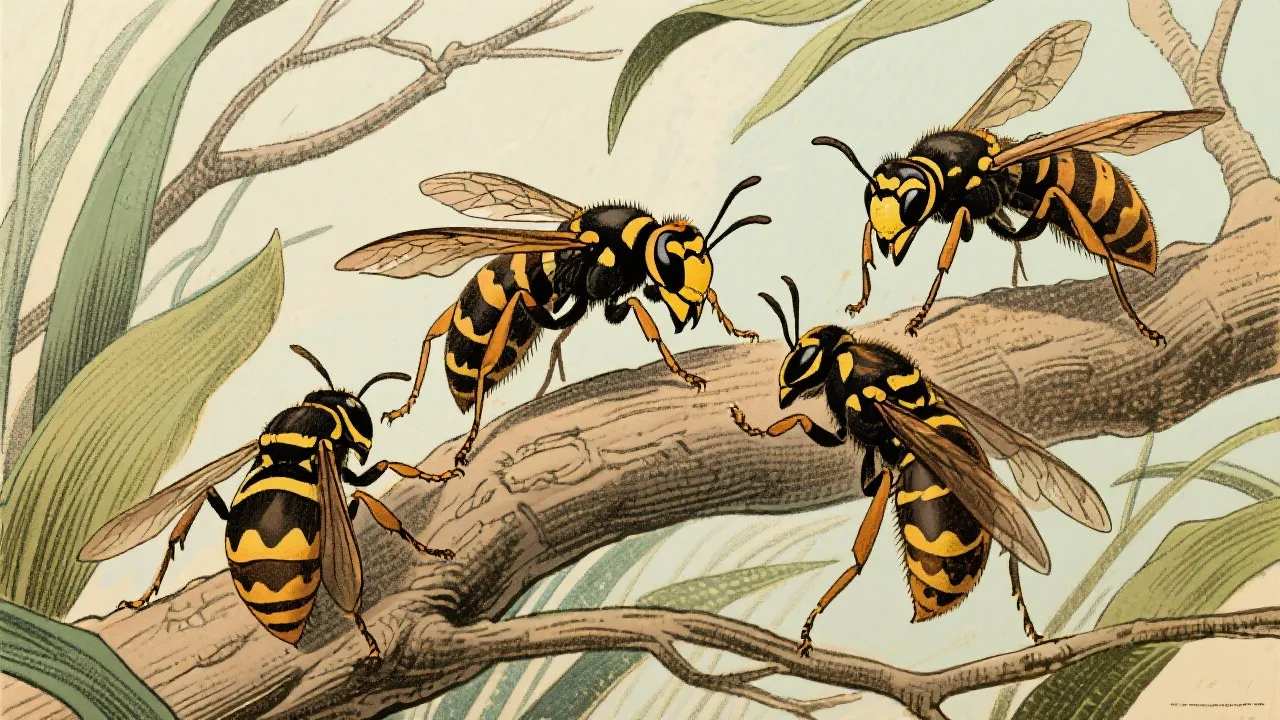
Hornets are large, social wasps known for their aggression and distinct role within ecosystems. As key predators, hornets help control pest populations, making them integral to environmental balance. Despite their intimidating nature, hornets exhibit fascinating social structures and behaviors critical to their survival and interaction with humans. Their presence in various ecosystems underscores their importance in maintaining the delicate balance of nature, serving as both predator and prey in numerous food webs.
The biology of hornets is a captivating subject for entomologists and ecologists alike. These insects are part of the Vespidae family, distinguished by their robust form and ability to build large, complex nests out of chewed wood fibers mixed with saliva. They are predominantly found in the Northern Hemisphere and are renowned for their social behavior and highly organized colonies. Specifically, their nests can be found in various habitats, ranging from forests to urban areas, highlighting their adaptability and resourcefulness.
Hornets play an indispensable role in ecosystem functioning as they are predators of many pest insects, thus maintaining the ecological balance. Their predatory nature aids in the natural control of garden and agricultural pests, offering a natural alternative to chemical insecticides. This biological control contributes to the health of crops and natural vegetation. For instance, by preying on harmful pests such as caterpillars and aphids, hornets help ensure that these populations do not explode to levels that could damage ecosystems or agricultural yields. Understanding their behavior and lifecycle is crucial for appreciating how hornets contribute to biodiversity and pest management, serving as a key element in sustainable agriculture practices.
The lifecycle of a hornet begins with the queen, who emerges in spring after hibernation to start a new colony. She lays eggs which develop into workers, who then take over the role of expanding the nest and foraging for food. This division of labor is essential for the colony's success. Hornet nests are dynamic structures, often built in secluded areas, including tree branches, attics, or man-made structures. The construction process is impressive, showcasing the hornet's ability to combine natural materials into a functional habitat that can protect against various environmental threats.
The social structure within a hornet colony is highly organized, with a strict division of roles among the queen, workers, and drones. This hierarchy ensures the efficiency of their social and biological functions, with workers managing tasks such as foraging, caring for larvae, and defending the nest. The queen's primary role is reproductive, and she relinquishes other tasks to ensure that the colony's needs are met. Workers demonstrate remarkable skills in communication and cooperation, often using pheromones and physical cues to coordinate their activities, which enhances the survival of the colony.
| Hornet Type | Description |
|---|---|
| European Hornet | Known for its large size and distinctive yellow and black coloration. Found primarily in Europe and some parts of the United States, it is recognized by its size and unique markings. |
| Asian Giant Hornet | The largest hornet species, native to Asia, notorious for its potent sting and significant role in regional ecosystems. Its size can reach up to 5 centimeters in length, making it a remarkable specimen. |
| Bald-Faced Hornet | This species is generally black with white markings and is particularly aggressive. They are known for their distinctive aerial nests, which they build high in trees. |
| Queen Hornet | Distinct during the breeding season, the queen can be identified by her larger size compared to workers and her role in establishing and maintaining the colony. |
Hornets are not just important as predators; they provide a range of ecosystem services that are vital to human agriculture and natural environments. As pollinators, hornets contribute to the reproduction of many plant species, aiding in the fertilization processes that lead to fruit and seed production. Their foraging patterns inadvertently support the growth of various crops, which can boost agricultural yields and promote biodiversity in the plant community.
Additionally, hornets help in nutrient cycling. As they prey on other insects and break down organic matter through their feeding behaviors, they contribute to nutrient turnover in the soil. This cycle supports plant growth and health, making hornets key players in maintaining soil fertility. Their presence can lead to more robust plant communities, which in turn offer habitats to other wildlife.
Moreover, hornets are an integral part of the food chain. They serve as prey for many animals, including birds, mammals, and other insects. The loss of hornets from an ecosystem can lead to imbalances, as their predators would need to find alternative food sources, leading to potential disruptions in local biodiversity.
While hornets are often feared for their aggressive behavior and painful stings, they generally avoid human interaction unless provoked. In agriculture, they are valued for their pest control capabilities, reducing the need for pesticides. However, hornet nests near human habitation can pose risks, and understanding their ecology can help mitigate potential conflicts. Awareness of hornet behavior, for instance, can prevent unnecessary encounters. It is crucial to understand that hornets tend to defend their nests aggressively, particularly during late summer when their colonies are at max capacity.
Many communities benefit from educational programs focused on hornet biology and ecology, aiming to reduce fear and promote coexistence. Such initiatives can empower people with knowledge about the benefits of hornets, including their roles as pest controllers and pollinators, making it clear that they are not inherently harmful but rather an essential part of our natural world.
Effective management of hornet populations involves a combination of public education, habitat modification, and, when necessary, professional removal services. Awareness campaigns can help people understand the ecological benefits of hornets and reduce unnecessary fear. In cases where hornets pose a direct threat, professional removal is recommended to ensure safety.
Community approaches to managing hornets include creating hornet-friendly zones where these insects can thrive without posing threats to people. Additionally, planting native plants can encourage a healthy balance of predator and prey species, promoting biodiversity while maintaining natural harmony in ecosystems. Other strategies include removing food sources and nesting sites that can attract hornets to urban areas.
When dealing with hornet nests, it is vital to approach the situation with caution. Homeowners are advised to observe nests from a safe distance and avoid disturbing the hornets unless absolutely necessary. If a nest poses a threat, contacting pest control professionals who understand species-specific behaviors and removal methods is the safest approach. These experts can provide the best practices for safely removing hornet nests without harming the insects or causing unnecessary panic.
In conclusion, hornets, with their complex societies and ecological importance, offer valuable insights into the natural world. They serve as both predators and contributors to ecosystem health, highlighting the intricate relationships within ecosystems. While they may be feared, understanding their role and behavior can foster a more informed appreciation of these remarkable insects. As we learn to coexist with hornets and other wildlife, we can cultivate a greater respect for the biodiversity that enriches our environment. Through education, management, and an appreciation of their ecological services, we can ensure that hornets continue to thrive as crucial components of our natural world.
Striking the Perfect Balance: Navigating Premiums and Out-of-Pocket Expenses in Senior Insurance Plans

Explore the Tranquil Bliss of Idyllic Rural Retreats

How to Make Lasting Memories at Disneyland Attractions

Affordable Phones and Plans for Seniors

Affordable Full Mouth Dental Implants Near You

Unlock the Top Kept Secrets to Finding Your Ideal Dentist for Flawless Dental Implant Results!

Discovering Springdale Estates

The Guide to Car Trading

Affordable Cell Phones Without Plans


The Captivating World of Bbdu Murals
Bbdu Murals transform urban landscapes into immersive art pieces, resonating with cultural history and modern artistry. This article explores the significance and impact of Bbdu Murals on contemporary art and urban communities, showcasing their role in cultural preservation and community engagement. Learn about the intricacies influencing their design and public perception in a vibrant artistic journey.

Unveiling the Splendys Luxury
Discover the world of "Splendys," where exceptional quality meets opulent design. "Splendys" represents a pinnacle of elegance in home textiles, focusing on luxurious bedding with uncompromising attention to detail. This article explores its craftsmanship, diverse offerings, and tips on selecting the perfect "Splendys" product to transform your bedroom into an oasis of comfort.

Discovering Code 30421434 Insights
This article delves into the enigmatic world of the code "30421434," unraveling its significance across various domains. Analysis is grounded in factual research, as we explore the myriad interpretations and contexts in which code 30421434 features. Our detailed examination offers clarity, guiding readers through complex data and decoding the truth behind this string of numbers.

Understanding Logistics: A Key Factor
The term logistics encompasses the overall management of the movement of goods seamlessly from one point to another. This process involves planning, implementation, and managing efficient, cost-effective flow of raw materials, in-process inventory, finished goods, and related information from point of origin to point of consumption. A closer examination of the logistics process reveals the complexity and significance of smooth operations in today's competitive market.

The Artistry of Paula Ferlov
This article delves into the artistic journey of Paula Ferlov, a notable figure in contemporary art, exploring her unique style and influence. Paula Ferlov has crafted a legacy marked by her innovative approach and impactful works in various artistic mediums. Her art reflects a deep understanding of modern themes blended with classical techniques, positioning her as a pivotal figure in today's art scene.

Patriani: An Expert Insight
This article delves into the world of Patriani, a notable name in the field of musical instruments, offering a deep understanding of its origin, craftsmanship, and impact on music enthusiasts. It discusses the brand's commitment to quality, innovation, and the influence it holds among musicians worldwide.
