Cami, the Turkish term for mosque, embodies a blend of cultural, historical, and religious significance reflected in its architecture and community role. These structures, adorned with intricate designs and towering minarets, serve not only as places of worship but also as cultural centers that foster a sense of community and social cohesion. This article delves into the architectural marvels of cami and their impact on local communities.
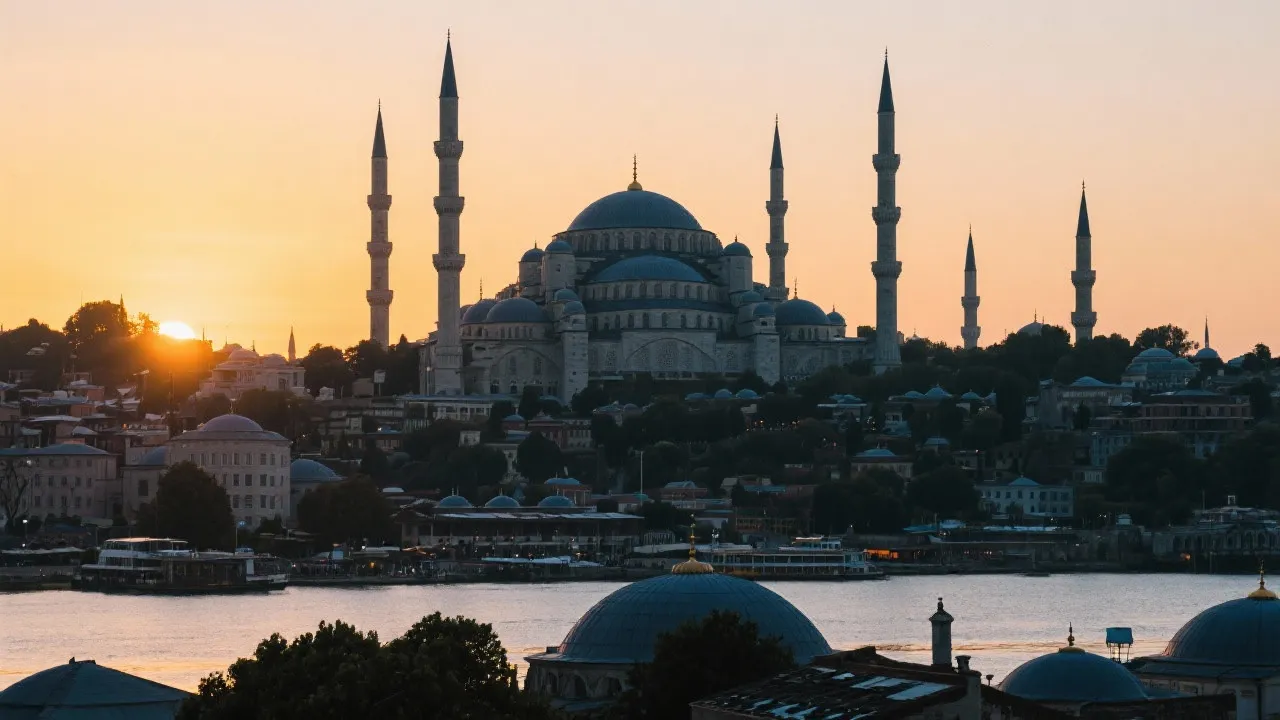
The term "cami," translating to "mosque" in Turkish, encompasses more than a place for religious observance; it represents a nexus where architectural splendor meets cultural tradition. These structures are often distinguished by their expansive domes, slender minarets, and intricate calligraphy that adorn the interiors. Known for their serene beauty and historical gravitas, cami often become focal points in their neighborhoods, drawing both worshippers and architectural enthusiasts alike. The architectural nuances of cami reveal rich stories of the cultures that built them, reflecting not only the era and materials used but also the societal values and aspirations of the communities they serve.
The origin of cami architecture can be traced back to the rise of the Islamic Empire, whose expansion influenced various regions, resulting in a rich tapestry of architectural traditions. The need for communal places of worship created an impetus for the development of grandiose structures designed to inspire both reverence and community gathering. These buildings often embody the height of engineering ingenuity, as their vast domes symbolize the heavens while their intricate designs reflect Islamic artistic philosophies.
Notable for their unique synthesis of architectural styles, cami integrate Byzantine dome construction with Persian ornamental embellishments. The iconic domes of cami, often appearing to float due to their lofty construction, reflect the rich influence of the Byzantine Empire. Turkish architects drew inspiration from Byzantine churches, employing similar dome techniques but adapting them to fit Islamic worship needs. This integration is particularly evident in structures like the Hagia Sophia, initially a church before its conversion into a mosque. The transformation of Hagia Sophia into a cami symbolized the cultural and religious shifts occurring throughout the region.
Further contributing to the richness of cami architecture is the Ottoman Empire's own unique style, marked by elegant mihraps (prayer niches) and minbars (pulpits). The mihrap is intricately designed, often serving as a focal point within the mosque, symbolizing the direction in which Muslim worshippers face during prayers. Similarly, the minbar, from which the imam delivers sermons, is a key feature that displays artistic flourishes, often accompanied by beautifully carved wooden details or stonework. The evolution of cami architecture is not just about aesthetics; it reflects the deep historical layers of Islamic civilization itself.
Among the very renowned cami, the Sultan Ahmed Mosque, popularly known as the Blue Mosque, stands as a testament to Ottoman architectural grandeur in Istanbul. Its mesmerizing blue tiles, giving the mosque its name, reflect the stunning craftsmanship and attention to detail that characterizes Ottoman architecture. The mosque features six towering minarets, a rarity that fosters its iconic status, especially when viewed against the backdrop of Istanbul’s historical skyline. Complementing it is the Süleymaniye Mosque, another exemplar of sophisticated Ottoman design that sits majestically on one of Istanbul's seven hills, offering breathtaking views of the Bosphorus. Built under the auspices of the great Sultan Suleiman the Magnificent, it is a masterpiece that incorporates not only a mosque but also schools, a hospital, and even a library, showcasing the multi-functional role that cami once served.
The design of the Süleymaniye Mosque merges spirituality with practicality, achieving an architectural balance that has inspired generations of architects and artists. The mosque's grand dome, approximately 53 meters high, creates an awe-inspiring internal space that encourages worshippers to feel connected both to their faith and to the divine. Both landmarks attract myriad visitors, forming an essential part of Istanbul’s historical and cultural tapestry. They are not merely attractions; they invite individuals to reflect on the profound and enduring influence of Islamic culture on urban landscapes.
Beyond their architectural significance, cami play a pivotal role in community life. Within their walls, they provide an essential space for religious observance, educational programs, charity events, and interfaith dialogues that enhance community engagement and understanding. Cami often serve as educational hubs where religious teachings, Arabic language classes, and discussions on community issues take place. This educational aspect is vital in preserving the continuity of cultural heritage and passing it on to future generations.
In rural areas, cami often become the epicenter of social interaction and community development initiatives, fostering a spirit of unity and collective well-being. They frequently serve as venues for important life events, such as weddings, funerals, and celebrations of religious holidays, reinforcing communal bonds and cultural traditions. Beyond spiritual gatherings, cami also host social services that support vulnerable community members, such as providing food during times of economic hardship or distributing aid during crises. In essence, cami extend their influence beyond the spiritual realm, weaving themselves into the very fabric of local communities.
In urban settings, the role of cami has evolved, facing the challenges of modernization while striving to remain relevant. They often engage in interfaith dialogues, promoting peace and understanding among diverse religious communities. Such initiatives underscore the adaptability of cami within contemporary society, showing that their role is not diminished but rather evolved to meet the complexities of modern life. Through community outreach programs and partnerships with local organizations, cami emerge as bridges connecting diverse cultures, encouraging a spirit of cooperation in increasingly fragmented urban environments.
The structural elements of a cami are meticulously designed to cater to the specific needs of worshippers while symbolizing core Islamic beliefs. Each component, from the dome to the minarets, carries significant meaning and reflects a combination of functionality and artistry.
The dome, a hallmark of cami architecture, symbolizes the vault of heaven. Dome construction evolved through different historical phases, initially using materials like brick and stone before advancing to greater structural complexity involving reinforced cement. The dome’s design not only serves to amplify sound during prayers but also enhances the spiritual ambiance of the mosque, providing a sense of unity among worshippers. Large, open interiors beneath the dome create a communal space that emphasizes the collective nature of worship in Islam.
Minarets serve a dual purpose of being functional and iconic. Traditionally, they are used for the call to prayer (adhan), reaching out to the community and inviting them to congregate. Architecturally, minarets vary in height and design, reflecting the individuality of each cami. The slender forms ascend towards the sky, guiding both the eye and spirit upward, embodying a sense of elevation towards the divine. The intricate geometric patterns often found on minarets showcase the artistic expression within Islamic art, where such designs convey a deep sense of spirituality while adhering to aesthetic principles.
Other significant architectural elements include the courtyard, which often precedes the main entrance of the mosque. The courtyard serves as a gathering space for worshippers and is usually surrounded by an arcade of columns or arches. This space fosters a sense of community and provides areas for quiet reflection before entering the sanctuary. Additionally, the use of light and shadow within mosques plays a critical role in enhancing the spiritual experience. Strategically placed windows allow natural light to pour in, creating dynamic patterns that change throughout the day, symbolizing the ever-present nature of divine guidance.
| Cami | Location | Architectural Style | Key Features |
|---|---|---|---|
| Blue Mosque | Istanbul | Ottoman | Six minarets, blue Iznik tiles, large courtyard, extensive mosaics |
| Süleymaniye Mosque | Istanbul | Ottoman Imperial | Complex with schools and baths, dominant skyline, large dome |
| Al-Aqsa Mosque | Jerusalem | Umayyad | Golden Dome of the Rock, major religious significance, beautiful mosaics |
| Great Mosque of Samarra | Iraq | Abbassid | Spiral minaret, historical significance, unique architectural elements |
| Shah Jahan Mosque | Thatta, Pakistan | Mughal | Intricate tile work, elaborate prayer hall, one of the earliest mosques in the region |
| King Abdulaziz Mosque | Faisalabad, Pakistan | Modern Islamic architecture | Unique design, use of contemporary materials, large capacity for prayers |
In Islam, cami are designed to facilitate community worship, often featuring a mihrab that indicates the direction of Mecca, and minarets for the call to prayer, emphasizing community and unity. The aesthetics and layouts of cami are not merely ornamental; they reflect a deep understanding of the spiritual and community needs of the faithful.
Islamic calligraphy is a prominent art form in cami, used to convey religious texts and teachings, enhancing spiritual contemplation while adhering to the prohibition of figurative imagery. Calligraphy often illustrates verses from the Quran, transformed into art that communicates beauty and devotion, serving as an important visual element alongside the structure itself.
Cami often serve as architectural anchors within urban environments, fostering communal identity and cultural continuity amidst evolving urban settings. They mark historical significance and provide a physical space that reflects the community's cultural heritage. Additionally, they offer green spaces and areas for reflection, contributing to the broader social health of urban areas.
Cami are not merely places of worship; they are sites of cultural exchange where diverse communities can come together. In areas where different cultures meet, cami serve as venues for interfaith dialogues and initiatives that promote mutual understanding, respect, and cooperation among varying religious groups.
Cami represent a remarkable fusion of faith, art, and community, with each structure bearing unique stories of cultural heritage and architectural innovation. As places of worship and community hubs, they continue to be indispensable to both the cultural landscape and the social fabric of the areas they serve. The exploration of cami architecture is thus not merely a study of buildings, but an appreciation of their profound impact on societal evolution. Through intricate design, community involvement, and cultural significance, cami illustrate the dynamic relationship between faith and architecture, standing as enduring testaments to the creativity and spirituality of human experience across centuries.
Exploring cami architecture encourages a deeper understanding of the intricate ties between community identity and religious practice. Their rich historical contexts and the diverse styles embody the cultural narratives that shape societies. Future generations can continue to discover the beauty of these structures, ensuring their stories and cultural significance endure. As urban landscapes evolve, the presence of cami will undoubtedly remind us of the values of inclusivity, interconnectedness, and community resilience that are integral to the human experience.
Striking the Perfect Balance: Navigating Premiums and Out-of-Pocket Expenses in Senior Insurance Plans

Explore the Tranquil Bliss of Idyllic Rural Retreats

How to Make Lasting Memories at Disneyland Attractions
Affordable Phones and Plans for Seniors

Affordable Full Mouth Dental Implants Near You

Unlock the Top Kept Secrets to Finding Your Ideal Dentist for Flawless Dental Implant Results!

Discovering Springdale Estates

The Guide to Car Trading

Affordable Cell Phones Without Plans


Understanding Compliance and AML Strategies
This article delves into the intricate realm of Compliance and Anti-Money Laundering (AML) strategies, highlighting their significance in the corporate world. Compliance AML refers to the organizational adherence to legal standards and regulations to deter financial crimes, ensuring transparent and ethical financial practices. This comprehensive guide examines these strategies' complexities and their pivotal role in safeguarding economic integrity.

Exploring B2B MBA Opportunities
Dive into the dynamic world of B2B MBA programs, designed for professionals seeking to enhance their strategic and management skills in a business-to-business context. This comprehensive guide discusses the significance of B2B MBAs in today's market, highlighting how these programs equip leaders with the expertise to navigate complex B2B relationships and drive business success.

Understanding Whitewater Regenerative Blowers
Whitewater Regenerative Blowers are essential in various industrial applications for their efficiency in moving air and gases. These blowers are known for their durability and ability to operate continuously, making them a preferred choice for industries ranging from wastewater treatment to aquaculture. This article explores their features, benefits, and applications, offering readers a comprehensive understanding of their importance in modern industry.

Mastering Employee Retention Strategies
Employee retention has become a critical aspect of organizational success, particularly in the dynamic landscape of 2020. As businesses strive to maintain a stable and productive workforce, understanding effective retention strategies is essential. This article delves into key methods for enhancing employee satisfaction and retention, offering a comprehensive guide for HR professionals and business leaders alike.

Discover the Allure of Splendys
Splendys stands as a beacon of innovation and style within the consumer goods sector. Known for their commitment to quality and style, Splendys products range from luxury apparel to sophisticated home decor with a modern twist. Their unique offerings cater to discerning customers seeking both function and aesthetics, positioning Splendys at the forefront of contemporary design excellence.

Understanding Headhunter Ti Services
This guide delves into the role and effectiveness of Headhunter Ti in the recruitment industry. Headhunters are specialized recruitment professionals who seek out top talent for specific job roles, often for high-level or specialized positions. This article provides an in-depth analysis of how Headhunter Ti operates, its benefits to organizations, and what candidates can expect when engaging with such services.
