This article delves into the Cameron & Quinn framework, a prominent model used in organizational culture studies. Developed by Kim S. Cameron and Robert E. Quinn, this framework categorizes organizational cultures into four types: Clan, Adhocracy, Market, and Hierarchy. By understanding these archetypes, businesses can better align their strategies with their cultural strengths and weaknesses.
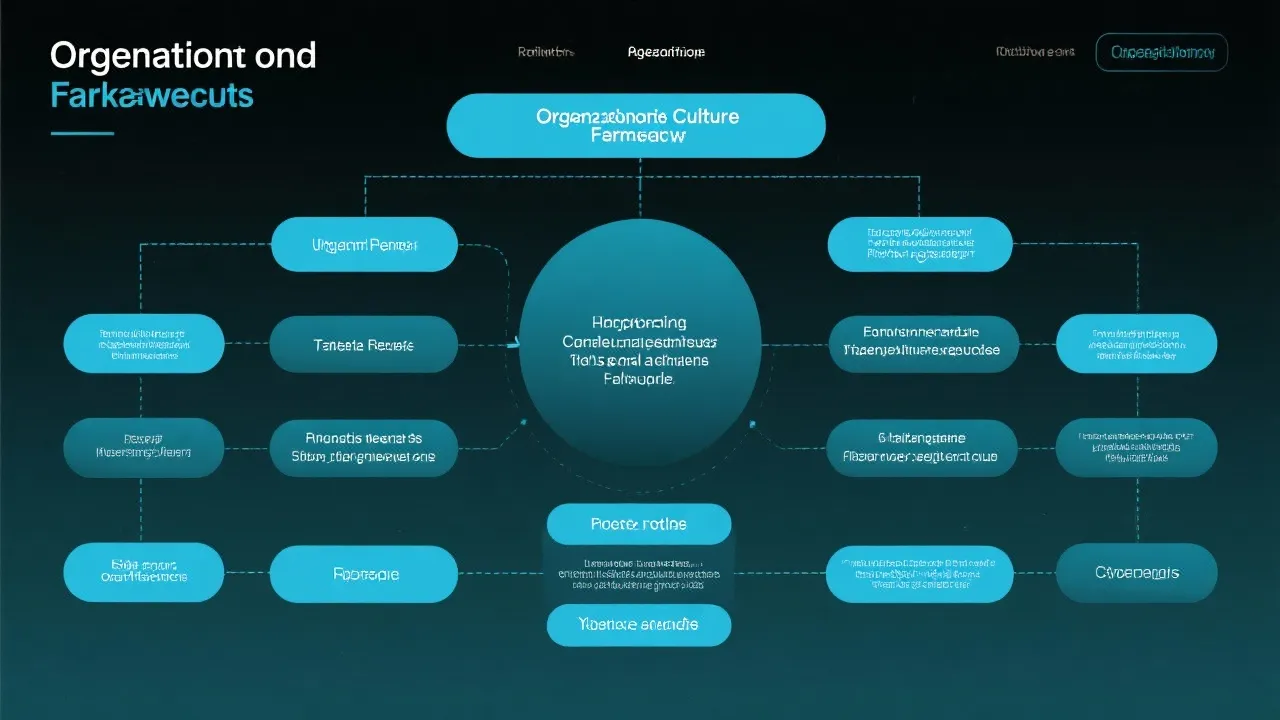
The Cameron & Quinn framework, an integral tool in assessing organizational culture, serves as a pivotal model for understanding and navigating the varied cultural dynamics within an organization. Devised by academics Kim S. Cameron and Robert E. Quinn, the model is built around the Competing Values Framework (CVF), which classifies organizational environments into four distinct categories: Clan, Adhocracy, Market, and Hierarchy. Each cultural type carries unique characteristics influencing strategy, communication, and effectiveness in organizations.
Organizational culture is often defined as the implicit beliefs, rules, and social norms that guide the behavior of individuals within a company. It forms the essence of how an organization's members interact, make decisions, and solve problems. Understanding these cultural nuances is critical for leaders aiming to harness potential operational efficiencies and foster a conducive atmosphere for growth and innovation.
The concept of organizational culture extends beyond mere day-to-day operations. It resonates deeply with how organizations respond to external pressures, maintain internal cohesion, and adapt to changes over time. A strong organizational culture acts as a lighthouse, guiding employees through challenges and providing a sense of identity and purpose. Leaders who appreciate the intrinsic value of culture can craft strategies that align corporate goals with employee engagement and satisfaction.
The Competing Values Framework, conceived in the early 1980s, serves as the underpinning for the Cameron & Quinn model. This framework excels in assessing organizational effectiveness by balancing competing demands. These demands fall along two dimensions: flexibility vs. control and internal focus vs. external focus. These dimensions intersect to form four quadrants representing the cultural archetypes.
The significance of the Competing Values Framework lies in its utility for organizations aiming for a balance between competing priorities. For example, one might consider how a company can remain flexible without sacrificing control. This tension forms the essence of many strategic conflicts within organizations, making the CVF an invaluable tool for leaders seeking to navigate complex environments.
Clan culture emphasizes a familial or team-oriented environment. It thrives on participative organizational behavior and places a high value on mentorship, nurturing, and mutual trust. Companies embodying this culture focus on the development of human resources and prioritize collaboration over competition. Organizations with a strong Clan culture often exhibit high levels of employee engagement, low turnover rates, and strong interdepartmental relationships. This cultural type is especially beneficial in industries that require innovation driven by teamwork, such as technology or creative industries.
In a practical context, this could mean introducing mentorship programs, team-building retreats, and open-door policies that encourage feedback from all levels. Companies like Google have integrated aspects of Clan culture to foster innovation and loyalty among employees, demonstrating how a community-oriented approach can yield substantial competitive advantages.
Organizations adhering to Adhocracy culture prioritize creativity and innovation. These companies are dynamic and nimble, encouraging experimentation and individual initiative. They often excel in environments that demand rapid adaptation and risk-taking. The emphasis on innovation fosters a workplace where employees feel empowered to propose new ideas and challenge the status quo. Adhocracy cultures are typical in high-tech firms or startups, where swift and frequent adaptations are necessary to meet market demands.
Fostering an Adhocracy culture involves creating policies that allow for flexibility in job roles, encouraging employees to take risks without the fear of punitive consequences, and recognizing innovative achievements publicly. For example, companies like Facebook invest in hackathons where employees can explore projects outside of their regular duties, resulting in novel products and services. This method exemplifies how an organization can embrace the principles of Adhocracy to maintain a competitive edge.
Market culture is characterized by goals and targets. This cultural type is results-oriented, with leaders who are tough and demanding. Organizations in this quadrant strive for competitive advantage, focusing on productivity and goal achievement. In a Market-oriented culture, performance metrics drive decisions, often leading to high-pressure environments where outcomes are the primary focus. This cultural type is prevalent in sales-driven industries where results define success.
To thrive within a Market culture, leaders often implement strict performance evaluations and emphasize achievements in terms of market share or profitability. Companies such as General Electric exemplify this culture, setting rigorous performance standards and fostering a competitive spirit among employees to ensure they meet strategic targets. However, it is essential to balance this drive for results with employee well-being to prevent burnout and foster long-term sustainability.
The Hierarchy culture is structured and controlled. It draws its strength from internal processes, seeking stability and efficiency through well-defined organizational architecture and rules. Organizations employing this culture tend to be formal, with clear lines of authority ensuring smooth operations. Hierarchy is often present in governmental institutions and large corporations where compliance and efficiency are paramount, ensuring adherence to protocols and regulations.
Within a Hierarchical culture, communication tends to flow from the top down, and employees are generally expected to follow established procedures. While this can lead to consistency and predictability, it can also stifle creativity and slow decision-making processes. Companies like IBM have historically illustrated this model, promoting a clear chain of command that supports their complex, global operations. A potential area for improvement in Hierarchy cultures is to adapt and incorporate more agile methodologies that allow for quicker responses to changes in the market.
Incorporating the insights from the Cameron & Quinn model enables organizations to comprehensively audit and realign their strategies to match their cultural predispositions. For instance, a company identified with a Clan culture may lean towards strategies favoring employee engagement and team-building rather than aggressive market competition. This not only ensures higher employee retention but also fosters a positive work environment conducive to collaboration and innovative thinking.
Successful cultural realignment often requires thorough assessments and an understanding of both external and internal pressures. Companies need to consider market demands, customer expectations, and technological changes when re-evaluating strategies. For example, a Hierarchy culture might need to implement Agile methodologies to respond more effectively to customer feedback and evolving market conditions. This shift requires careful communication and involvement from all employees to embrace the change seamlessly.
The process of evaluating organizational culture using the Cameron & Quinn framework involves structured surveys and subsequent analysis. These surveys help in identifying cultural strengths and areas that may require change. By objectively appraising their cultural alignment, companies can formulate strategies that bolster their cultural framework, enhancing overall organizational performance.
Implementing a cultural assessment can sometimes be met with resistance. Employees may fear the exposure of flaws in the organizational culture or the potential for negative consequences. Thus, conducting these assessments transparently and emphasizing their value for improvement is essential. Companies should frame these initiatives as opportunities for growth rather than punitive evaluations. Armed with tangible data, leaders can make informed decisions about needed cultural changes and drive critical initiatives.
Consider a hypothetical corporation transitioning from a Hierarchy to a more dynamic Adhocracy due to changes in industry demands. Through cultural assessment, the leadership might focus on empowering teams, investing in creative infrastructures, and incentivizing innovation. Such a deliberate pivot can facilitate the adoption of new methods, propelling the organization toward future readiness.
For instance, let’s explore a technology firm named TechWave that traditionally operated under a Hierarchy culture, characterized by strict protocols and a rigid chain of command. As market dynamics shifted toward quick deployment and innovation, TechWave recognized the need to pivot to a more Adhocracy-oriented culture. They started by restructuring teams to promote cross-departmental collaboration and established innovation labs that were open for all employees to participate in. Additionally, they began celebrating innovative ideas and successes publicly, creating a company-wide emphasis on experimentation. Over time, these cultural changes led to a significant increase in employee satisfaction, rapid product development, and improved market responsiveness.
Cultural transformation is seldom instant. Organizations may encounter challenges such as employee skepticism, resistance to change, or lapses in communication. Leaders must actively engage in fostering an understanding of the transformation process, why it is essential, and how it aligns with both individual and organizational goals. Continuous feedback loops are vital, encouraging dialogue at every level of the organization to ensure that employees feel heard and valued throughout the transition.
In conclusion, the Cameron & Quinn model offers a structured approach to understanding organizational culture, aiding in the alignment of strategic objectives with inherent cultural dynamics. This understanding can ultimately enable more informed decision-making and foster sustainable growth and productivity within an organization. Organizations that invest in cultural assessments and adapt their strategies accordingly are more likely to navigate changes in the business landscape successfully, ensuring not only their survival but their growth in an increasingly competitive environment.
Moreover, fostering an adaptive culture can be a source of competitive advantage. As businesses face rapid technological advancements and shifts in consumer behavior, those organizations well-aligned with their cultures will likely respond quicker and more effectively than their competitors. This dynamic interplay of culture and strategy supports a resilient organization capable of weathering change and emerging stronger. Therefore, the ongoing evaluation of culture becomes not just beneficial but essential for forward-thinking organizations invested in their long-term success.
In essence, the Cameron & Quinn framework is not just a diagnostic tool; it also serves as a roadmap for future organizational development. Understanding where an organization sits within the Competing Values Framework can illuminate potential paths for strategic transformation. Organizations aiming for innovation might focus on shifting toward Adhocracy traits, while those needing operational improvements might strengthen Hierarchical elements.
Moreover, as businesses expand globally, understanding and integrating diverse cultural perspectives becomes increasingly critical. The global workforce is a mosaic of different cultures and values. By recognizing this complexity and embracing it within the organizational culture, leaders can create a more inclusive environment that leverages diverse experiences and perspectives, ultimately driving innovation and engagement.
Future considerations for utilizing the Cameron & Quinn framework should include setting measurable goals for cultural transformation, promoting continuous learning, and engaging employees in co-creating cultural initiatives. As organizations evolve, so too must their understanding of culture and its role in shaping strategies. This ongoing commitment to cultural intelligence will provide organizations with the agility needed to adapt to future challenges and capitalize on emerging opportunities.
Striking the Perfect Balance: Navigating Premiums and Out-of-Pocket Expenses in Senior Insurance Plans

Explore the Tranquil Bliss of Idyllic Rural Retreats

How to Make Lasting Memories at Disneyland Attractions

Affordable Phones and Plans for Seniors

Affordable Full Mouth Dental Implants Near You

Unlock the Top Kept Secrets to Finding Your Ideal Dentist for Flawless Dental Implant Results!

Discovering Springdale Estates

The Guide to Car Trading

Affordable Cell Phones Without Plans


Understanding Compliance and AML Strategies
This article delves into the intricate realm of Compliance and Anti-Money Laundering (AML) strategies, highlighting their significance in the corporate world. Compliance AML refers to the organizational adherence to legal standards and regulations to deter financial crimes, ensuring transparent and ethical financial practices. This comprehensive guide examines these strategies' complexities and their pivotal role in safeguarding economic integrity.

Exploring B2B MBA Opportunities
Dive into the dynamic world of B2B MBA programs, designed for professionals seeking to enhance their strategic and management skills in a business-to-business context. This comprehensive guide discusses the significance of B2B MBAs in today's market, highlighting how these programs equip leaders with the expertise to navigate complex B2B relationships and drive business success.

Understanding Whitewater Regenerative Blowers
Whitewater Regenerative Blowers are essential in various industrial applications for their efficiency in moving air and gases. These blowers are known for their durability and ability to operate continuously, making them a preferred choice for industries ranging from wastewater treatment to aquaculture. This article explores their features, benefits, and applications, offering readers a comprehensive understanding of their importance in modern industry.

Mastering Employee Retention Strategies
Employee retention has become a critical aspect of organizational success, particularly in the dynamic landscape of 2020. As businesses strive to maintain a stable and productive workforce, understanding effective retention strategies is essential. This article delves into key methods for enhancing employee satisfaction and retention, offering a comprehensive guide for HR professionals and business leaders alike.

Discover the Allure of Splendys
Splendys stands as a beacon of innovation and style within the consumer goods sector. Known for their commitment to quality and style, Splendys products range from luxury apparel to sophisticated home decor with a modern twist. Their unique offerings cater to discerning customers seeking both function and aesthetics, positioning Splendys at the forefront of contemporary design excellence.

Understanding Headhunter Ti Services
This guide delves into the role and effectiveness of Headhunter Ti in the recruitment industry. Headhunters are specialized recruitment professionals who seek out top talent for specific job roles, often for high-level or specialized positions. This article provides an in-depth analysis of how Headhunter Ti operates, its benefits to organizations, and what candidates can expect when engaging with such services.