This article provides a comprehensive look into the fascinating world of hornets, detailing their ecological importance and behaviors. Hornets are large wasps characterized by their potent sting and are primarily found in temperate climates. Known for their social behaviors, hornets play a crucial role in maintaining ecological balance by controlling other insect populations.
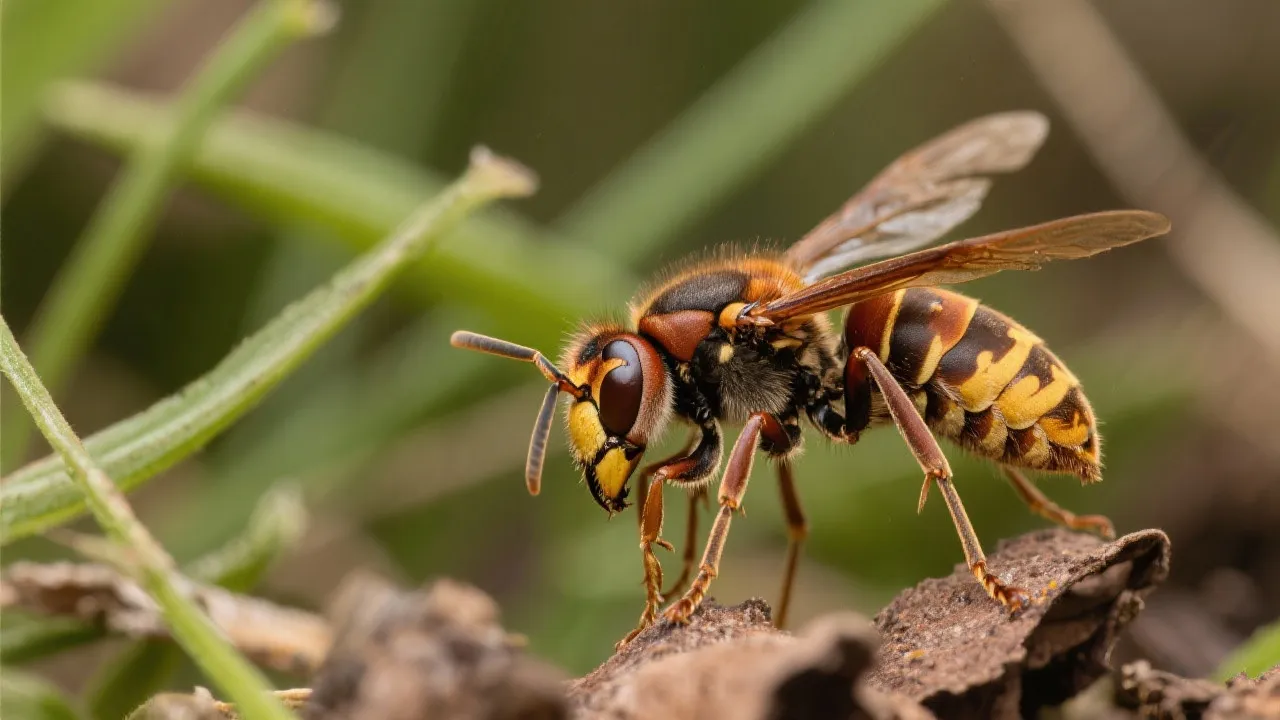
Hornets, a subset of the wasp family, are recognized for their significant role in the ecosystem as predators of pest insects. Known for their complex social structure akin to bees, hornets can be found in a variety of temperate regions around the world. These insects belong to the genus Vespa and are characterized by their relatively large size and potent sting. Various species exhibit unique behaviors and adaptations that contribute to their survival and ecological role. To fully appreciate hornets, it is vital to delve deeper into their characteristics, behaviors, and interactions with other species in their habitat.
Hornets are primarily distributed across the Northern Hemisphere, with several species found in Europe, Asia, and Eastern North America. The very recognized species include the European hornet (Vespa crabro) and the Asian giant hornet (Vespa mandarinia), the latter gaining notoriety as the world’s largest hornet species. Understanding the distribution of these species sheds light on their adaptations to various environments. For instance, Vespa crabro have been observed adapting well to urban environments in North America, creating nests in attics, sheds, and even under eaves. Meanwhile, Vespa mandarinia is native to regions with a milder climate, where they thrive in open woodlands and rural areas.
Despite their fearsome reputation, hornets deliver essential ecological benefits. They play a pivotal role in natural pest control, preying on flies, caterpillars, and other insects that act as agricultural pests. This predatory behavior helps to maintain a balance in ecosystems, reducing the need for chemical pest control methods. For instance, studies have shown that hornets can significantly decrease the population of harmful aphids, which are notorious for damaging crops. Furthermore, hornets themselves serve as prey for larger predators, such as birds and mammals, indicating their integral position within the food web. The complex relationships hornets maintain within their ecosystems showcase their importance beyond immediate pest control, highlighting their role in supporting biodiversity.
Hornet colonies are generally established by a single queen, who raises the first brood of workers. These workers then expand the nest and forage for food to sustain the colony. Nests are often constructed in tree hollows or man-made structures, crafted from chewed wood mixed with the hornet’s saliva to form a durable papery material. Each colony begins its life cycle in spring, when the fertilized queen emerges from hibernation. She searches for a suitable nesting site and begins to lay eggs. As the larval hornets mature, they help the queen in gathering food and expanding the nest. The nest's complexity increases over the season, with multiple cells housing new larvae. By late summer, hornet nests can contain hundreds, if not thousands, of individuals. This synchronization of life cycles among the colony members facilitates efficient foraging and growth, allowing for thriving populations during peak seasons.
While hornets are beneficial, their presence close to human habitation can lead to conflicts, mainly due to their painful stings. Most hornet species are non-aggressive unless provoked. However, the Asian giant hornet's presence in new regions like North America has drawn significant concern, leading to increased monitoring and management interventions. Reports of conflicts arise mainly when nests are established in residential areas. People often perceive hornets as threats, resulting in panic and sometimes unwarranted extermination. Public education on the ecological benefits of hornets can reduce fear and promote coexistence. Fostering an understanding of hornet behavior, such as their tendency to defend their nests aggressively, is crucial in planning safe outdoor activities around known hornet habitats.
Professional pest control services are recommended for hornet nest removal. It is crucial to approach hornet management with care to avoid provoking the insects, which can lead to aggressive defensive behavior. DIY removal is discouraged due to safety risks. If a nest must be removed, experts recommend doing so at night when hornets are less active. Additionally, employing protective gear is essential to prevent stings. Alternatives to extermination include live removal techniques, where professionals relocate the nest safely without harming the hornets. This method not only preserves the natural population but also continues their role in pest control. Homeowners can reduce the risk of hornet invasions by eliminating potential nesting sites, such as sealing openings in buildings and reducing food sources, particularly sugary substances.
In various cultures, hornets' nests have been historically used for different purposes, such as paper-like materials or even as a food source in some Asian communities. For example, in parts of Japan, hornet larvae are considered a delicacy and are used in various traditional dishes. The nests themselves are sometimes crafted into unique forms of art, demonstrating a cultural appreciation for the insect. Understanding these local behaviors and the hornet’s role can aid in developing culturally sensitive management practices. In rural regions, local communities that rely on agricultural activities often develop specific knowledge about hornet behavior, which can lead to innovative, organic pest management strategies integrating hornets into the locals’ approach to agriculture.
| Species | Region | Characteristics |
|---|---|---|
| European Hornet | Europe, North America | Large, brown-yellow coloration, nests in hollow trees, known for less aggressive nature |
| Asian Giant Hornet | East Asia | Very large, noted for aggressive defense behaviors, poses potential threats to honeybee populations |
| Yellow Hornet | North America | Smaller than other species, known for a distinct yellow and black coloration, builds nests in shrubs or low trees |
| Bald-Faced Hornet | North America | Black with white markings, constructs aerial nests, known for aggressive defense of their nests |
What do hornets eat? Hornets primarily feed on other insects, but they will also consume sugar-rich foods, particularly in the late summer and fall when preparing for winter. Their diet plays a crucial role in controlling insect populations, impacting local ecosystems positively.
How dangerous are hornet stings? Hornet stings can be painful and, in rare cases, lead to severe allergic reactions. It's crucial to seek immediate medical attention if symptoms of an allergic reaction occur. People who are allergic to wasp or hornet venom should carry an epinephrine auto-injector for emergencies. Understanding the symptoms of a sting and the appropriate steps to take during an allergic reaction can be vital for safety.
Can hornets be beneficial? Yes, by controlling pest insect populations, hornets contribute to a balanced ecosystem. They play an important role in agriculture by naturally managing insect populations that could otherwise damage crops, thereby reducing the dependency on chemical pesticides.
What habitats do hornets prefer for nesting? Hornets generally prefer to nest in areas that provide shelter, such as tree hollows, shrubs, and man-made structures. They often favor elevated locations to keep their nest safe from predators. Understanding these preferences can aid in human-hornet conflict mitigation.
How can one differentiate between hornets and other wasps or bees? Hornets are typically larger than common wasps and bees and are more robust. They often exhibit a distinctive coloration pattern, usually with a mix of black, yellow, or brown hues. Furthermore, hornets can be identified by their more elongated bodies and the shape of their nests, which are usually larger and made of a paper-like material.
This exploration into hornets not only highlights their ecological role but also informs top practices for coexistence with these fascinating insects. Understanding and appreciating hornets' contributions can lead to innovative approaches to managing and harmonizing with nature. As ecosystems continue to face challenges from human influences, species like hornets, which can fulfill multiple ecological functions, will remain crucial to sustaining biological diversity and promoting environmental health.
Further research into hornet populations is essential for understanding their full ecological impact and on developing effective management strategies. Scientists are increasingly interested in studying hornet behavior, communication, and their role in ecosystems. Ongoing studies may explore how climate change is affecting hornet populations and distribution, providing valuable insights for future conservation efforts. Invasive hornet species, particularly the Asian giant hornet, pose significant threats to native species and biodiversity, necessitating targeted research initiatives. Collaborative efforts among ecologists, pest control experts, and local communities will be pivotal in ensuring the coexistence of hornets with human interests while preserving their vital ecological functions.
Hornets are remarkable insects that play a multifaceted role in the environment. From natural pest controllers to unique contributors in diverse cultural practices, they embody a complex interplay of ecological relationships. Recognizing their benefits and accommodating their presence can transform human perceptions, leading to improved strategies for coexistence. Education, research, and public awareness serve as foundations for fostering a deeper understanding of hornets within ecosystems. As stewards of the environment, it is our responsibility to find harmony with these fascinating creatures, ensuring both their survival and the health of the ecosystems they support.
Striking the Perfect Balance: Navigating Premiums and Out-of-Pocket Expenses in Senior Insurance Plans

Explore the Tranquil Bliss of Idyllic Rural Retreats

How to Make Lasting Memories at Disneyland Attractions

Affordable Phones and Plans for Seniors

Affordable Full Mouth Dental Implants Near You

Unlock the Top Kept Secrets to Finding Your Ideal Dentist for Flawless Dental Implant Results!

Discovering Springdale Estates

The Guide to Car Trading

Affordable Cell Phones Without Plans


Understanding Compliance and AML Strategies
This article delves into the intricate realm of Compliance and Anti-Money Laundering (AML) strategies, highlighting their significance in the corporate world. Compliance AML refers to the organizational adherence to legal standards and regulations to deter financial crimes, ensuring transparent and ethical financial practices. This comprehensive guide examines these strategies' complexities and their pivotal role in safeguarding economic integrity.

Exploring B2B MBA Opportunities
Dive into the dynamic world of B2B MBA programs, designed for professionals seeking to enhance their strategic and management skills in a business-to-business context. This comprehensive guide discusses the significance of B2B MBAs in today's market, highlighting how these programs equip leaders with the expertise to navigate complex B2B relationships and drive business success.

Understanding Whitewater Regenerative Blowers
Whitewater Regenerative Blowers are essential in various industrial applications for their efficiency in moving air and gases. These blowers are known for their durability and ability to operate continuously, making them a preferred choice for industries ranging from wastewater treatment to aquaculture. This article explores their features, benefits, and applications, offering readers a comprehensive understanding of their importance in modern industry.

Mastering Employee Retention Strategies
Employee retention has become a critical aspect of organizational success, particularly in the dynamic landscape of 2020. As businesses strive to maintain a stable and productive workforce, understanding effective retention strategies is essential. This article delves into key methods for enhancing employee satisfaction and retention, offering a comprehensive guide for HR professionals and business leaders alike.

Discover the Allure of Splendys
Splendys stands as a beacon of innovation and style within the consumer goods sector. Known for their commitment to quality and style, Splendys products range from luxury apparel to sophisticated home decor with a modern twist. Their unique offerings cater to discerning customers seeking both function and aesthetics, positioning Splendys at the forefront of contemporary design excellence.

Understanding Headhunter Ti Services
This guide delves into the role and effectiveness of Headhunter Ti in the recruitment industry. Headhunters are specialized recruitment professionals who seek out top talent for specific job roles, often for high-level or specialized positions. This article provides an in-depth analysis of how Headhunter Ti operates, its benefits to organizations, and what candidates can expect when engaging with such services.