Employee benefits constitute an integral part of the modern work environment, significantly impacting employee satisfaction and retention. These benefits typically range from health insurance and retirement plans to more contemporary offerings like flexible working hours and wellness programs. Understanding the multifaceted nature of employee benefits helps employers craft compelling compensation packages.
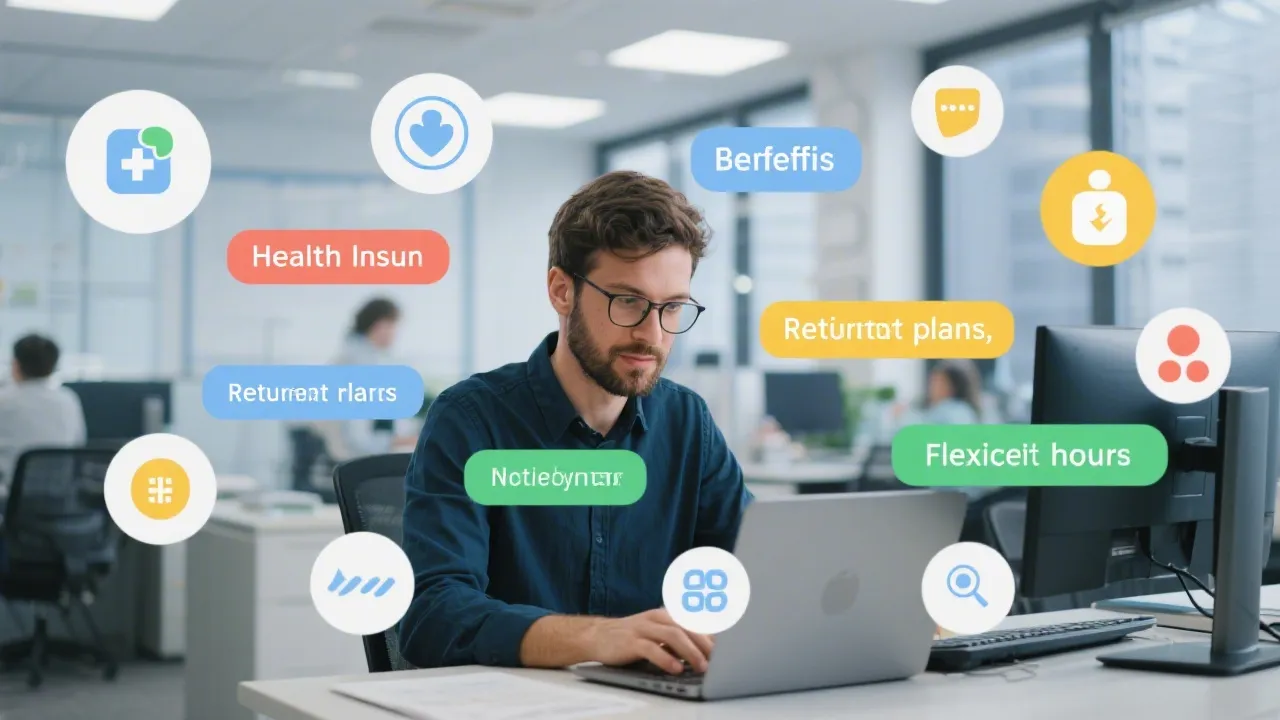
In the contemporary workplace, employee benefits constitute a vital element of overall compensation packages. These non-wage compensations may include health coverage, retirement plans, and other perks essential for attracting and retaining talent. The landscape of these benefits has evolved, reflecting changing employee expectations and organizational values. Employers have recognized that offering a competitive package of benefits can be just as important as providing a competitive salary. As such, many organizations have begun to rethink how they structure these benefits, ensuring they align not just with corporate objectives, but also with the goals and desires of their workforce.
Employee benefits are tailored to enhance the quality of life for workers while simultaneously increasing job satisfaction and loyalty. Core components often extend beyond traditional health insurance and retirement plans to incorporate benefits like paid time off, educational support, and wellness programs. These core benefits create a foundation upon which employees can build a sustainable work-life balance. Furthermore, it reflects an organization’s commitment to its workforce, fostering an environment where employees feel valued and cared for beyond their daily tasks.
A well-rounded benefits package considers various aspects of employee needs. Health insurance usually stands as the cornerstone, often supplemented by dental and vision care. Most organizations are now recognizing that employee health goes beyond immediate medical needs, hinging on preventive care and overall wellness. Retirement savings plans, such as 401(k) plans, are pivotal in helping employees prepare for the future, but companies can further enhance this benefit by offering employer matches or educational workshops regarding personal finance management. Additionally, benefits such as life insurance provide economic security for employees' families, further adding to the peace of mind employees experience, which can lead to greater focus and productivity at work.
To cater to a diverse workforce, organizations now include modern benefits that appeal to different employee lifestyles and preferences. This might include childcare subsidies, remote working options, and mental health support. As employees face various challenges—from rising childcare costs to the stresses of caregiving—companies that acknowledge and address these issues through encompassing benefit offerings can nurture a more satisfied and loyal employee base. Moreover, contemporary work environments recognize that employee wellbeing directly correlates to productivity; the better an employee feels both physically and mentally, the more energized and engaged they will be at work.
Research indicates that comprehensive employee benefits significantly influence job satisfaction and company commitment. Employees who feel well-compensated beyond their salary are more likely to exhibit high morale and reduced turnover intentions. Indeed, studies have shown that companies with strong benefits packages witness not only a decrease in turnover but also an increase in employee advocacy, where employees become vocal supporters of their organization. Therefore, benefits constitute a strategic advantage in maintaining a desirable workplace environment. Consequently, businesses that invest in employee benefits are not just improving their workers’ lives; they are also ensuring a stronger, more cohesive company culture.
The evolution in employee benefits is driven by societal changes, technological advancement, and economic factors. Currently, there is an upward trend in offering flexible working arrangements and wellness programs. Companies are increasingly prioritizing work-life balance by integrating these elements into their benefits packages. Remote work has transitioned from a temporary measure during the pandemic to a permanent benefit for many companies, enabling employees to have more control over their schedules. Additionally, wellness initiatives such as gym memberships, nutrition counseling, and mindfulness programs are gaining traction. These offerings reflect a broader understanding of the relationship between health, happiness, and productivity, marking a significant shift towards holistic approaches in workplace benefits.
In a 2023 survey by the Society for Human Resource Management, 92% of employees considered health and wellness benefits critical to job satisfaction. The survey highlighted distinct preferences among different demographics, with younger employees placing greater emphasis on mental health resources than their older counterparts. Moreover, benefits pertaining to mental health are gaining attention, with organizations realizing the importance of holistic health investments. As the stigma surrounding mental health dwindles, it's becoming increasingly essential for organizations to implement comprehensive mental health support programs, including counseling services and workshops, to build a resilient and well-rounded workforce.
| Benefit Category | Examples |
|---|---|
| Healthcare | Health insurance, dental plans, vision care, telemedicine access |
| Retirement | 401(k) plans, pension schemes, financial planning assistance |
| Work-Life Balance | Flexible working hours, remote work options, company-sponsored retreats |
| Personal Development | Tuition reimbursement, career development programs, mentoring opportunities |
| Wellness Programs | Gym memberships, mental health days, wellness challenges |
| Additional Perks | Childcare assistance, pet insurance, student loan assistance |
Understanding and adapting to the diverse needs of the workforce through carefully structured employee benefits constitutes a strategic priority for organizations aiming to maintain a competitive advantage. Acknowledging the integral role of such benefits in shaping employee satisfaction and organizational success is critical in today's employment landscape. Furthermore, as the workforce continues to evolve, organizations must remain agile in their benefits offerings, continuously reassessing and refining their strategies to align with changes in employee preferences and economic realities. Initiatives aimed at fostering a positive workplace culture, enhancing employee engagement, and advocating for wellness can ultimately lead to a more harmonious work environment, higher employee retention, and greater overall success for the organization. Thus, a strategic approach to employee benefits is not merely an HR responsibility; it is a key component of broader business strategy and organizational health in today's competitive landscape.
Striking the Perfect Balance: Navigating Premiums and Out-of-Pocket Expenses in Senior Insurance Plans

Explore the Tranquil Bliss of Idyllic Rural Retreats

How to Make Lasting Memories at Disneyland Attractions

Affordable Phones and Plans for Seniors

Affordable Full Mouth Dental Implants Near You

Unlock the Top Kept Secrets to Finding Your Ideal Dentist for Flawless Dental Implant Results!

Discovering Springdale Estates

The Guide to Car Trading

Affordable Cell Phones Without Plans


Understanding Compliance and AML Strategies
This article delves into the intricate realm of Compliance and Anti-Money Laundering (AML) strategies, highlighting their significance in the corporate world. Compliance AML refers to the organizational adherence to legal standards and regulations to deter financial crimes, ensuring transparent and ethical financial practices. This comprehensive guide examines these strategies' complexities and their pivotal role in safeguarding economic integrity.

Exploring B2B MBA Opportunities
Dive into the dynamic world of B2B MBA programs, designed for professionals seeking to enhance their strategic and management skills in a business-to-business context. This comprehensive guide discusses the significance of B2B MBAs in today's market, highlighting how these programs equip leaders with the expertise to navigate complex B2B relationships and drive business success.

Understanding Whitewater Regenerative Blowers
Whitewater Regenerative Blowers are essential in various industrial applications for their efficiency in moving air and gases. These blowers are known for their durability and ability to operate continuously, making them a preferred choice for industries ranging from wastewater treatment to aquaculture. This article explores their features, benefits, and applications, offering readers a comprehensive understanding of their importance in modern industry.

Mastering Employee Retention Strategies
Employee retention has become a critical aspect of organizational success, particularly in the dynamic landscape of 2020. As businesses strive to maintain a stable and productive workforce, understanding effective retention strategies is essential. This article delves into key methods for enhancing employee satisfaction and retention, offering a comprehensive guide for HR professionals and business leaders alike.

Discover the Allure of Splendys
Splendys stands as a beacon of innovation and style within the consumer goods sector. Known for their commitment to quality and style, Splendys products range from luxury apparel to sophisticated home decor with a modern twist. Their unique offerings cater to discerning customers seeking both function and aesthetics, positioning Splendys at the forefront of contemporary design excellence.

Understanding Headhunter Ti Services
This guide delves into the role and effectiveness of Headhunter Ti in the recruitment industry. Headhunters are specialized recruitment professionals who seek out top talent for specific job roles, often for high-level or specialized positions. This article provides an in-depth analysis of how Headhunter Ti operates, its benefits to organizations, and what candidates can expect when engaging with such services.
